Bookbot

Frank Lloyd Wright

    8 de junio de 1867 – 9 de abril de 1959

    Frank Lloyd Wright fue uno de los arquitectos más prominentes e influyentes del mundo. Desarrolló una serie de estilos altamente individuales, influyó en el diseño de edificios en todo el mundo y hasta el día de hoy sigue siendo el arquitecto más famoso de Estados Unidos. Wright también fue muy conocido en vida. Su colorida vida personal a menudo acaparaba los titulares, especialmente por el fracaso de sus dos primeros matrimonios y por el incendio y los asesinatos en su estudio de Taliesin en 1914.

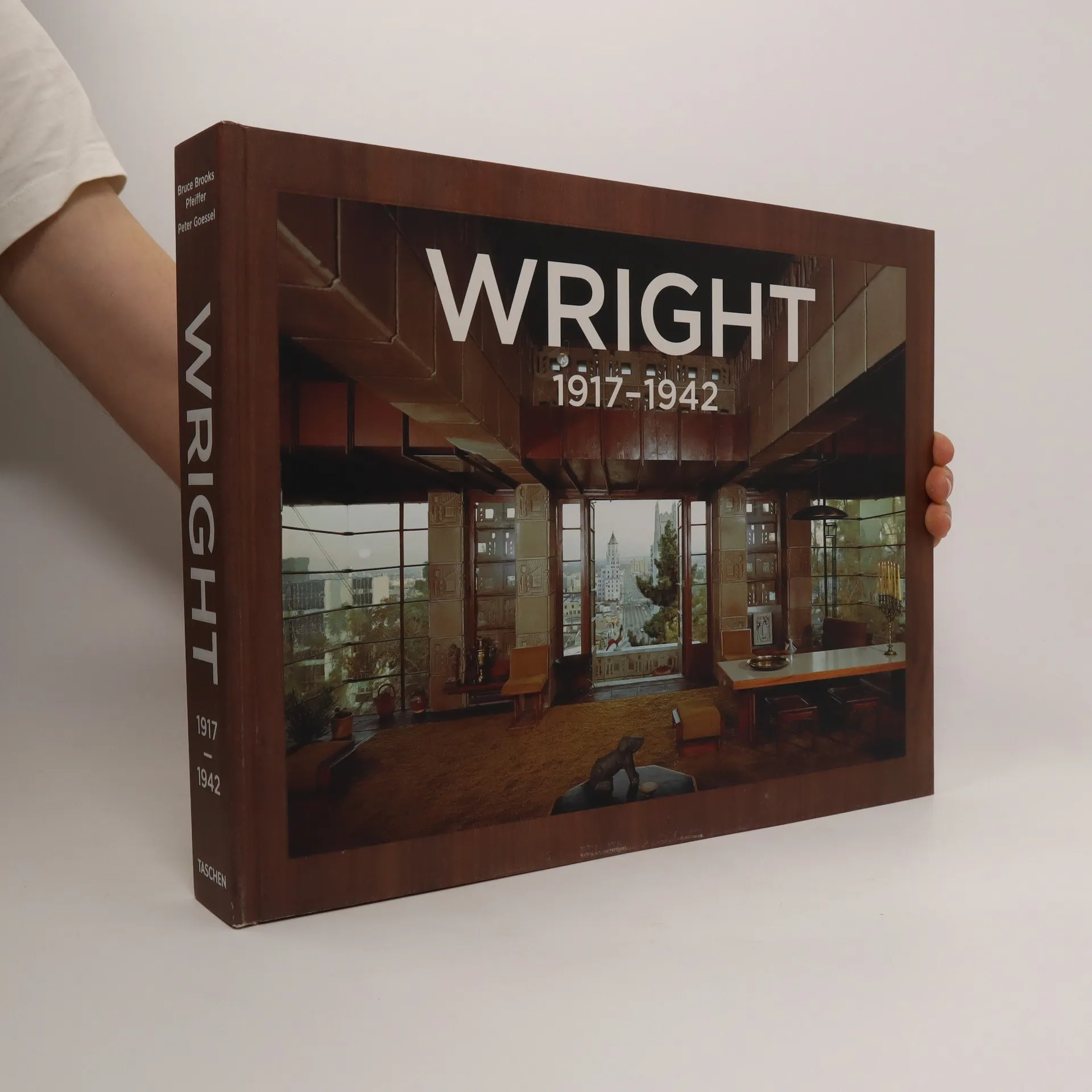
    Frank Lloyd Wright: Complete Works 1917-1942
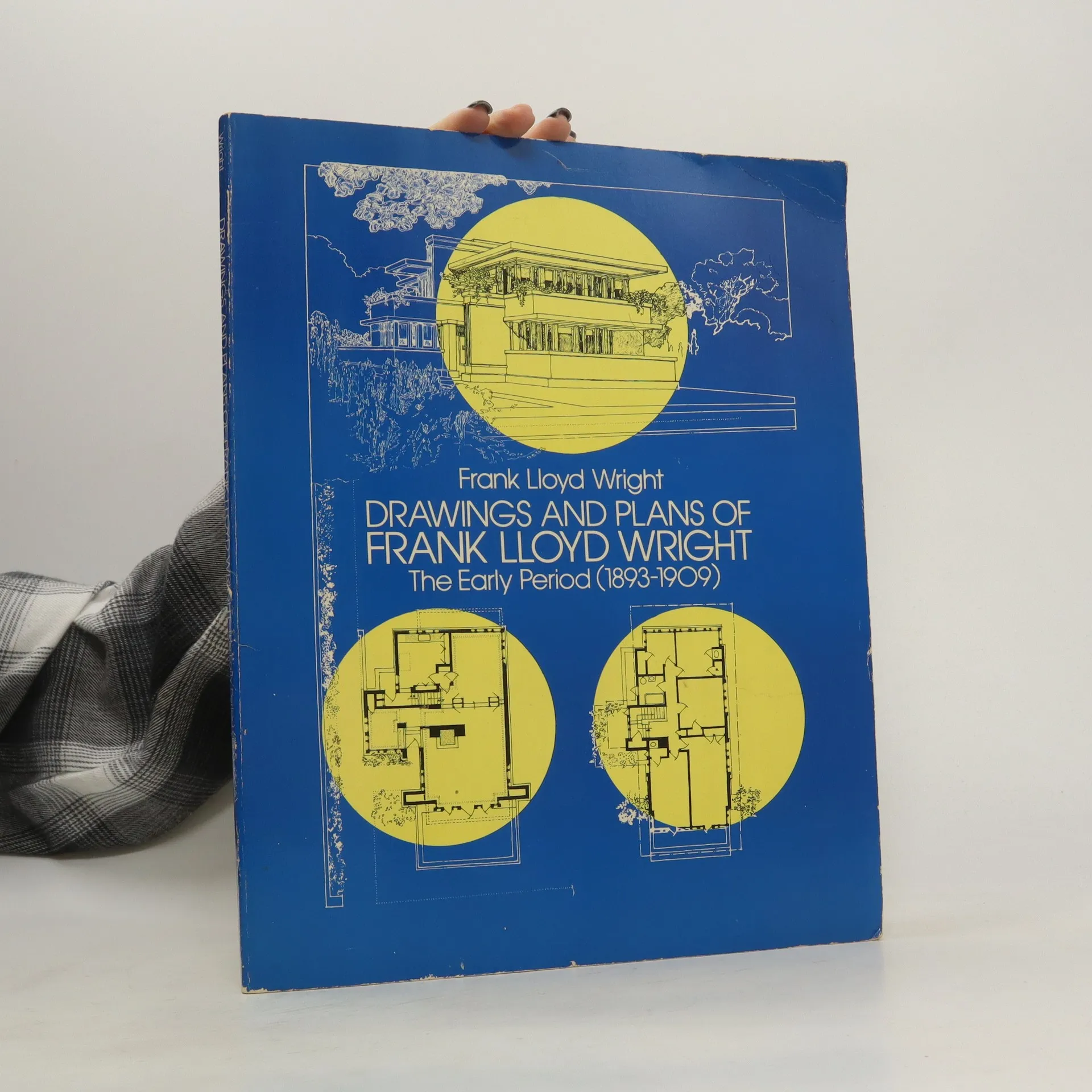
    Drawings and Plans of Frank Lloyd Wright
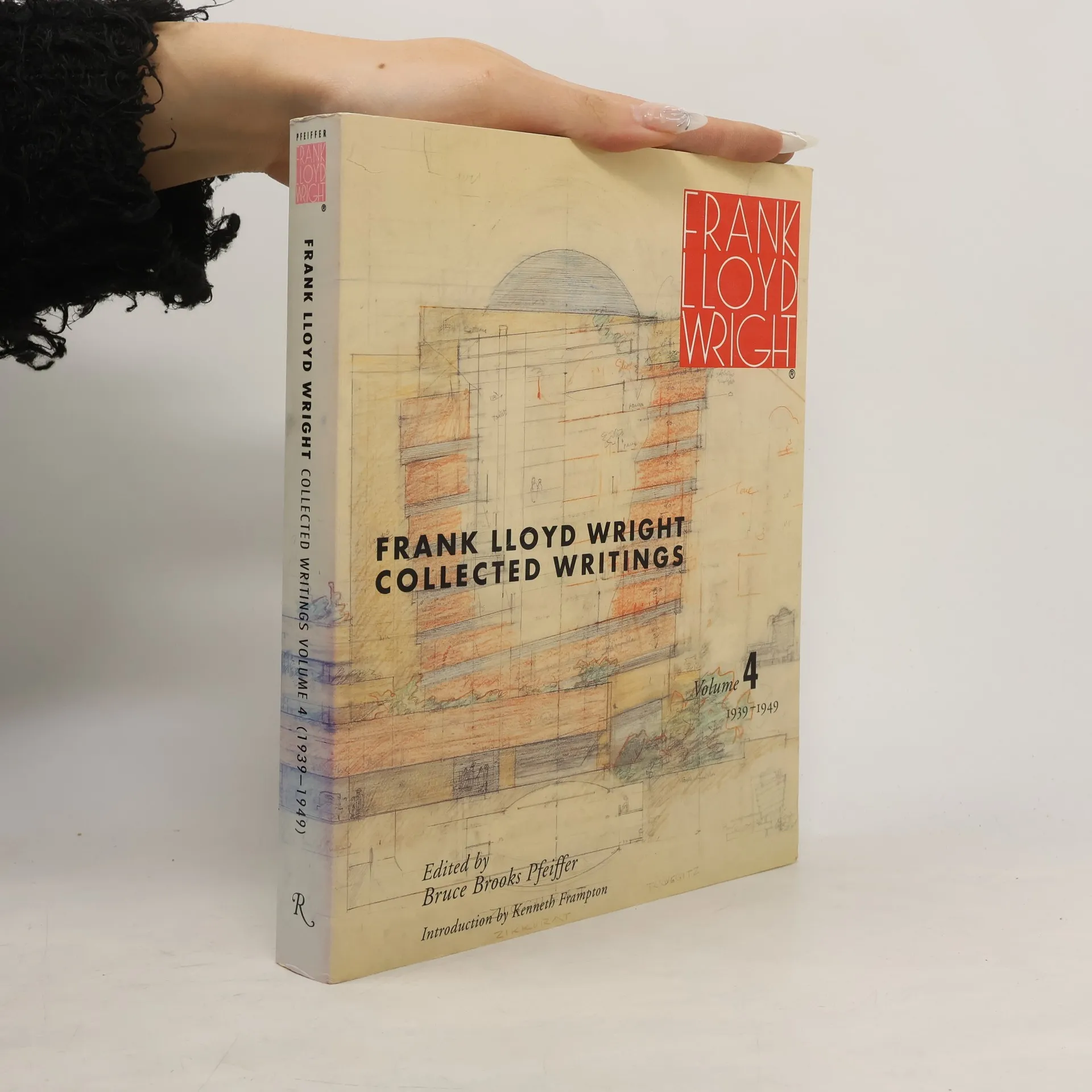
    Frank Lloyd Wright Collected Writings
    Frank Lloyd Wright
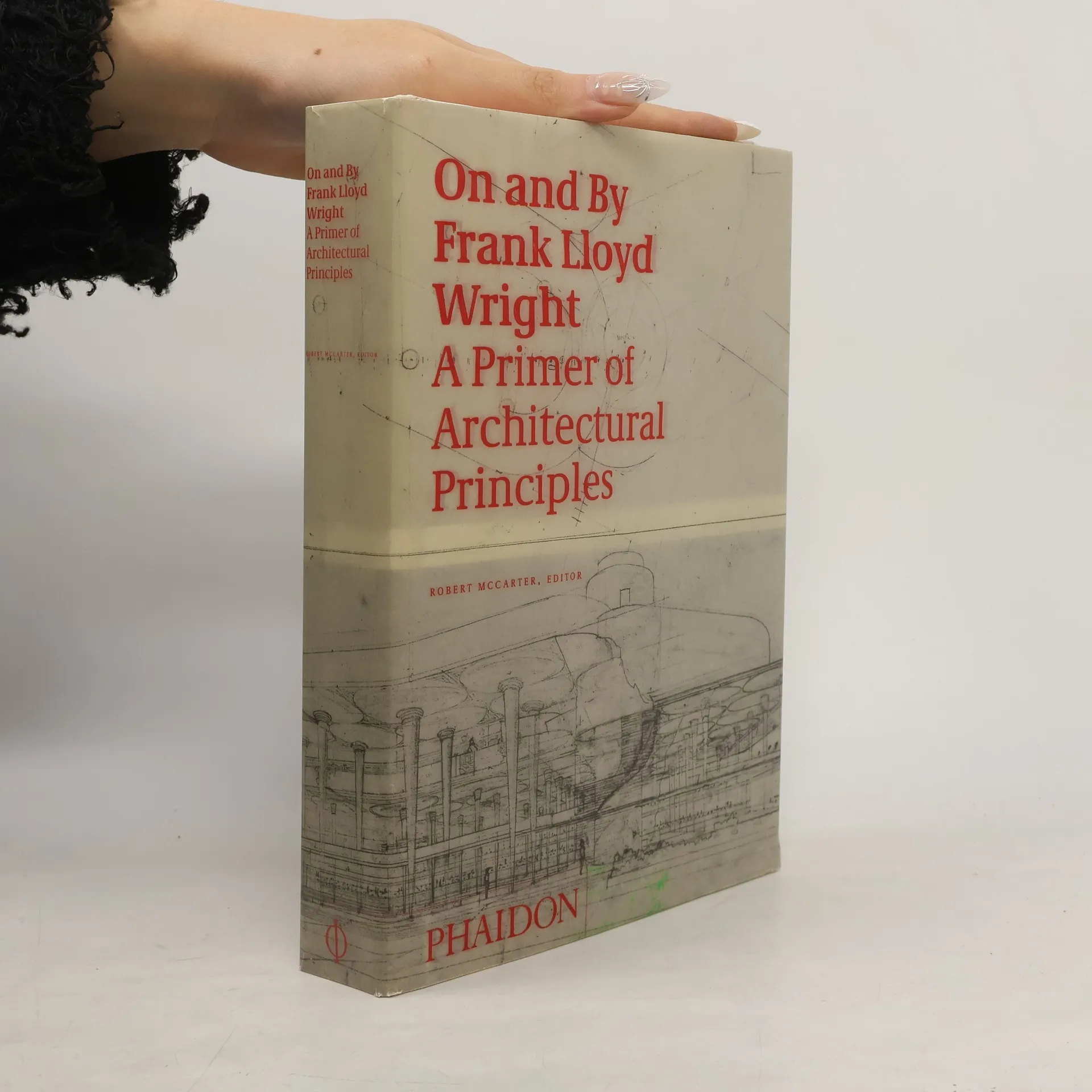
    On and by Frank Lloyd Wright
    The Essential Frank Lloyd Wright
    • The Essential Frank Lloyd Wright

      • 464 páginas
      • 17 horas de lectura

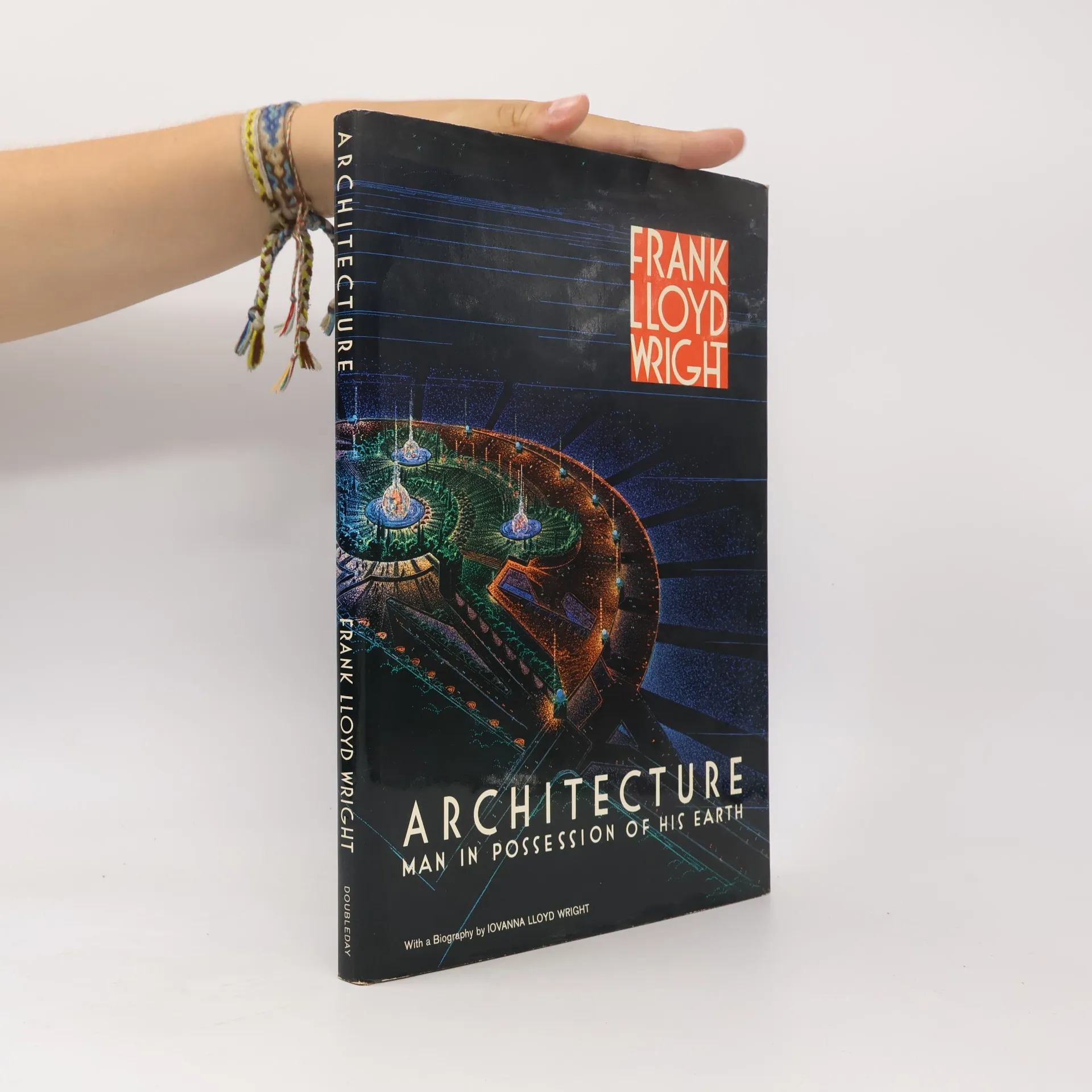
      Frank Lloyd Wright pioneered a bold kind of architecture, one in which the spirit of modern man truly 'lived in his buildings'. This title presents a compendium of Wright's some of the most critically important - and personally revealing - writings on various conceivable aspects of his craft.

      The Essential Frank Lloyd Wright
      4,7
    • On and by Frank Lloyd Wright

      A Primer of Architectural Principles

      • 372 páginas
      • 14 horas de lectura

      Presents a collection of essays focusing on Frank Lloyd Wright's work and design methods.

      On and by Frank Lloyd Wright
      4,4
    • Frank Lloyd Wright

      In the Realm of Ideas

      • 208 páginas
      • 8 horas de lectura

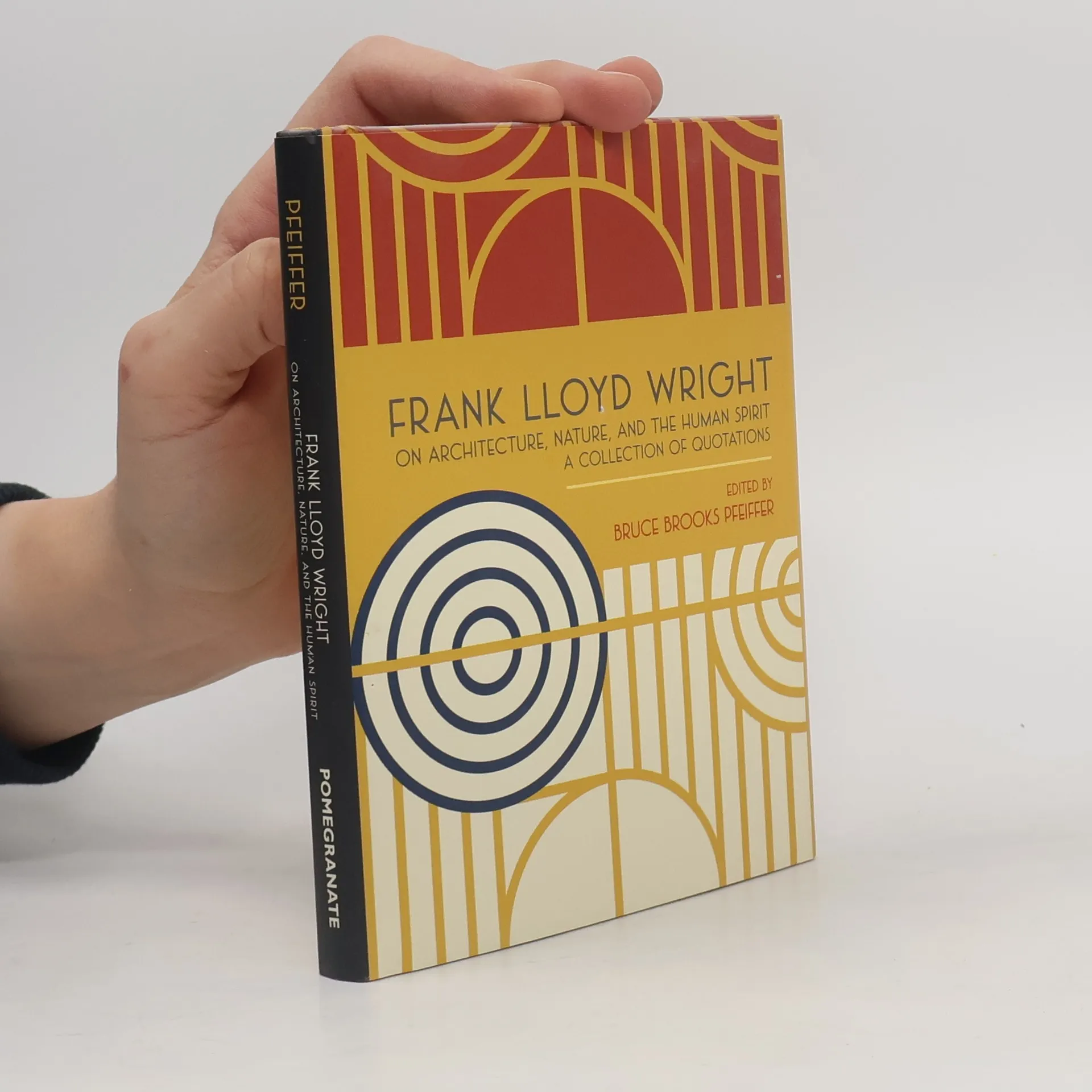
      “One hundred years from now, people will look at his ideas, his principles, his forms, and see—with wonder and amazement—that those ideas are still fresh, vibrant, applicable, and intensely prophetic.” —Olgivanna Lloyd Wright (1969). Nearly twenty years later, this exhibition of Frank Lloyd Wright’s principles and forms validates Mrs. Wright’s prophecy, showcasing the foundation of his achievement. Part 1, prepared by Bruce Brooks Pfeiffer, features four sections defined by Wright’s own words: “The Destruction of the Box: The Freedom of Space”; “The Nature of the Site”; “Materials and Methods”; and “The Architecture of Democracy.” It includes 150 illustrations (86 in full color), presenting dazzling visions of architectural treasures—some realized, some planned but never built, and others that continue to enrich our society. Accompanying quotes from Wright illustrate how his ideas manifested in his designs. Part 2 comprises five essays that enhance our understanding of Wright’s contributions: Jack Quinan on the Chicago context in 1893; Aaron Green discussing organic architecture; E. T. Casey on structure in organic architecture; Narciso Menocal on Wright’s architectural democracy; and Bruce Brooks Pfeiffer on Wright’s second career from 1924 to 1959. An appendix provides detailed descriptions of the works featured in Part 1, including notes on media, methods, and measurements.

      Frank Lloyd Wright
      4,4
    • Frank Lloyd Wright Collected Writings

      Volume 4, 1939-1949

      • 384 páginas
      • 14 horas de lectura

      This is the fourth volume in the highly acclaimed series of Wright's written works, most of which are out of print and have never before been systematically compiled for publication. Arranged chronologically, Volume IV includes the years of world conflict and postwar recovery--a rich, prolific period during which Wright created designs for some of his best-known buildings.

      Frank Lloyd Wright Collected Writings
      4,0
    • The complete Wasmuth drawings, 1910. Wright's early experiments in organic design: 100 plates of buildings from Oak Park period from first edition. Includes Wright's iconoclastic introduction.

      Drawings and Plans of Frank Lloyd Wright
      4,3
    • Frank Lloyd Wright: Complete Works 1917-1942

      • 485 páginas
      • 17 horas de lectura

      Frank Lloyd Wright (1867–1959) gilt als der bedeutendste amerikanische Architekt und hat mit seinem einflussreichen Werk die Moderne geprägt. TASCHEN widmet ihm eine dreibändige Monographie, die alle seine rund 1.100 realisierten und unrealisierten Entwürfe behandelt. In Zusammenarbeit mit den Frank Lloyd Wright Archives in Taliesin, Arizona, wird Wrights bemerkenswertes Leben und Werk gewürdigt. Der Band beginnt mit Wrights Jahren in Japan, insbesondere am Imperial Hotel, gefolgt von persönlichen Turbulenzen. 1922 ließ er sich von seiner ersten Frau Catherine scheiden und heiratete Miriam Noel, die ihn jedoch bald darauf verließ. In dieser schwierigen Phase belastete ein Feuer in Taliesin seine bereits angespannte finanzielle Situation, was zu Zwangsvollstreckungen führte. Um seinen Lebensunterhalt zu sichern, begann Wright, Zeitungsartikel zu schreiben und veröffentlichte 1932 seine gefeierte Autobiografie. Trotz der Weltwirtschaftskrise und unvollendeter Entwürfe entwickelte er neue Konzepte, darunter die Blockbauweise, die zu einzigartigen Werken wie dem Ennis-Haus führte. 1936 vollendete er das Herbert-Jacobs-Haus mit seinen usonischen Techniken, die erschwingliches Wohnen für Familien ermöglichen sollten. Nach seinem Umzug nach Arizona schuf er mit seinen Studenten Taliesin West und erlebte eine Wiederbelebung seines Schaffens, die in den ikonischen Fallingwater und Johnson Buildings gipfelte. Seine usonischen Häuser rev

      Frank Lloyd Wright: Complete Works 1917-1942
      4,3
    • The Natural House

      • 224 páginas
      • 8 horas de lectura

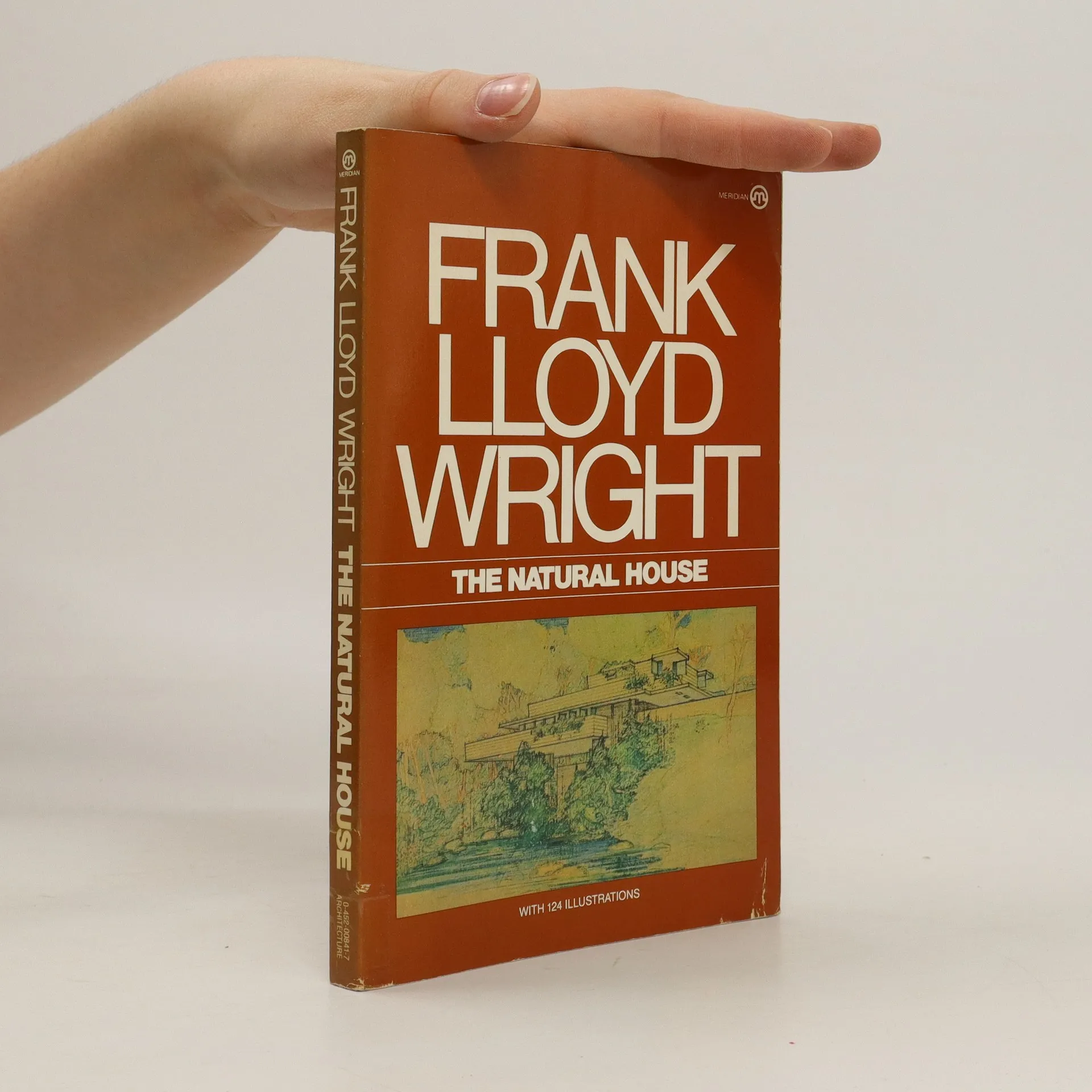
      The Natural House with 124 Illustrations This book has Book One : 1936-1953 Book Two : 1954

      The Natural House
      3,9
    • 50 Favorite Houses by Frank Lloyd Wright

      • 128 páginas
      • 5 horas de lectura

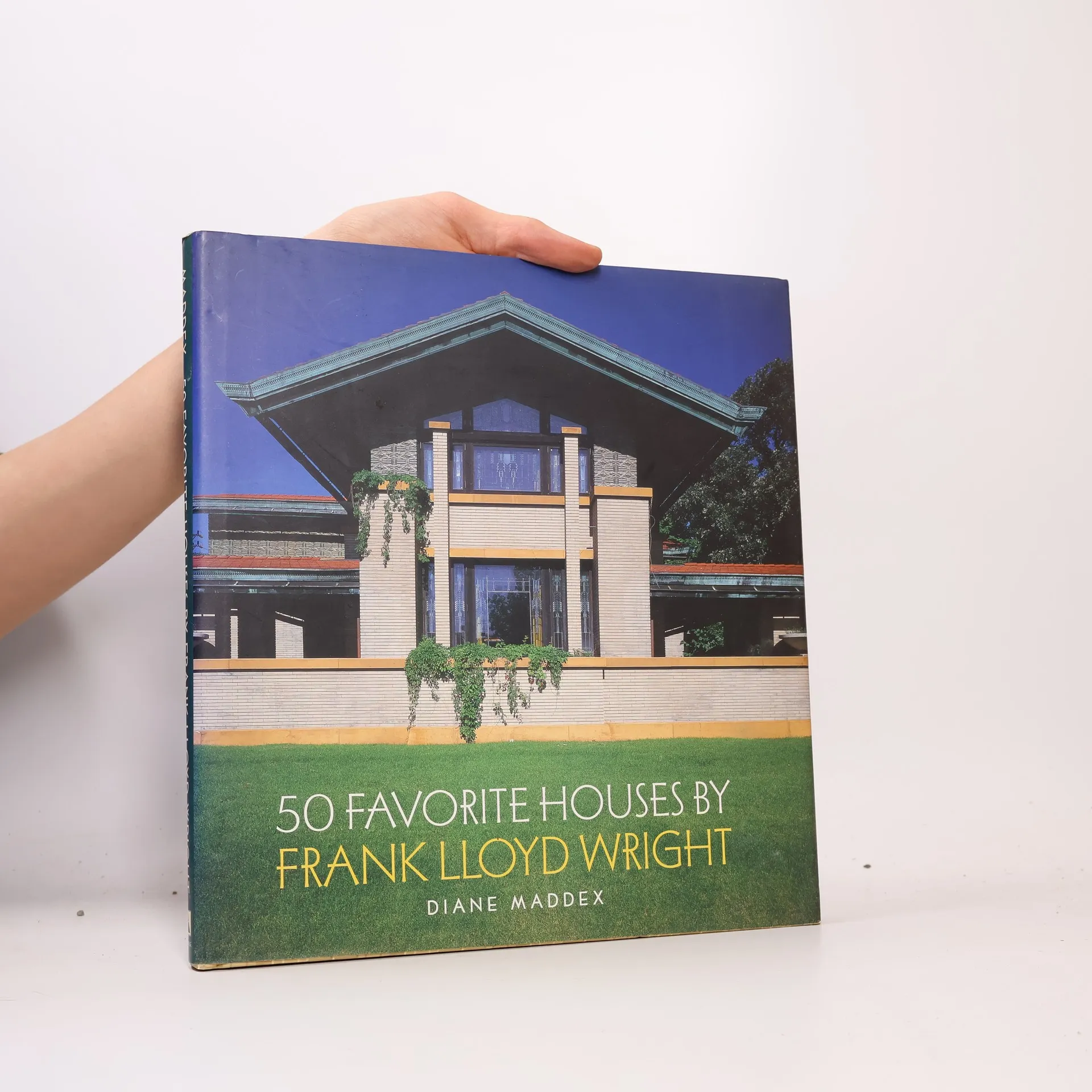
      This gorgeous volume celebrates the great houses designed by Frank Lloyd Wright, the world's noted and America's most popular architect. An illustrated introduction provides an overview of design principles and Wright's ideas behind the modern home and is followed by sections on Early Houses, Prairie Houses, 1920's and 1930's Houses, and Usonian Houses. Elegant full-color photographs and an authoritative yet accessible text profile fifty of the best-loved signature homes that the architect created. Written by award-winning author, Diane Maddex, this lush companion to its hugely successful predecessors, Fifty Favorite Rooms by Frank Lloyd Wright and Fifty Favorite Furnishings by Frank Lloyd Wright, offers an approachable look at the architect's definitive decorative style.

      50 Favorite Houses by Frank Lloyd Wright
      3,0
    • Frank Lloyd Wright

      Early Visions : The Great Achievements Of The Oak Park Years

      • 166 páginas
      • 6 horas de lectura

      Originally published as Ausgefuhrte Bauten in Germany in 1911, Frank Lloyd Wright: Early Visions reproduces the first book of photographs of Wright's architecture. Here are the works of what is called his Oak Park period, the years between 1893 and 1910 when Wright lived and worked in Oak Park, Illinois. Included are more than thirty houses, as well as some public buildings. Early Visions covers the idealistic, formative years of Frank Lloyd Wright's career. In many ways, they were the most important years. A number of the buildings reproduced have been demolished, but many others still stand. Indeed, today under the auspices of the National Trust for Historic Preservation, Oak Park celebrates the Frank Lloyd Wright Prairie School of Architecture in a National Historic District, with twenty-five structures by Wright. It is the largest collection of his built designs in the world. His home and studio at 951 Chicago Avenue, where he lived and worked from 1889 to 1909, is open to the public, and tours of his other buildings may be arranged. In this new edition of the first book of Wright's architectural photographs, the spirit of these and other early works by the greatest of American architects remains bold and vital.

      Frank Lloyd Wright
      3,4