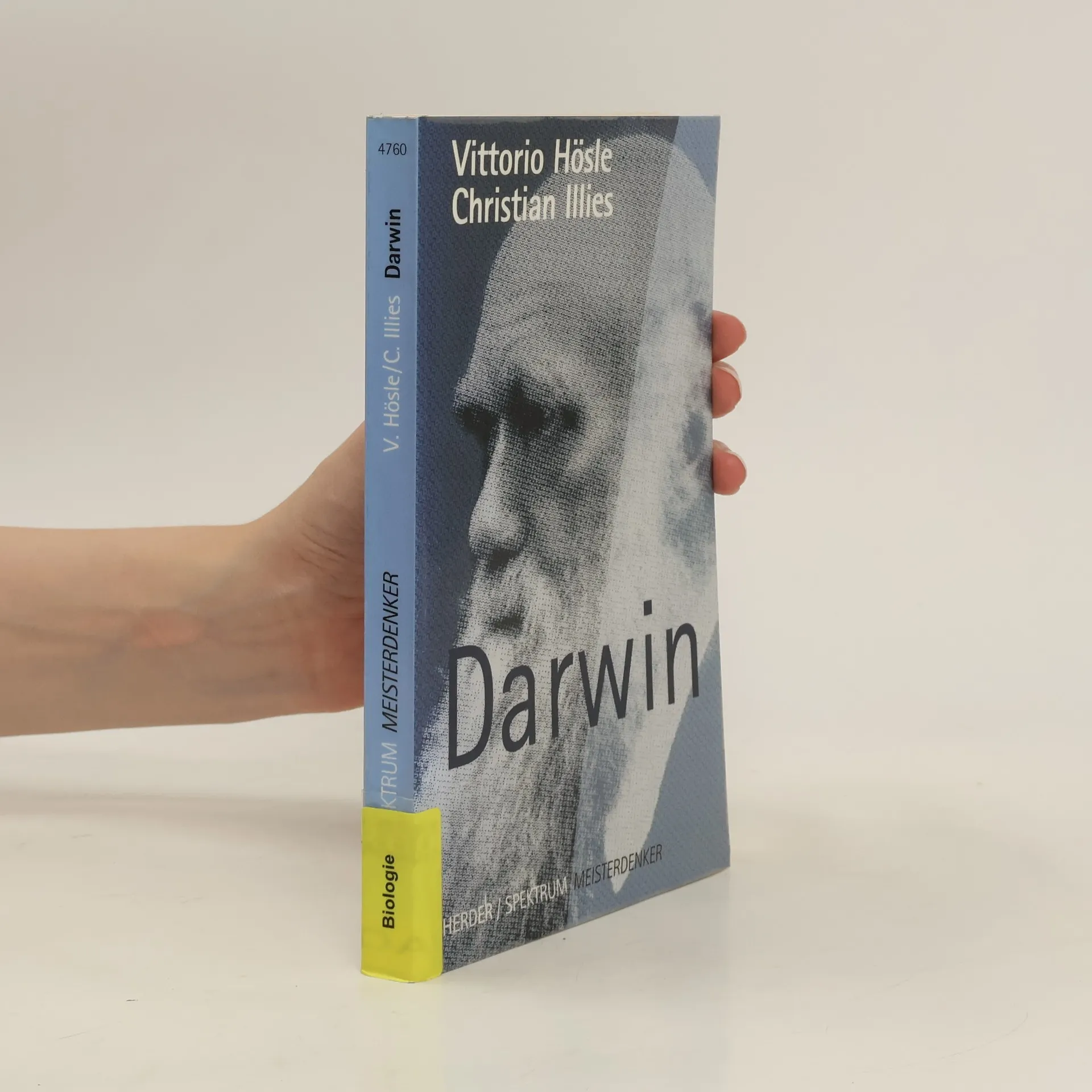
Darwin
- 190 páginas
- 7 horas de lectura



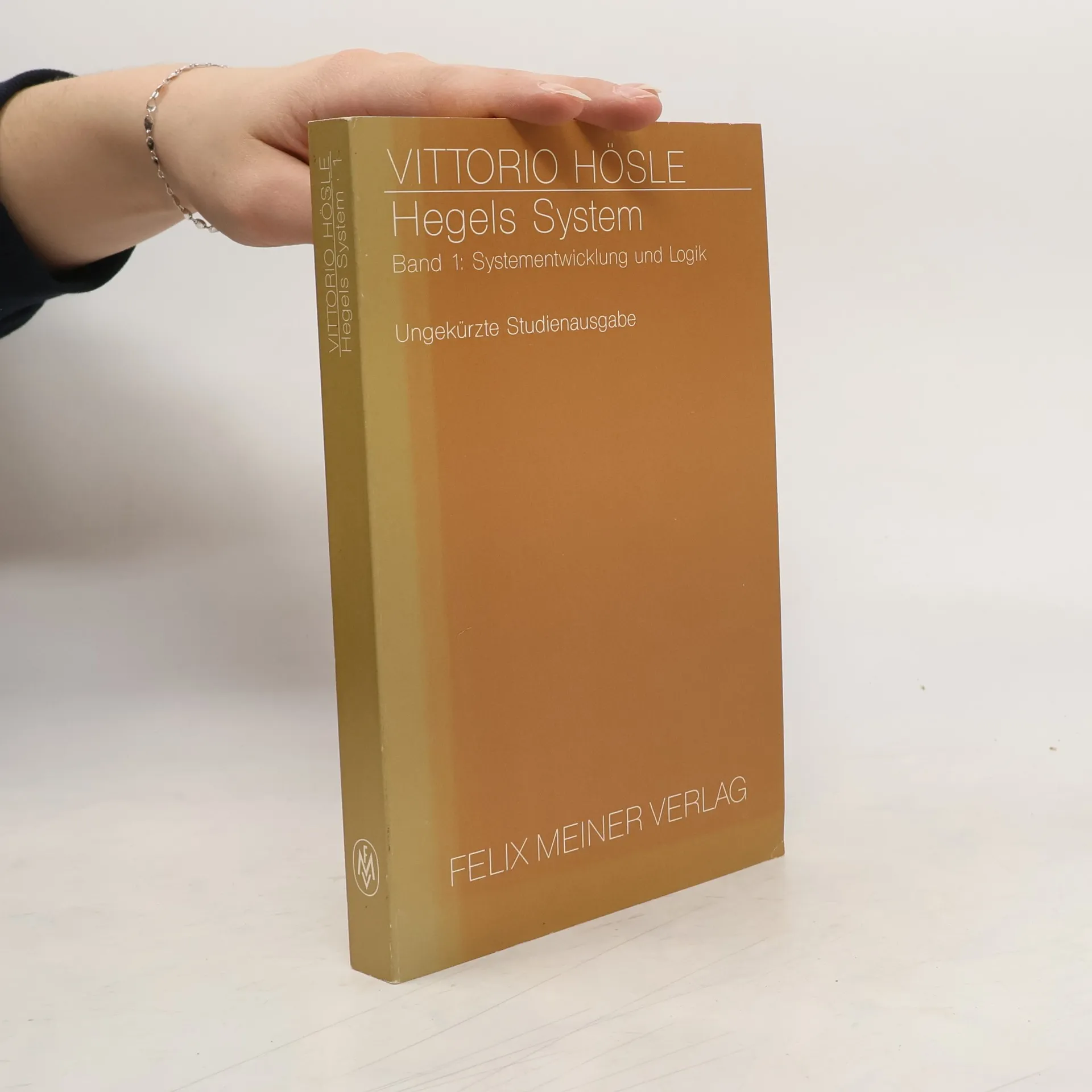
Dieses Buch bietet die umfassende neuere Darstellung und Analyse des ganzen Hegelschen Systems. Dabei wird Hegels Philosophie in einer klaren und leichtverständlichen Sprache einer immanenten Kritik unterzogen, die sich weder in Paraphrasen erschöpft noch mit der Versicherung entgegengesetzter Behauptung ihr Ende findet. "Ein wirklich faszinierendes Werk, das das systematische Philosophieren selbst erneut zu wecken vermag" Philosophisches Jahrbuch
Zwischen der Geschichte der Philosophie und dem objektiven Idealismus besteht eine doppelte Beziehung. Zum einen ist der objektive Idealismus ein Stadium innerhalb der Geschichte der Philosophie. Zum anderen ist er nicht nur Gegenstand der Philosophiehistorie, sondern ein besonders geeigneter Ausgangspunkt für einen philosophisch fruchtbaren Umgang mit ihr. Die in diesem Band versammelten historisch-systematischen Essays verfolgen die Geschichte des objektiven Idealismus und erweisen ihn zugleich als jene Position, die am ehesten eine Vermittlung zwischen Wahrheit und Geschichte zu leisten vermag.
Rückblick auf den deutschen Geist
Vittorio Hösle bietet in diesem Buch eine umfassende Übersicht über die deutsche Philosophiegeschichte vom Mittelalter bis zur Gegenwart. Er diskutiert, inwieweit es legitim ist, die deutsche Philosophie von anderen europäischen Philosophien abzugrenzen, und äußert eine skeptische Perspektive auf das Überleben deutscher Philosophie im 21. Jahrhundert. Der Sonderweg beginnt im Mittelalter mit Meister Eckhart und Nicolaus Cusanus. Die Reformation bringt eine neue Wendung, die aufgrund ihrer antiphilosophischen Polemik einen Neubeginn des Denkens ermöglicht und die Verbindung von Philosophie und Philologie in Deutschland prägt. Die Entwicklungen bei Leibniz und Kant sowie die Fundierung der Geisteswissenschaften im späten 18. Jahrhundert sind Voraussetzungen für die Synthese des Deutschen Idealismus. Darauf folgt eine rasche Auflösung des Christentums und der bisherigen Vernunftmetaphysik durch Schopenhauer, Feuerbach, Marx und Nietzsche. Die Neubegründungen der Philosophie bei Frege, im Logischen Positivismus, bei den Neukantianern und in der Phänomenologie Husserls werden als die einflussreichsten Versuche des frühen 20. Jahrhunderts dargestellt. Es folgt die Philosophie des Nationalsozialismus und schließlich die der Bundesrepublik mit Denkern wie Gadamer, Apel, Habermas und Jonas. Das Buch basiert auf gründlicher Kenntnis der Primärquellen und bietet eine Gesamtinterpretation der deutschen Philosophie sowie einen Rückblick au
In fünf Kapiteln beleuchtet der Autor die aktuelle ökologische Krise und ihre Konsequenzen auf ethischer, metaphysischer, epistemologischer, politischer, wirtschaftlicher und juristischer Ebene und präsentiert, wie eine wahre Philosophie der Ökologie aussehen könnte.
Vittorio Hösle unternimmt in diesem Buch eine philosophische Besinnung auf das Prinzip der Philosophie im allgemeinen und der Ethik im besonderen. Ausgangspunkt seiner Überlegungen ist der Verdacht, dass die Gegenwartsphilosophie der Idee der Philosophie nicht mehr gerecht wird; Ziel der Überlegungen ist ein argumentativ ausgewiesener Vorschlag zur Begründung einer zeitgemäßen Ethik. Das Buch, dessen erste beiden Auflagen in der Schriftenreihe „Ethik im technischen Zeitalter“ erschienen sind, ist auch außerhalb der Fachwelt auf großes Interesse gestoßen. Es liegt jetzt erstmals in einer Taschenbuchausgabe vor.
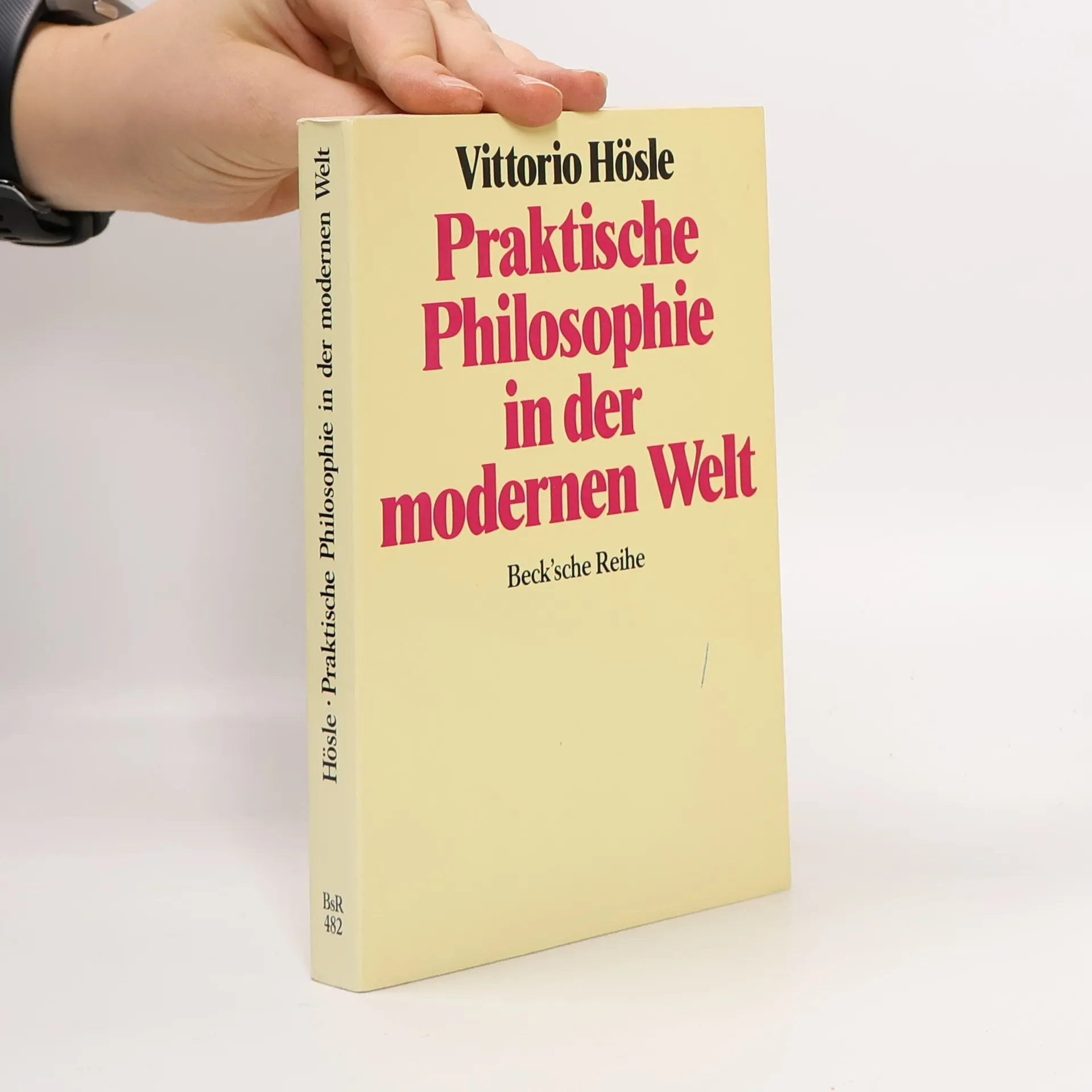
Die Begründung ethischer Normen wird in einer säkularisierten Kultur nicht mehr durch tradiertes Ethos und durch die Religion übernommen, sondern erfordert begründungstheoretische Anstrengungen, denen das gegenwärtige geistige Klima allerdings nicht günstig ist. Die in diesem Band gesammelten Aufsätze Vittorio Hösles bilden keine in sich abgeschlossene und vollständige Ethik, aber sie sind Beitrage dazu. Sie stellen die Praktische Philosophie in den Zusammenhang mit Metaphysik, Transzendentalphilosophie und Politischer Philosophie, und sie suchen Antworten auf konkrete Fragen der Ethik in der modernen Welt zu geben.
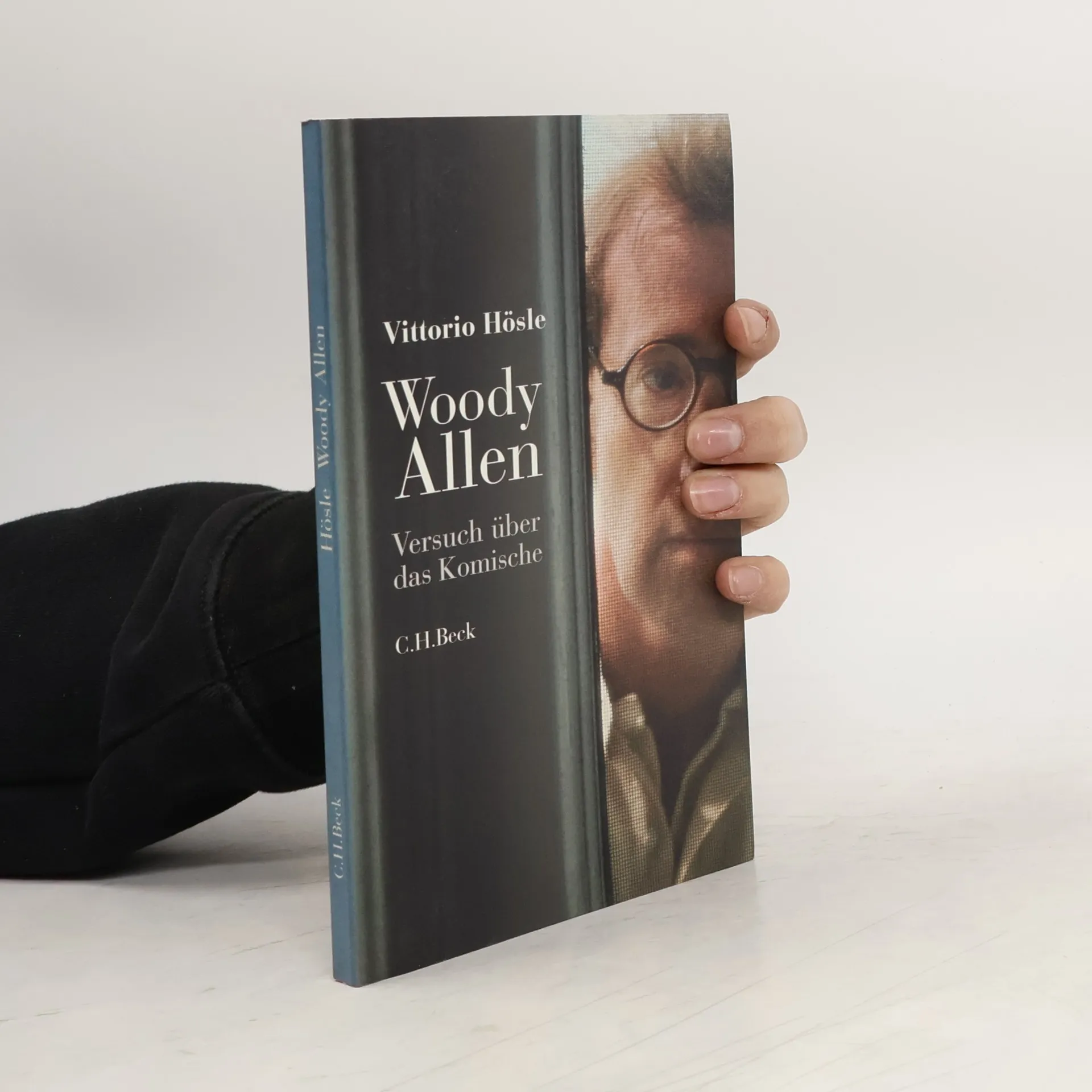
"Ich war einmal mit einer Tänzerin verlobt, aber (...) sie lief mit einem Pianisten davon, und da habe ich mit ihr Schluss gemacht." Woody Allens Stadtneurotiker zeigen, wie man das eigene Scheitern mit charmanter Chuzpe in ein Unentschieden verwandelt. Der Philosoph Vittorio Hösle analysiert diesen Erfolg und sieht in Allen, trotz der vordergründigen Komik, einen Moralist, der in einer Zeit des Glaubensverlusts an Gott und Ersatzreligionen die Frage nach den letzten Dingen aufwirft und ethische Mindeststandards einfordert. Allen wird als "loyale Opposition Gottes" verstanden, der sich selbst nicht über den Weg traut. Hösle interpretiert Kunst, insbesondere in The Purple Rose of Cairo, als Eskapismus, der die Wirklichkeit nicht entscheidend verändert. Auch die ambivalente These vom intellektuellen Anti-Akademiker Allen wird thematisiert; seine Selbstironie lässt uns mehr mit ihm als über ihn lachen. Der Autor vermittelt Erkenntnisse mal leichtfüßig, mal professoral, etwa wenn er die Wirkungsweise eines Witzes auf vier Ebenen erklärt. Trotz mancher neuen Einsicht bleibt der Leser manchmal ratlos zurück. Doch wenn Hösles Begeisterung für Allen nur einige Leser ansteckt, hat er bereits viel erreicht. --Patrick Fischer
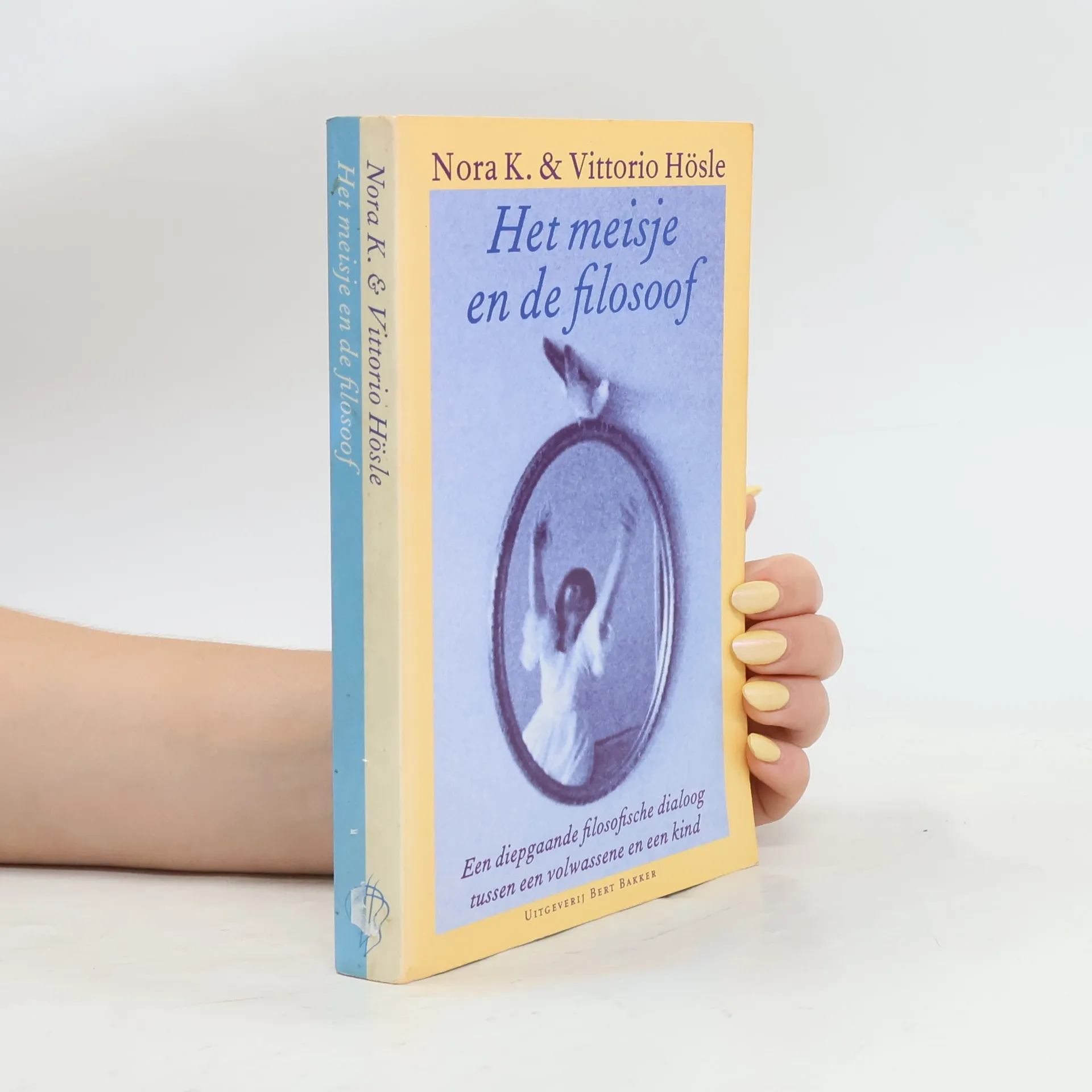
Een diepgaande filosofische dialoog tussen een volwassene en een kind
De briefwisseling tussen een filosoof en een 11-jarig meisje.
Da Vittorio Hosle seit Jahren vor einem grossen Angriffskrieg Russlands gewarnt hatte, hat ihn Martin Hahnel zu der Zeitenwende interviewt, die der Angriff vom 24.2.2022 auf die Ukraine bedeutet. Was sind die Ursachen dieses Krieges, in der unmittelbaren, aber auch in der lange zuruckliegenden Vergangenheit? Warum haben so viele Menschen gerade in Westeuropa die drohenden Gefahren verdrangt? Warum war die Ukraine relativ erfolgreich in der Landesverteidigung? Wie wird es weitergehen? Was wird passieren, wenn Trump 2025 ins Weisse Haus zuruckziehen sollte? Welche moralischen Prinzipien sollten die Verteidigungspolitik der NATO leiten? Und was wird die Zeitenwende fur innenpolitische Konsequenzen in Deutschland haben? Der Band enthalt zudem jungere Texte Hosles zu Russland, dem Ukrainekrieg und seiner kunstlerischen Interpretation durch den russischen Maler und Graphiker Maxim Kantor.
"Gott als Vernunft" bietet eine umfassende Analyse zentraler religionsphilosophischer Fragen aus der Sicht des objektiven Idealismus. Gott wird nicht als externe Autorität, sondern als Essenz aller Vernunftansprüche betrachtet. Das Buch behandelt Themen wie Gnade, Trinität, Theodizee und interreligiösen Dialog sowie deren Auswirkungen auf verschiedene philosophische Probleme.
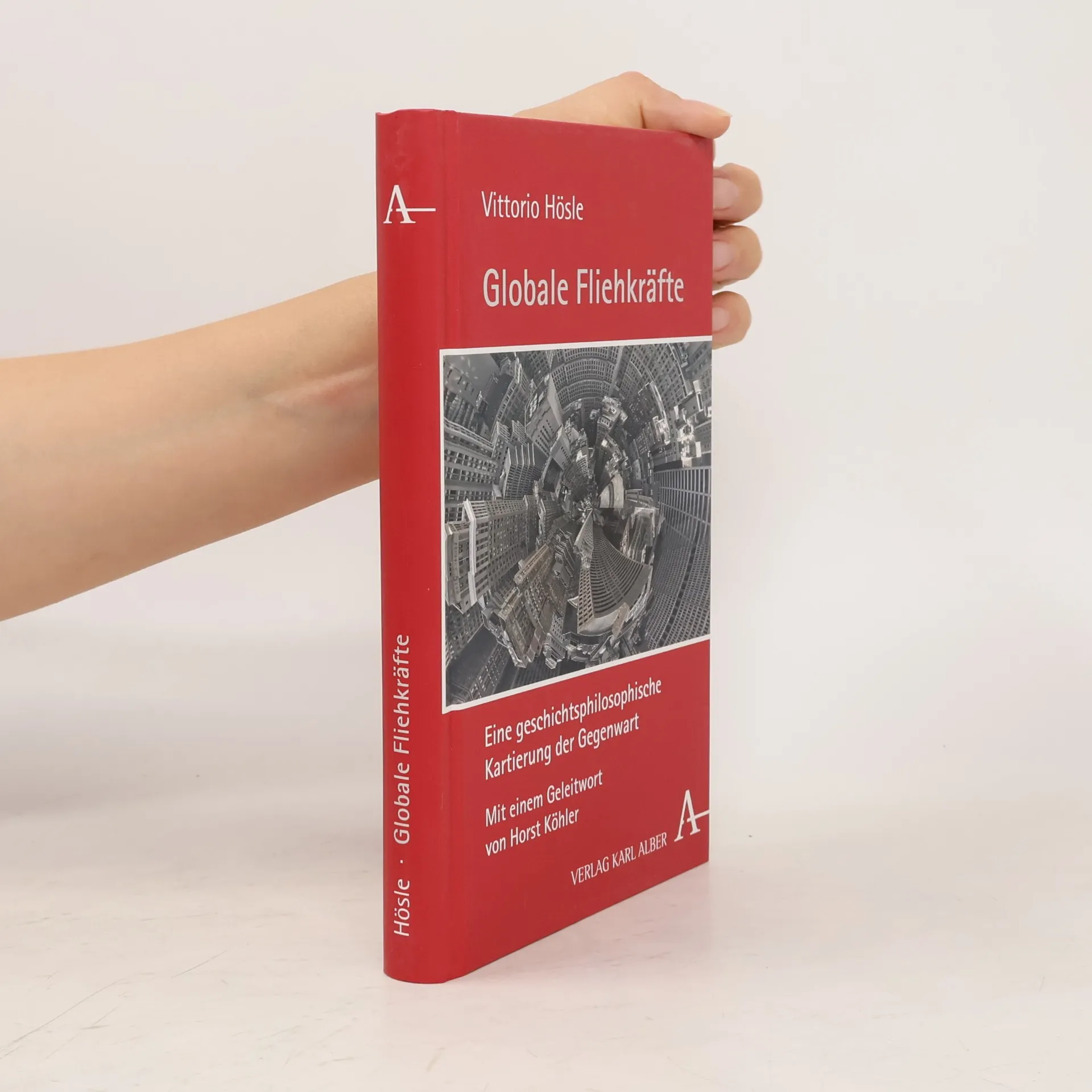
Eine Geschichtsphilosophische Kartierung Der Gegenwart
Was ist gerade los in der Weltpolitik? Seit 2016 gibt es viele Gründe zur Beunruhigung: Rechtspopulisten untergraben die Gewaltenteilung, Separatisten gefährden die EU, Donald Trump spaltet die USA und distanziert sich von Europa, Migrationsbewegungen scheinen unvermeidlich und ein noch nicht vollständig erforschter Virus legt das globale Leben lahm. Vittorio Hösle erklärt, welche wirtschaftlichen und psychosexuellen Veränderungen den Aufstieg der Rechtspopulisten begünstigen, welche intellektuellen Fehlentwicklungen den klassischen Liberalismus zersetzt haben und wie sich die Selbstzerstörung des Westens innerhalb eines geopolitischen Umfelds auswirken wird. Er verbindet dabei Hegels Geschichtsphilosophie des Fortschritts mit Spenglers Theorie des Niedergangs.
Erst gegen Ende seines Lebens wurde der kolumbianische Philosoph Nicolás Gómez Dávila durch sein brillantes Aphorismenwerk international bekannt. Vittorio Hösle hat sich über viele Jahre mit Gómez Dávilas Denken auseinandergesetzt. Im Zuge seiner intensiven Beschäftigung mit dem provokant anachronistischen Autor Gómez Dávila entstanden die Gegenaphorismen, Variationen, Annotationen, die in diesem Band versammelt sind. Sie begründen zugleich ein neues literarisches Genre. Die Einführung in Rezeption, Leben und Denken Gómez Dávilas, die dessen systematischstes Werk, die »Textos«, philosophie- und ideengeschichtlich einordnet, liefert einen unverzichtbaren Beitrag zum Verständnis des »katholischen Reaktionärs aus den Anden«.
Die Verbindung wissenschaftshistorischer und wissenschaftstheoretischer Fragestellungen macht die Eigenart dieses Buches aus. Ohne zwar eine ausgearbeitete philosophische Theorie der Wissenschaften zu sein, nimmt es in sieben Studien konkret Stellung zu philosophischen Voraussetzungen der Natur-, Sozial- und Geisteswissenschaften und zur Bedeutung von deren Ergebnissen für die Idee der Philosophie.
Vittorio Hösle skizziert in diesem Buch die Grundlinien einer Politischen Ethik für das 21. Jahrhundert. In historischer und systematischer Argumentation greift er dabei weit in die politische Geschichte und die Geschichte des Denkens aus, erörtert aber auch umfassend Probleme, die die modernen Naturwissenschaften mit sich gebracht haben. Er wendet sich mit diesem Buch insbesondere an die politisch interessierten, politisch tätigen und politisch verantwortlichen Bürger, die nach einer Ordnung der moralischen Prinzipien suchen, die politischen Handlungen zugrunde liegen sollten.
Das neue Werk von Vittorio Hösle bietet die umfassendste Analyse des philosophischen Dialogs seit über hundert Jahren. Der Autor untersucht diese literarische Gattung und ihre Wesensgesetze anhand zahlreicher Texte von der Antike bis zur Gegenwart. Seine poetisch-hermeneutische Studie beleuchtet die Ästhetik, Ethik und Logik des Gesprächs und kombiniert eine Fülle historischen Materials mit systematischen Interessen. In der Einführung wird die besondere Stellung des Dialogs innerhalb der philosophischen Literatur sowie die Unterscheidung von Dialogtypen und der Zusammenhang von Form und Inhalt behandelt. Der erste Teil widmet sich der Produktion philosophischer Dialoge. Der zentrale zweite Teil analysiert grundlegende Differenzierungen wie die Funktion des Traumes, Raum, Zeit, die Anzahl der Gesprächspartner, Gesprächsformen und -ziele sowie die innere Logik, Ethik und Ästhetik der Dialoge. Im Schlussteil wird die Rezeption der bedeutendsten philosophischen Dialoge thematisiert. Hösle stützt sich nicht nur auf bekannte, sondern auch auf weniger bekannte, jedoch signifikante Dialoge der Philosophiegeschichte. Besonders ausführlich werden Platon, Cicero, Augustinus, Hume und Diderot behandelt, während die behandelten Autoren von der Antike bis zur Gegenwart reichen, einschließlich Iris Murdoch und Paul Feyerabend. Das Werk ist sowohl eine Geschichte des philosophischen Dialogs als auch eine Poetik dieser literarischen Gattung.
Goethe ist der umfassendste deutsche Dichter, Dickens der wohl grosste englische Schriftsteller seit Shakespeare. Bisher ist kaum gesehen worden, wie viel drei von Dickens' Romanen Goethes beruhmtestem Roman, Wilhelm Meisters Lehrjahre, verdanken, dessen Themen sie subtil abwandeln. In diesem Buch geht es aber keineswegs nur um Goethes Einfluss auf Dickens, sondern besonders um die Art und Weise, wie beide Schriftsteller nach der Aufklarung an einer neuen Form christlicher Literatur arbeiten, deren beachtliche Unterschiede viel zu tun haben mit den intellektuellen Unterschieden zwischen Deutschland und England. Eine Analyse von Goethes autobiographischen Schriften, Dichtung und Wahrheit und Italienische Reise, sowie ein methodologisch grundlegender Aufsatz zum Literaturvergleich runden dieses Buch ab, das fuer Germanisten, Anglisten und Philosophen gleichermaaen gedacht ist.
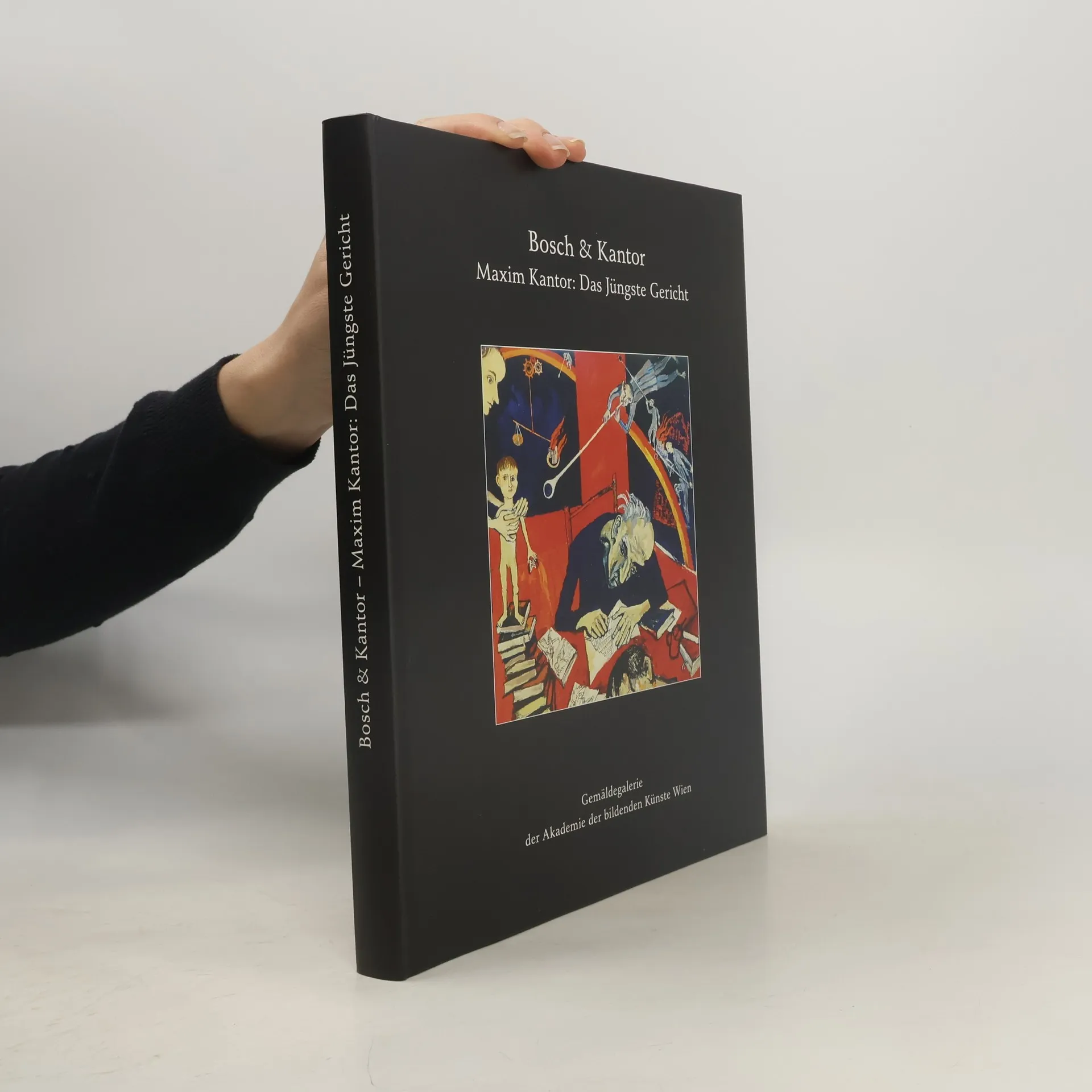
The heart of the Paintings Gallery of the Academy of Fine Arts Vienna is 'The Last Judgment' by Hieronymus Bosch (c. 1450/55 ? 1516). Bosch did not create a traditional Last Judgment; it is a morality painting that dramatically reveals to Christian viewers the punishment that awaits the seven deadly sins - the entire central panel is dedicated to this theme. In temporary shows at regular intervals, works by different artists are set in a dialogue with the Last Judgment, revealing surprising connections between the various media and works, and offering a variety of perspectives on Bosch's painting. Whether the pieces on show are paintings, graphic works, sculptures, video works, or photographs, these dialogues allow visitors to discover new facets of Bosch's 500-year-old masterpiece. Exhibition: Akademie der Bildenden Künste, Gemäldegalerie zu Gast im Theatermuseum, Wien, Austria (04.10.2018 - 20.01.2019).