

William M. Hutchins Orden de los libros (cronológico)
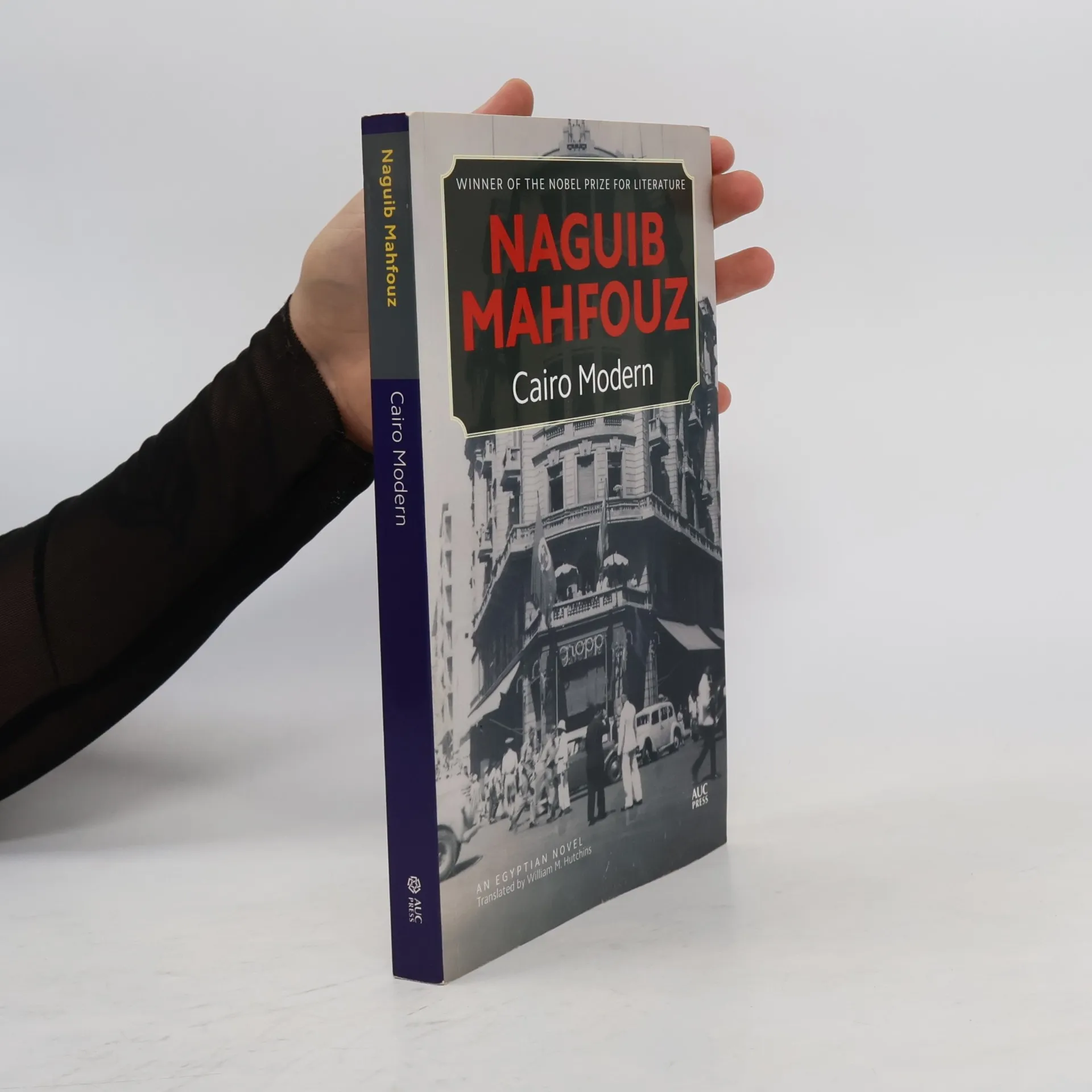

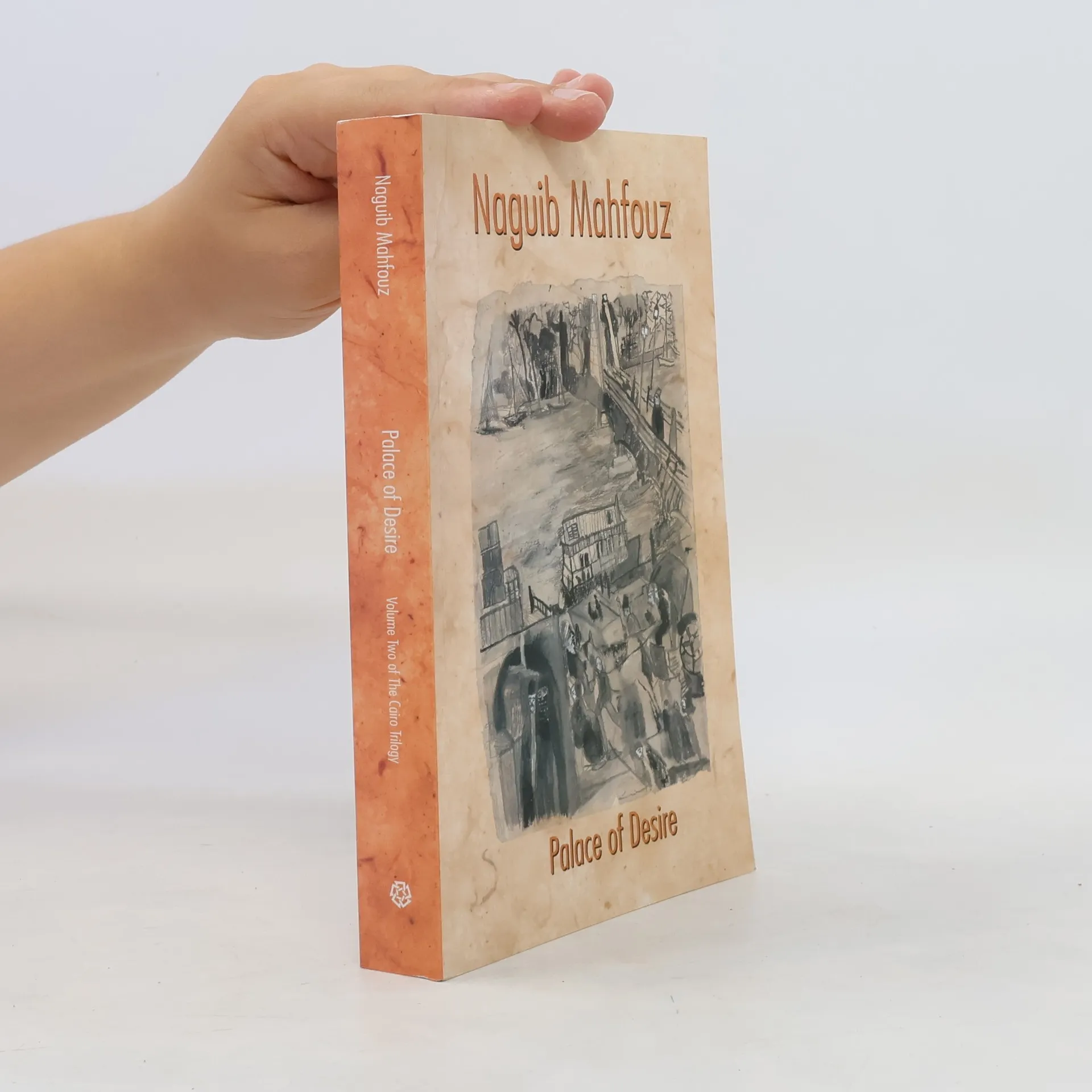
Palace of Desire
- 422 páginas
- 15 horas de lectura
The second volume of the highly acclaimed Cairo Trilogy from the winner of the Nobel Prize for Literature. Filled with compelling drama, earthy humor, and remarkable insight, Palace Of Desire is the unforgettable story of the violent clash between ideals and realities, dreams and desires.
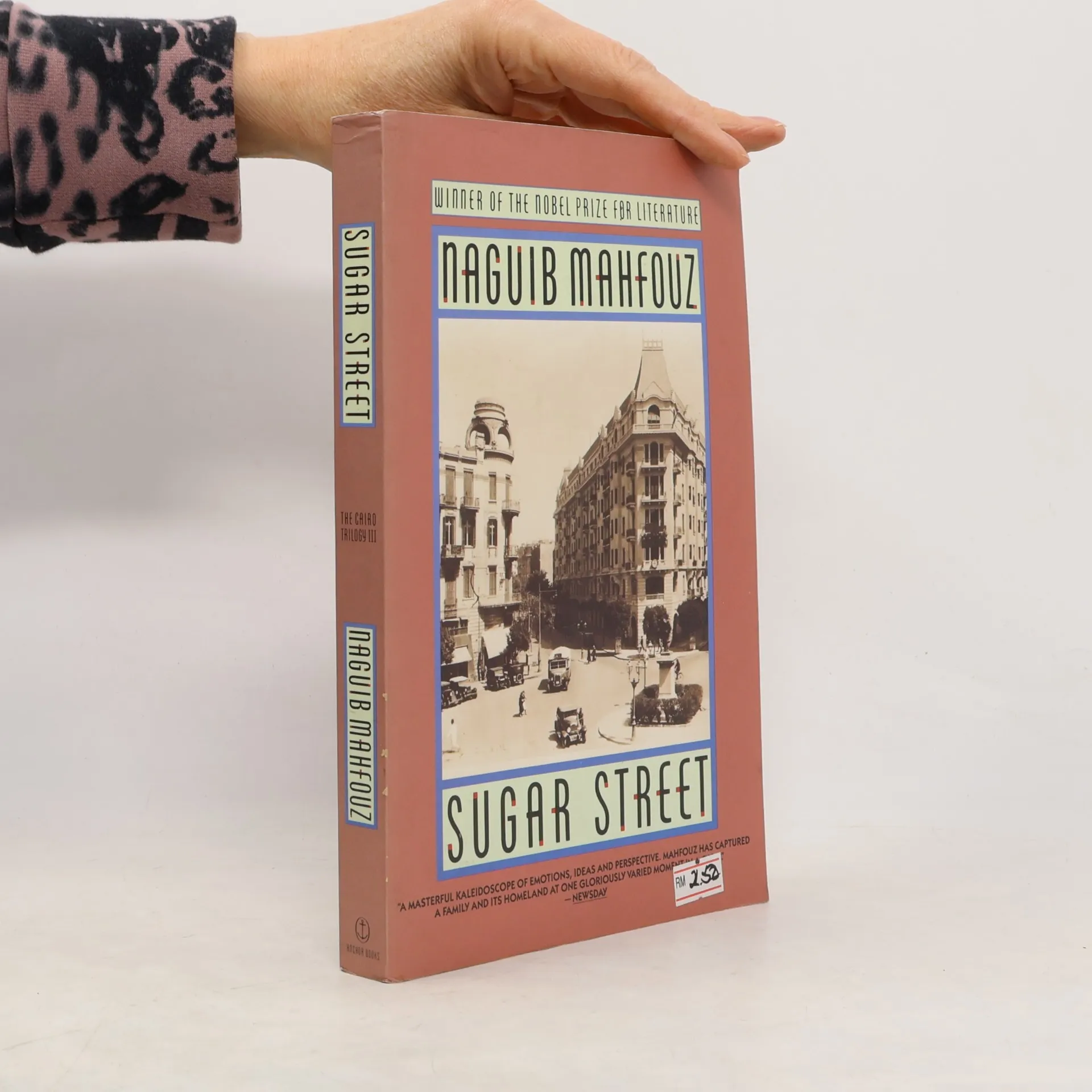
The Cairo Trilogy - 3: Sugar Street
- 308 páginas
- 11 horas de lectura
Master storyteller Naguib Mahfouz crowns his best-selling "Cairo Trilogy" with this final chronicle of the Abdal-Jawad clan, climaxing the story begun in "Palace Walk" and continued in "Palace Of Desire."
Ahmad Abd el-Gawwad tiene sometida a su esposa Amina hasta la humillación bajo el férreo yugo de la ley musulmana. Sin embargo, en el barrio es un hombre jovial, aficionado al buen vino y seductor con las mujeres. Los hijos de ambos, Yasín, enamorado como su padre de los placeres mundanos, Jadiga, autoritaria y poco agraciada, Fahmi, impregnado de ideales nacionalistas, Aisha, la bella y el travieso Kamal, son también víctimas directas de la moral hipócrita de Ahmad y viven en un continuo miedo a importunar sus deseos. El enclaustramiento, la resignación, el amor, la política, la religión, la prostitución...son los temas de esta narración de interiores atormentados. Entre dos palacios es el primer volumen de la trilogía. Obra cumbre de Naguib Mahfuz, junto con El palacio del deseo y La azucarera, constituye el retrato de El Cairo por excelencia, una visión, a un tiempo lúcida y cáustica, que ha trascendido épocas y fronteras.
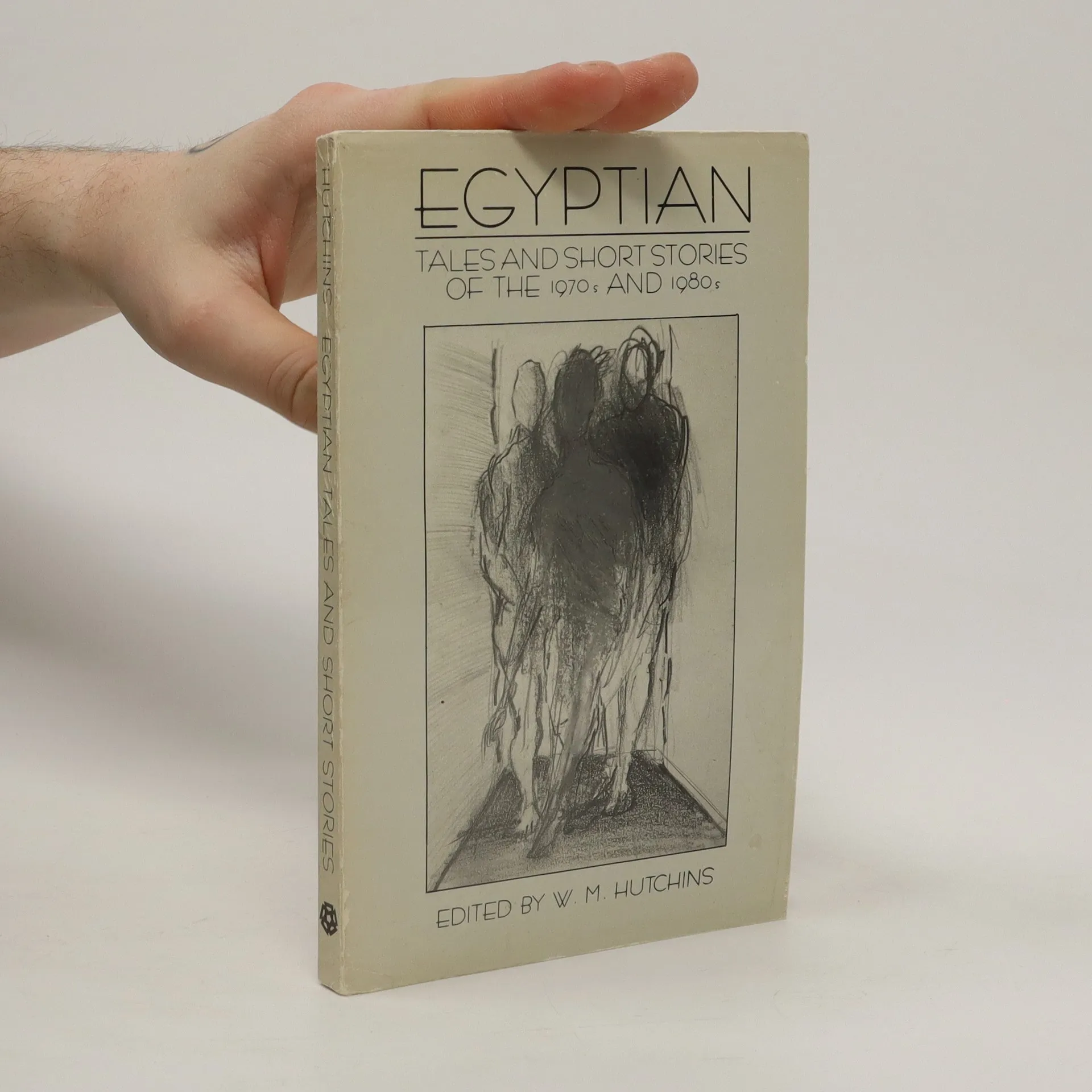
Egyptian tales and short stories of the 1970s and 1980s
- 188 páginas
- 7 horas de lectura
From extraordinary folk tales to intriguing character sketches, "The Eleven O'Clock Train" introduces the works of Egyptian writers to the international stage. The thirty-two short stories in this anthology showcase a variety of themes and settings - urban, rural, contemporary, timeless, political, realistic, and bizarre - all stirring our hearts with profound questions of humanity. The stories are arranged to reflect the cycle of life, beginning with engagement, marriage, birth, childhood, various adult activities, relationships with parents, and ultimately, death. This anthology can be seen as an effort to introduce contemporary Egyptian society alongside modern Egyptian literature.