

Compra 10 libros por 10 € aquí!
Bookbot

Clemens Sedmak

    6 de agosto de 1971
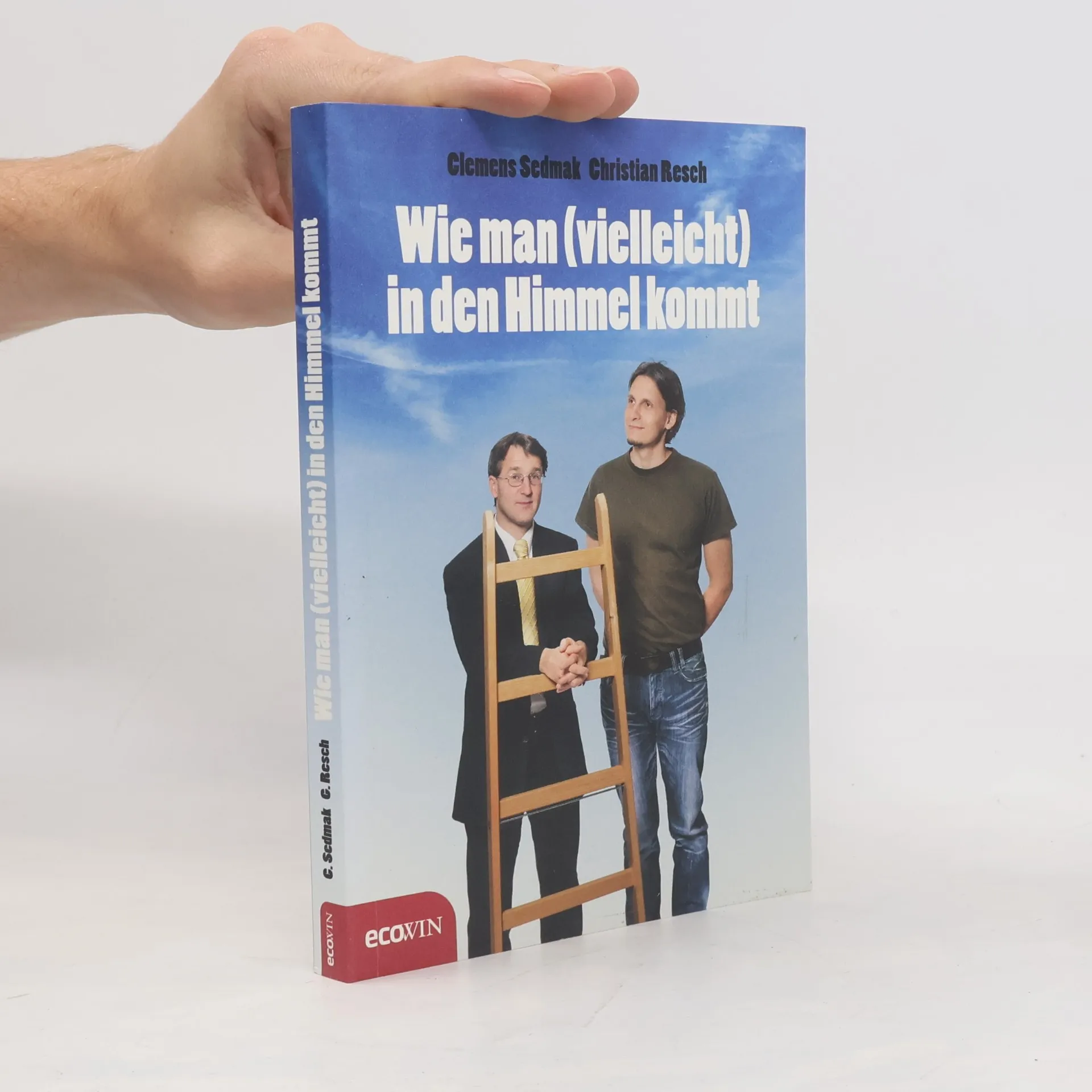
    Wie man (vielleicht) in den Himmel kommt
    Ans Herz gelegt
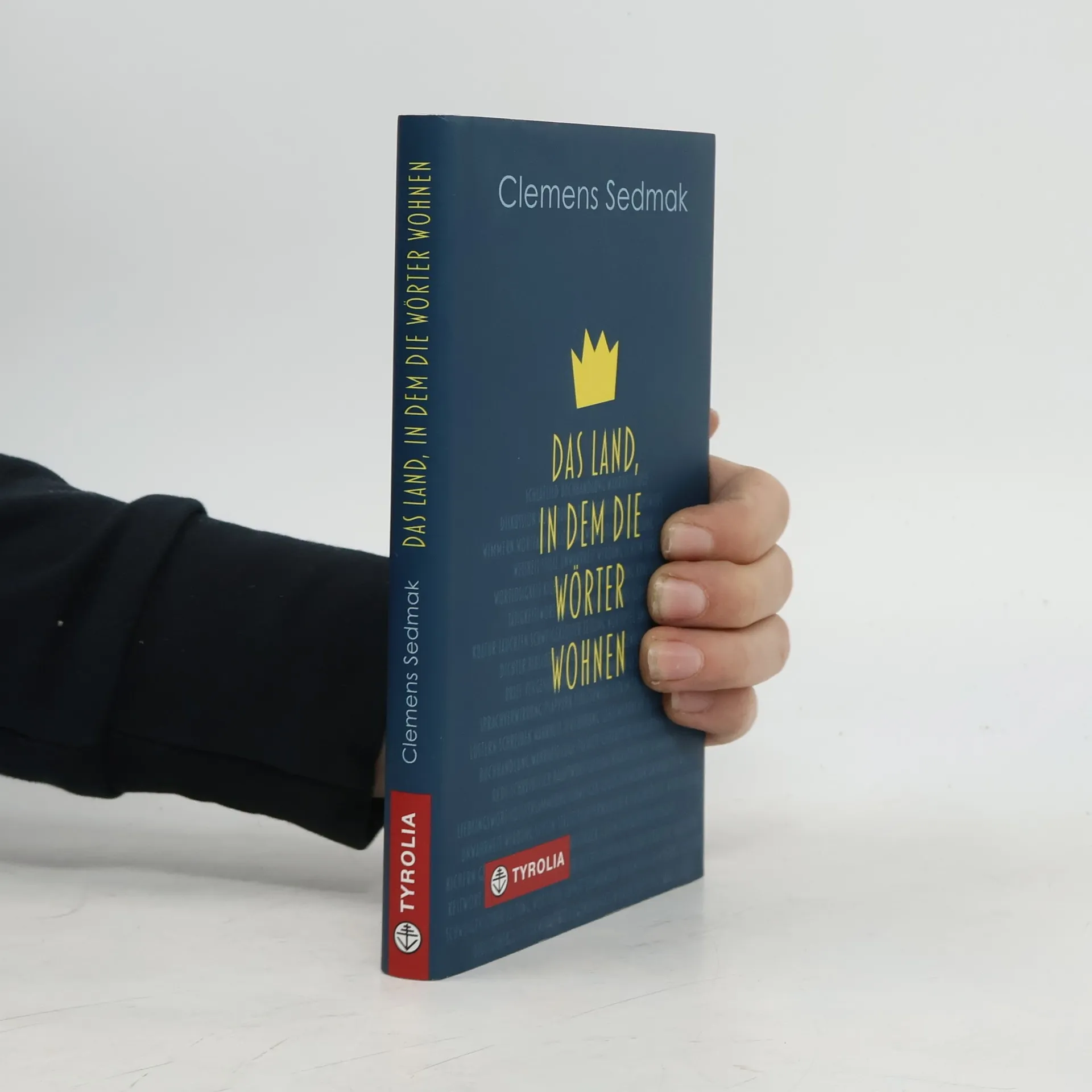
    Das Land, in dem die Wörter wohnen
    Stress and Poverty
    Enacting Catholic Social Tradition: The Deep Practice of Human Dignity
    Studies in Global Justice: Ethical Issues in Poverty Alleviation
    • This book explores the philosophical, and in particular ethical, issues concerning the conceptualization, design and implementation of poverty alleviation measures from the local to the global level. It connects these topics with the ongoing debates on social and global justice, and asks what an ethical or normative philosophical perspective can add to the economic, political, and other social science approaches that dominate the main debates on poverty alleviation. Divided into four sections, the volume examines four areas of concern: the relation between human rights and poverty alleviation, the connection between development and poverty alleviation, poverty within affluent countries, and obligations of individuals in regard to global poverty. An impressive collection of essays by an international group of scholars on one of the most fundamental issues of our age. The authors consider crucial aspects of poverty alleviation: the role of human rights; the connection between development aid and the alleviation of poverty; how to think about poverty within affluent countries (particularly in Europe); and individual versus collective obligations to act to reduce poverty. Judith Lichtenberg Department of Philosophy Georgetown University This collection of essays is most welcome addition to the burgeoning treatments of poverty and inequality. What is most novel about this volume is its sustained and informed attention to the explicitly ethical aspects of poverty and poverty alleviation. What are the ethical merits and demerits of income poverty, multidimensional-capability poverty, and poverty as nonrecognition? How important is poverty alleviation in comparison to environmental protection and cultural preservation? Who or what should be agents responsible for reducing poverty? The editors concede that their volume is not the last word on these matters. But, these essays, eschewing value neutrality and a retreat into technical mastery, challenge us to find fresh and reasonable answers to these urgent questions. David A. Crocker School of Public Policy University of Maryland

      Studies in Global Justice: Ethical Issues in Poverty Alleviation
    • Exploring the intersection of faith and contemporary social issues, this book delves into Catholic theology and ethics, offering insights into how religious beliefs can inform moral decision-making. It addresses pressing social challenges while encouraging readers to engage with their faith in practical ways. The cover design by Diane Mastrogiulio complements the thought-provoking content, making it a valuable resource for those seeking to deepen their understanding of Christian living in today's world.

      Enacting Catholic Social Tradition: The Deep Practice of Human Dignity
    • Stress and Poverty

      A Cross-Disciplinary Investigation of Stress in Cells, Individuals, and Society

      • 256 páginas
      • 9 horas de lectura

      The book explores the profound impact of language on human experience, examining how words shape thoughts, emotions, and relationships. It delves into the intricacies of communication, the evolution of language, and its role in society. Through various examples and insights, the author illustrates the power of words to connect and divide, inspire and manipulate. The narrative invites readers to reflect on their own interactions and the significance of language in their lives, making it a thought-provoking read for anyone interested in linguistics and human connection.

      Stress and Poverty
    • Ein philosophisches Märchen beginnt mit einem Vater, der begeistert von seiner Bergwanderung erzählt, doch plötzlich kann er das passende Wort nicht finden. Diese Situation, die an beginnende Demenz erinnert, entwickelt sich zu einer Katastrophe für die Menschheit: Logos, der König der Wörter, sieht die Notwendigkeit, eine Vollversammlung einzuberufen und zieht alle Wörter von der Erde ab. Die Menschen verstummen, während die Wörter in ihrem Reich beraten. Werden sie zurückkehren? Werden sie den Menschen eine zweite Chance geben? In märchenhaftem Stil thematisiert der Philosoph Clemens Sedmak die aktuelle Debatte über Fake News und Lügenpresse und plädiert eindringlich für den sorgsamen Umgang mit Wörtern und Botschaften sowie für das Streben nach Wahrheit und Zeiten der Stille. Der König der Wörter äußert seine Besorgnis über die Zunahme von Lügen und falschen Worten, die die Wahrheit verdrängen. Er fürchtet, dass die Wörter, die die Wahrheit ausdrücken, aussterben könnten, und dass die Menschen Angst vor der Wahrheit haben. Dieses Werk bietet eine stilvolle Lebensweisheit und ist für alle, die den kleinen Prinzen lieben, von Bedeutung.

      Das Land, in dem die Wörter wohnen
    • Ans Herz gelegt

      Die vielen Sprachen der Liebe. Über die Spielarten der Liebe in Form von Briefen

      Jeder Mensch will anders geliebt werden Über die Spielarten der Liebe in Form von Briefen Liebe zeigt sich in vielen Formen, als Liebe zu Partnerin oder Partner, als Liebe zu Eltern, zu Kindern, zu Freunden, als Liebe zu Lehrerinnen und Lehrern, als Feindesliebe, als Liebe zu Fremden und Bedürftigen. Liebe ist anspruchsvoll und es ist nicht immer leicht, den Weg der Liebe zu gehen. Gleichzeitig sind wir davon überzeugt, dass die Kunst der Liebe die höchste Kunst ist. Es ist eine Kunst, einen Menschen in schwierigen Zeiten zu lieben. In Form von Briefen geht Clemens Sedmak der Liebe nach. Jeder Brief ist persönlich adressiert, jeder Brief hat seine eigene Botschaft und seine eigene Geschichte. Das Persönliche ist mit Einsichten über die Liebe verbunden, zeigt Konturen gelebter Liebe auf. So formen sich Antworten auf die Frage: Was heiβt es, einen Menschen zu lieben? „All die äußeren Aktivitäten sollen nicht darüber hinwegtäuschen, dass es im Leben um eines geht. Es in der Kunst der Liebe, wie es Erich Fromm genannt hat, möglichst weit zu bringen.“ Clemens Sedmak Tipps: Lebenskunst stilvoll verpackt Sedmaks Buch „Das Gute leben“ (4. Auflage) stand 2015 wochenlang auf Platz 1 der GfK-Ratgeber-Bestsellerliste für Österreich

      Ans Herz gelegt
    • Früher war alles ganz einfach. Es gab keine Internetpornografie und keine politische Opposition. Die Zeugen Jehovas hießen „Bibelforscher“, man hatte fast überhaupt keinen Sex vor der Ehe. Muslime gab es nur in Afrika. Am Sonntag ging man in die Kirche und nachher zum Kirchenwirt. Man hatte einen Herrgottswinkel und trat nicht aus der Kirche aus. Niemand war aus Lifestylegründen Buddhist. Kurzum: Man lebte gottgefällig. Automatisch. Heute ist alles kompliziert. Wie soll man bloß im 21. Jahrhundert ein christliches Leben führen? Christian Resch, Agnostiker und Journalist, weiß, dass sein Weg in den Himmel ein harter werden wird – und will es trotzdem versuchen. Clemens Sedmak, renommierter Theologe und Philosoph, erklärt sich bereit, ihm dabei zu helfen.

      Wie man (vielleicht) in den Himmel kommt
    • Menschenwürdiges Arbeiten

      Eine Herausforderung für Gesellschaft, Politik und Wissenschaft

      • 192 páginas
      • 7 horas de lectura

      Das Buch untersucht die Herausforderungen von Erwerbsarbeit für Gesellschaft, Politik und Wissenschaft seit den 1970er Jahren. Es beleuchtet die Debatte um Arbeitsformen, staatliche Aufgaben und den Umgang mit Arbeitslosigkeit aus interdisziplinärer Perspektive, einschließlich Sozialphilosophie, Soziologie und Ökonomie.

      Menschenwürdiges Arbeiten