

Compra 10 libros por 10 € aquí!
Bookbot

Catherine M. Pittman

    Angst und Panik erfolgreich überwinden
    Ako poraziť úzkosť
    50 Ways to Rewire Your Anxious Brain
    Taming Your Amygdala
    Rewire your anxious brain : how to use the neuroscience of fear to end anxiety, panic & worry
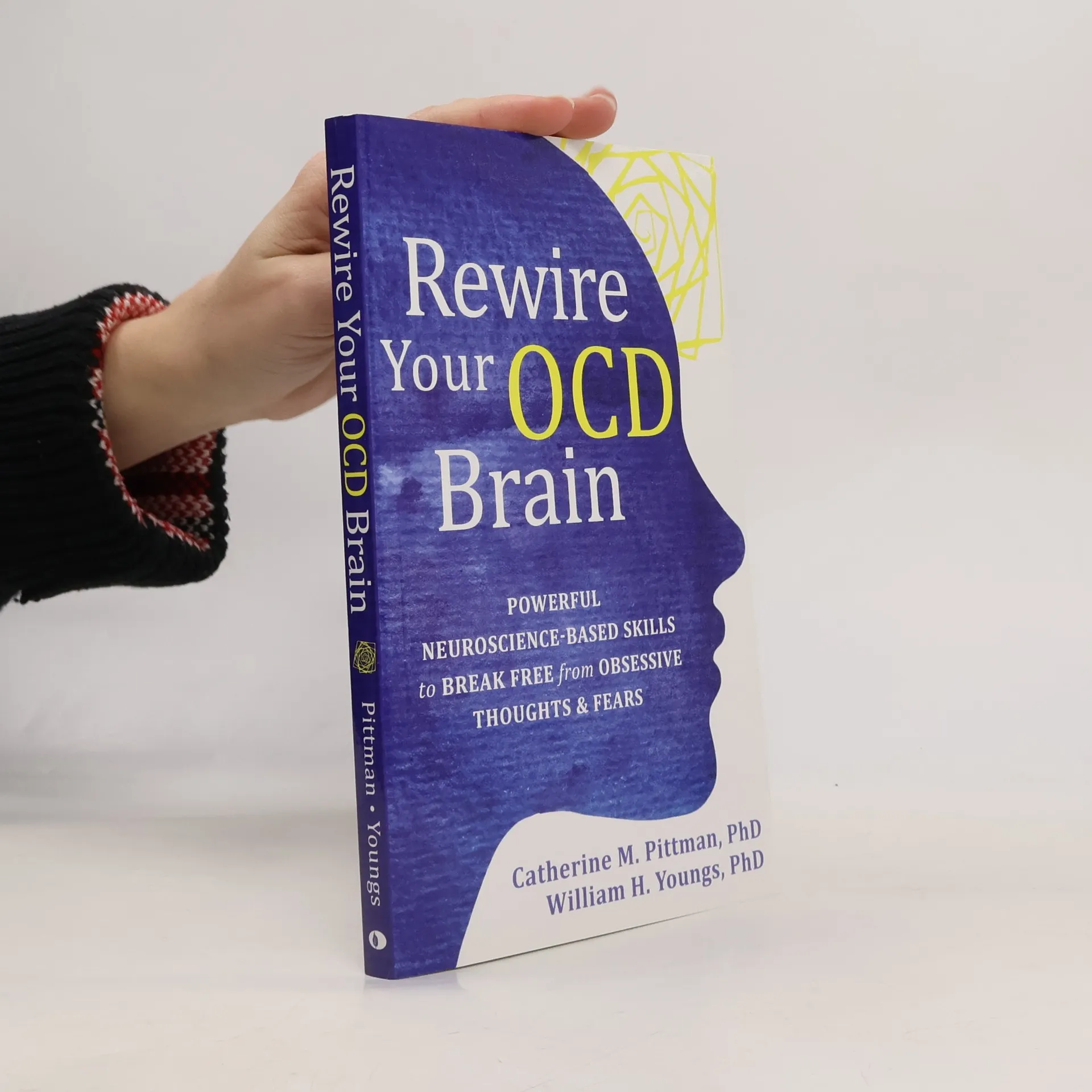
    Rewire Your OCD Brain
    • Rewire Your OCD Brain

      • 216 páginas
      • 8 horas de lectura

      Rewire the brain processes that cause obsessions and compulsions--and take back your life! If you've ever wondered why you seem to get trapped in an endless cycle of obsessive, compulsive thoughts, you don't have to wonder anymore. Grounded in cutting-edge neuroscience and evidence-based cognitive behavioral therapy (CBT), Rewire Your OCD Brain will show you how and why your brain gets stuck in a loop of obsessive thinking, uncertainty, and worry; and offers the tools you need to short-circuit this response and get your symptoms under control--for good. Written by clinical psychologist Catherine Pittman and clinical neuropsychologist William Youngs, this groundbreaking book will show how neurological functions in your brain lead to obsessions, compulsions, and anxiety. You'll also find tons of proven-effective coping strategies to help you manage your worst symptoms--including relaxation, exercise, healthy sleep habits, cognitive restructuring, cognitive defusion, distraction, and mindfulness. The brain is powerful, and the more you work to change the way you respond to obsessive thoughts, the more resilient you'll become. If you're ready to rewire the brain processes that lie at the root of your obsessive thoughts, this book has everything you need to get started today.

      Rewire Your OCD Brain
    • In Rewire Your Anxious Brain, a clinical psychologist offers readers a unique, evidence-based solution to overcoming anxiety based in cutting-edge neuroscience and research. In the book, readers will learn how the amygdala and cortex (both important parts of the brain) are essential players in the neuropsychology of anxiety. Using the practical self-assessments and proven-effective techniques in the book, readers will learn to "rewire" the brain processes that lie at the root of their fears.

      Rewire your anxious brain : how to use the neuroscience of fear to end anxiety, panic & worry
    • Taming Your Amygdala

      Brain-Based Strategies to Quiet the Anxious Mind

      • 170 páginas
      • 6 horas de lectura

      Exploring the depths of anxiety, this book delves into the pervasive feelings of unease and the impact of persistent worry about others' perceptions. It addresses the struggles with phobias and the overwhelming nature of panic attacks, offering insights into the psychological challenges faced by individuals. Through relatable experiences, it aims to illuminate the complexities of living with anxiety and the journey toward understanding and managing these feelings.

      Taming Your Amygdala
    • Ako poraziť úzkosť

      • 272 páginas
      • 10 horas de lectura

      Aby ste úzkosť mohli liečiť, musíte vedieť, čo ju spúšťa. Ľudia, ktorí zápasia so záchvatmi úzkosti, si často neuvedomujú mechanizmy tohto pocitu. Neuroveda ich definuje veľmi presne – strach sa rodí v amygdale, ktorá je zodpovedná za fyzické príznaky, ako je zvýšená srdcová frekvencia alebo krvný tlak, a v mozgovej kôre, ktorá je spájaná s našimi myšlienkami, predstavivosťou, so znepokojením, s obsesiami a neustálym premýšľaním. Rozpoznajte a odstráňte príznaky prichádzajúceho panického záchvatu, upokojte svoj vnútorný strach počas zaspávania alebo upravte svoje negatívne myšlienkové vzorce. Mozog a spôsob myslenia sa dajú preprogramovať, a vy tak môžete získať opäť kontrolu nad vlastným životom.

      Ako poraziť úzkosť
    • Nicht wenige Menschen leiden unter Angststörungen und erleben dadurch eine große Einschränkung ihrer Lebensqualität. Doch was passiert in unserem Gehirn, wenn wir Angst oder Panik verspüren? Angstgefühle haben ihren Ursprung in zwei der Amygdala und der Hirnrinde. Basierend auf aktuellsten neurowissenschaftlichen Forschungsergebnissen zeigt dieses Buch, wie Ängste im Gehirn entstehen und wie man mit bestimmten Übungen sein Gehirn »umprogrammieren« und der Entstehung von Ängsten an der Quelle entgegenwirken kann.

      Angst und Panik erfolgreich überwinden
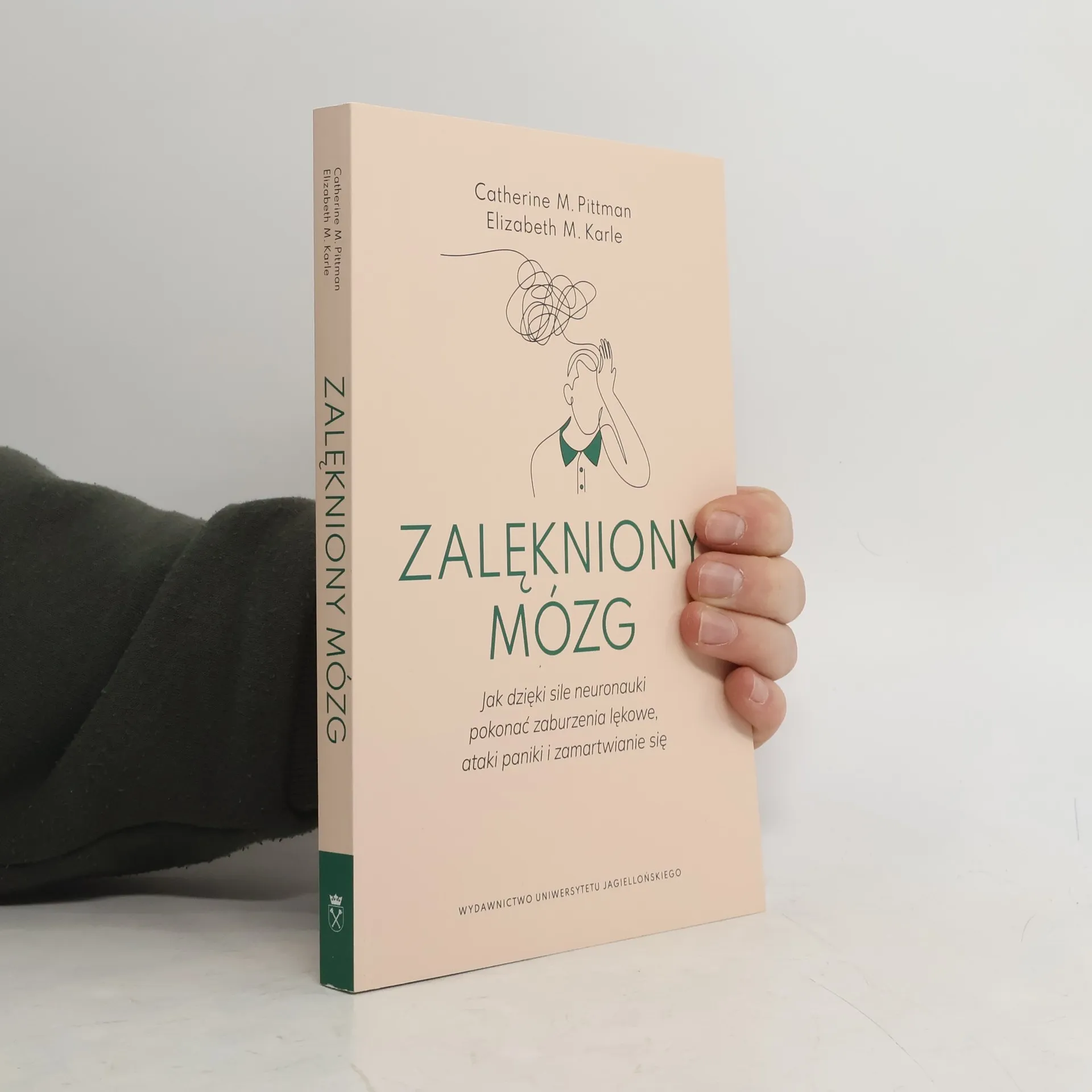
    • Przeprogramuj swój sposób myślenia i zacznij żyć bez lęku! Osoby zmagające się z napadami lęku często nie są świadome mechanizmów i miejsc powstawania tego odczucia. Neuronauka określa je bardzo precyzjnie - lęk rodzi się w ciele migdałowatym odpowiadającym za reakcje na zewnętrzne bodźce typu „walcz lub uciekaj” oraz w korze mózgowej związanej z naszymi myślami, czyli zamartwianiem się, obsesjami i ruminacjami. Co jednak ważniejsze, współczesna wiedza o budowie mózgu pozwala nam wreszcie przejąć nad nim kontrolę! Autorki przedstawiają sprawdzone strategie walki z lękiem oparte na najnowszych badaniach w dziedzinie neuronauki. W zrozumiały sposób omawiają, w jaki sposób lęk powstaje w mózgu i pokazują, jak wykorzystać te informacje w praktyce. Zawarte w książce ćwiczenia i wskazówki uczą m.in., jak rozpoznawać i eliminować objawy nadchodzącej paniki, wyciszać lęk przed zaśnięciem czy modyfikować negatywne schematy myślowe – a tym samym odzyskać panowanie nad własnym życiem. „Jest to publikacja niezwykła pośród wielu książek samopomocowych dla osób z zaburzeniami lękowymi. Autorki przedstawiają wiedzę na temat funkcjonowania mózgu w przystępny sposób, który nie przytłacza czytelnika specjalistyczną terminologią. Neuronauka staje się podstawą strategii zmniejszania poczucia dezorientacji, strachu i wstydu”. – Sally Winston, doktor psychologii, dyrektor Anxiety and Stress Disorders Institute of Maryland w Towson „Dzięki temu poradnikowi odkryjesz tajemnice strachu, fobii, paniki i niepokoju, a także poznasz strategie, które zwiększą twoją odporność psychiczną”. – Reid Wilson, autor książki Don’t Panic Catherine Pittman jest profesorem nadzwyczajnym Saint Mary’s College w Notre Dame w stanie Indiana. Jako psycholog kliniczny specjalizuje się w leczeniu uszkodzeń mózgu i zaburzeń lękowych, prowadzi też prywatną praktykę w South Bend. Jest członkiem Anxiety and Depression Association of America (ADAA). Organizuje warsztaty i seminaria dotyczące lęku i stresu. Elizabeth M. Karle zarządza księgozbiorem Cushwa-Leighton Library w Saint Mary’s College w Notre Dame. Współpracując z Catherine Pittman, dzieli się nie tylko wynikami badań naukowych, lecz także własnym doświadczeniem osoby cierpiącej na zaburzenia lękowe.

      Zalękniony mózg. Jak dzięki sile neuronauki pokonać zaburzenia lękowe, ataki paniki i zamartwianie się