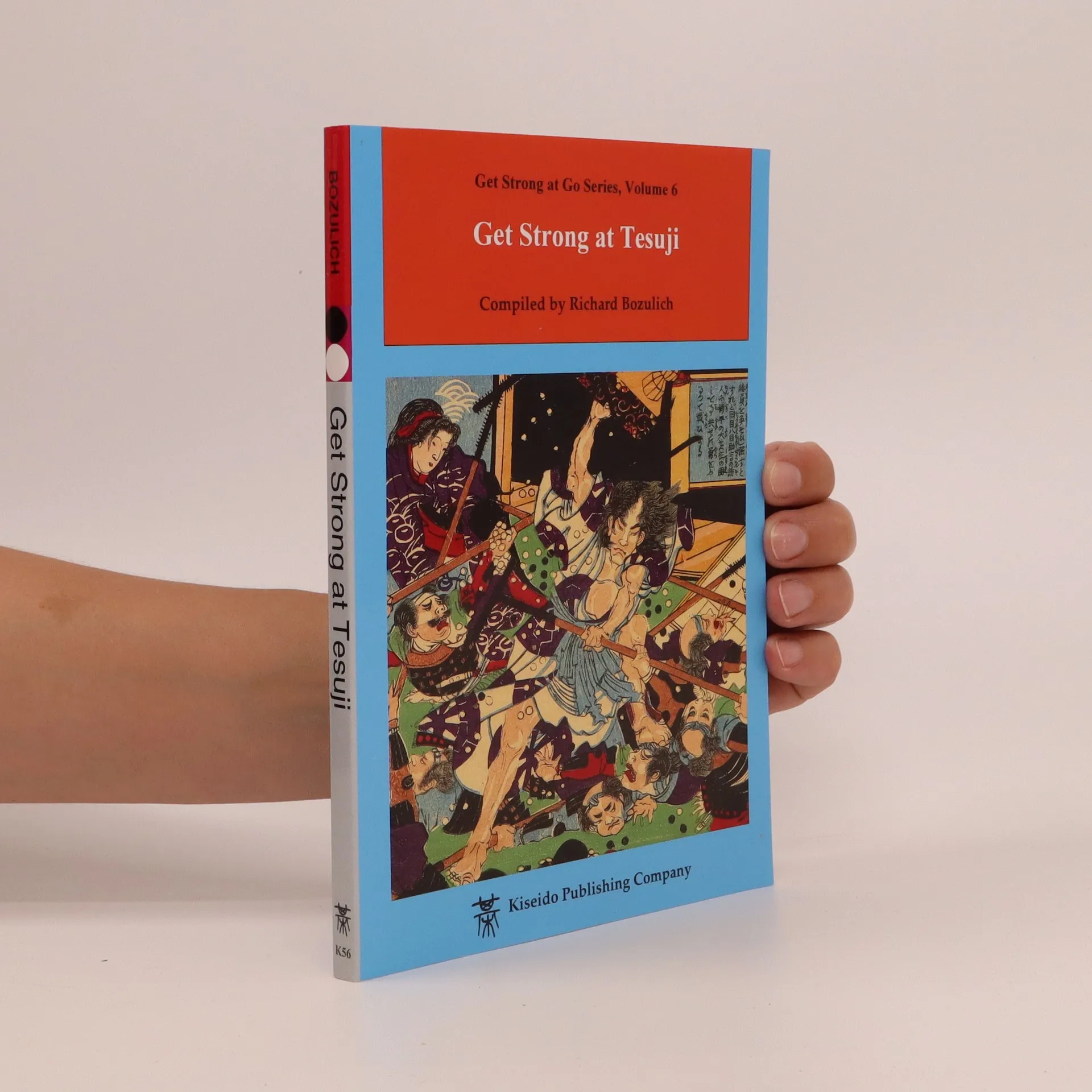
The fastest way to become strong at go is to constantly study tesuji and life-and-death problems. But they also advise you not to study difficult problems. Easy problems, they say, are the most beneficial, even for dan-level players. In other words, quantity of problems studied rather than difficulty is the key to becoming strong. In this way, you will familiarize yourself with the key moves in all kinds of patterns, thereby developing your tesuji intuition that will help you zero in on the key points that arise in your games.This is the perfect book for studying tesuji. Aimed at the player who has just learned the rules and played a few games, Get Strong at Tesuji contains 534 problems that will develop your tesuji intuition to the level of a dan player. The problems are divided into three levels of easy (10-kyu to 5-kyu), intermediate (5-kyu to 1-kyu), and advanced (5-kyu to 1-kyu). There are also a few dan-level problems toward the end of the book so that you can judge your progress after tackling the other problems.
Richard Bozulich Libros

Five Hundred and One Opening Problems
- 270 páginas
- 10 horas de lectura
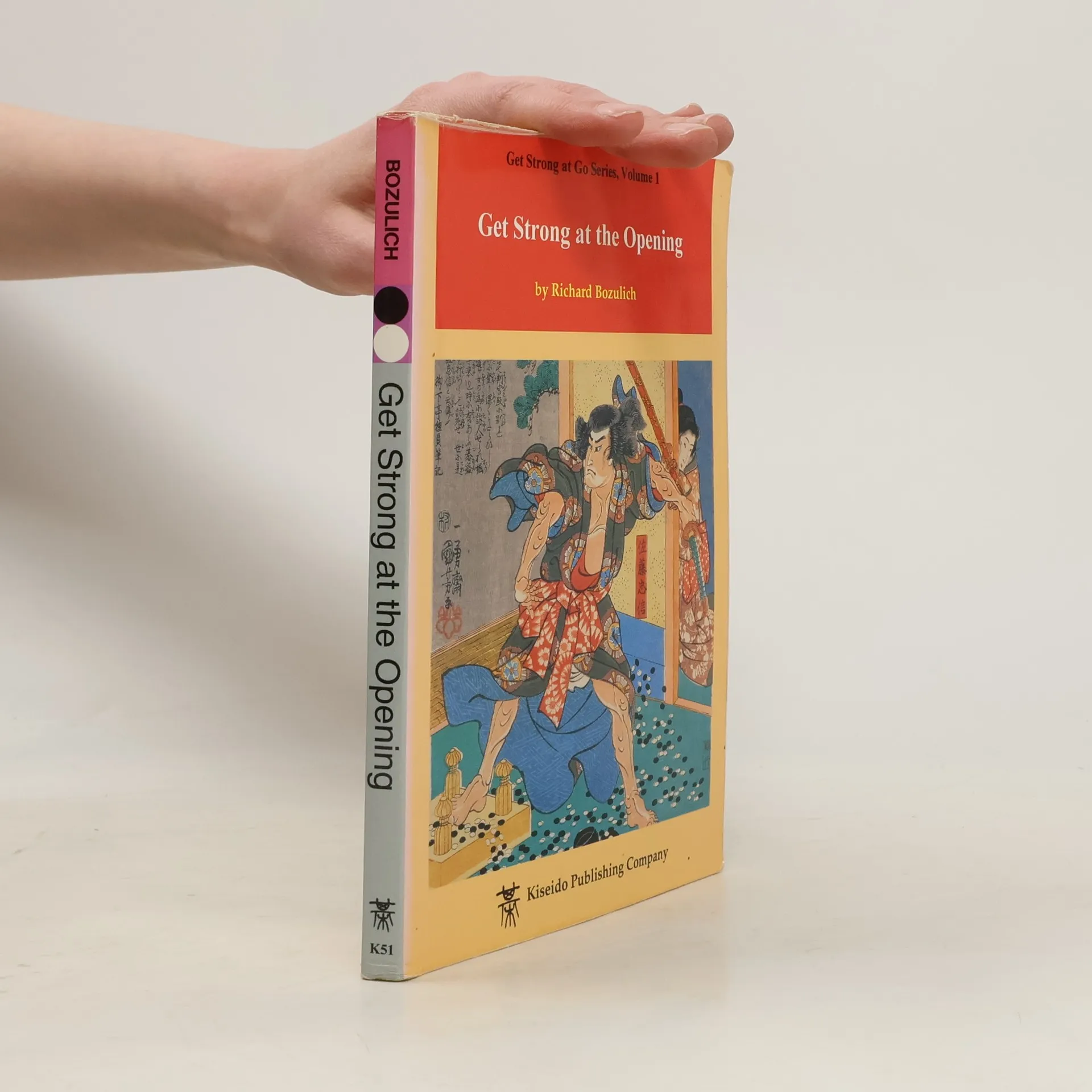
Get Strong at the Opening
- 164 páginas
- 6 horas de lectura
175 problems in the opening (fuseki) ranging in difficulty from easy to difficult. This book is an ideal introduction to the field of fuseki and should be studied by every beginning player. The problems begin with an analysis of the Chinese, niren-sei, sanren-sei, Shusaku, and tatsuki (diagonal) fusekis as well as other important opening strategies. The remainder of the problems are designed to hammer home to the reader the basic principles of the fuseki.
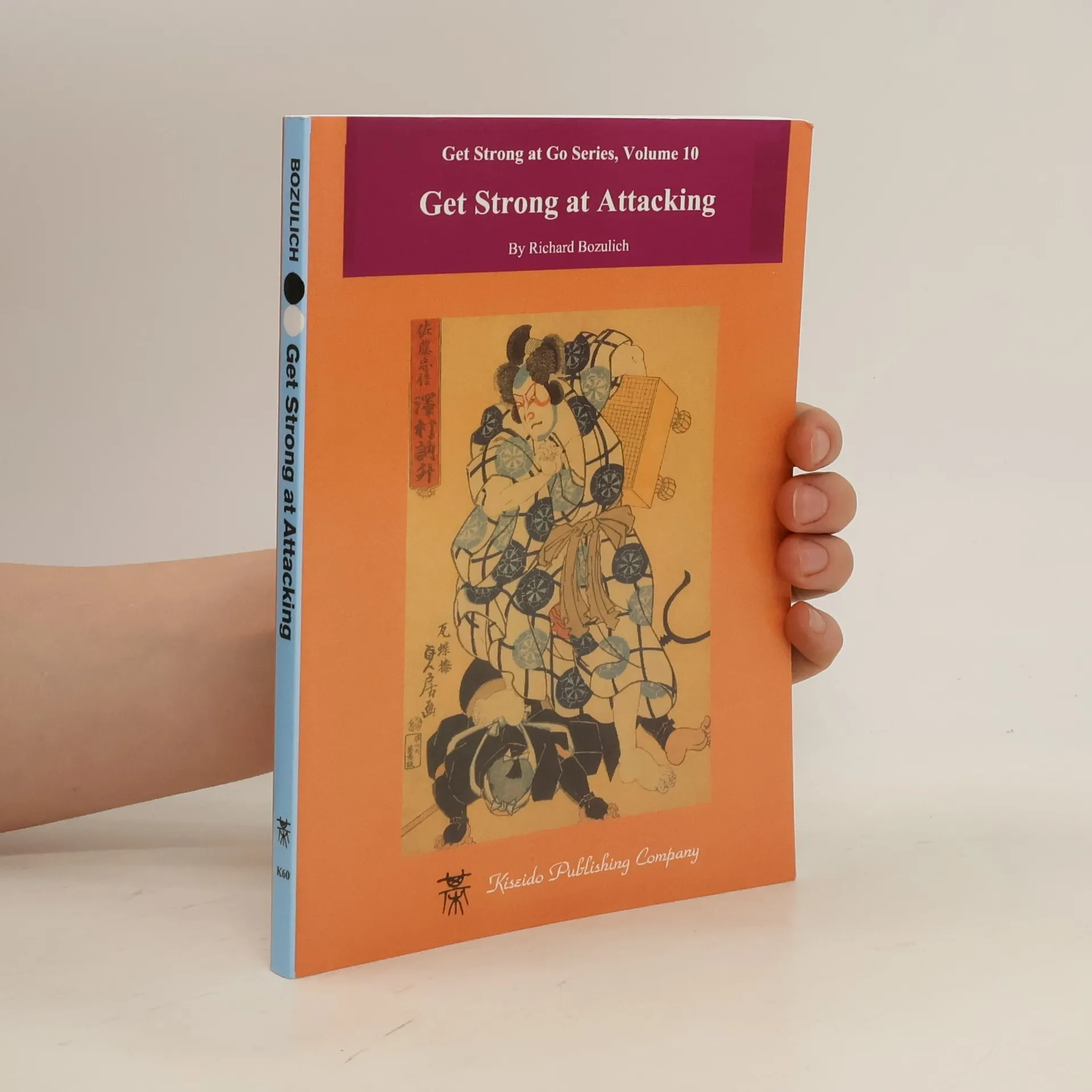
Get Strong at Attacking covers an often neglected phase of go: attacking in the middle game. Accurate analysis, spotting tesujis, and killing or rescuing stones are the backbone of middle-game strength. But creating or finding vulnerable stones, then attacking them correctly is an equally important technique and one that many amateurs are deficient in. The 136 problems in this book illustrate: - The importance of securing your own stones before attacking; in which direction to attack, taking into account the strength and weakness of your own stones and those of your opponent's; - When it is advantageous to confine your opponent's stones or when it is better to gouge out their eye space; - How to execute leaning attacks, that is, attacking stones in one part of the board in order to build strength to capture or threaten stones elsewhere; - Splitting attacks, where stones are separated into two groups and both are put under siege; - That the ultimate purpose of attacking is not to kill your opponent's stones but to threaten them so as to secure territory or build influence.
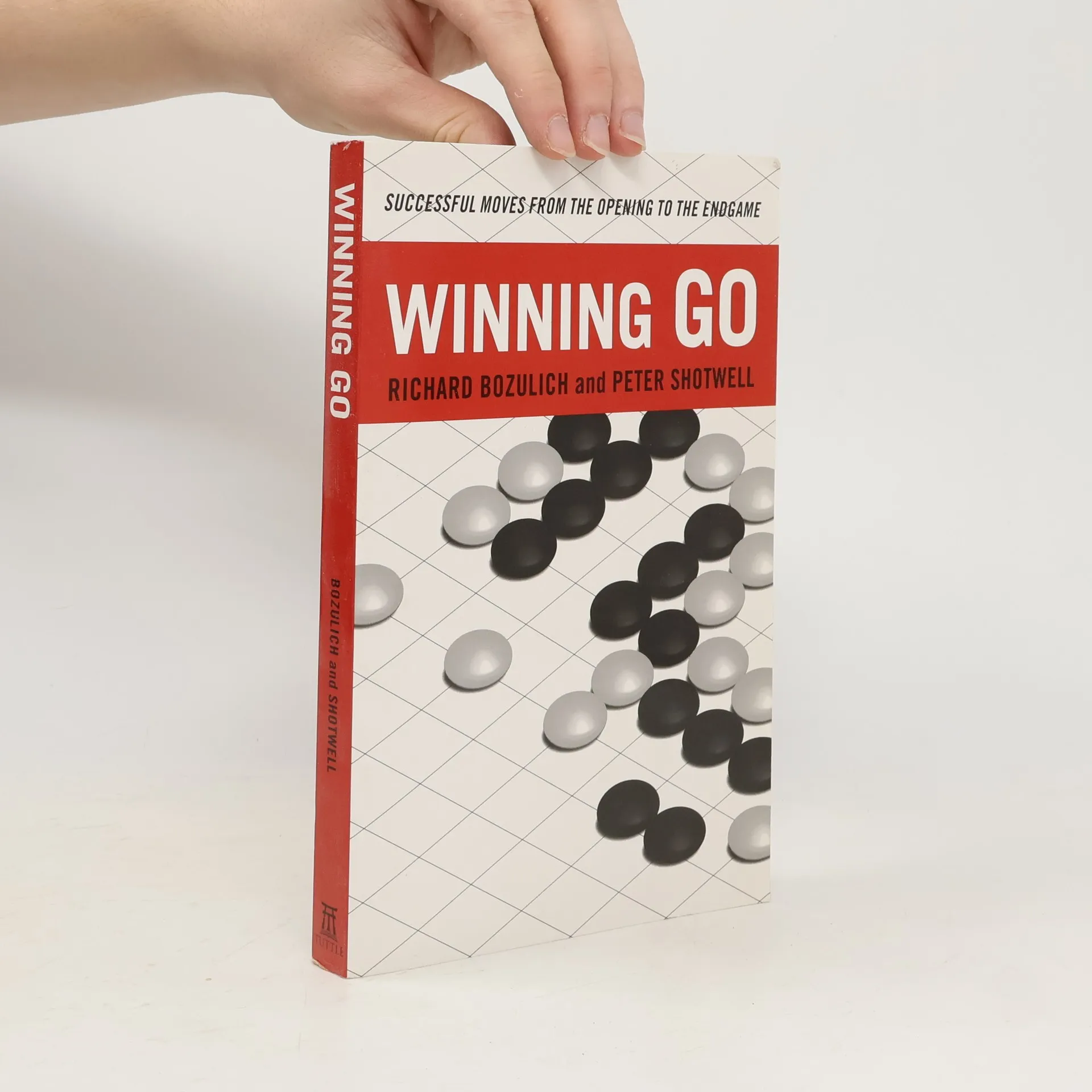
Master the game of Go with this expert guide, which delves into the rich strategy and philosophy of this ancient two-player board game. Originating in China and popular in Japan and Korea, Go offers a complexity that surpasses even chess. This comprehensive strategy guidebook is the first of its kind in English, illustrating the nuances of Go strategy through 203 problems and their commented solutions. Players of all skill levels will learn about successful moves as well as common mistakes, helping them identify strengths and weaknesses in their gameplay. Covering all aspects from opening play to endgame, this guide is essential for serious players aiming to master advanced Go techniques. Key strategies include the opening (fuseki), the middle game (chuban), the endgame (yose), clever moves (tesuji), life and death (shikatsu), and winning corner skirmishes (joseki). The book emphasizes creating good shapes while avoiding or exploiting bad ones, and it clarifies the correct order of moves. This makes it an ideal resource for both players and teachers looking to enhance their Go skills.
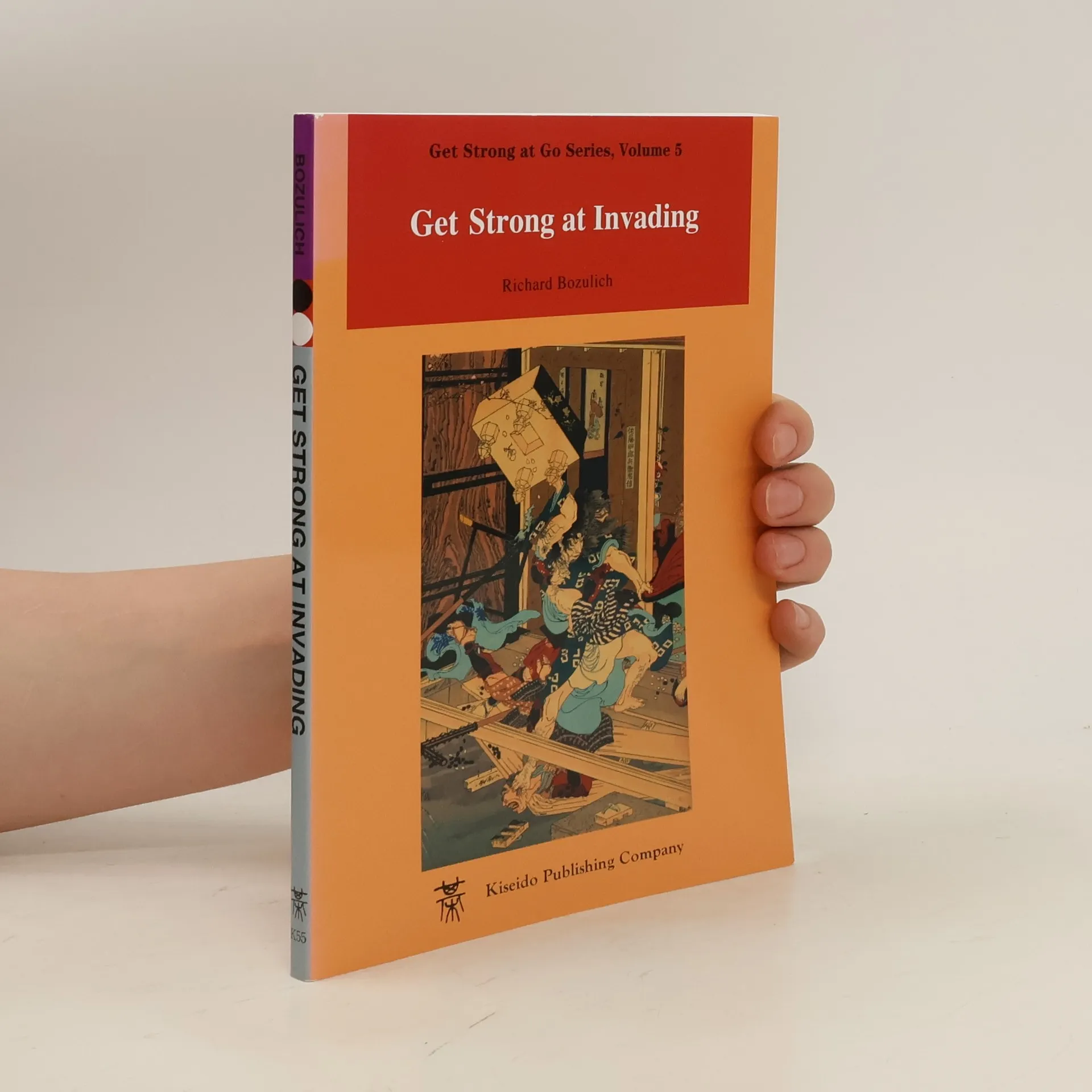
Get Strong at Invading
- 160 páginas
- 6 horas de lectura
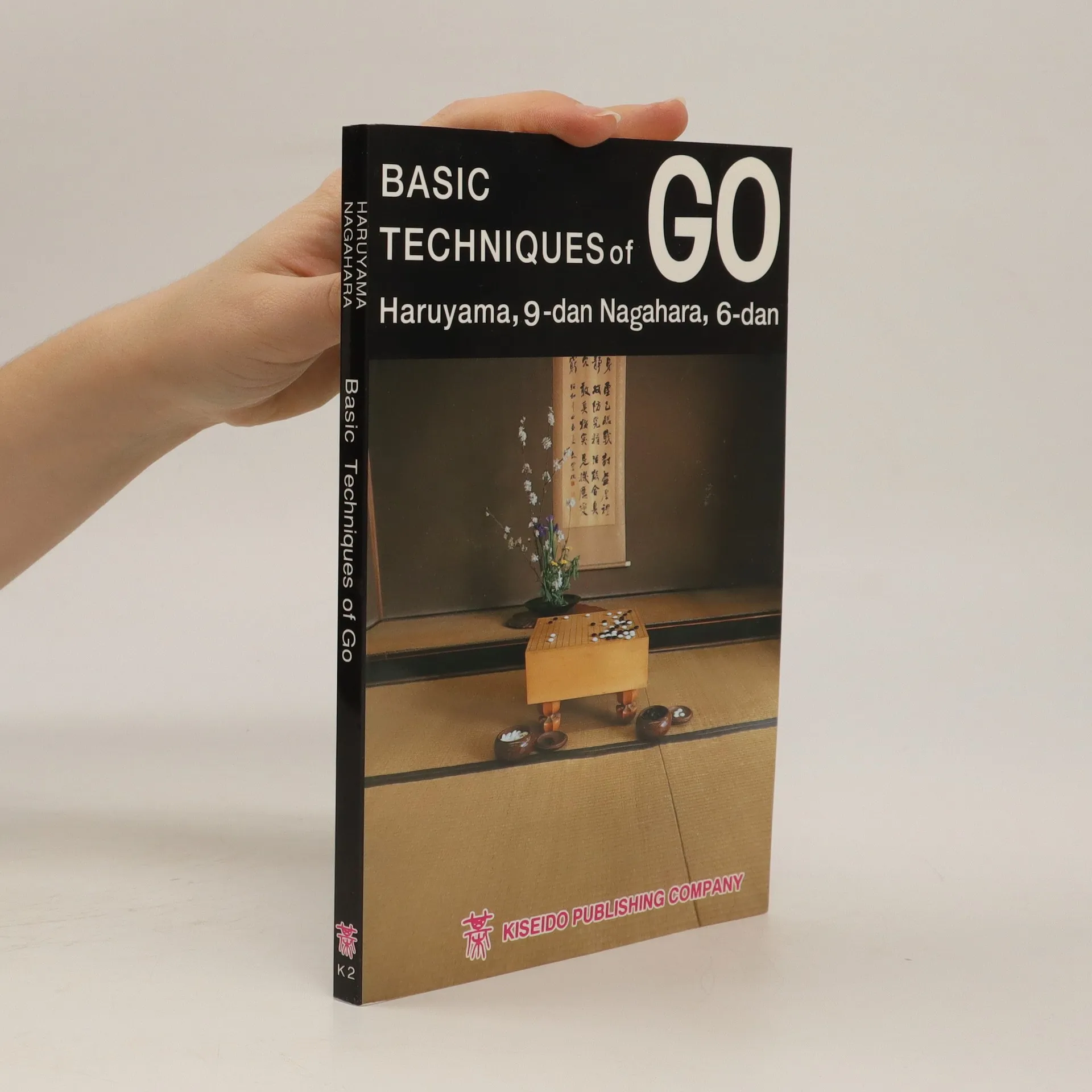
Basic Techniques of Go
- 172 páginas
- 7 horas de lectura
The most useful book for beginning players ever written. After introducing the basic principles of opening play, the reader is shown practical sure-win strategies which he can use in his handicap games. A chapter is devoted to tesujis (tactical brilliancies), with 69 examples and 50 problems. The book ends with a chapter on the endgame.
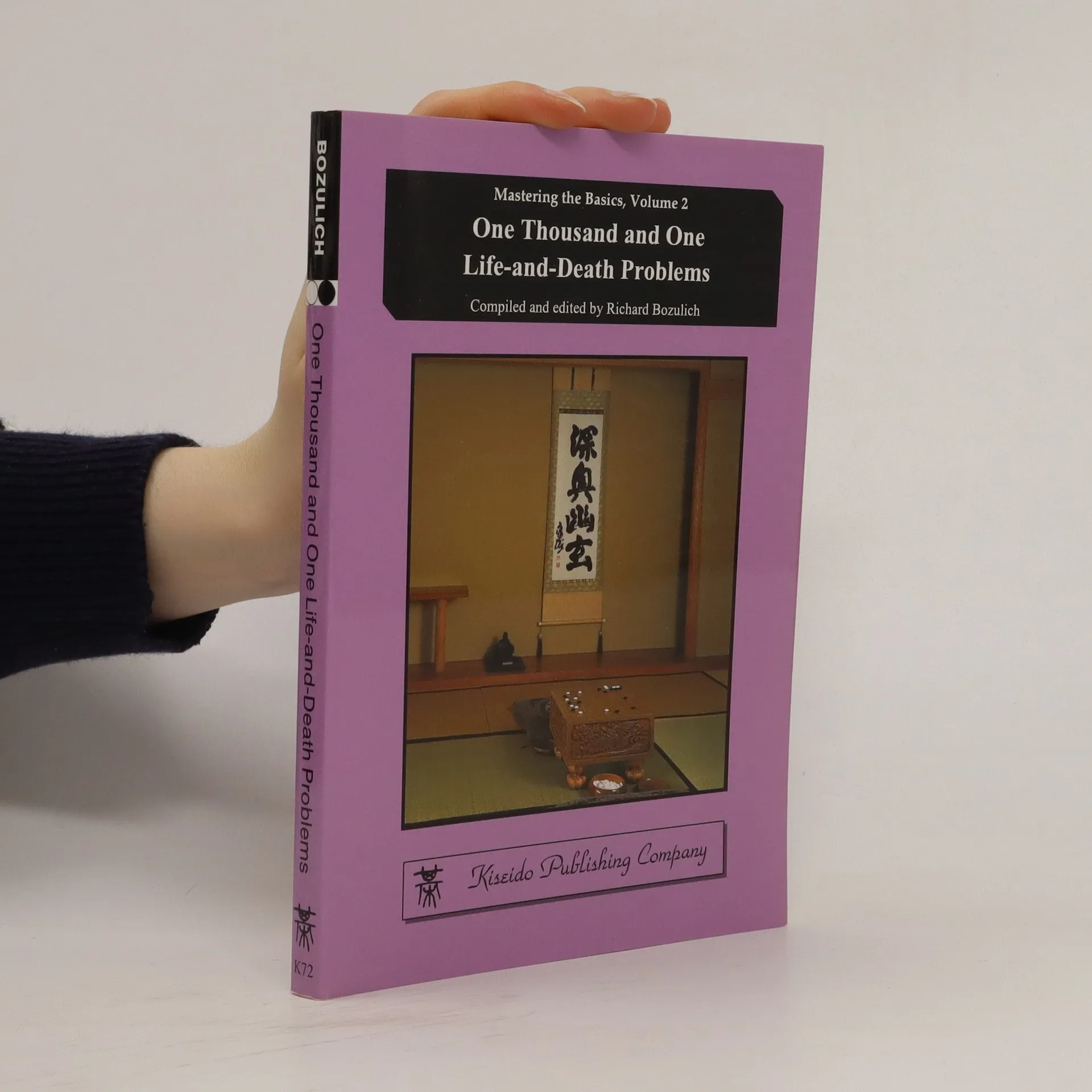
One Thousand and One Life-and-death Problems
- 244 páginas
- 9 horas de lectura
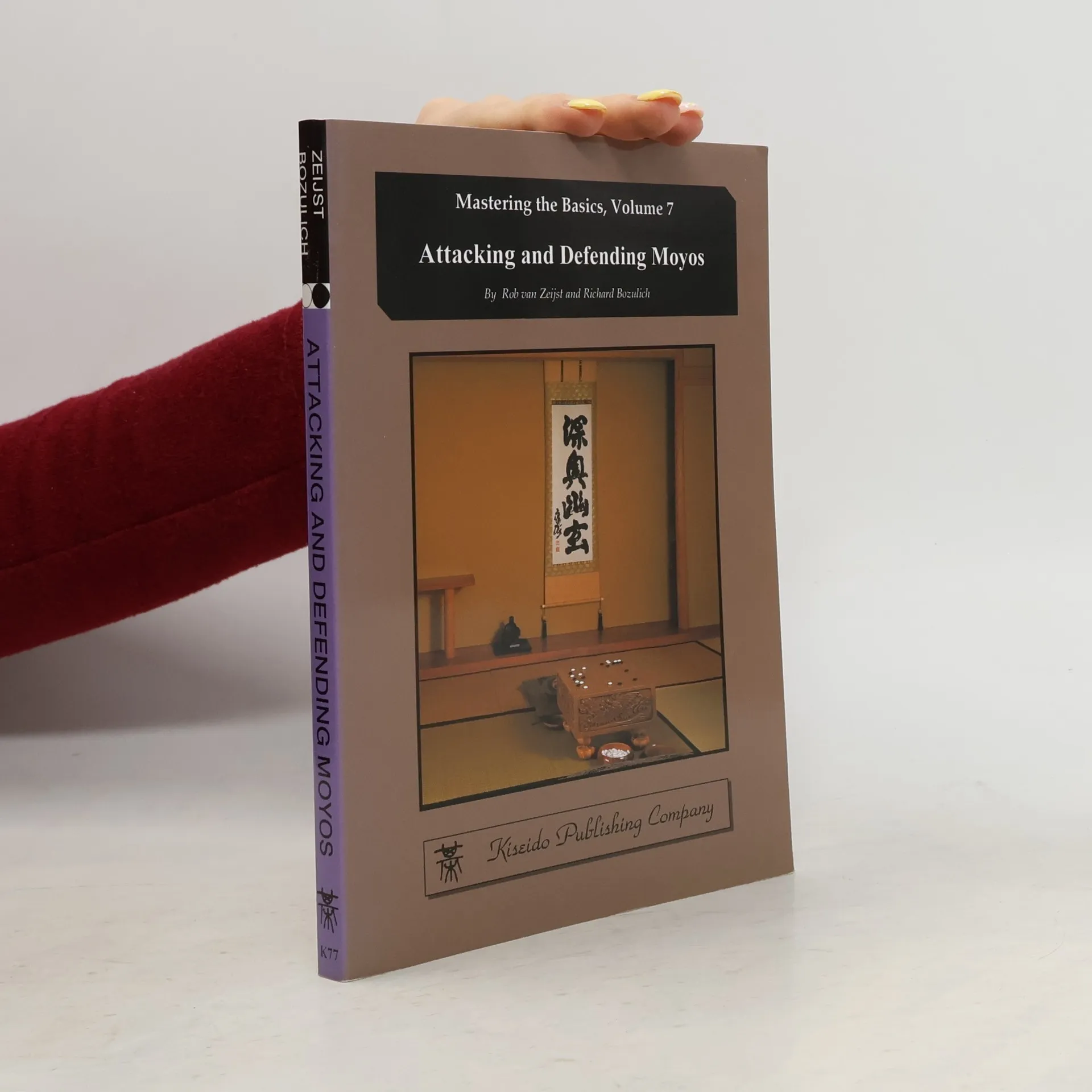
Attacking and Defending Moyos
- 224 páginas
- 8 horas de lectura
Knowing the basic principles of go is the key to being able to find the best move in the opening and the middle game. The way to internalize these principles is by seeing how they are applied by pros in their games and by contemplating a large number of problems in which these principles are used. Attacking and Defending Moyos starts out by laying down 13 basic principles of moyos (frameworks of potential territories) with examples from the games of Takemiya Masaki, Yi Ch'ang-ho, Sakata Eio, Go Seigen, Rin Kaiho, Ishida Yoshio, among others. The second chapter presents detailed analyses of games played by top pros, showing how they build and defend moyos and how they attack them. Included are two masterpieces by Kitani Minoru, as well as games by Cho Chikun (the master of invading moyos), Hane Naoki, and Sonoda Yuichi (famous for his hyper-cosmic go). The final chapter presents 151 whole-board problems in which the ideas presented in the first two chapters can be applied. Attacking and Defending Moyos is an essential book even for those who like to play a tight territorial game, for they will undoubtedly often meet opponents who build moyos. It is also an essential book for those who like to build moyos but may be unsure of how to defend them against an attack.
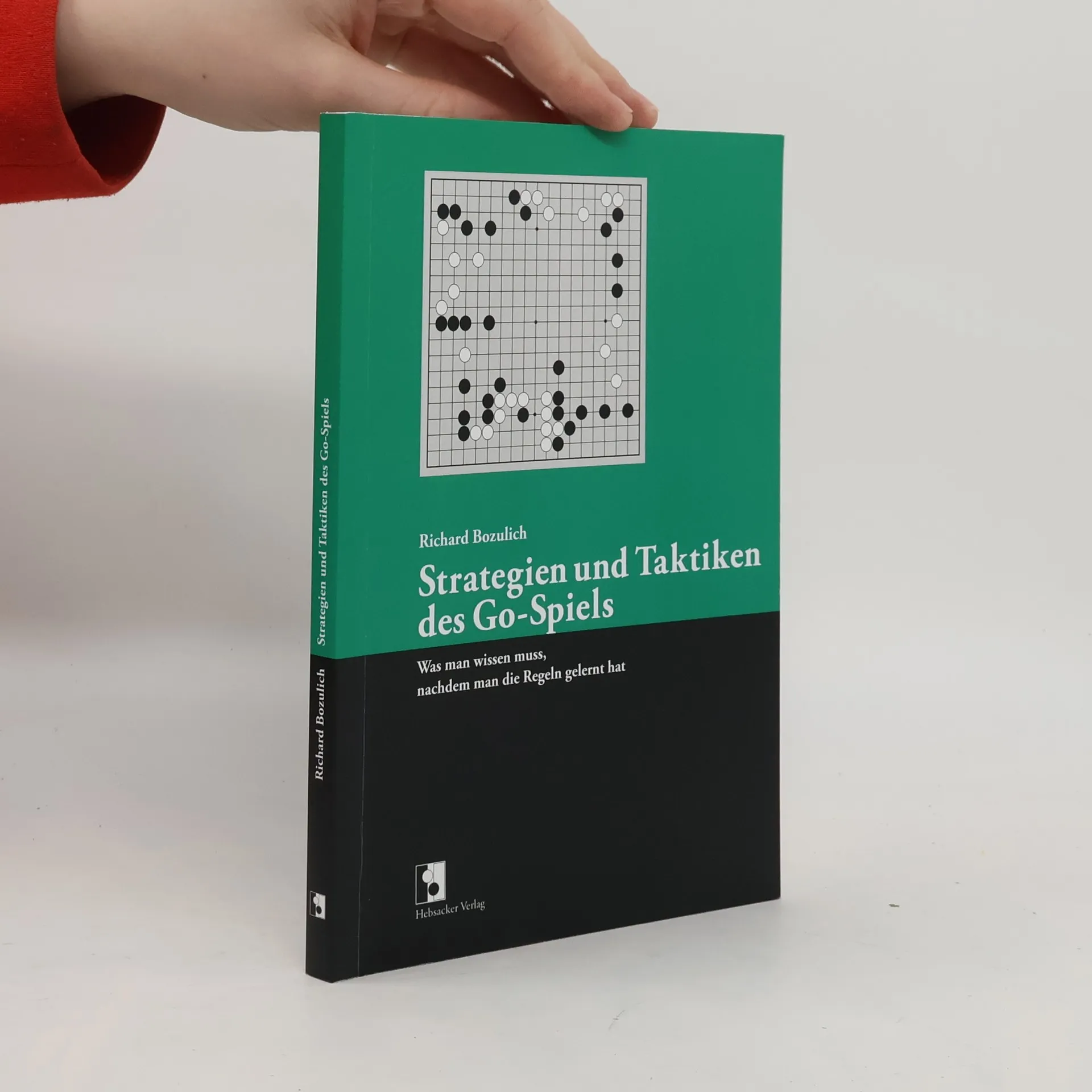
Strategien und Taktiken des Go-Spiels
Was man wissen muss, nachdem man die Regeln gelernt hat
Das „Second Book of Go“ von Richard Bozulich ist ein Weltbestseller der Go-Literatur, der endlich auch in deutscher Sprache vorliegt. Das Buch richtet sich an fortgeschrittene Anfänger, die ihr erstes Regel- und Einführungsbuch gelesen haben und sich nun fragen, wie der weitere Einstieg in dieses faszinierende Spiel am besten zu bewerkstelligen ist. In diesem Buch bekommt der Leser gezeigt, wie man eine angemessene Strategie entwickelt und auf der Basis taktischer Kenntnisse die schwachen Gruppen des Gegners so angreift, dass sich Einfluss auf dem Brett in sicheres Gebiet verwandelt. Die verschiedenen Aspekte des Spiels werden in einer ersten Hälfte über Strategie (Eröffnung, Mittelspiel und Vorgabe) und einer zweiten Hälfte über Taktik (Tesuji, Leben und Tod, gute Form, Enspiel, Ko) behandelt.
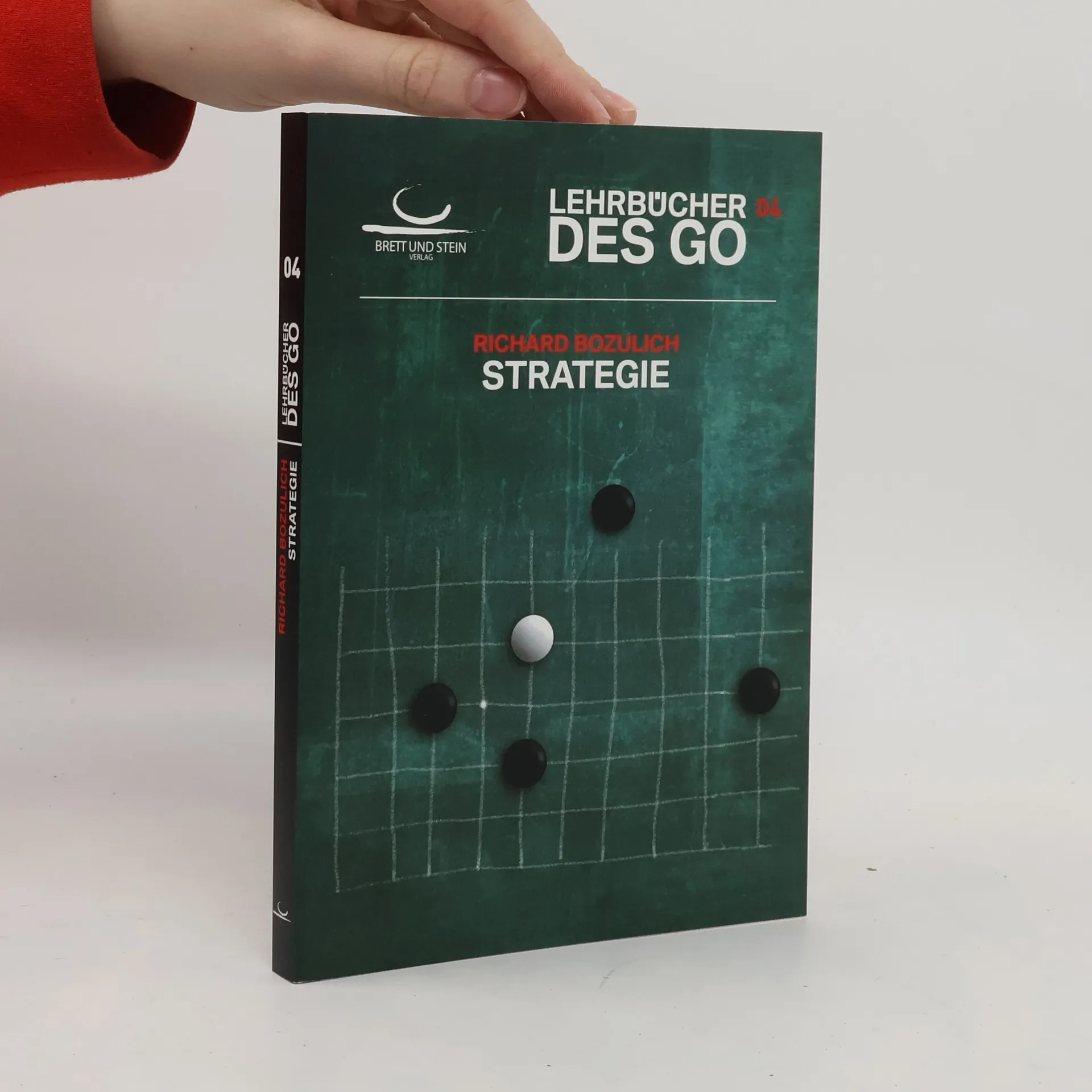
Strategie
Lehrbücher des Go
Aji, Kikashi und Sabaki sind wichtige Konzepte im Go. Sie bereichern die strategischen Feinheiten wie in keinem anderen Spiel. Ohne diese Konzepte verstanden zu haben, kann kein Go-Spieler erwarten, ein höheres Spielniveau zu erreichen. Überdies verlangt das Go-Spiel ein profundes Verständnis von Form und Verteilung von Steinen. Ein Spieler muss erkennen wie die Steine und ihre Anordnung andere Regionen des Bretts beeinflussen. Er muss erkennen und bestimmen, welche Steine wichtig sind und welche geopfert werden können, und welche Steine gestärkt werden müssen bevor groß angelegte strategische Züge ausgeführt werden. In acht Lektionen und mit 101 Übungen gibt dieses Lehrbuch dem Leser eine hervorragende und ebenso anregende Einführung in die Grundlagen der Strategie des Go-Spiels.