Este autor profundiza en las complejidades de la sostenibilidad corporativa, examinando sus intersecciones con la comunicación intercultural y la gestión. Su trabajo busca fomentar una comprensión más profunda de cómo las organizaciones pueden integrar los principios de sostenibilidad en sus marcos estratégicos y operaciones diarias. El objetivo es ofrecer nuevas perspectivas para lograr un equilibrio entre el crecimiento económico y la responsabilidad ambiental y social.
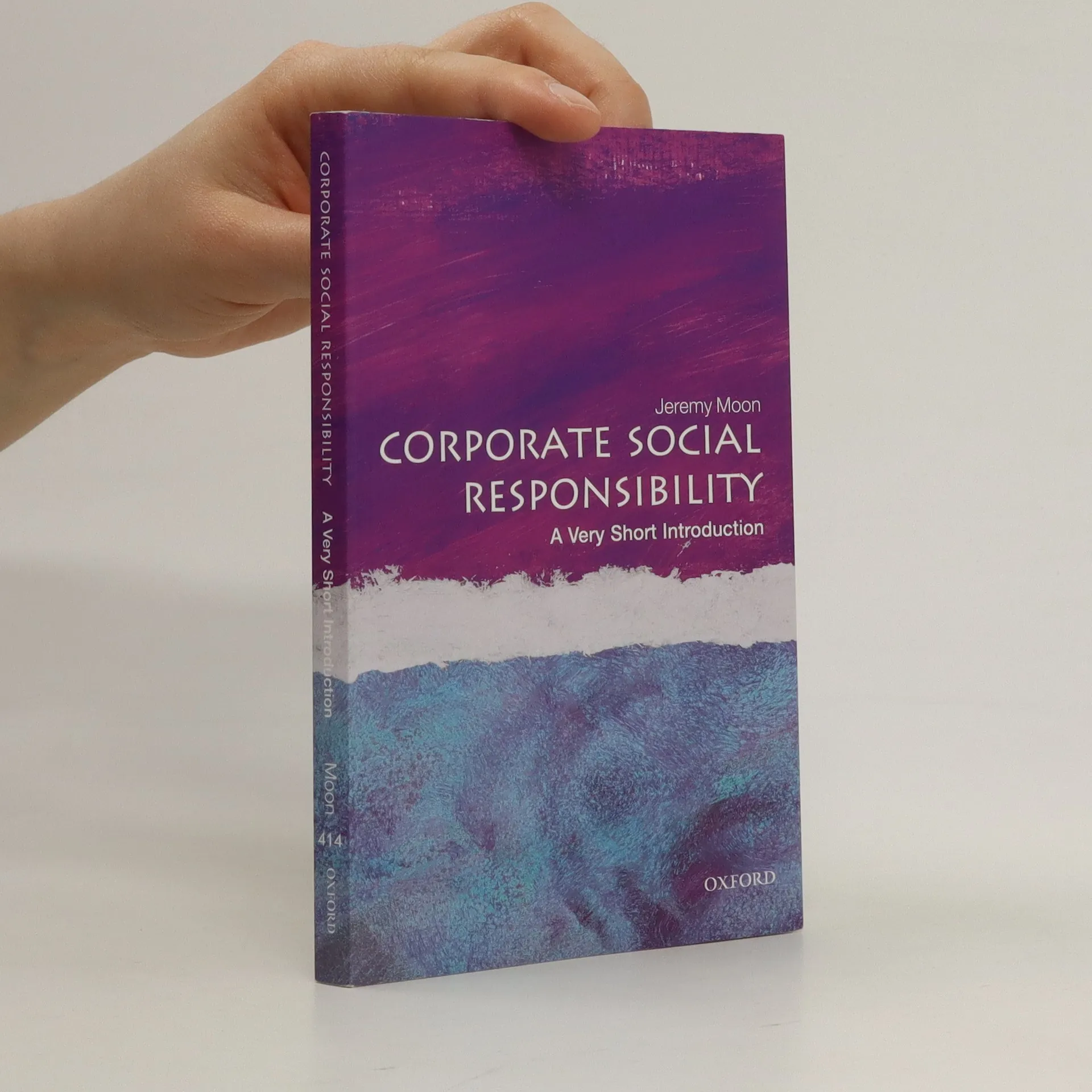
Corporate social responsibility represents the social accountability a company holds for society. This volume looks at how and why it developed, how it is implemented in practice, and the benefits and controversies it raises for companies, governments, and society worldwide.
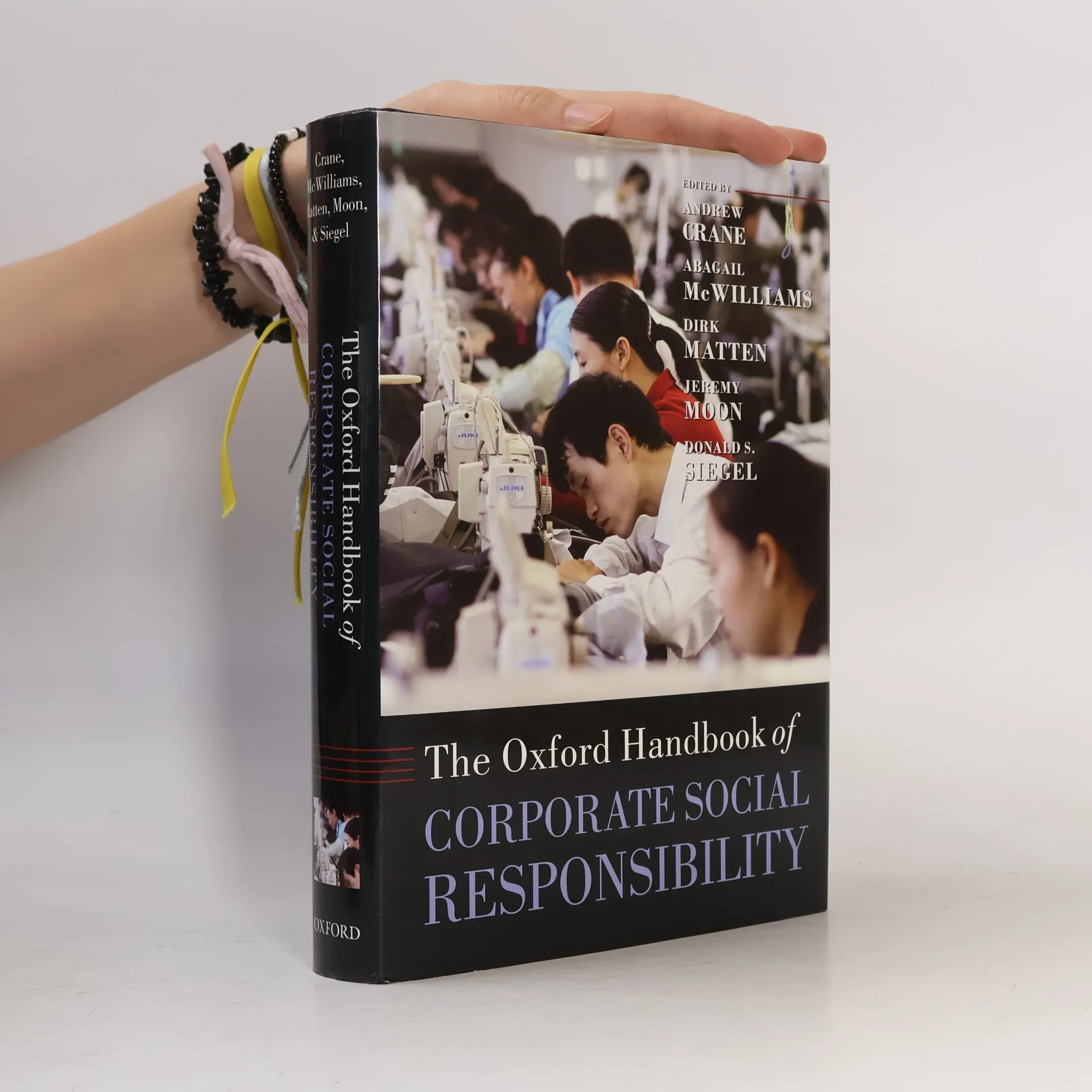
In recent years, there has been an increased focus on Corporate Social Responsibility (CSR) from business schools, the media, corporations, governments, and NGOs. CSR encompasses the evolving relationship between business, society, and government, addressing environmental concerns, corporate governance, ethical management dimensions, globalization, stakeholder debates, and activism from shareholders and consumers. This authoritative Oxford Handbook reviews the academic research that has influenced and responded to these issues, offering insights from leading experts. It is organized into seven sections: Introduction, Perspectives on CSR, Critiques of CSR, Actors and Drivers, Managing CSR, CSR in Global Context, and Future Perspectives and Conclusions. The Oxford Handbooks in Business & Management series compiles contributions from top scholars to discuss contemporary research and thinking across various interconnected topics, including Strategy, Organizational Behavior, Public Management, and International Business. Each volume features new essays with extensive references, making it both a comprehensive introduction to the topic and a valuable resource for scholars and advanced students.