

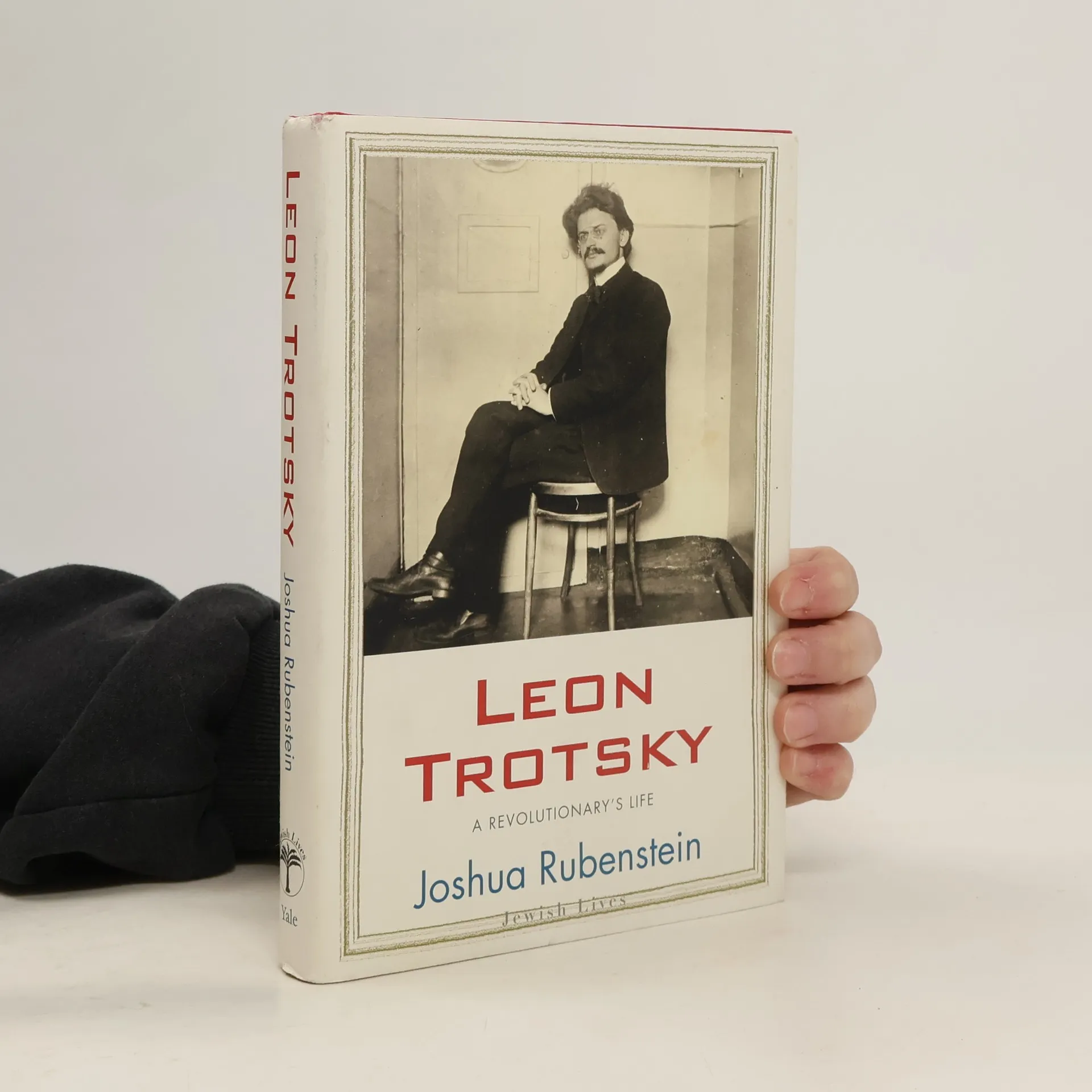
From the prizewinning Jewish Lives series, this annotation presents a clear-eyed exploration of Leon Trotsky's career, highlighting his complex nature as both a brilliant intellectual and a narrow-minded ideologue. Born Lev Davidovich Bronstein in southern Ukraine, Trotsky was an effective military strategist and adept diplomat who gambled the Bolshevik revolution on a fragile hope for a Europe-wide Communist upheaval. Despite his political acumen, he struggled in the power struggle against Stalin in the 1920s. As an assimilated Jew, he was one of the first to recognize the impending disaster for European Jews with Hitler's rise and Stalin's potential alliance with him. This portrayal reveals Trotsky as a mentally acute yet impatient figure, a keen observer of contemporary politics who neglected the organizational aspects of the party while Stalin maneuvered toward his political downfall. Joshua Rubenstein notes that Trotsky remains a haunting figure in historical memory, a revolutionary leader and masterful writer whose upheaval shaped twentieth-century politics. In this insightful account, Rubenstein provides a contemporary interpretation of Trotsky’s life and legacy.
Joshua Rubenstein Libros
Joshua Rubenstein está asociado con el Davis Center for Russian and Eurasian Studies de la Universidad de Harvard y trabajó para Amnistía Internacional EE. UU. durante casi cuatro décadas. Su amplia experiencia informa sus escritos, que profundizan en complejos paisajes sociopolíticos. El trabajo de Rubenstein se caracteriza por su rigurosa investigación y su perspicaz análisis, ofreciendo a los lectores una comprensión más profunda de cuestiones históricas y contemporáneas críticas.

The life of Ilya Ehrenburg, one of the most renowned Soviet intellectuals of his generation, abounded in contradictions and controversy. As a teenager, he both joined and left the Bolshevik party, only to make himself useful to Stalin decades later as an emissary to European intellectuals.
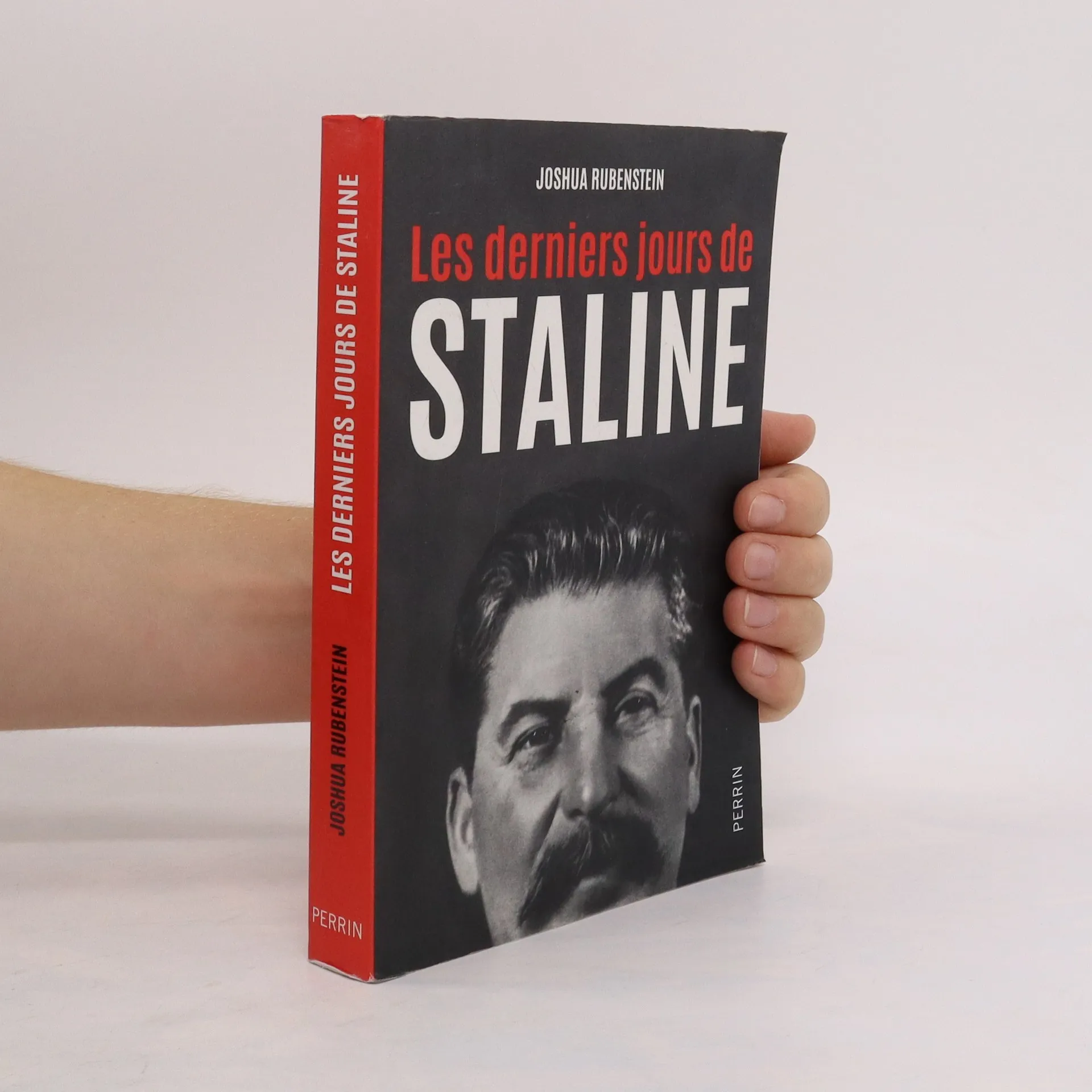
Les derniers jours de Staline
- 368 páginas
- 13 horas de lectura
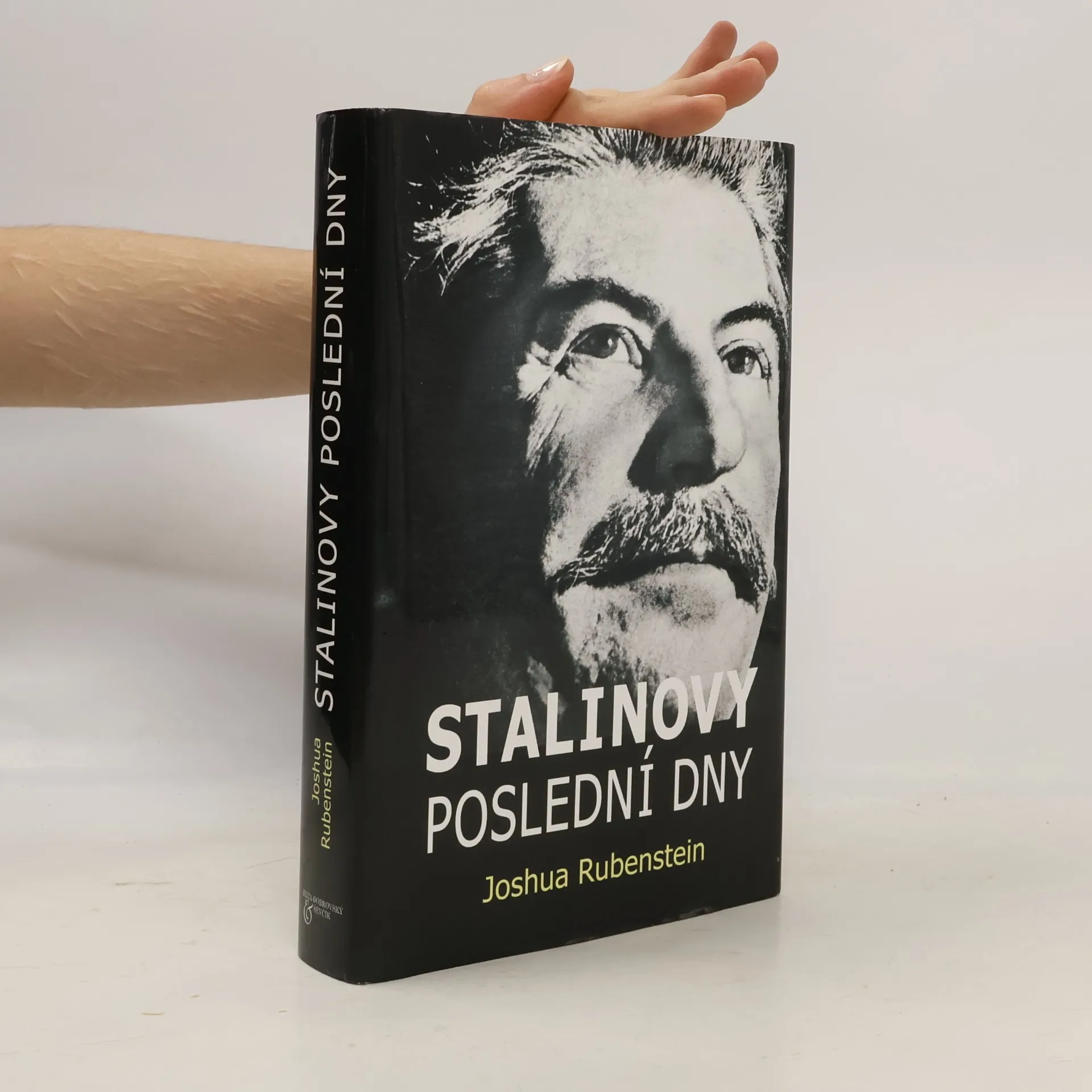
Stalinovy poslední dny
- 336 páginas
- 12 horas de lectura
S odstupem sedmdesáti let lze bez nadsázky konstatovat, že Stalinova smrt a události s ní spojené patří k zásadním milníkům v dějinách 20. století. Strhující kniha Joshuy Rubensteina nás zavede do reality druhé poloviny roku 1952, do posledních měsíců diktátorské vlády sovětského vůdce Josifa Vissarionoviče Stalina. Ocitneme se v době vzrůstajícího napětí mezi Východem a Západem a vystupňovaných represí uvnitř SSSR. Politické procesy a antisemitské kampaně jsou v tomto období nedílnou součástí Stalinovy vražedné politiky. Nikdo netuší, že po dlouhých desetiletích stalinského teroru se schyluje k obratu. Stalinův náhlý kolaps a následná smrt v březnu 1953 byly nejen dramatické a záhadné jako celý jeho život, ale staly se také impulsem ke společenským a politickým změnám. Rubenstein ve své knize popisuje poslední měsíce Stalinova života, odkrývá dosud neznámé okolnosti jeho kolapsu a sleduje vývoj sovětských a mezinárodních událostí po jeho smrti. V novém světle ukazuje politické soupeření Beriji, Malenkova, Chruščova a dalších soudruhů, kteří si byli velmi dobře vědomi toho, co pro ně Stalinův konec znamená.