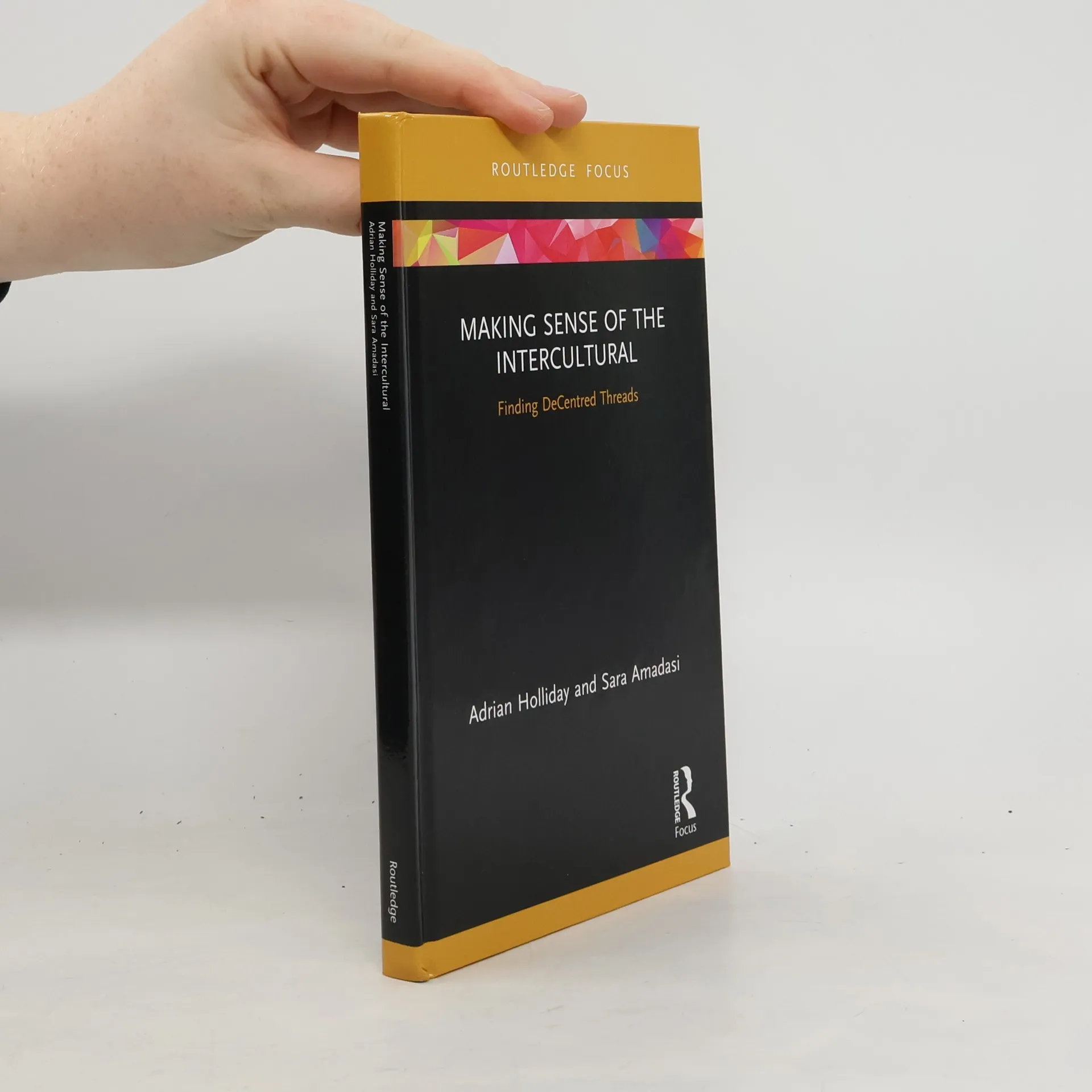
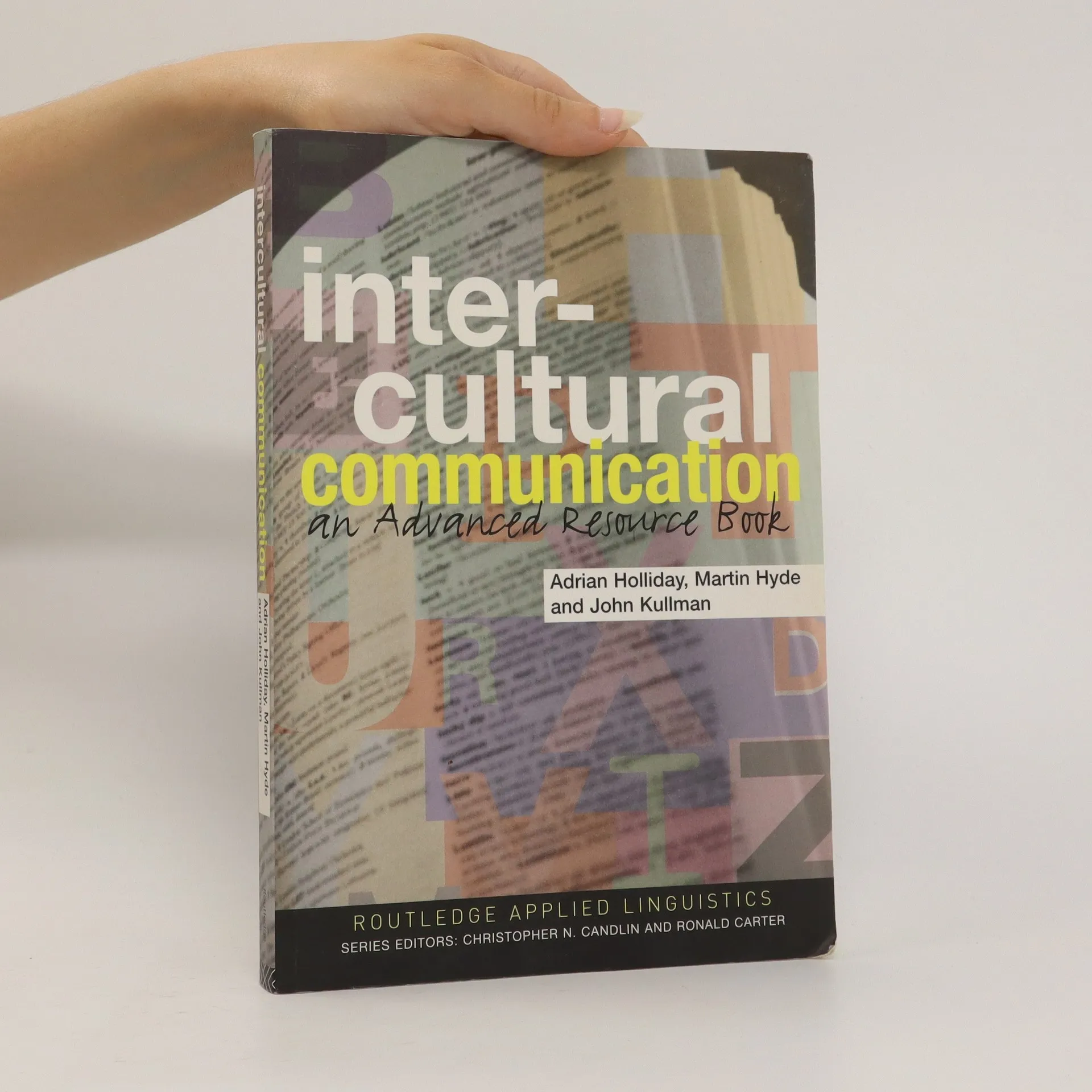
Adrian Richard HollidayOrden de los libros (cronológico)
Este autor explora la intrincada relación entre el individuo, la cultura y las estructuras sociales, basándose en su extensa experiencia en la enseñanza y el desarrollo de programas de inglés a nivel internacional. Su prolongado compromiso con Irán y el Medio Oriente en general ha cultivado una aguda conciencia de la política global que da forma a estas dinámicas. La obra examina críticamente la profunda falta de comprensión occidental de las realidades no occidentales, incluso en medio de una vasta proliferación de información. Su escritura está profundamente informada por su trayectoria académica y una fascinación por la interacción de la sociología y la educación lingüística en un mundo globalizado.
Through an auto-ethnographic lens, the author recounts their experiences in 1970s Iran to challenge the dominance of essentialist grand narratives in intercultural discourse. The narrative highlights the complexities of cultural interactions and the ongoing struggle against oversimplified representations of identity, emphasizing the importance of personal stories in understanding intercultural dynamics.
In this book we wish to find a new way of talking about, connecting and operationalising the third space, narratives, positioning, and interculturality. Our purpose is to shake established views in what we consider to be an urgent quest for dealing with prejudice. We therefore seek to draw attention to the following: How Centre structures and large culture boundaries are sources of prejudice How deCentred intercultural threads address prejudice by dissolving these boundaries How, in everyday small culture formation on the go, the cultural and the intercultural are observable and become indistinguishable How agency, personal and grand narratives, discourses, and positioning become visible in unexpected ways How we researchers also bring competing narratives in making sense of the intercultural How third spaces are discordant and uncomfortable places in which all of us must struggle to achieve interculturality This book is therefore a journey of discovery with each chapter building on the previous ones. While throughout there are particular empirical events (interviews, reconstructed ethnographic accounts and research diary entries) with their own detailed analyses and insights, they connect back to discussion in previous chapters.
'Intercultural Communication' introduces the key theories of intercultural communication and explores ways in which people communicate within and across social groups.