Hans Ludwig C. Jaffé Orden de los libros (cronológico)
1 de enero de 1915 – 24 de julio de 1984
Hans Jaffe fue un respetado historiador del arte que se centró en el arte holandés, en particular el movimiento De Stijl. Su trabajo se caracterizó por una profunda comprensión de los movimientos artísticos y sus contextos históricos. A lo largo de su carrera, ocupó puestos importantes en instituciones de arte líderes en los Países Bajos. Jaffe contribuyó a enriquecer el estudio y la presentación del arte holandés para las generaciones futuras.



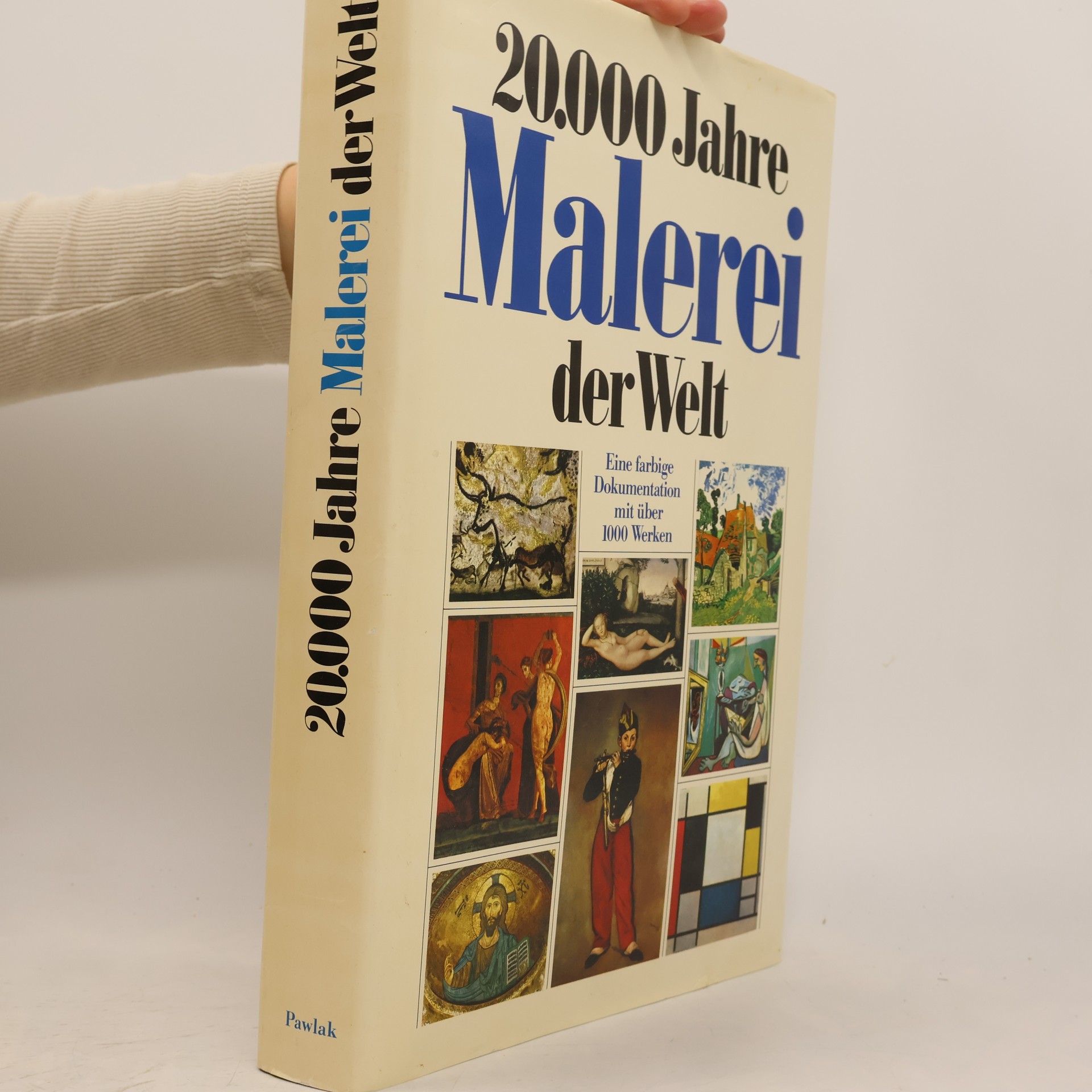
20000 [Zwanzigtausend] Jahre Malerei der Welt
- 416 páginas
- 15 horas de lectura
Theo van Doesburg
- 152 páginas
- 6 horas de lectura

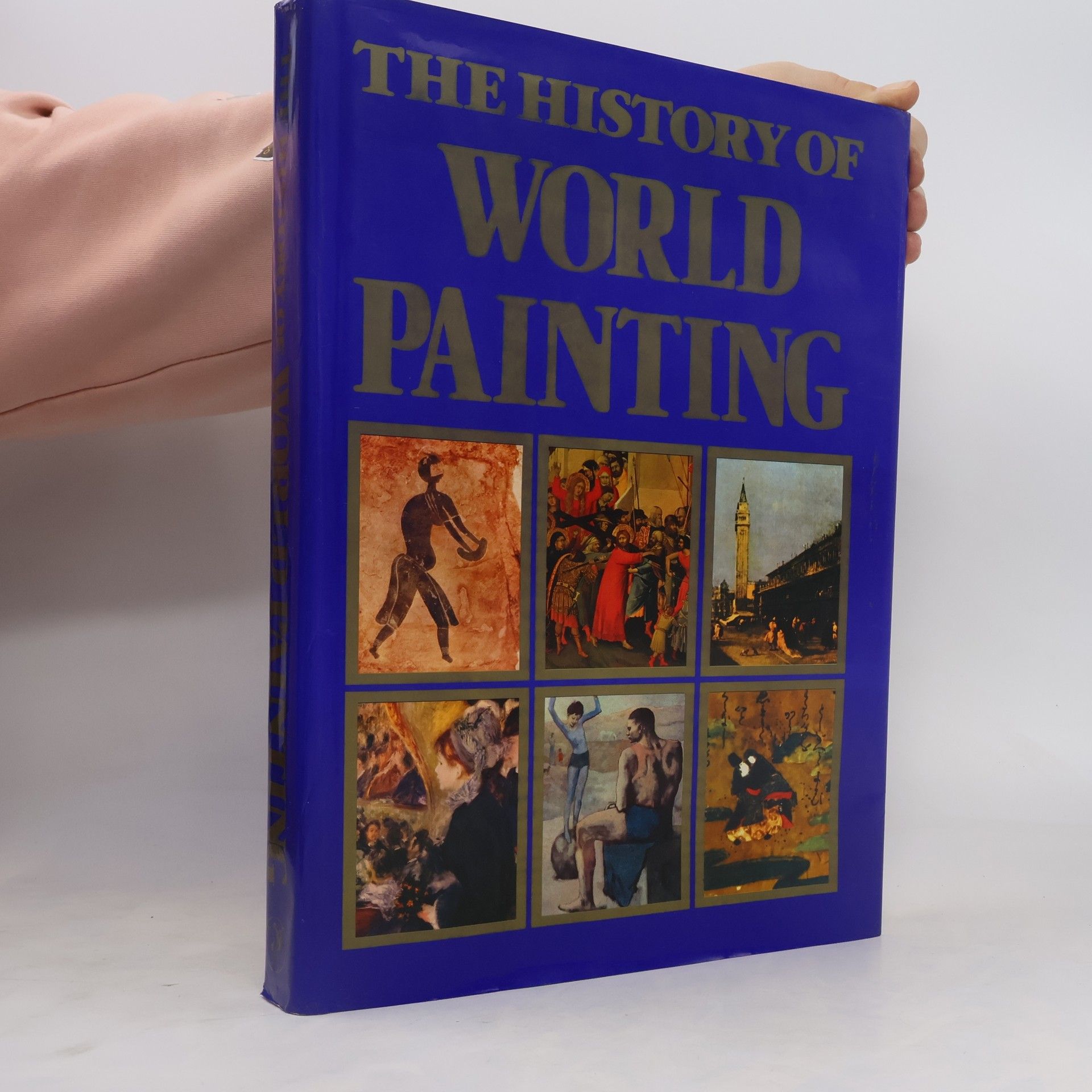
The History of World Painting
- 416 páginas
- 15 horas de lectura
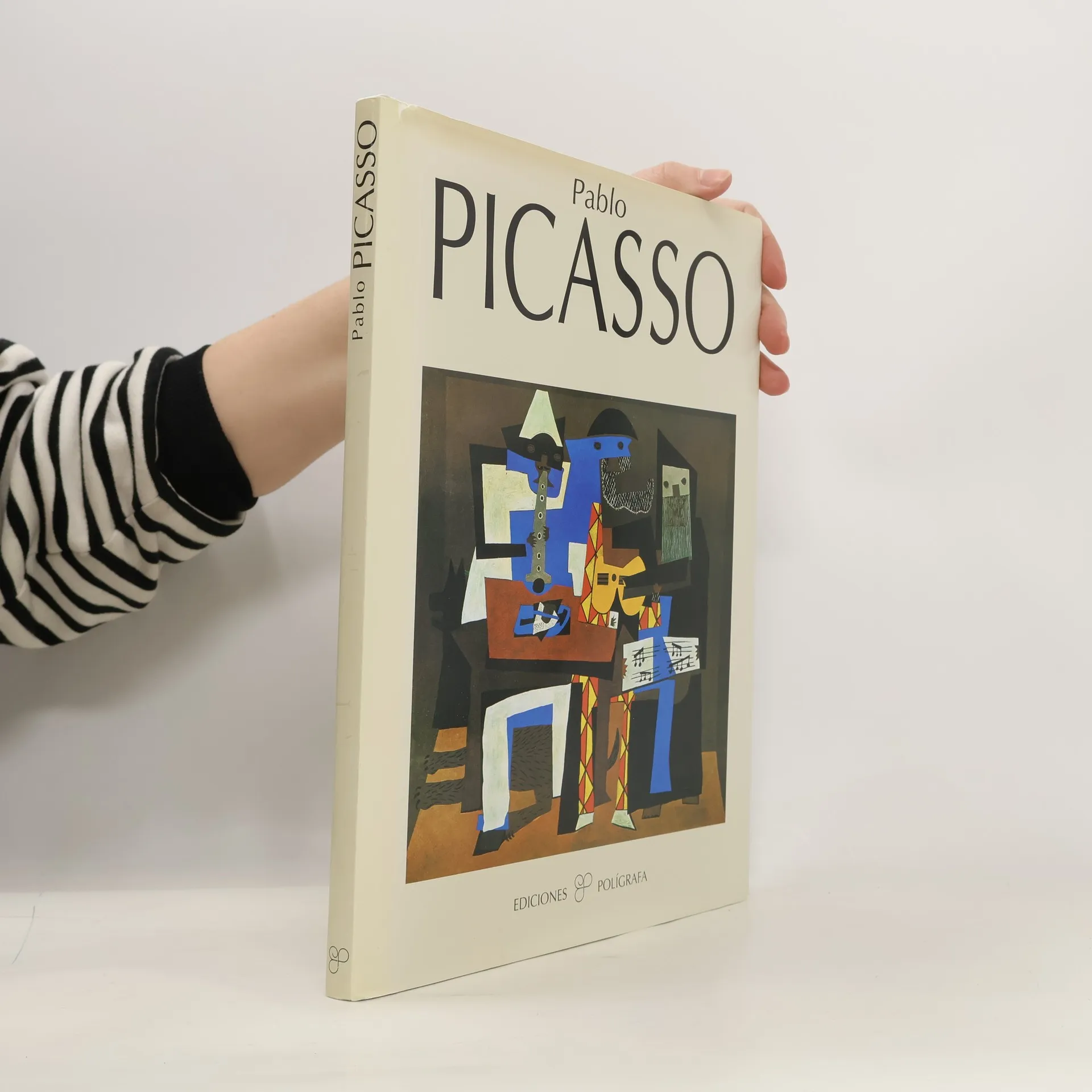
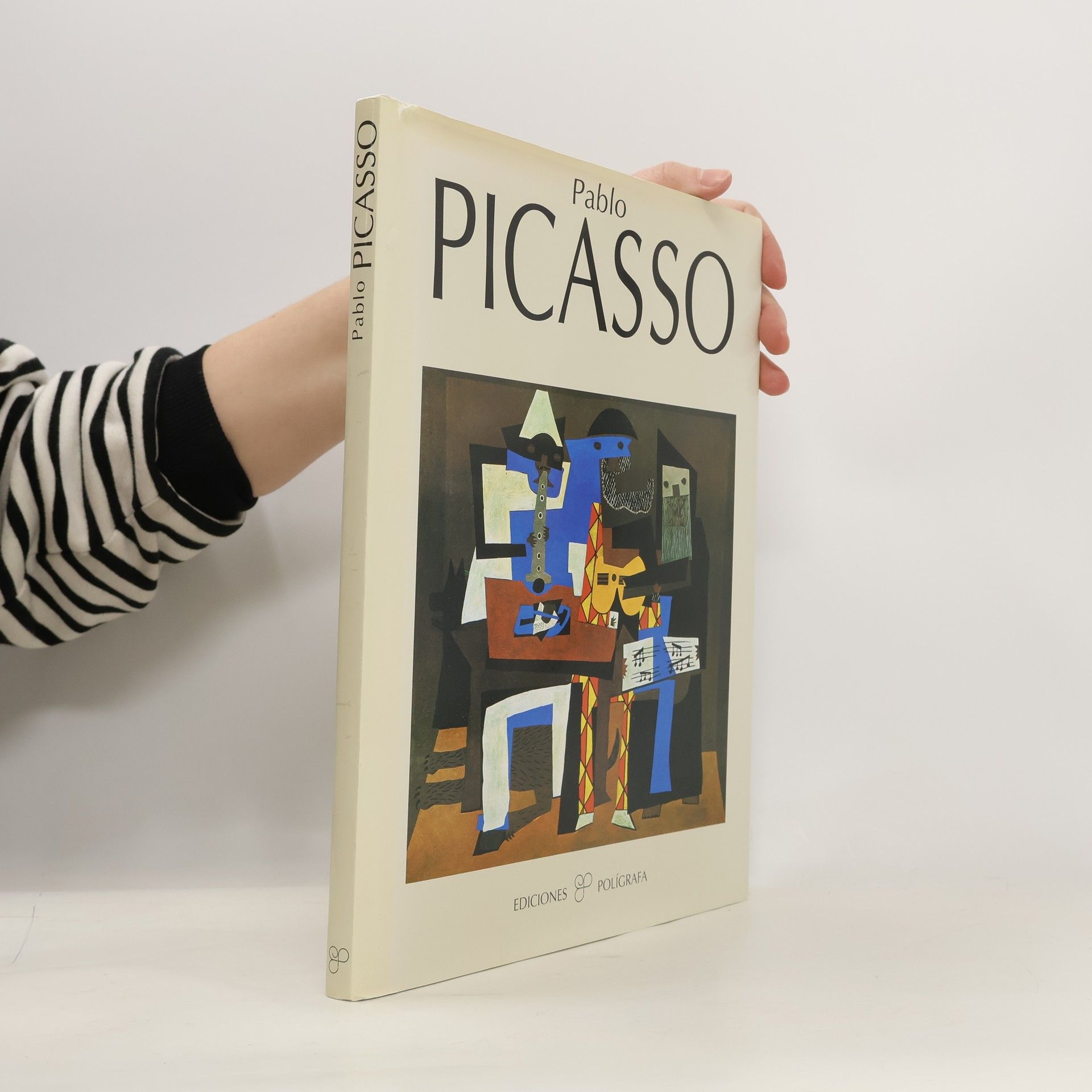
Pablo Picasso
- 64 páginas
- 3 horas de lectura
Six thousand paintings, twelve thousand drawings, eight hundred sculptures...show the extraordinary creativity of Picasso who had the ability to simultaneously use multiple artistic languages without incurring contradictions and display his constant and inexhaustible inventiveness.
 4,2
 2,5
Piet Mondrian (Masters of Art)
- 128 páginas
- 5 horas de lectura
Briefly recounts the life and career of the Dutch painter, and shows and discusses a selection of his major works
 4,1
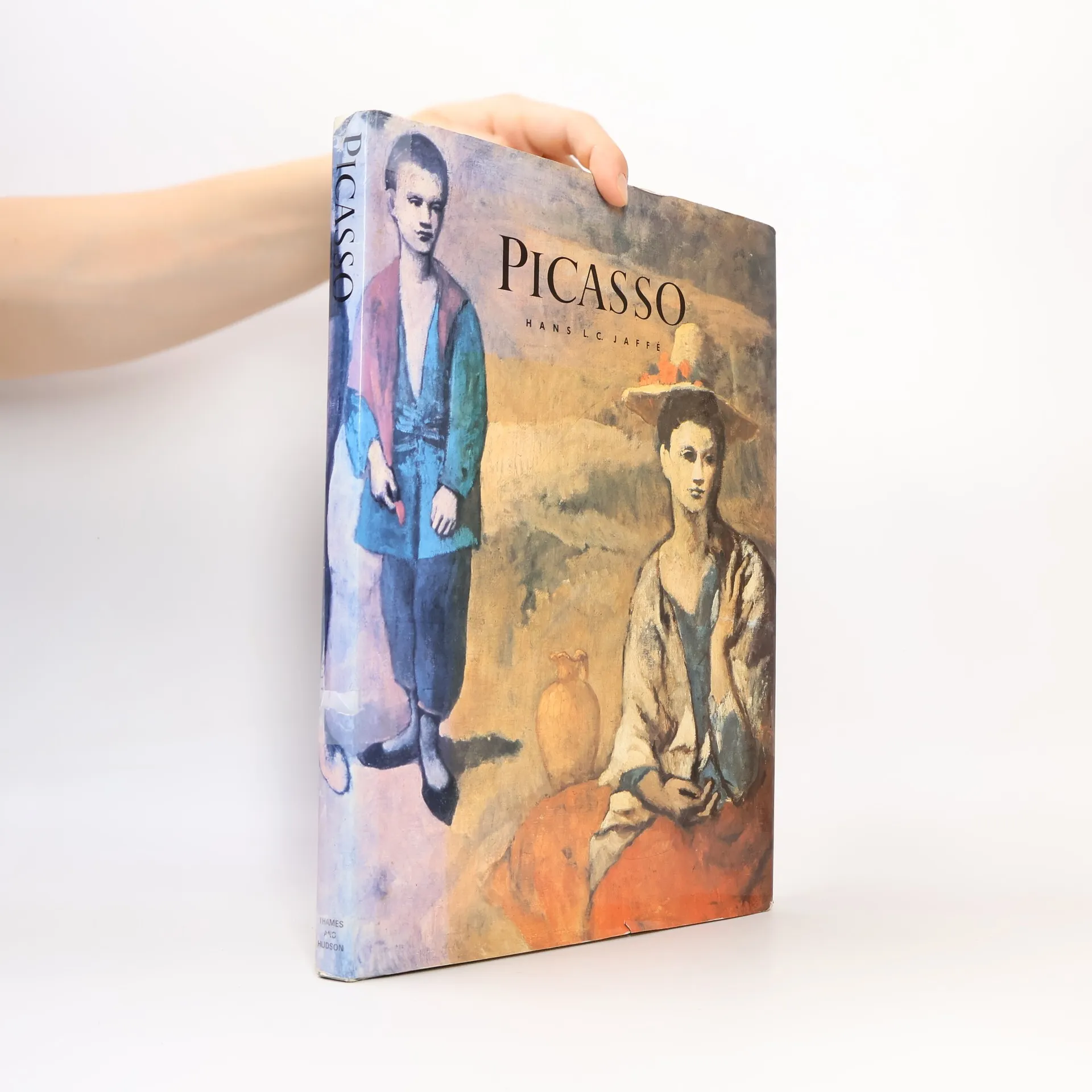
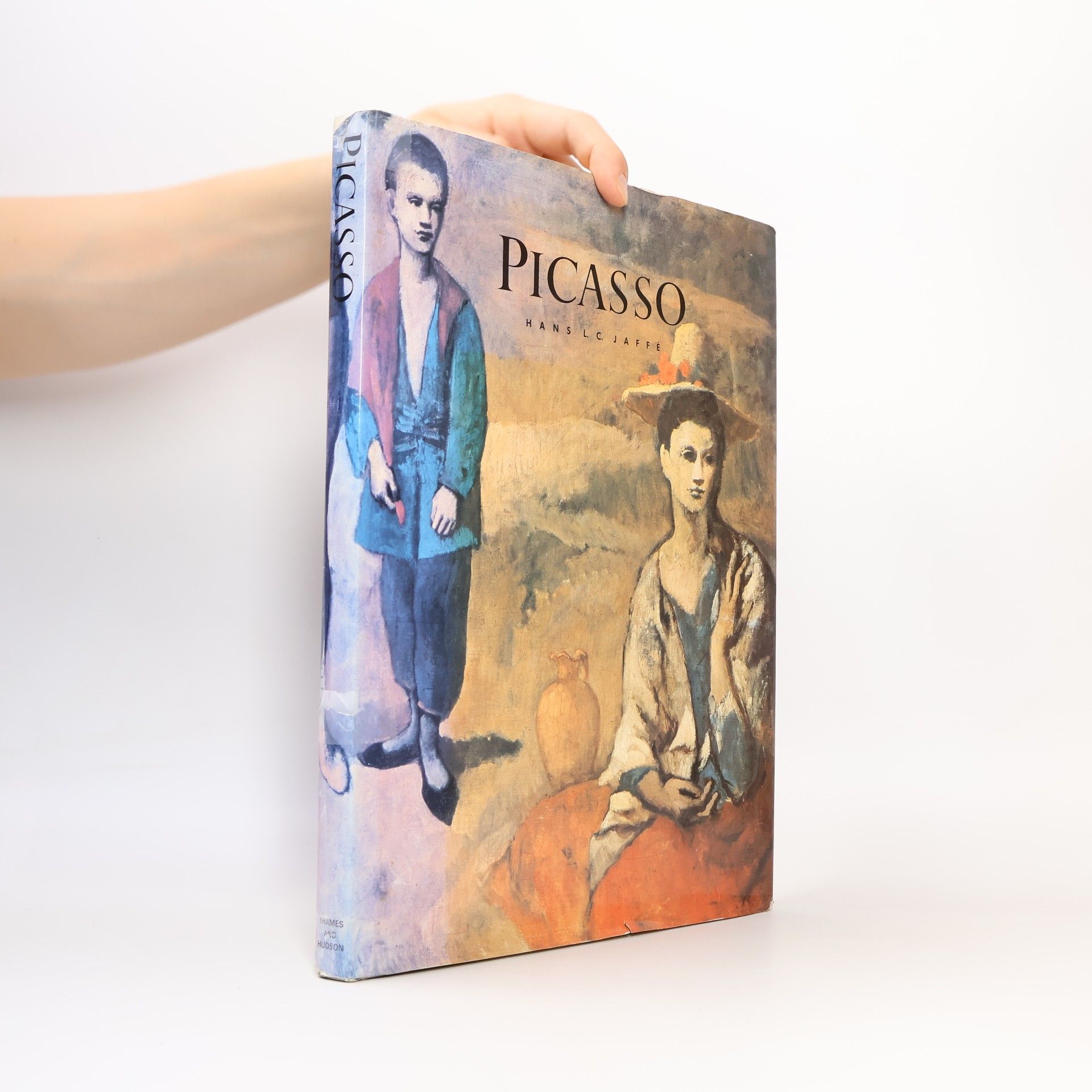
Picasso
- 128 páginas
- 5 horas de lectura
A biography of the artist is accompanied by commenaries on his work and a representative selection of his paintings, sculptures, and ceramics.
 5,0
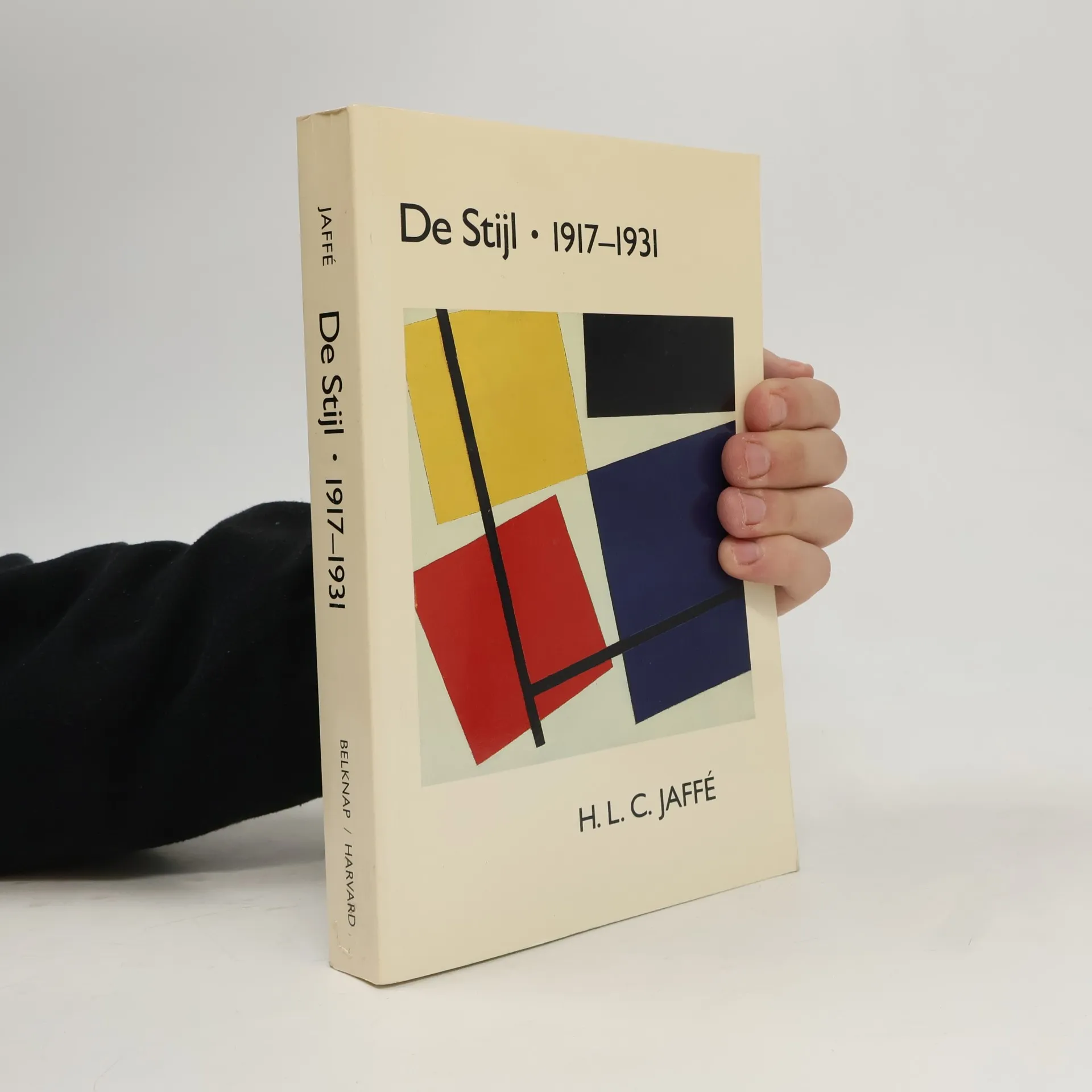
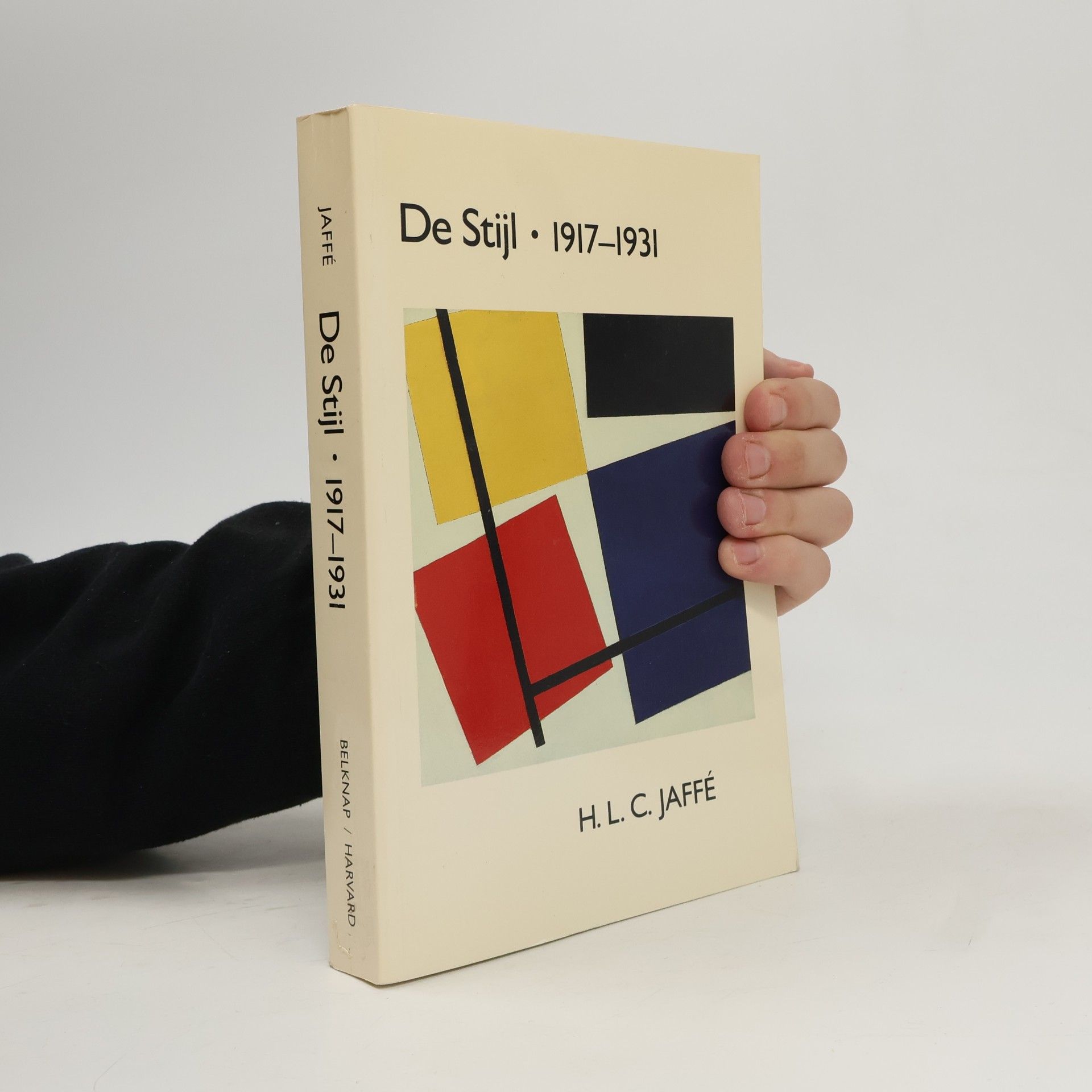
De Stijl 1917-1931
The Dutch Contribution to Modern Art (Paperbacks in Art History)
- 293 páginas
- 11 horas de lectura
Here is the essential book on "De Stijl," one of the longest lived and most influential of modern art movements. H. L. C. Jaffe recounts the history of this abstract movement; explains its artistic goals and practice; delineates its utopian ideology; and describes the special qualities of De Stijl painting, sculpture, architecture, and design. Jaffe charts the evolution of the movement from its beginning in 1917 with the founding of the journal "De Stijl." He locates the philosophical origins of the artistic program, which put aside representation of nature and confined itself to "pure" forms of expression: vertical and horizontal lines and the primary colors--yellow, blue, red--against white, black, and gray. He describes the roles of Ban Doesburg, De Stijl's driving force, and Mondrian, its leading exponent; the application of its principles to design and architecture; and the involvement of sculptors Arp and Brancusi. He places De Stijl in relation to other abstract arts and demonstrates its wide range of influence. Throughout Jaffe quotes extensively from the writings of the De Stijl group, allowing the artists themselves to describe their aims and methods; a complete forty-page pamphlet by Mondrian, "Art and Life" (1931) is appended.
 2,0