

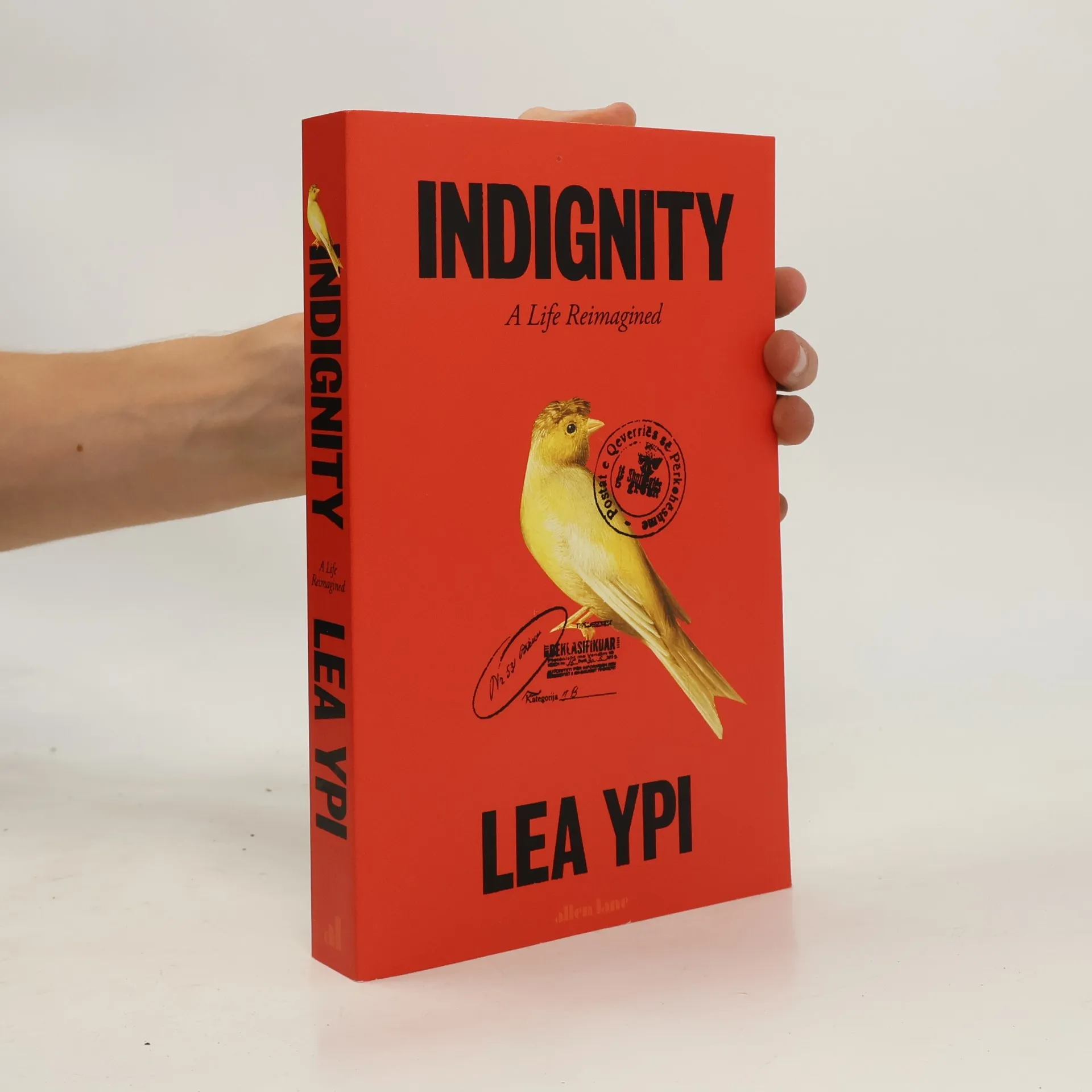
The award-winning author of Free presents a profound investigation into historical injustice, dignity, truth, and imagination. When Lea Ypi discovers a photo of her grandmother, Leman, honeymooning in the Italian Alps in 1941, she confronts unsettling questions about her family's past. She had been told that all records of Leman's youth were destroyed when the police confiscated everything during the early days of communism in Albania. Yet, the image reveals Leman as a glamorous newlywed amid World War II. This discovery leads to a reimagining of the past, exploring the vanished world of Ottoman aristocracy, the evolution of Greece and Albania, a global financial crisis, and the rise of communism in the Balkans, all through secret police archives and fragmented memories. As Ypi seeks the truth about her family, she grapples with uncertainty regarding Leman's identity and choices. Why did she speak French if her family lived in the Ottoman Empire? What prompted her move to Tirana and her relationship with a socialist? The Albanian secret police also posed these questions. This narrative is both a sweeping story of lost worlds and a philosophical inquiry into the nature of truth. Through a blend of reports, court depositions, and personal anecdotes, Ypi navigates the complexities of history and memory, ultimately questioning the moral authority with which we judge past generations and our understanding of those closest to us.
Lea Ypi Libros

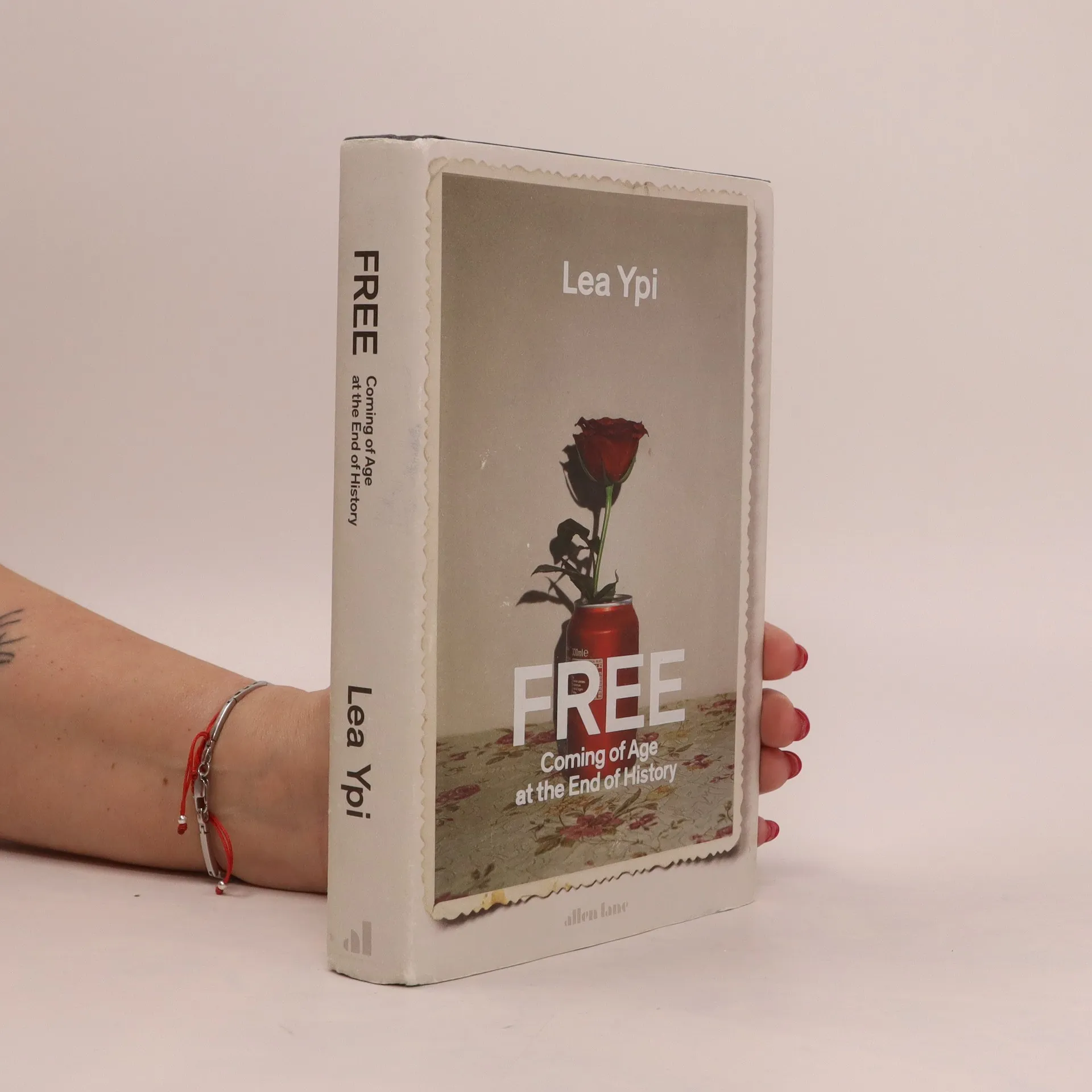
Lea Ypi grew up in one of the most isolated countries on earth, a place where communist ideals had officially replaced religion. Albania, the last Stalinist outpost in Europe, was almost impossible to visit, almost impossible to leave. It was a place of queuing and scarcity, of political executions and secret police. To Lea, it was home. People were equal, neighbours helped each other, and children were expected to build a better world. There was community and hope. Then, in December 1990, a year after the fall of the Berlin Wall, everything changed. The statues of Stalin and Hoxha were toppled. Almost overnight, people could vote freely, wear what they liked and worship as they wished. There was no longer anything to fear from prying ears. But factories shut, jobs disappeared and thousands fled to Italy on crowded ships, only to be sent back. Predatory pyramid schemes eventually bankrupted the country, leading to violent conflict. As one generation's aspirations became another's disillusionment, and as her own family's secrets were revealed, Lea found herself questioning what freedom really meant. Free is an engrossing memoir of coming of age amid political upheaval. With acute insight and wit, Lea Ypi traces the limits of progress and the burden of the past, illuminating the spaces between ideals and reality, and the hopes and fears of people pulled up by the sweep of history. -- Provided by publisher
Global Justice and Avant-Garde Political Agency
- 226 páginas
- 8 horas de lectura
Why should states matter and how do relations between fellow-citizens affect what is owed to distant strangers? How, if at all, can demanding egalitarian principles inform political action in the real world? This book proposes a novel solution through the concept of avant-garde political agency. Ypi grounds egalitarian principles on claims arising from conflicts over the distribution of global positional goods, and illustrates the role of avant-garde agents in shaping these conflicts and promoting democratic political transformations in response to them. Against statists, she defends the global scope of equality, and derives remedial cosmopolitan principles from global responsibilities to relieve absolute deprivation. Against cosmopolitans, she shows that associative political relations play an essential role and that blanket condemnation of the state is unnecessary and ill-directed. Advocating an approach to global justice whereby domestic avant-garde agents intervene politically so as to constrain and motivate fellow-citizens to support cosmopolitan transformations, this book offers a fresh and nuanced example of political theory in an activist mode. Setting the contemporary debate on global justice in the context of recent methodological disputes on the relationship between ideal and nonideal theorizing, Ypi's dialectical account illustrates how principles and agency can genuinely interact.
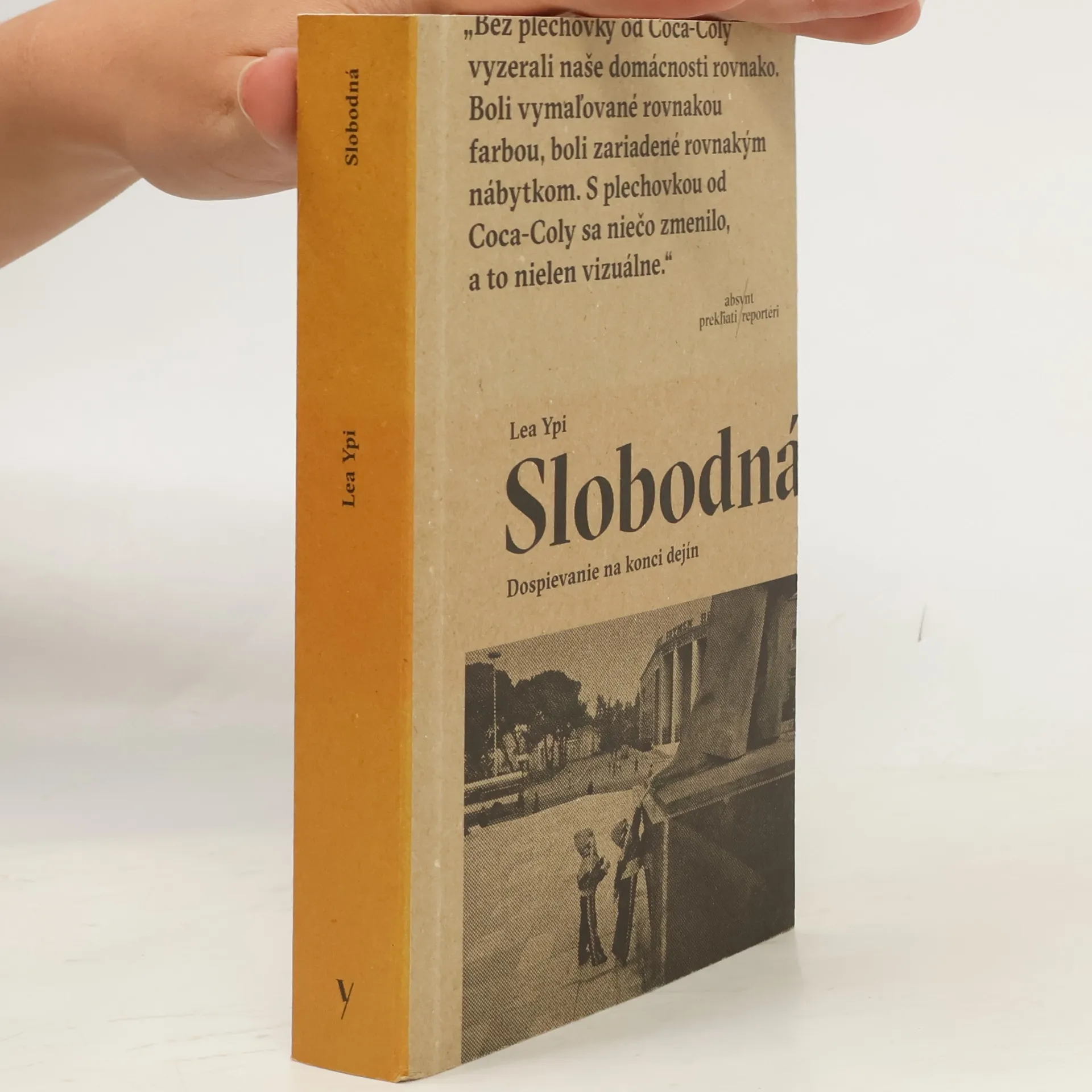
Slobodná
- 313 páginas
- 11 horas de lectura
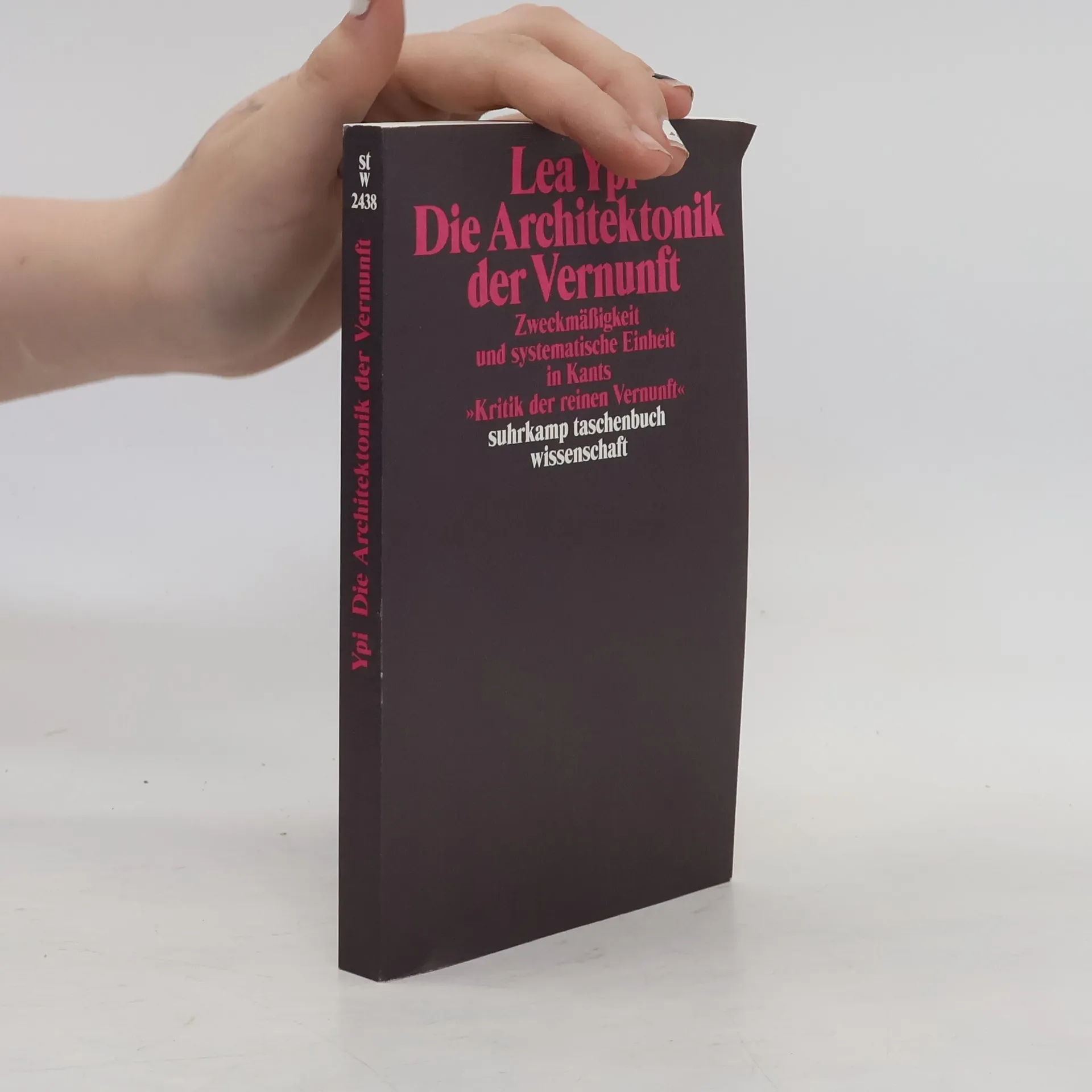
Die Architektonik der Vernunft
Zweckmäßigkeit und systematische Einheit in Kants »Kritik der reinen Vernunft«
- 245 páginas
- 9 horas de lectura