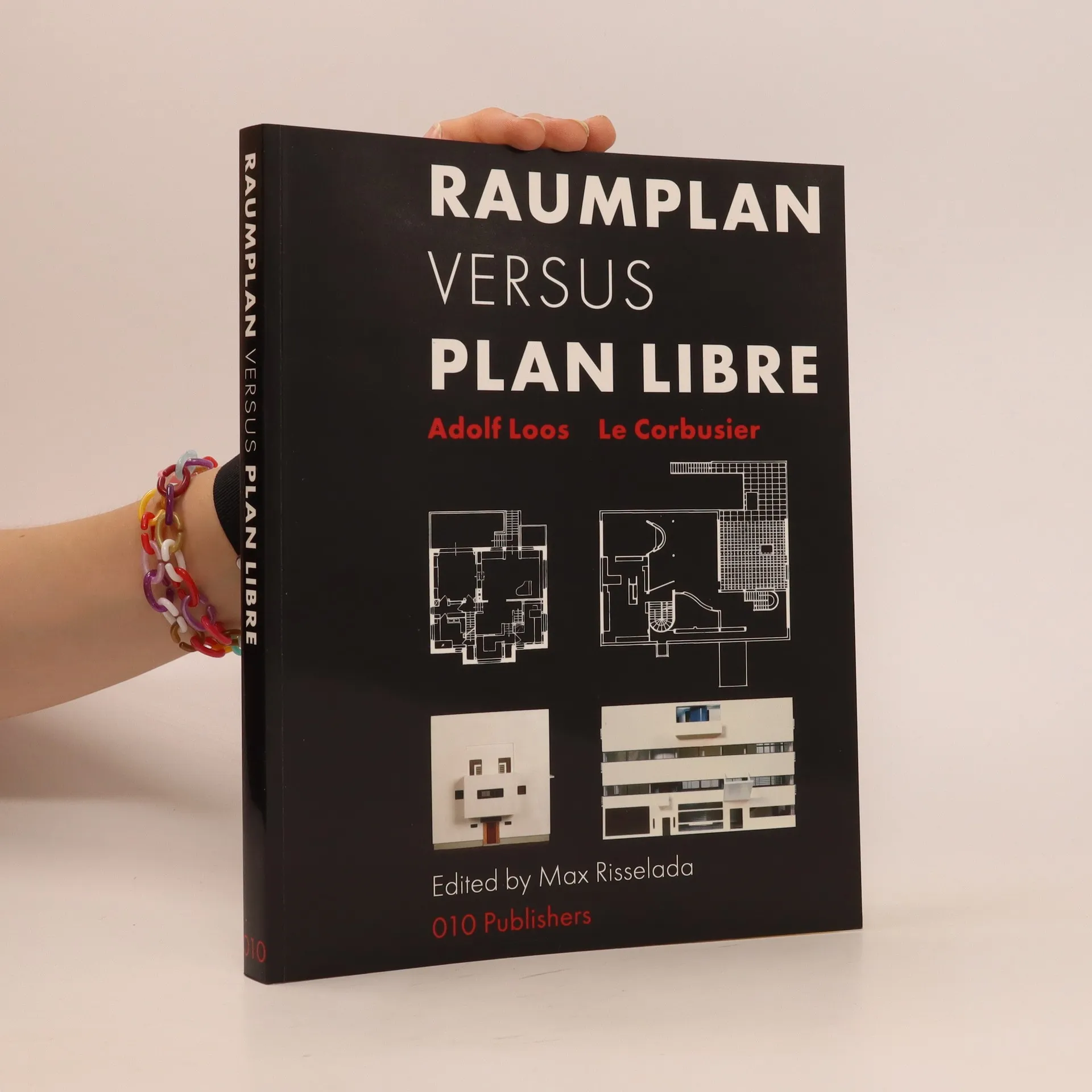
Originally published as a catalogue to accompany an exhibition with the same name in 1987, this new edition re-examines the respective merits of two giants of Modern Architecture Adolf Loos and Le Corbusier. As well as featuring writings by the two architects, the book illustrates their respective evolution, with detailed reference to their domestic projects, ranging from the Strasser House (1919) to the Last House (1932), and from the Maison Domino (1915) to Villa Savoye (1932). Features major contributions form Beatriz Colomina, Jan de Heer and Max Risselada, among others.
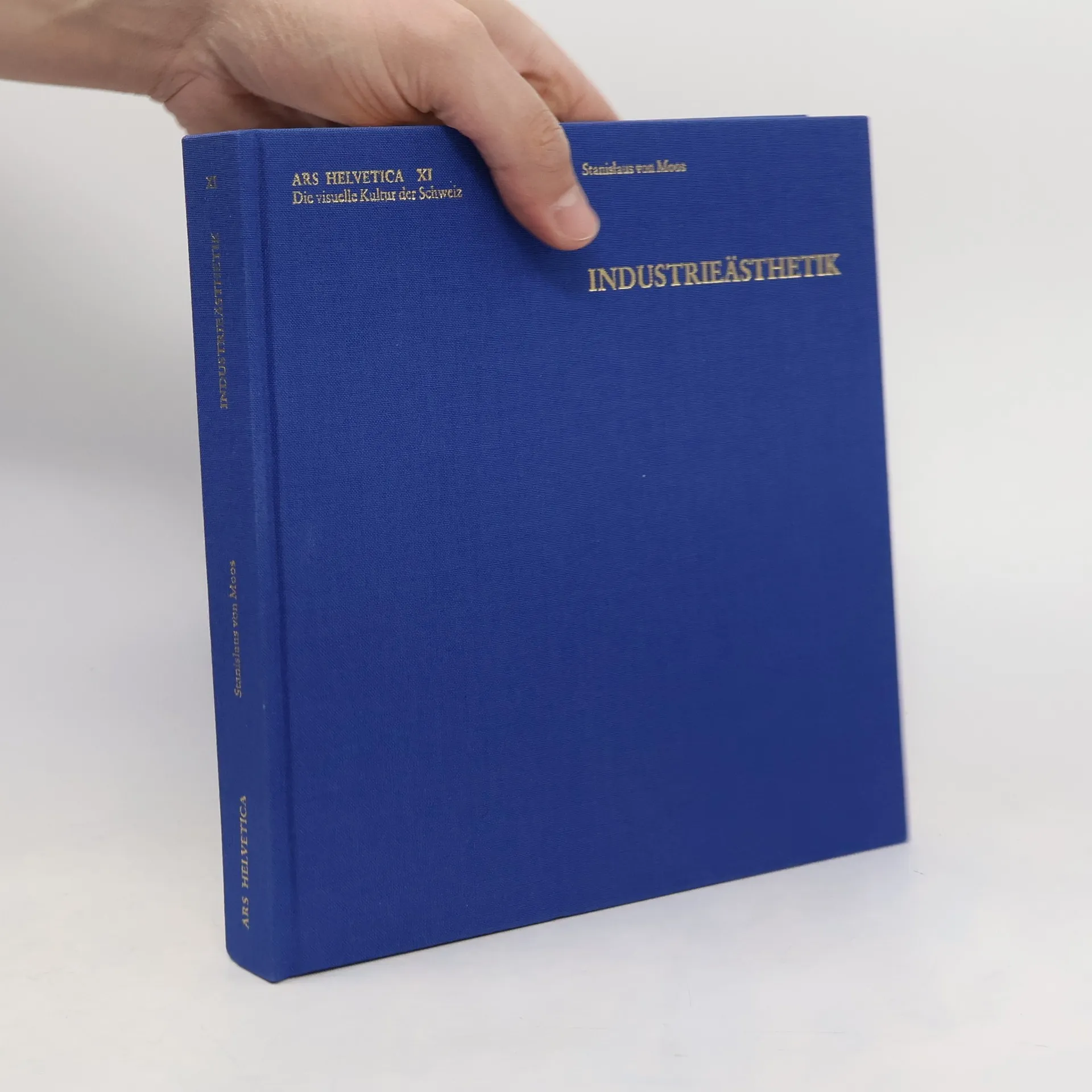
A gorgeous, gargantuan selection of Herzog & de Meuron's key projects, with documentation by leading photographers, essays and archival materials The complete works of Pritzker Prize-winning Swiss architects Herzog & de Meuron comprise around 600 buildings in nearly 40 countries. This book is a personal selection by art historian Stanislaus von Moos and architect Arthur Rüegg of 25 of the most important projects from throughout Herzog & de Meuron's career--from Tate Modern in London, the Elbphilharmonie in Hamburg and the Ricola Storage Building in Laufen to the parking structure at 1111 Lincoln Road in Miami. Through photographs by Balthasar Burkhard, Hannah Villiger, Margherita Spiluttini, Iwan Baan, Thomas Ruff and Wolfgang Tillmans, along with detailed technical data, plans and bibliographic references, Twentyfive x Herzog & de Meuronencapsulates all central aspects of the work of these influential architects. Two comprehensive essays reveal Herzog & de Meuron's working methods: von Moos explores the influence of perception in painting, sculpture and photography on their practice, while Rüegg examines their ambivalent view of the built world and how it is expressed from project to project. The book also includes previously unpublished photographs by Pierre de Meuron and Jacques Herzog's postcard collection--unexplored visual archives with a direct influence on their architectural work.
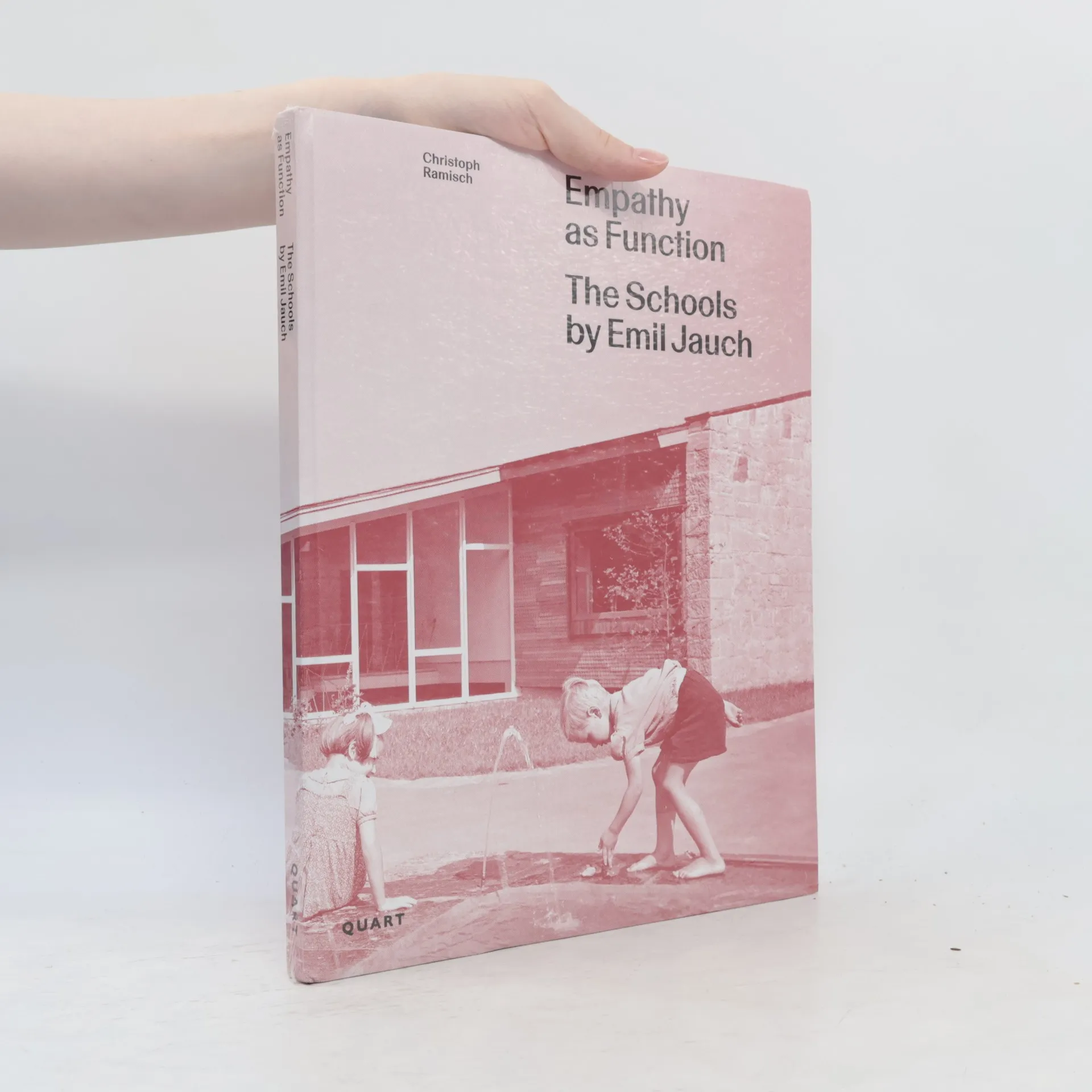
Until now, Emil Jauch (1911–1962) has been a little-known protagonist of Swiss post-war architecture. Shaped by the Scandinavian Modernity of the 1930s, his buildings are characterized by a remarkable sensitivity. This book demonstrates the Lucerne architect's empathetic design method by presenting his constructed school buildings. The publication describes the architect's life and work in three chapters, recognizing his achievements in school building and classifying them within the European context of a humanizing functionalism.
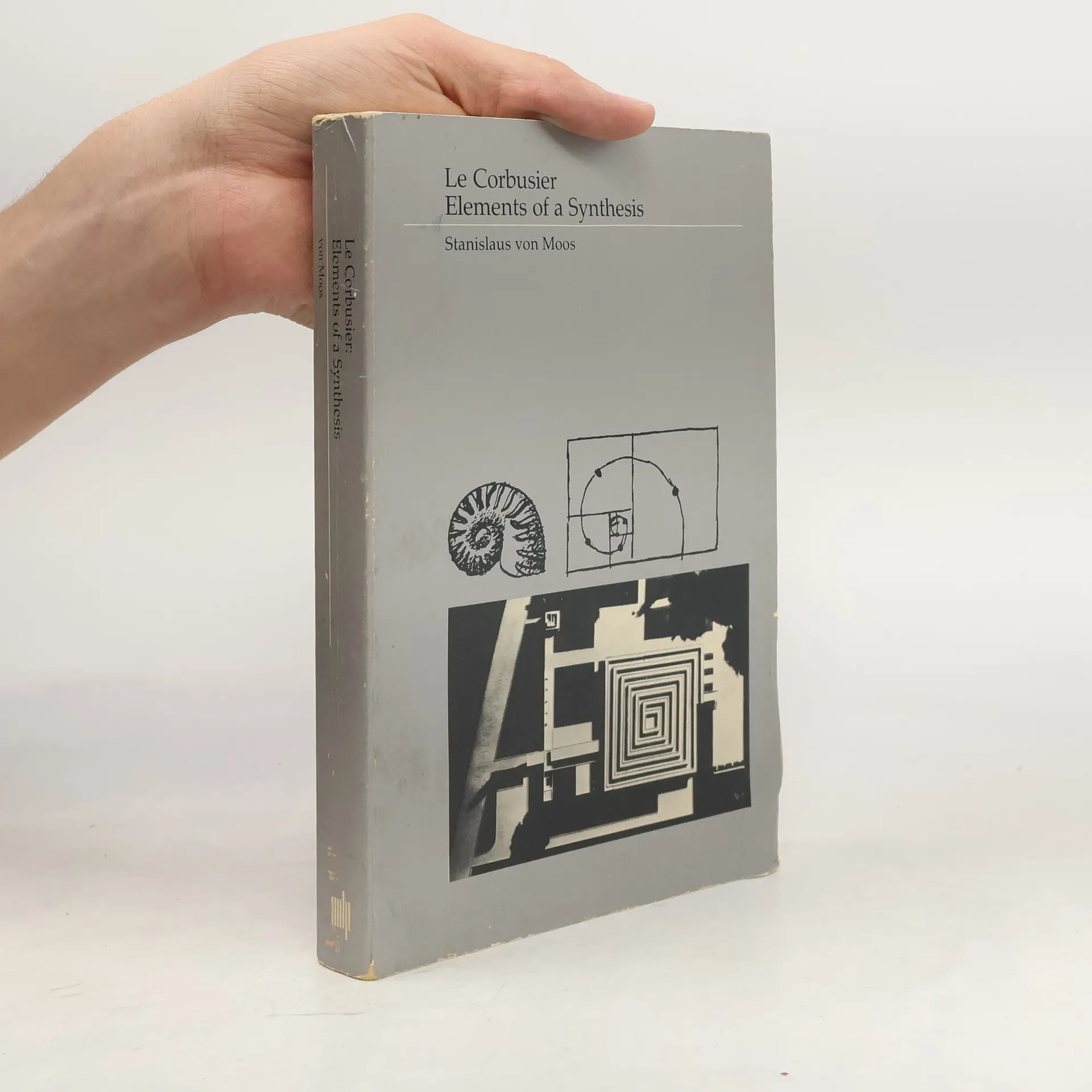
Originally published in Germany in 1968, this first comprehensive and critical survey of Le Corbusier's life and work soon became the standard text on the architect and polymath. French, Spanish, English, Japanese and Korean editions followed, but the book has now been out of print for almost two decades. In the meantime, Le Corbusier's archives in Paris have become available for research, resulting in an avalanche of scholarship. Von Moos' critical take and the basic criteria by which the subject is organized and historicized remain surprisingly pertinent in the context of this recent jungle of Corbusier studies. This new, completely revised edition is based on the 1979 version published in English by the MIT Press but offers a substantially updated body of illustrations. Each of the seven chapters is supplemented by a critical survey of recent scholarship on the respective issues. An updated edition of this acclaimed book, an essential read for students of architecture and architectural history.
Architekturdiskurs nach 1940. Eine Schweizer Spurensuche
448 páginas
16 horas de lectura
Die 1940er Jahre gelten in der Architekturgeschichte als eine Art Zwangspause, als eine Zeit der 'Ruhe' vor dem Bauboom nach 1945. Während in Europa der Zweite Weltkrieg wütete, blieb die vermeintlich neutrale Schweiz weitgehend von der Aussenwelt abgeschottet. Trotzdem oder gerade deshalb gab es seit 1940 vielfache Versuche, von dort aus 'Erste Hilfe' zu leisten: Nicht selten unter Berufung auf die Idee des Roten Kreuzes wurden politische und humanitäre Initiativen zur Wiederherstellung von 'Normalität' lanciert. Die verheerenden Zerstörungen und deren Folgen konfrontierten zudem die unmittelbar und mittelbar Betroffenen mit elementaren Fragen des Planens und Bauens: Notunterkunft, Wiederaufbau, Rekonstruktion, Neubau - Fragen, die von anhaltender Aktualität sind. Das Buch begibt sich auf Spurensuche, wie Schweizer Architekten, Historiker und Kritiker auf die Herausforderungen des Krieges reagierten. Ob strategisch, pragmatisch, theoretisch oder konkret - ihre Überlegungen richteten sich nicht nur nach aussen, sondern im Land selbst wurden Themen wie Landesplanung, Heimatschutz oder Altstadtsanierung befördert. Das Paradox, in der Zerstörung eine Chance zu sehen, löste geradezu eine Planungseuphorie aus. De facto hat die Nachkriegsmoderne bereits 1940 eingesetzt
„Expo-Syndrom?“ - Thema des vorliegenden Buches ist nicht nur und auch nicht in erster Linie die Expo.02. Sowohl der Begriff Expo (=Exposition, Ausstellung) als auch der Ausdruck „Syndrom“ zielen über den Schweizer Kontext hinaus. Was geschieht, wenn die moderne Warenwelt, wie 1851 im Londoner Kristallpalast, einen Grad an Vielheit und Vielfalt erreicht, dem das Auge nicht mehr gewachsen ist? - In einer solchen Situation müssen neue Formen der Wahrnehmung sowie mittel- und längerfristig neue Strategien der Inszenierung von Fortschritt und nationaler Identität erfunden werden. Die Geschichte der Schweizerischen Landesausstellung von 1883 bis heute bietet spannendes Anschauungsmaterial dazu. Sie wird in diesem Buch an exemplarischen Fallstudien vorgestellt. Dabei wird sichtbar, wie diese einzigartige und für die Schweiz charakteristische Institution immer wieder ein Ort kollektiver Selbstverständigung geworden ist. Das Zustandekommen der ersten Landesausstellung im dritten Jahrtausend ist in diesem Zusammenhang ein auffälliges Indiz. Den Beiträgen liegen Vorträge zugrunde, die im Sommersemester 2000 an der Universität Zürich gehalten wurden. In den anschliessenden Diskussionen kamen bisher kaum dokumentierte zeit- und kulturgeschichtliche Aspekte der Institution „Schweizerische Landesausstellung“ zur Sprache; sie bilden daher einen integralen Bestandteil des Buchs.