
Bookbot

Abhijit V. Banerjee Orden de los libros (cronológico)

    21 de febrero de 1961

    Abhijit Vinayak Banerjee es un distinguido economista indio reconocido por su enfoque experimental pionero para aliviar la pobreza global. Su trabajo se caracteriza por un profundo compromiso con la comprensión de las causas fundamentales de la pobreza a través de estudios rigurosamente diseñados. Aprovecha los datos empíricos y la investigación de campo para identificar soluciones efectivas, dando forma significativamente a la teoría y práctica económica moderna. Las metodologías innovadoras y la dedicación de Banerjee a la justicia social ofrecen ideas críticas para abordar complejos desafíos globales.

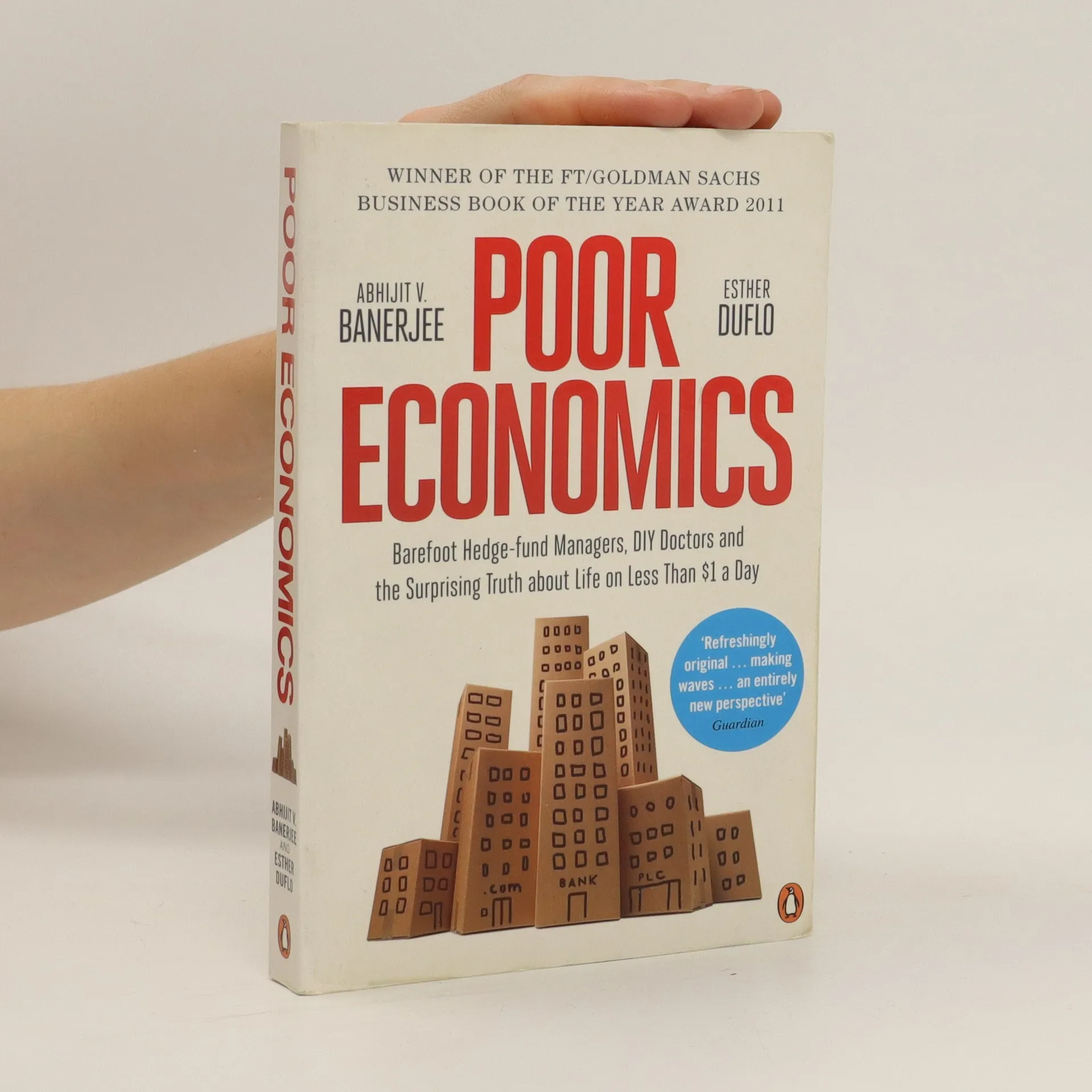
    Poor economics : barefoot hedge-fund managers, DIY doctors and the surprising truth about life on less than $1 a day
    Boston Review: Making Aid Work
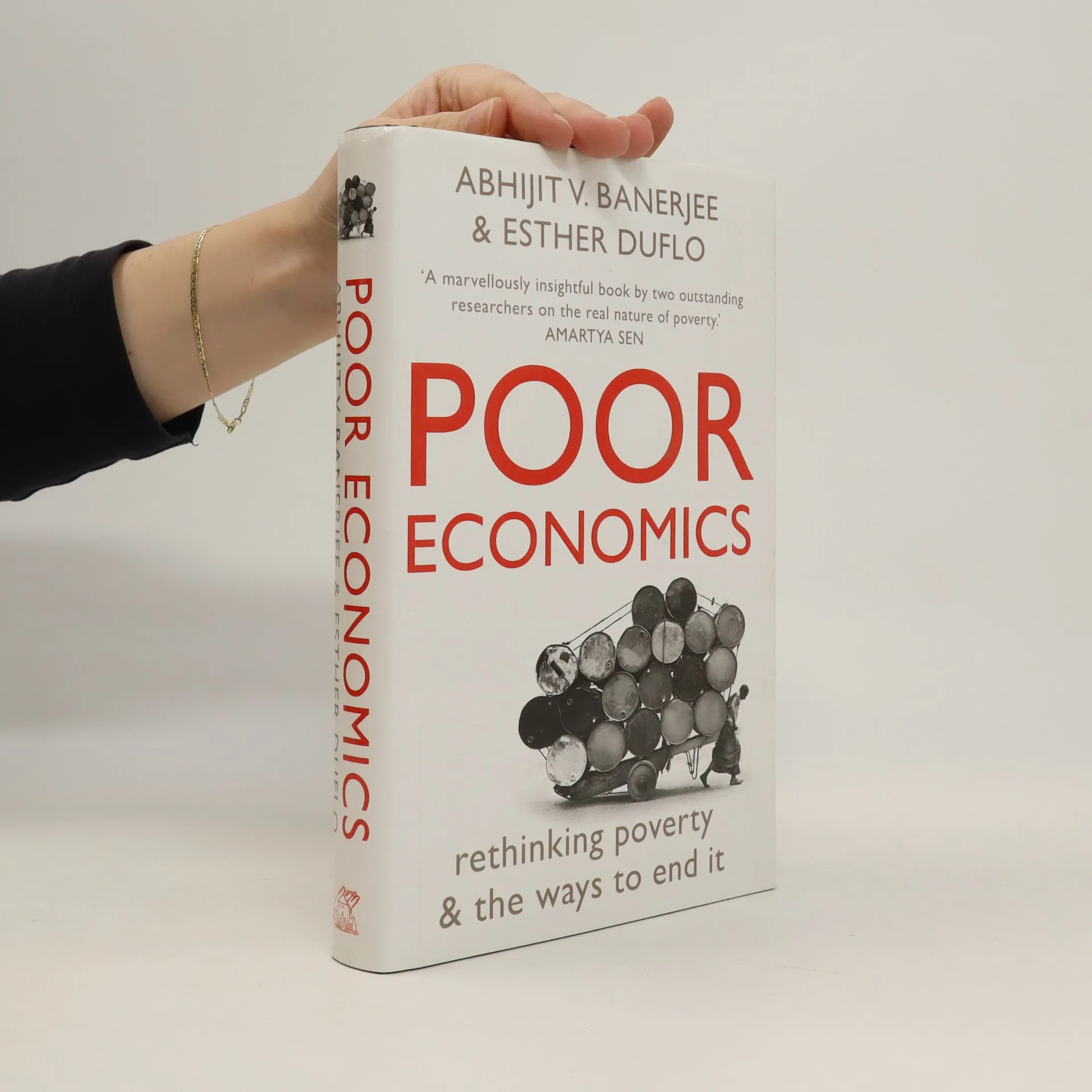
    Poor Economics : Rethinking Poverty & The Ways To End It
    Poor economics. A radical rethinking of the way to fight global poverty
    Buena economía para tiempos difíciles
    • Buena economía para tiempos difíciles

      En busca de mejores soluciones a nuestros mayores problemas

      • 464 páginas
      • 17 horas de lectura

      Figuring out how to deal with today's critical economic problems is perhaps the great challenge of our time. Much greater than space travel or perhaps even the next revolutionary medical breakthrough, what is at stake is the whole idea of the good life as we have known it. Immigration and inequality, globalization and technological disruption, slowing growth and accelerating climate change--these are sources of great anxiety across the world, from New Delhi and Dakar to Paris and Washington, DC. The resources to address these challenges are there--what we lack are ideas that will help us jump the wall of disagreement and distrust that divides us. If we succeed, history will remember our era with gratitude; if we fail, the potential losses are incalculable. In this revolutionary book, renowned MIT economists Abhijit V. Banerjee and Esther Duflo take on this challenge, building on cutting-edge research in economics explained with lucidity and grace. Original, provocative, and urgent, Good Economics for Hard Times makes a persuasive case for an intelligent interventionism and a society built on compassion and respect and show how economics, when done right, can help us solve the thorniest social and political problems of the day. It is an extraordinary achievement, one that shines a light to help us appreciate and understand our precariously balanced world.

      Buena economía para tiempos difíciles2019
      4,2
    • Winner of the 2011 Financial Times/Goldman Sachs Best Business Book of the Year Award Billions of government dollars, and thousands of charitable organizations and NGOs, are dedicated to helping the world's poor. But much of their work is based on assumptions that are untested generalizations at best, harmful misperceptions at worst. Abhijit Banerjee and Esther Duflo have pioneered the use of randomized control trials in development economics. Work based on these principles, supervised by the Poverty Action Lab, is being carried out in dozens of countries. Drawing on this and their 15 years of research from Chile to India, Kenya to Indonesia, they have identified wholly new aspects of the behavior of poor people, their needs, and the way that aid or financial investment can affect their lives. Their work defies certain presumptions: that microfinance is a cure-all, that schooling equals learning, that poverty at the level of 99 cents a day is just a more extreme version of the experience any of us have when our income falls uncomfortably low. This important book illuminates how the poor live, and offers all of us an opportunity to think of a world beyond poverty.

      Poor Economics : Rethinking Poverty & The Ways To End It2011
      4,2
    • Boston Review: Making Aid Work

      • 170 páginas
      • 6 horas de lectura

      With over a billion people living on less than a dollar a day and eight million dying annually due to extreme poverty, global poverty presents a significant moral challenge. Despite the flow of millions in aid to poor countries, results often fall short. In this context, Abhijit Banerjee, an "aid optimist," asserts that aid can be effective, but inefficiencies arise from a lack of analysis regarding which programs truly work. This inefficiency breeds unwarranted pessimism about aid's role in economic development. Banerjee calls on aid donors to improve their approaches by employing field experiments and randomized trials to evaluate programs, similar to the methods used for new drug assessments. He suggests that current development assistance could focus exclusively on programs with proven success. In response, prominent figures in the field, such as Nicholas Stern and Angus Deaton, question whether randomized trials are universally applicable for evaluating success. They also explore broader issues regarding the role of aid in economic development and the types of interventions—whether micro or macro, political or economic—that will genuinely enhance the lives of impoverished individuals. With one in six people living in extreme poverty, finding effective solutions is imperative.

      Boston Review: Making Aid Work2007