

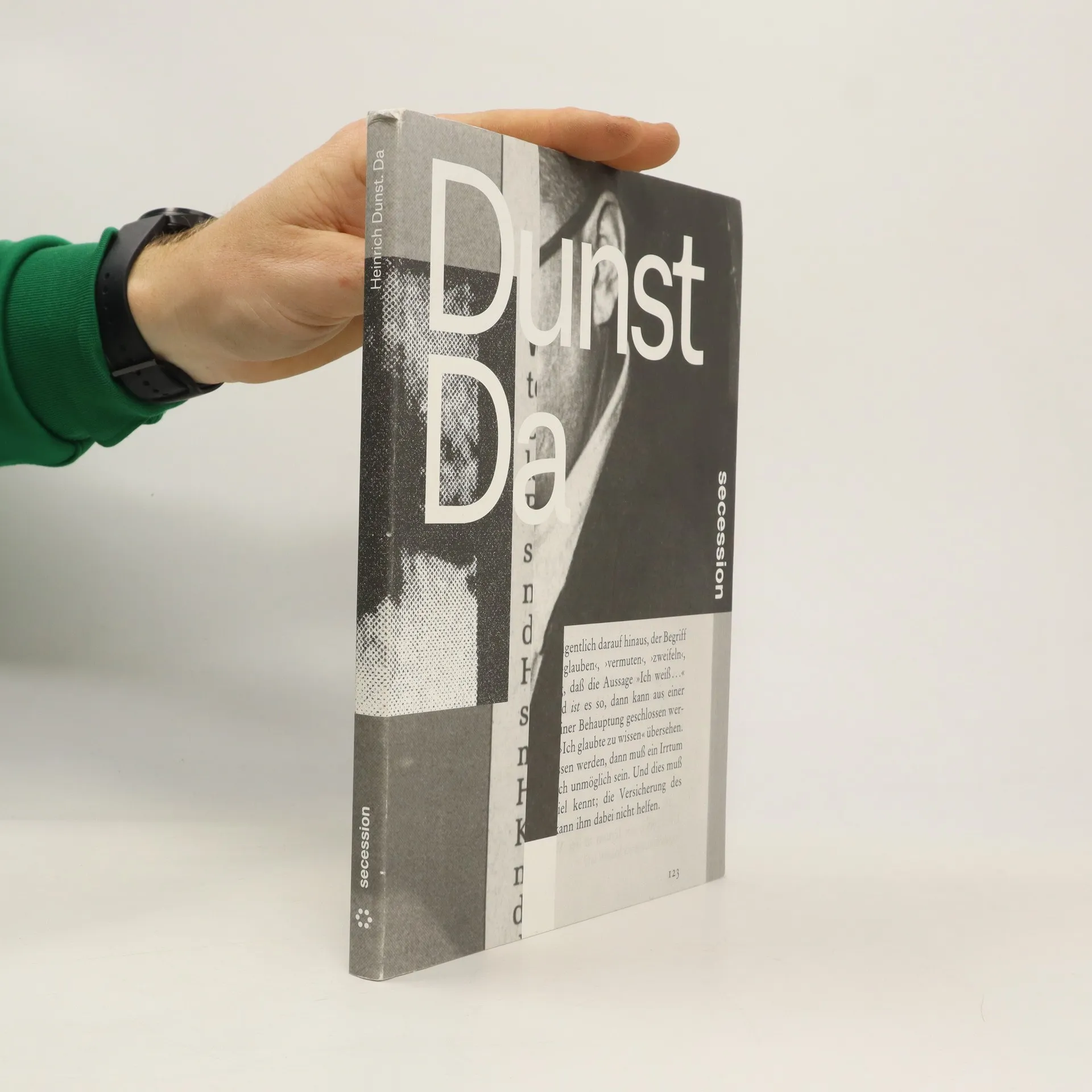
Dunst’s conceptual approach draws from artists like Marcel Broodthaers, who examine the systems behind word and image perception, and the 1980s Viennese scene that sought to expand abstract painting into exhibition spaces. He revitalizes these complex issues by creating correlations and questioning the apparent meanings of elements through variation and superimposition. In the Secession, the “D” and “A” cut from pink foam lean against a diagonal wall, acting as a hypertext line. This prompts exploration of spatial context, transforming the letters into “da-vor,” “da-neben,” “da-bei,” or “da-hinter.” The repetition of letters on the back of the wall further alienates and reformulates their front-facing presence, establishing a spatial axis despite their invisibility together. This raises questions about the meaning of “DA” and whether the letters become a stuttering reference to DADA, challenging traditional art forms. Dunst’s work, characterized by a nuanced and anti-authoritarian stance, avoids expressionistic extremes, offering a calm yet raw experience. It navigates between textual and painterly realms, guiding viewers through diverse perspectives while manipulating their interpretations. A large illustrated section by Walter Pamminger applies the exhibition’s wall concept to the book, organizing space and perception according to recto and verso principles.
Heinrich Dunst Libros
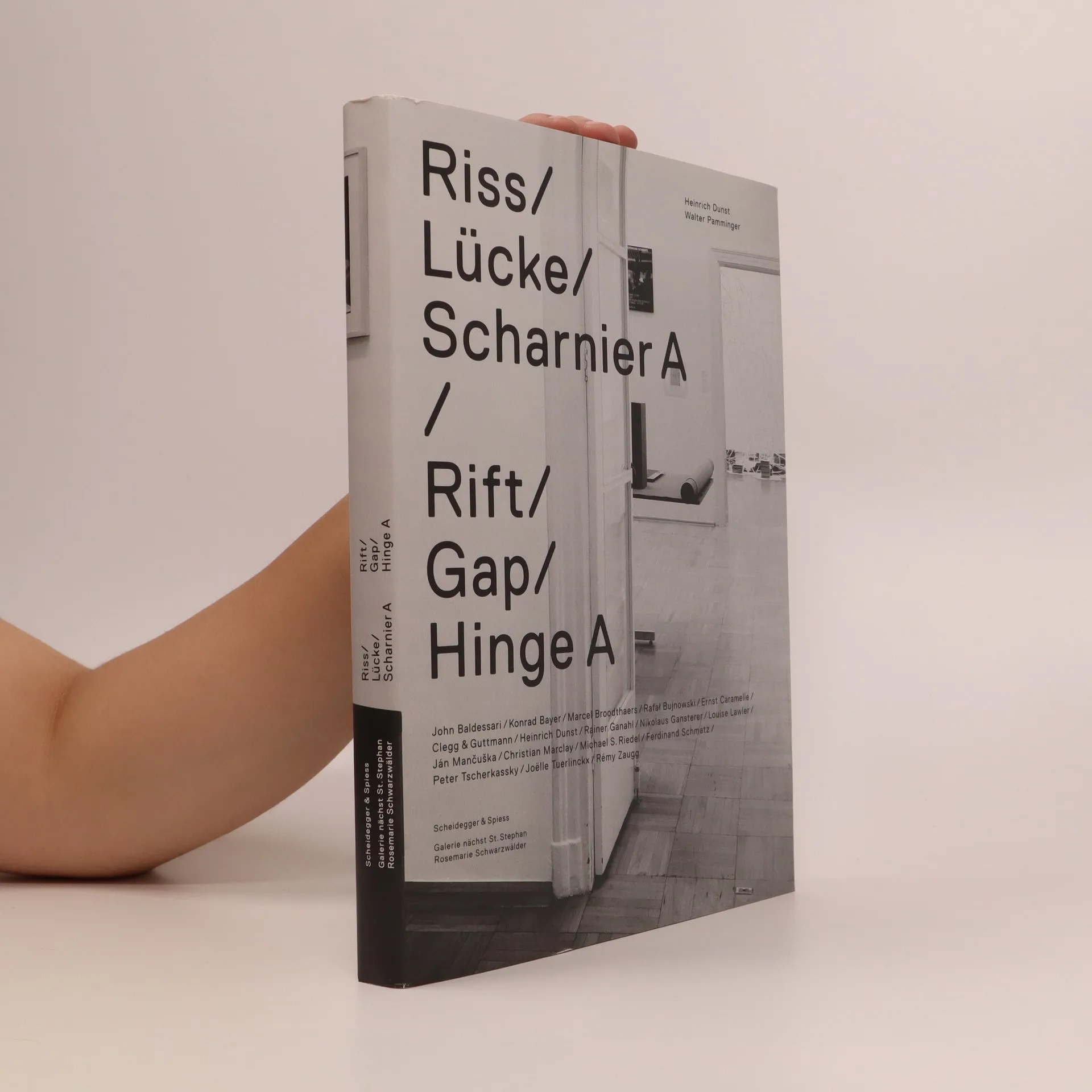
Riss, Lücke, Scharnier A: Rift, gap, hinge A
- 228 páginas
- 8 horas de lectura
Die Wiener Galerie nächst St. Stephan, Rosemarie Schwarzwälder, zeigte 2006/07 eine vielbeachtete Ausstellung: Der Kurator Heinrich Dunst (*1955) hatte bedeutende Arbeiten der Künstler John Baldessari, Konrad Bayer, Marcel Broodthaers, Rafał Bujnowski, Ernst Caramelle, Clegg & Guttmann, Heinrich Dunst, Rainer Ganahl, Nikolaus Gansterer, Louise Lawler, Ján Mančuška, Christian Marclay, Michael S. Riedel, Ferdinand Schmatz, Peter Tscherkassky, Joëlle Tuerlinckx und Rémy Zaugg versammelt, die sich mit dem Spannungsverhältnis von Medium und Zeichen, von 'Sichtbarem' und 'Sagbarem' beschäftigen und die Verbindungen zwischen bildender Kunst, Film und Literatur verdeutlichen. In diesem Rundgang durch die Ausstellung in Buchform, werden die Arbeiten nun dokumentiert, darüber hinaus jedoch auch das Verhältnis von Kunst und ihrer Darstellung analysiert. Entstanden ist ein höchst vitales Panorama zeitgenössischer Kunst, das neben rund 70 Werk- und Ausstellungsfotografien auch Werkbeschreibungen sowie einen einordnenden Essay enthält. Weit mehr als eine Dokumentation.