Allen Kurzweil se sumerge en las intrincadas pasiones de sus personajes, una dedicación que lo ha llevado a estudiar el diseño de libros emergentes y la reparación de pianos mecánicos. Su obra se caracteriza por un profundo compromiso con la vida interior de sus personajes, que a menudo se manifiesta en la construcción de artilugios inventivos y peculiares que reflejan sus complejidades. Este enfoque único imbuye sus narrativas de una profundidad distintiva y un estilo imaginativo.
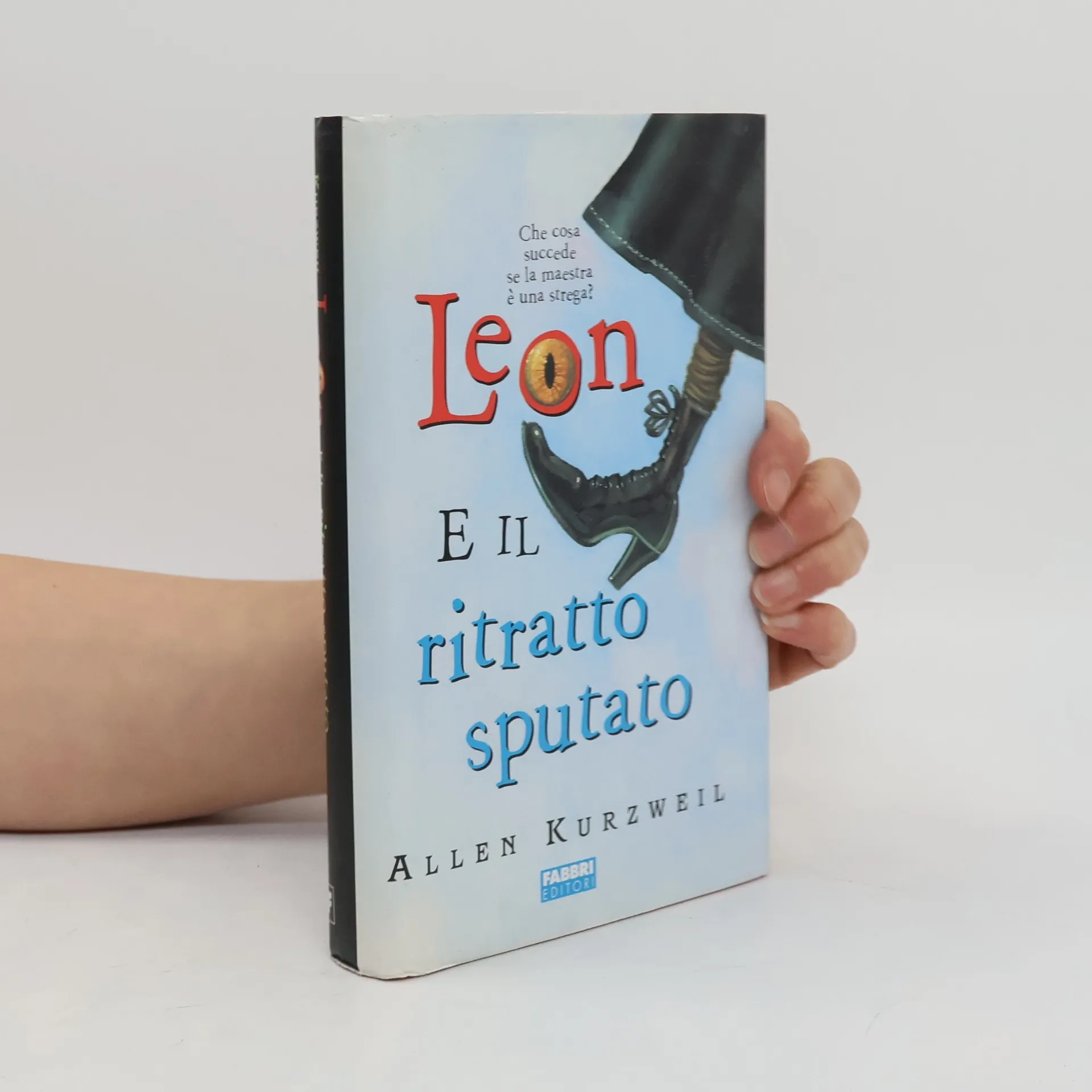
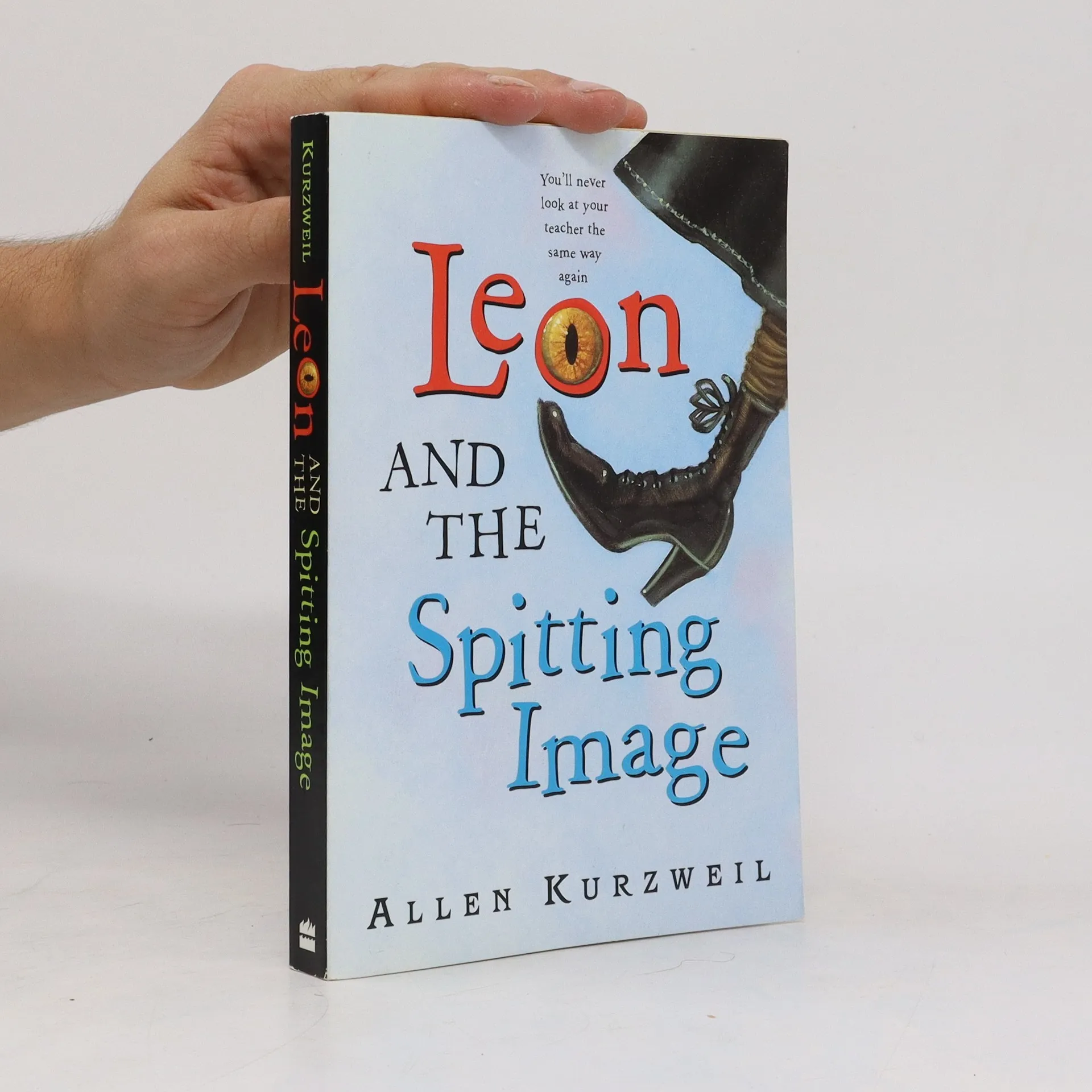
This book is about a hotel full of animals. And an evil ice maker. And glass eyeballs -- oh, and really old panty hose and Possibly Fake Hair. But mostly, it's about Leon Zeisel and his epic quest to survive fourth grade, despite his teacher, Miss Hagmeyer, and his archenemy, Lumpkin the Pumpkin, a human tank with a deadly dodgeball throw. Luckily, Leon has friends who will stand by him even if his magical plans for rescue and revenge involve ... SPIT!
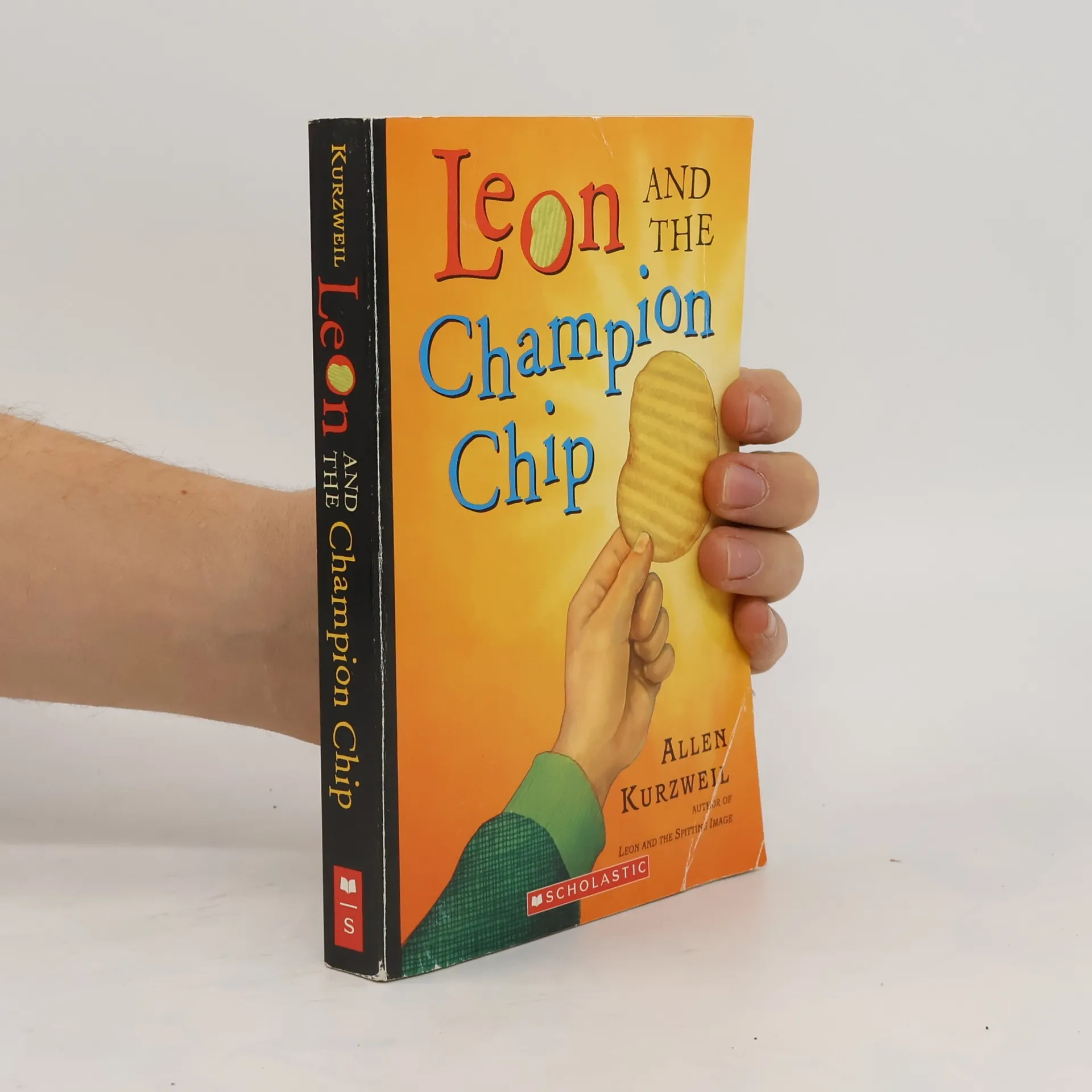
Employing scientific methods learned in Mr. Sparks's class, fifth-grader Leon competes in a potato chip tasting contest and takes revenge against Lumpkin the bully.
A delicious compendium of quirky colleagues, erotic pop-ups, deviant passions, and miraculous examples of theft, the book is a grand and complicated "timepiece," told with a devilish sense of fun. Narrated by Alexander Short, a stylish young reference librarian of arcane interests, The Grand Complication propels the reader through a card catalog of desperation and delight, of intrigue and theft. It's a novel of suspense that comes full circle, with a clock-maker's precision and a storyteller's surprise, on page 360. The account begins with Alexander's job in jeopardy and his marriage destined for the Discard shelf. Enter the improbably named Henry James Jesson III, a bibliophile who hires the librarian for some after-hours research. The task: to render whole an incomplete cabinet of wonders chronicling the life of a mysterious eighteenth-century inventor. As the investigation heats up, Alexander realizes there are many more secrets lurking in Jesson's cloistered world than those found inside his elegant Manhattan town house. With a notebook tethered to his jacket, Alexander plunges headlong into the search, only to discover that the void in the cabinet is rivaled by an emptiness in his heart.
In France, on the eve of the Revolution, a young man named Claude Page sets out to become the most ingenious and daring inventor of his time. In the course of a career filled with violence and passion, Claude learns the arts of enameling and watch making from an irascible, defrocked abbé, apprentices himself to a pornographic bookseller, and applies his erotic erudition to the seduction of the wife of an impotent wigmaker. But it is Claude‘s greatest device—a talking mechanical head—that both crowns his career and leads to an execution as tragic as that of Marie Antoinette, and far more bizarre.