
Bookbot

Friedel Lenz

    2 de octubre de 1897 – 16 de noviembre de 1970
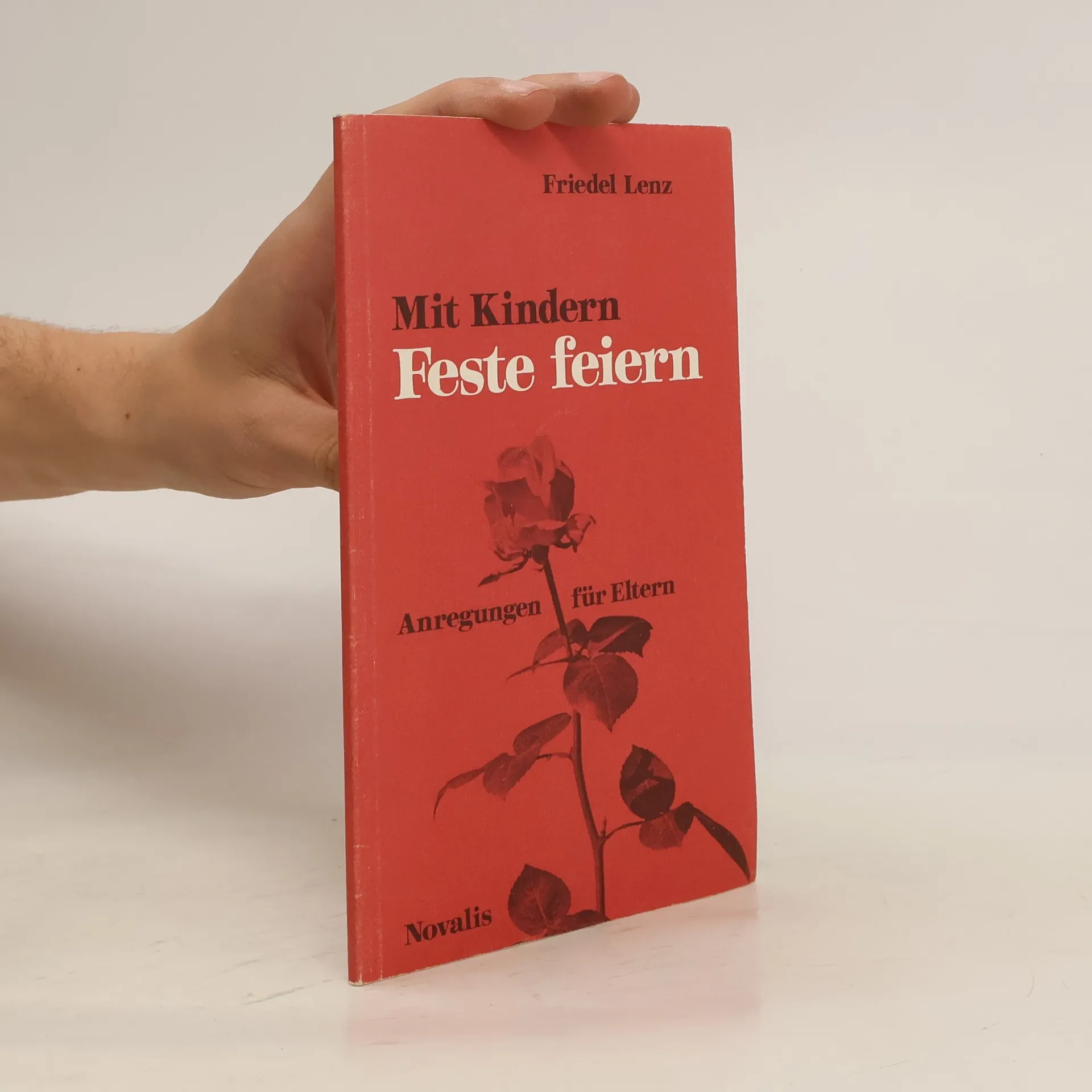
    Die keltische Drachenmythe. Die drei Söhne des Fischers
    Auf der Schwelle von Weltzeitaltern
    Sinndeutung
    Cuentos
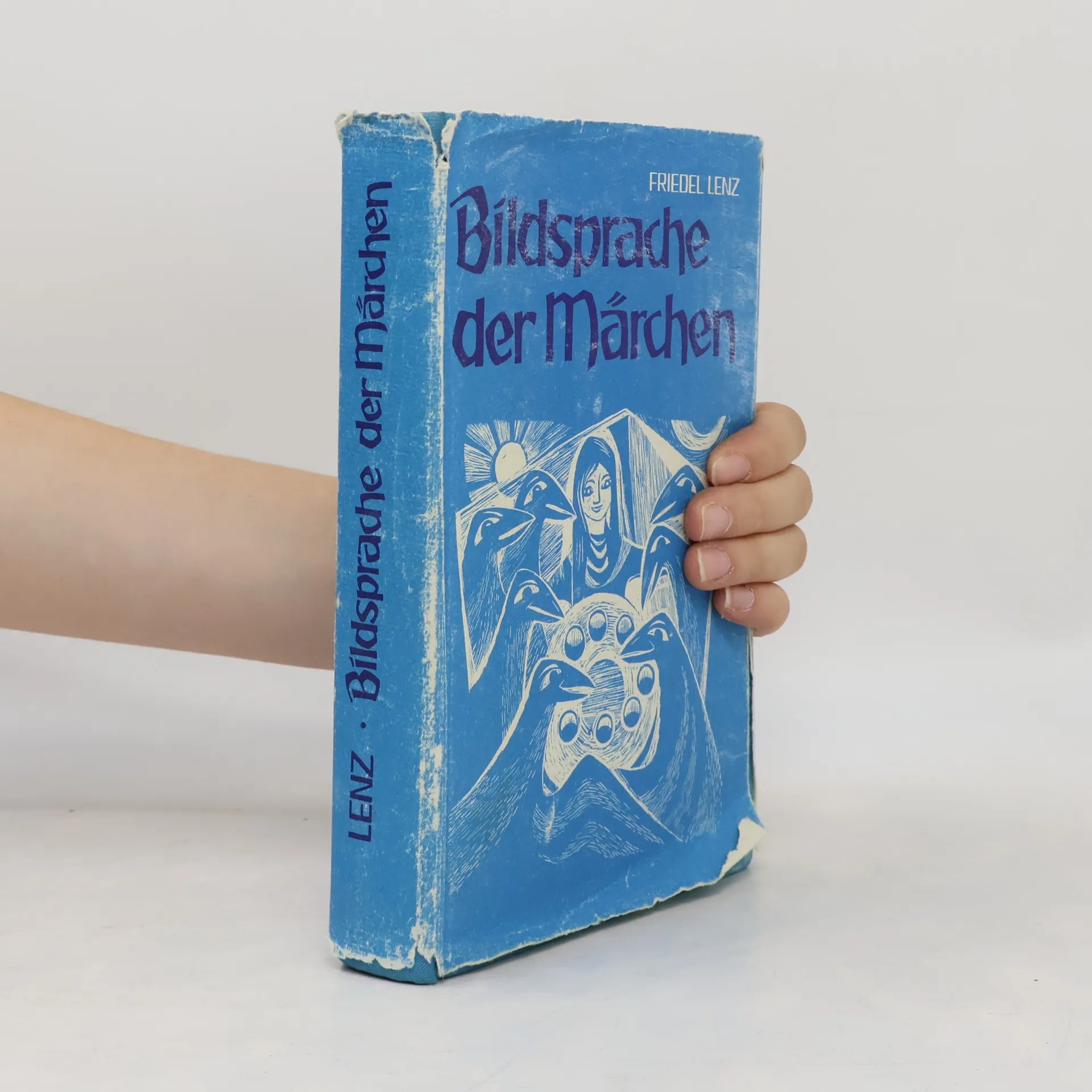
    Bildsprache der Märchen
    The picture language of folktales
    • The picture language of folktales

      • 300 páginas
      • 11 horas de lectura

      Interspersing commentary with the telling of the tale, Friedel Lenz explores the meaning of twenty-five of the Grimm folktales. She uses the concepts of the nature and evolution of the human being developed by Rudolf Steiner in his basic books on Anthroposophy. In particular, Lenz views the human being as possessing body, soul and spirit and the soul as having three functions: feeling, thinking and willing. She shows how the Grimm stories depict spiritual growth and human dignity. Her interpretations show how right Wilhelm Grimm was that the folktales are fragments of a "shattered jewel", an ancient faith based on deep knowledge of the spiritual nature and evolution of mankind. Rightly understood, the stories are probably the most profound literature we possess. The child of four, five and six can still sense that profound truth. Lenz's commentary enables even modern adults to grasp the deep significance of the stories. Friedel Lenz (1897 - 1970) knew Rudolf Steiner and studied in the Waldorf teacher training program. In World War II, her husband and two daughters were killed; she and two sons survived. She then made a new life for herself as a teller of folktales to children and a lecturer who brought them alive and made them understandable to adults.
      The picture language of folktales2018
    • Die keltischen Drachenmythen entstammen einem alten mythologischen Erbe, das über den gälisch-keltischen Raum hinausgeht. Sie erzählen von Wasserwesen und Gaben, wobei die Geschichte der drei Söhne eines Fischers und ihrer Begegnung mit einem Seeungeheuer im Mittelpunkt steht.

      Die keltische Drachenmythe. Die drei Söhne des Fischers1978
    • Cuentos

      • 303 páginas
      • 11 horas de lectura

      La celebridad de los hermanos JACOB LUDWIG (1785-1863) y WILHELM KARL (1786-1859) GRIMM se cimenta en la permanente lectura de que han sido objeto, a través de las generaciones, sus «Cuentos infantiles y del hogar», recopilación de relatos populares renacida del interés por el pasado medieval propio del romanticismo. La presente antología reproduce las ilustraciones de Otto Ubbelohde y reúne cincuenta CUENTOS entre los que figuran piezas tan universalmente conocidas como «Caperucita Roja», «Blancanieves», «Pulgarcito» o «La Cenicienta».

      Cuentos1977
      4,3
    • Ein Leben lang hat sich die Autorin mit Volksmärchen befaßt und deren Deutung auf dem Hintergrund christlicher Religion und geisteswissenschaftlichen Studiums zu ihrer Lebensarbeit erhoben. Wie sieht sie denn nun aus, diese Bilderwelt? Was bedeuten sie, die Riesen, Zauberer, Zwerge, Feen und Elfen, die sprechenden Tiere, Pflanzen und Steine? Ist es nicht verwegen, zu behaupten, Märchen seien Spiegelbilder geistiger Schaffensprozesse? Aus dem Inhalt: Schicksalsmärchen / Der Mensch als Mitgestalter / Kleine Symbol-Übersicht.

      Bildsprache der Märchen1976
      4,5