Sibilla Aleramo Libros
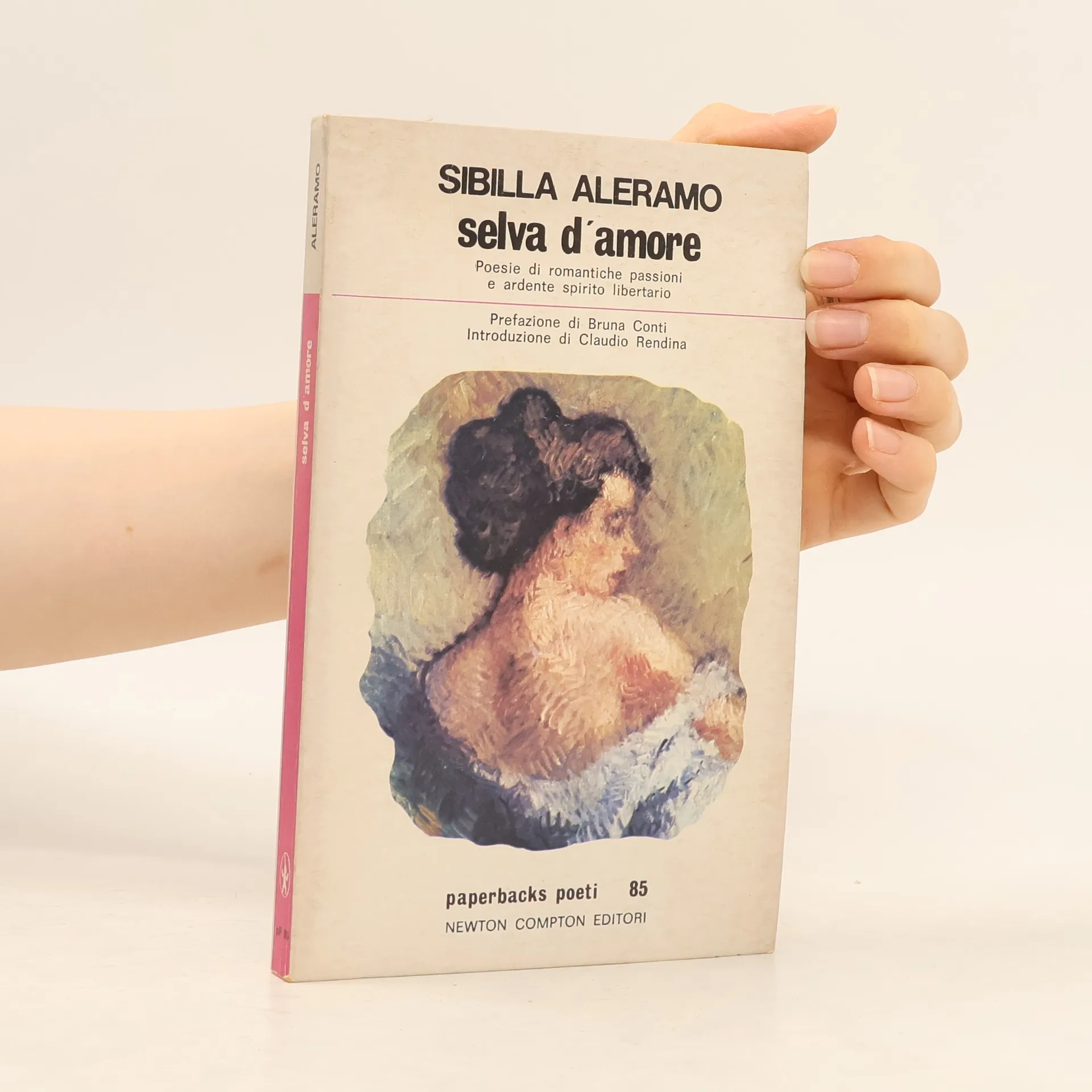
Sibilla Aleramo fue una autora y feminista italiana, reconocida por sus representaciones autobiográficas de la vida como mujer a finales del siglo XIX en Italia. Su primer libro narra su decisión de abandonar a su esposo e hijo y mudarse a Roma en 1901, sumergiéndose en círculos políticos y artísticos. Durante este tiempo, escribió extensamente sobre feminismo y la comprensión de la homosexualidad. Su obra se centra en las vivencias personales y la condición social de las mujeres de su época.
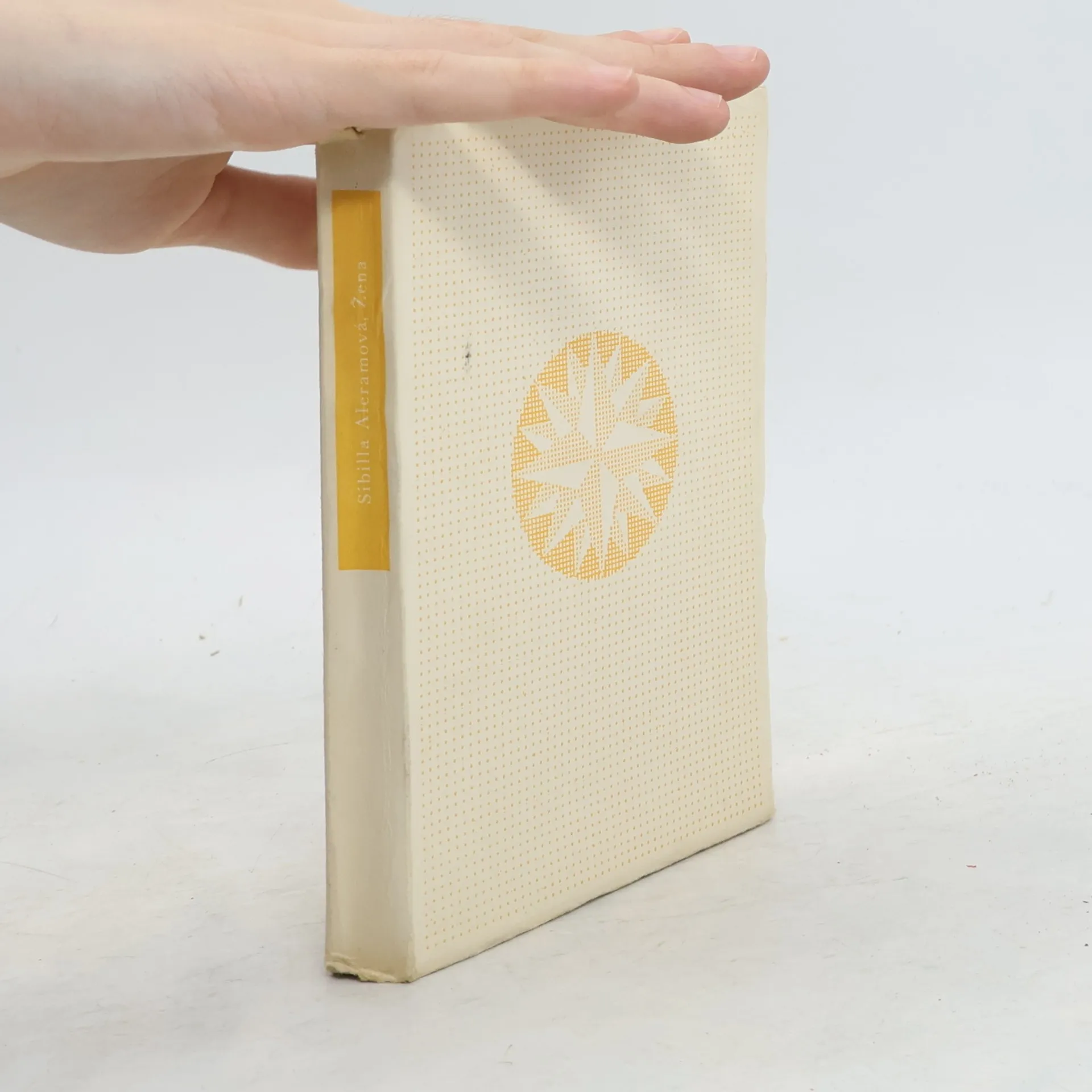
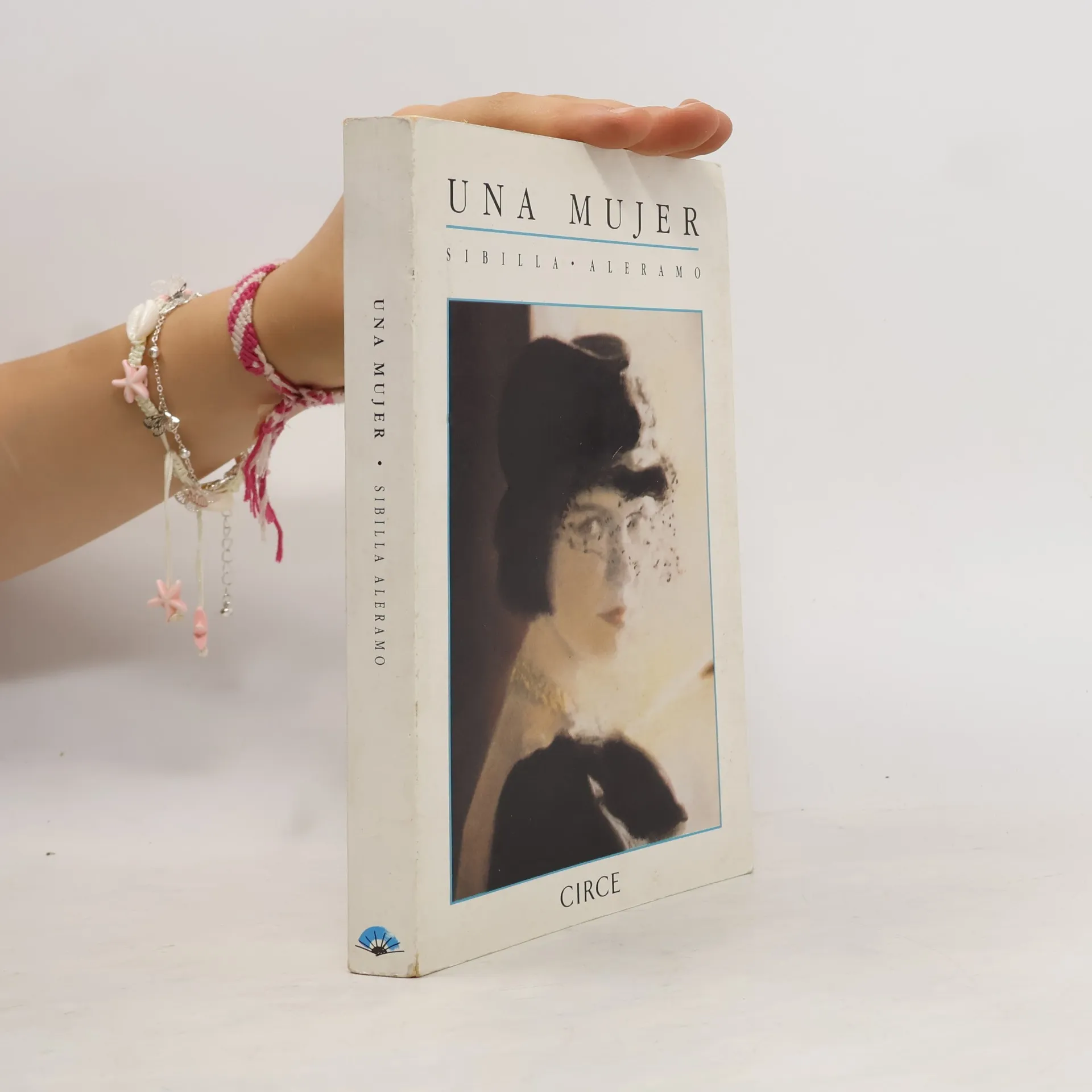
"Kniha, kniha... Nedoufala jsem, že bych ji byla schopna kdy napsat. Ale pociťovala jsem přímo trýznivá muka, když jsem si představovala tuto knihu, o jejíž nutnosti jsem byla tak přesvědčena, knihu o lásce a bolesti, dojímavou, a přece užitečnou, nelítostnou, a přece soucitnou, která by poprvé ukázala celému světu duši moderní ženy, která by se poprvé dotkla svědomí a citu muže, toho smutného druha... Což ji nikdo nenapíše?" Tuto patetickou otázku zodpověděla Sibilla Aleram kdysi dávno na počátku 20. století svou zpovědí nejslavnější, nazvanou prostě Žena. Historií mladé ženy, jež uvede ve skutek gesto Ibsenovy Nory. City a myšlenky, jež tu, tehdy mladičká, autorka vyslovila, věk možná prohloubil, umělecká zkušenost vytříbila její výraz, přesto však zaujímá Žena první místo v její tvorbě: pro svou upřímnost, naléhavost, pro svůj mladistvý elán.
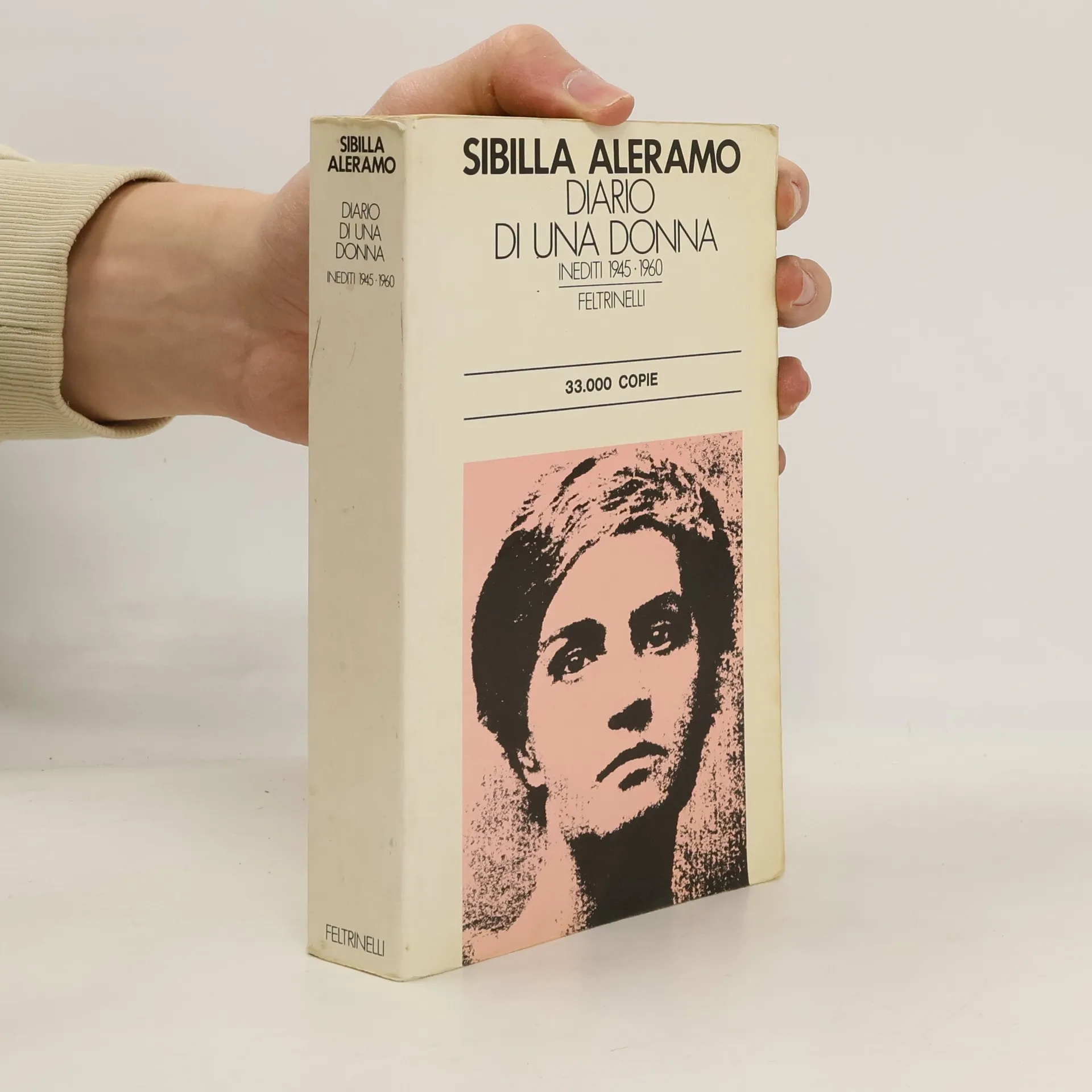
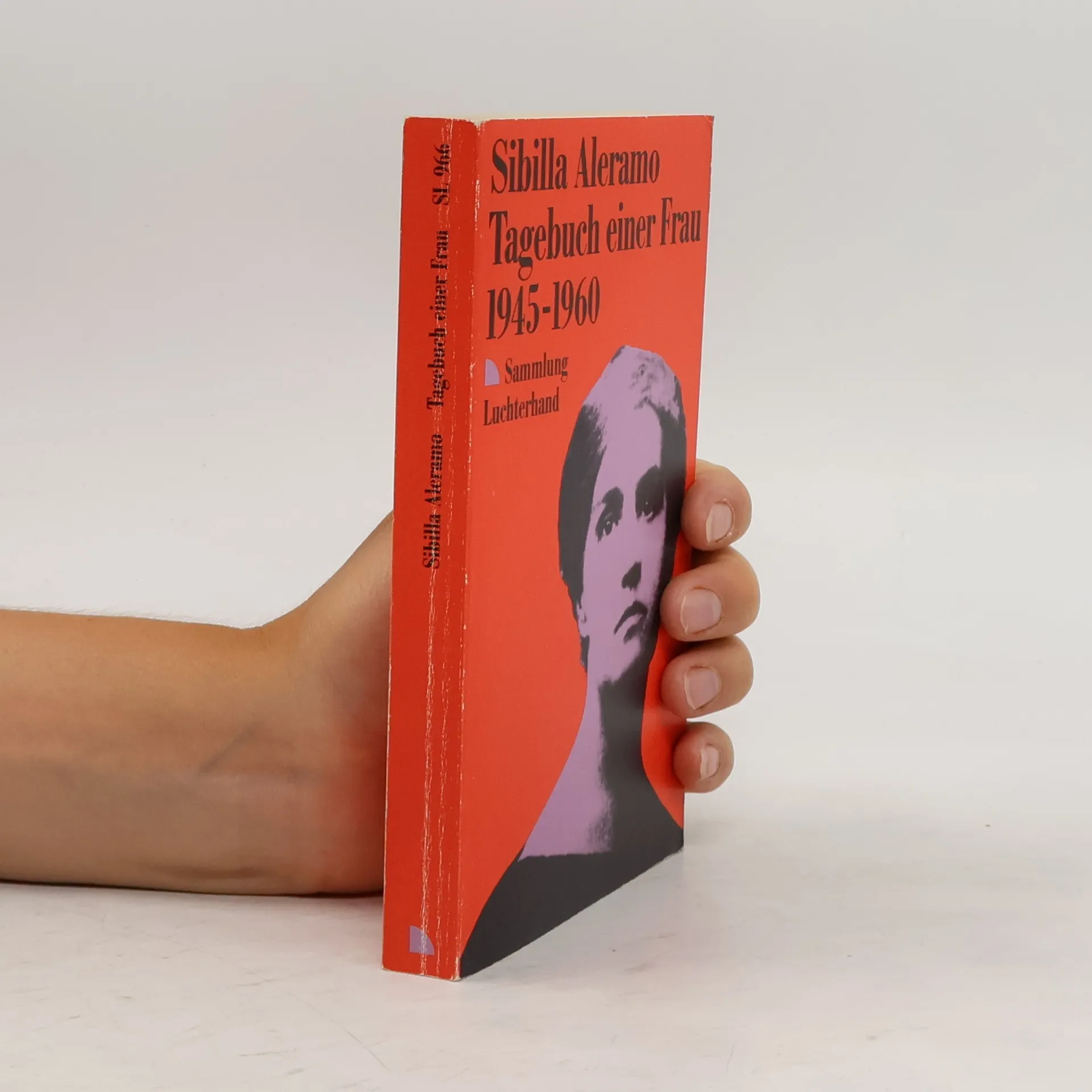
Tagebuch einer Frau 1945-1960
- 286 páginas
- 11 horas de lectura
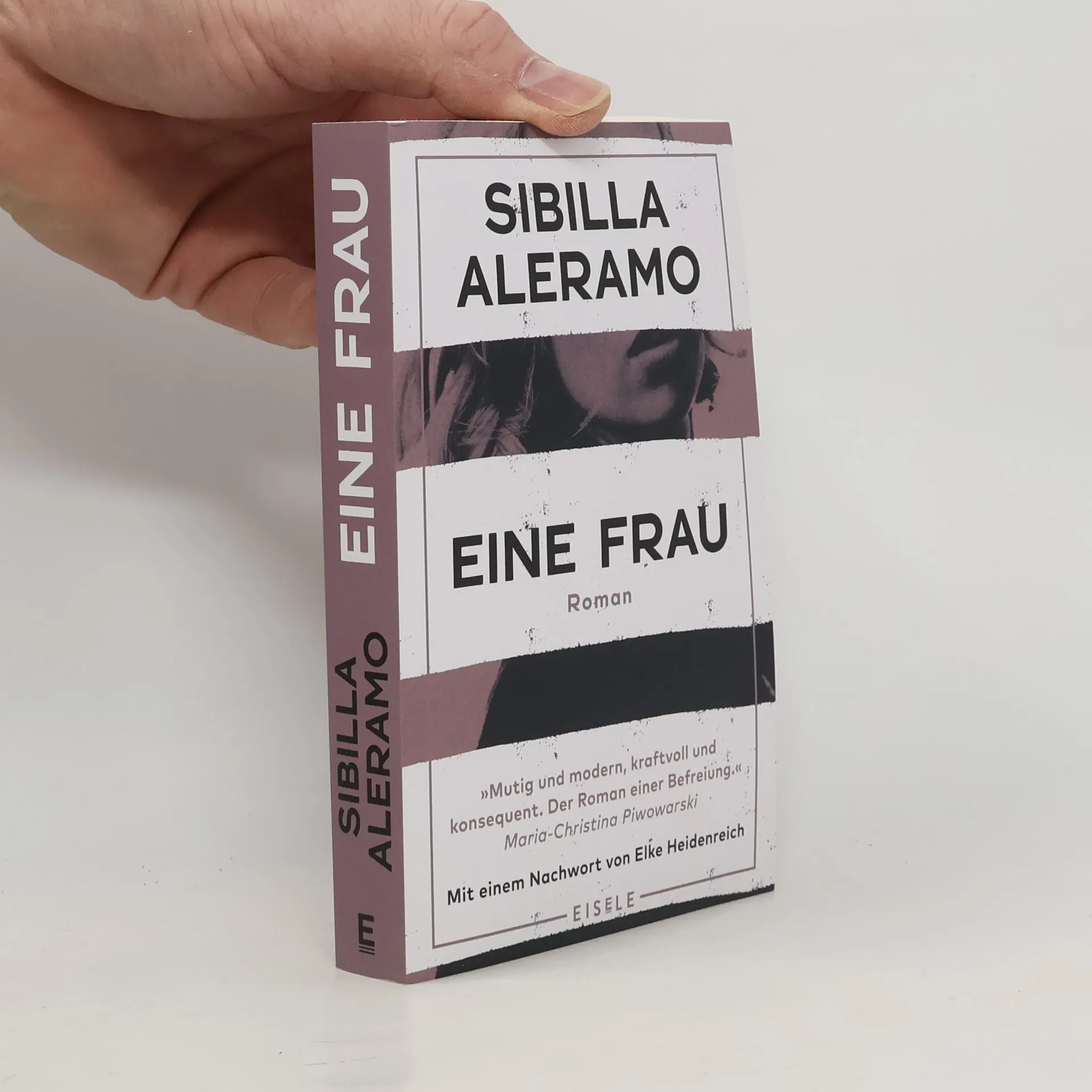
Eine Frau
Roman - Mit einem Nachwort von Elke Heidenreich | „Mutig und modern, kraftvoll und konsequent. Der Roman einer Befreiung.“ Maria-Christina Piwowarski
- 288 páginas
- 11 horas de lectura
„Lieben und Opfer bringen! War ihr Schicksal vielleicht das Schicksal aller Frauen?“ Der erste feministische Roman Italiens in deutscher Neuübersetzung Die unbeschwerte Kindheit von Sibilla Aleramo findet ein abruptes Ende, als sie sich mit siebzehn Jahren in einen Arbeiter aus der Glasfabrik ihres Vaters verliebt, ungeplant schwanger wird und heiraten muss. Plötzlich Mutter und Ehefrau, sieht sie sich gefangen in den patriarchalen Strukturen der damaligen Zeit – so wie ihre eigene Mutter und alle Frauen, die sie kennt. Doch statt sich den Erwartungen an ihre neue Rolle zu fügen, strebt sie nach Freiheit, Selbstbestimmung und einem Leben voller Bildung und Literatur. Sibilla Aleramo ist „eine Frau“ – und doch fängt sie das Schicksal einer ganzen Generation von Frauen ein und beschreibt authentisch und mit außergewöhnlicher Intensität, wie sich ihre Protagonistin aus den Fesseln der Tradition befreit und ihre eigene Identität findet. Eine Frau ist nicht nur das eindringliche Porträt der italienischen Gesellschaft um die Jahrhundertwende, sondern auch ein Manifest für Gleichberechtigung in jedem Sinne – und inspiriert so noch heute, über die Grenzen der eigenen Lebensumstände hinaus zu denken. „Die erste feministische Autorin Italiens!“ La Repubblica
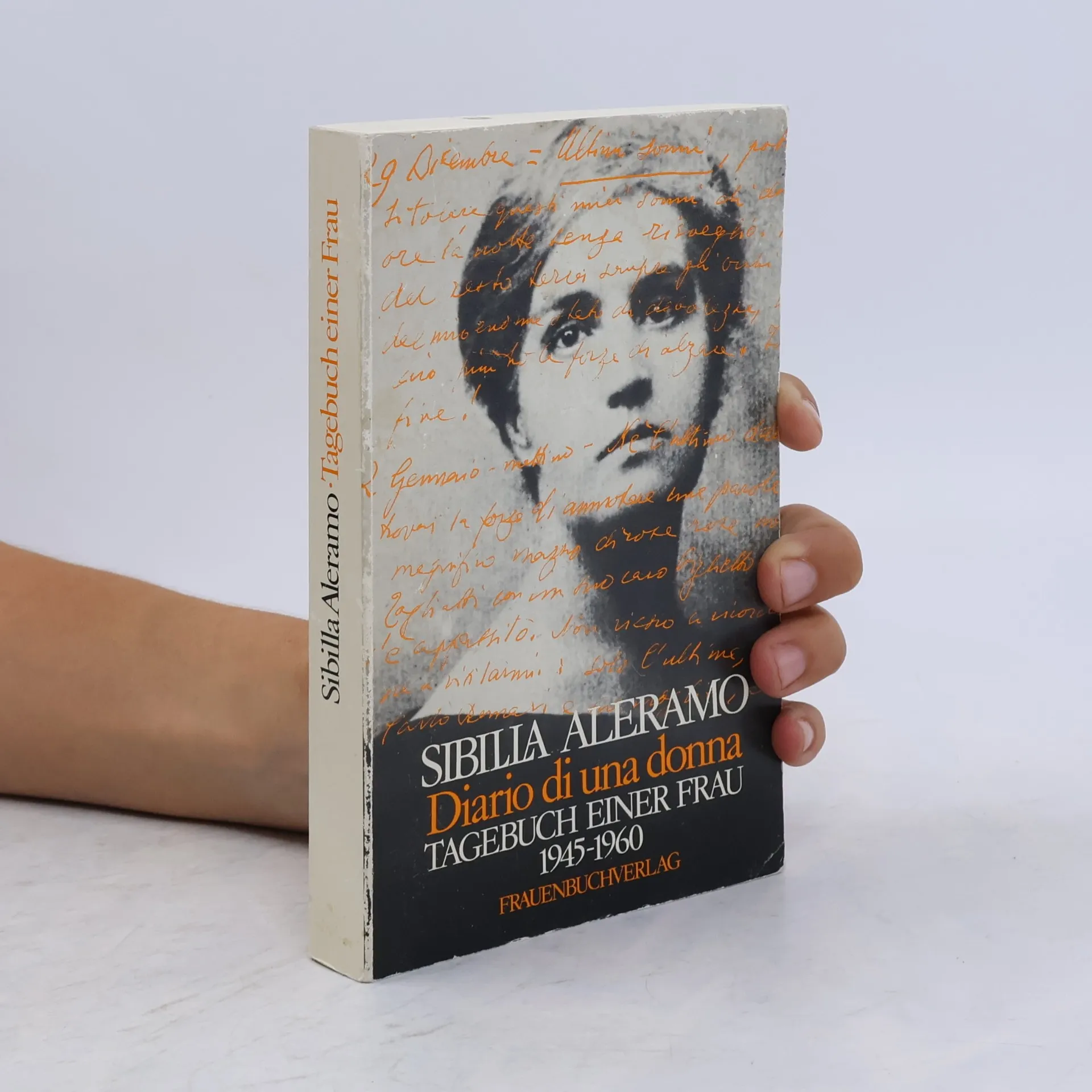
Diario di una donna. Tagebuch einer Frau 1945 - 1960
Mit e. Erinnerung v. Fausta Cialente u. e. Chronologie d. Lebens d. Autorin. Ausgew. u. hrsg. v. Alba Morino
- 286 páginas
- 11 horas de lectura
Ausgew. u. hrsg. v. Morino, Alba. Mit e. Erinnerung v. Cialente, Fausta. 288 S. N.-A.
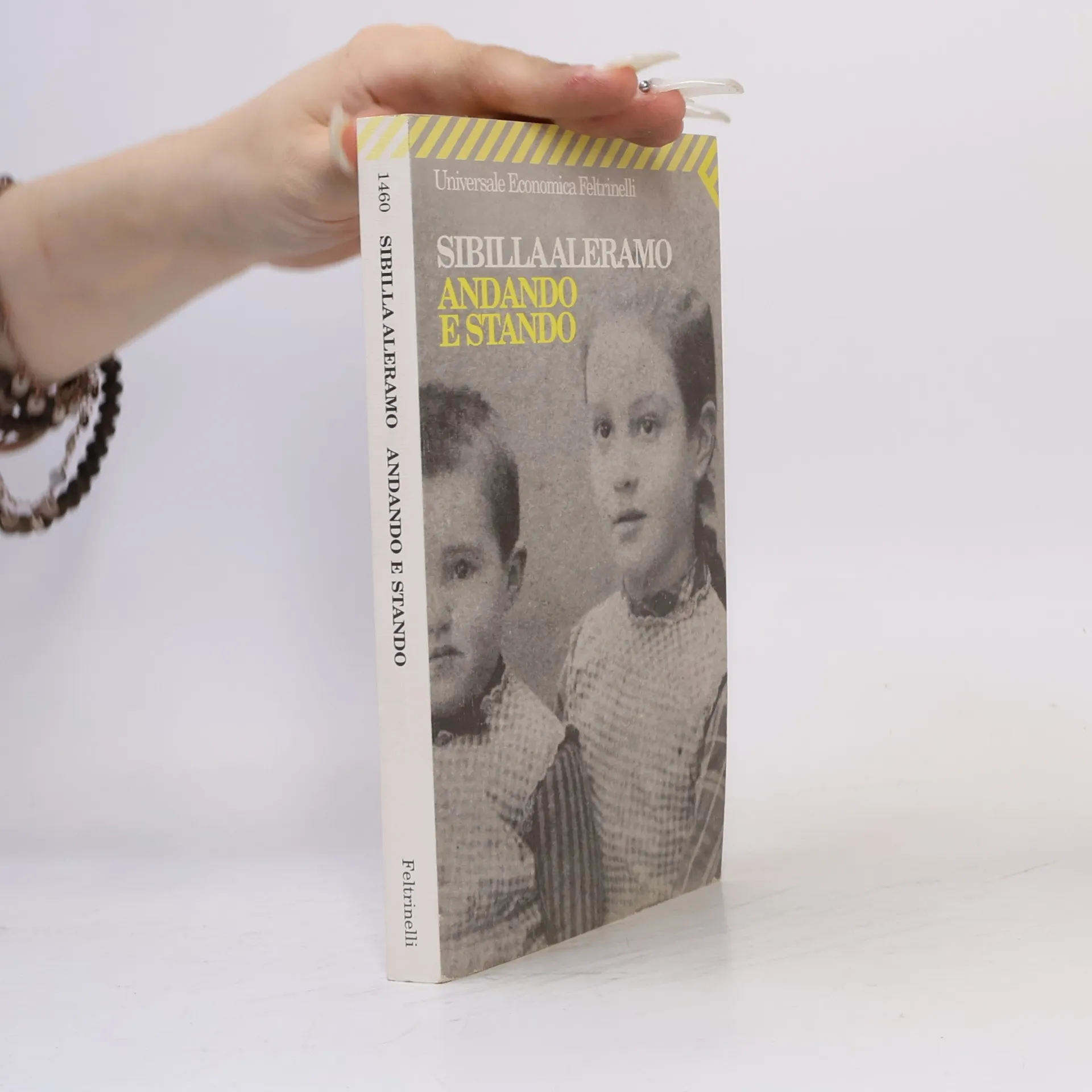
Universale Economica - 1460: Andando e stando
- 258 páginas
- 10 horas de lectura
Excerpt from Andando e ProseAmico, quanto avrei voluto ieri assistere alla finale delle vostre gare nella vecchia città fiam minga che solo attraverso la poesia io conosco e che invece voi vedete con la realtà dei vostri limpidi occhi in questi giorni ch'ella è tutta ban diere e tutta gagliarda giovinezza!About the PublisherForgotten Books publishes hundreds of thousands of rare and classic books. In rare cases, an imperfection in the original, such as a blemish or missing page, may be replicated in our edition. We do, however, repair the vast majority of imperfections successfully; any imperfections that remain are intentionally left to preserve the state of such historical works.
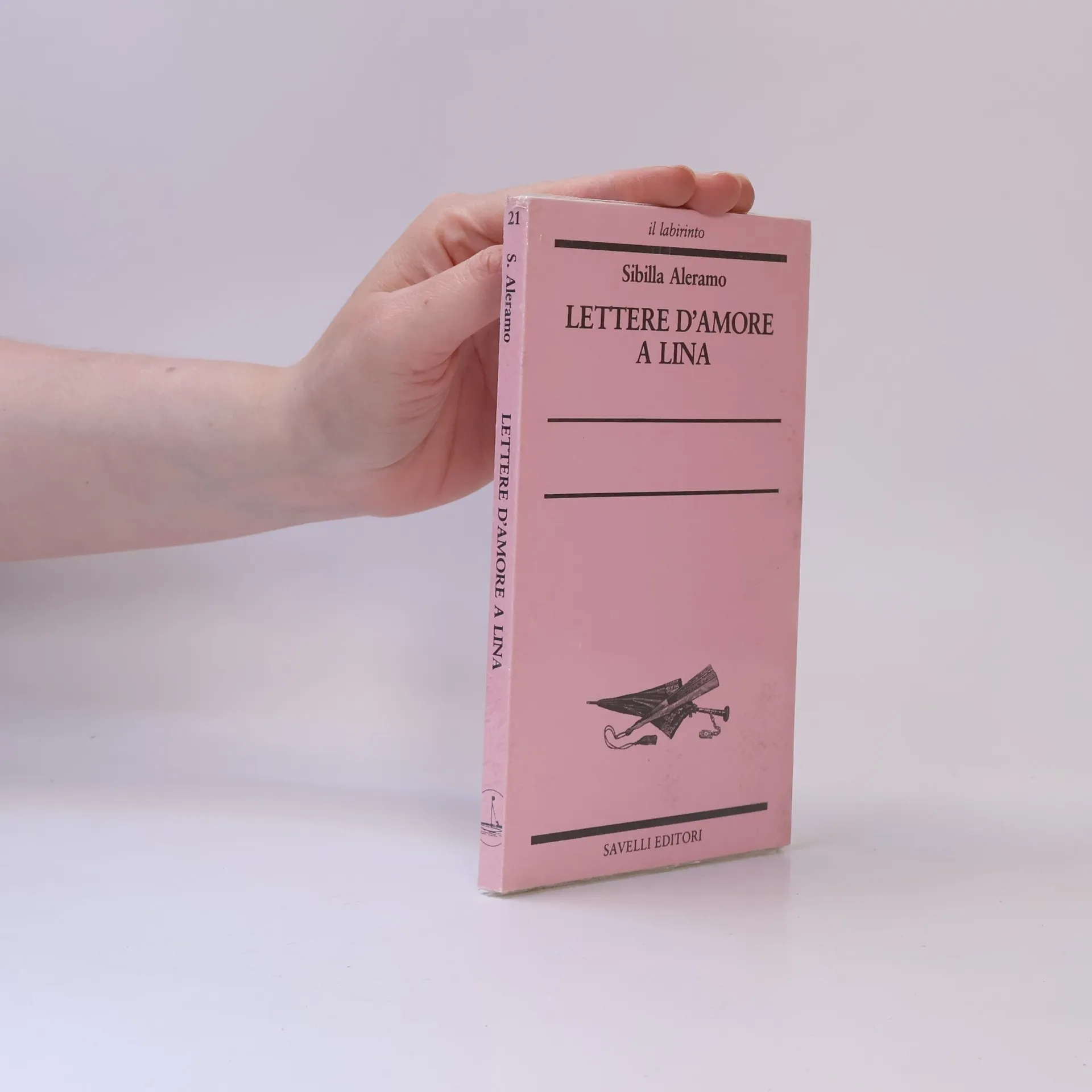
Lettere d'amore a lina
- 92 páginas
- 4 horas de lectura