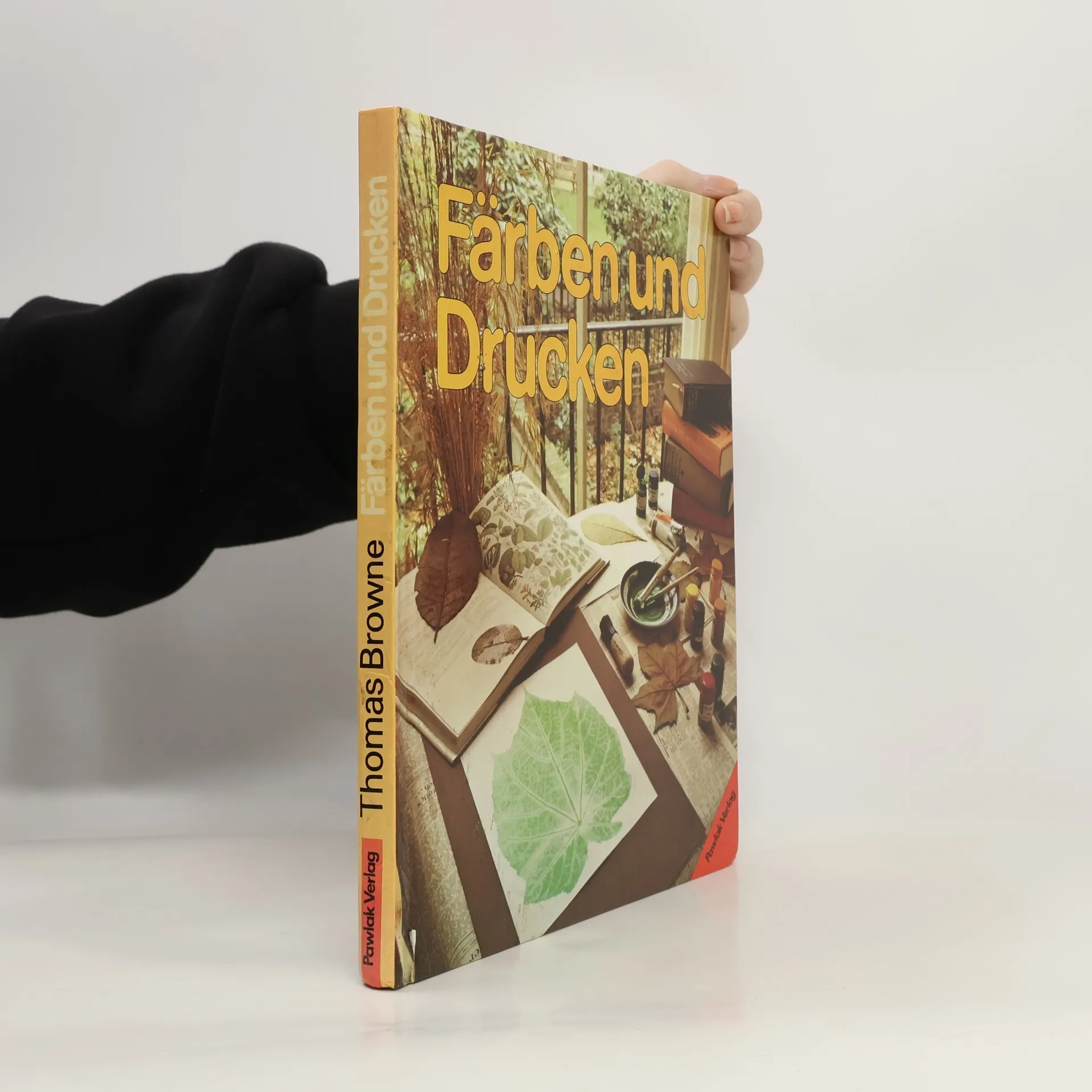
Focusing on accessibility, this book is a reproduction of a historical work presented in large print. The publishing house Megali aims to facilitate reading for individuals with impaired vision, ensuring that classic literature remains accessible to a wider audience.
Thomas Browne Libros
19 de octubre de 1605 – 19 de octubre de 1682
Los escritos de Sir Thomas Browne revelan una profunda curiosidad por el mundo natural, profundamente influenciados por la revolución científica y la investigación baconiana. Sus obras literarias están ricamente entrelazadas con referencias a fuentes Clásicas y Bíblicas, unidas a los contornos únicos de su propia personalidad. Aunque a menudo se caracteriza por la melancolía, su prosa está igualmente marcada por el ingenio y el humor sutil. El estilo de Browne es notablemente versátil, cambiando de las crudas observaciones de sus cuadernos a la pulida elocuencia de la retórica Barroca, lo que resulta en una voz literaria distintiva y cautivadora.

USMLE Step 1 Secrets in Color
- 800 páginas
- 28 horas de lectura
Revison of: USMLE step 1 secrets / Thomas A. Brown, David D. Brown. c2013. 3rd ed.
Hydriotaphia - Urnenbestattung und andere Schriften
- 471 páginas
- 17 horas de lectura
Eine Auswahl der Schriften des bedeutenden englischen Arztes, Universalgelehrten und Prosakünstlers aus dem 17. Jahrhundert. Erstmalig in dieser Zusammenstellung mit dem Vorwort 'Sir Thomas Browne und das Salz der Erde'; Pseudodoxia Epidemica (Auszüge), Hydriotaphia - Urnenbestattung (zweisprachig), Der Garten des Cyrus (Auszüge), Brief an einen Freund, Über Träume, Musaeum Clausum, Musaeum Criticum, Bibliographie.
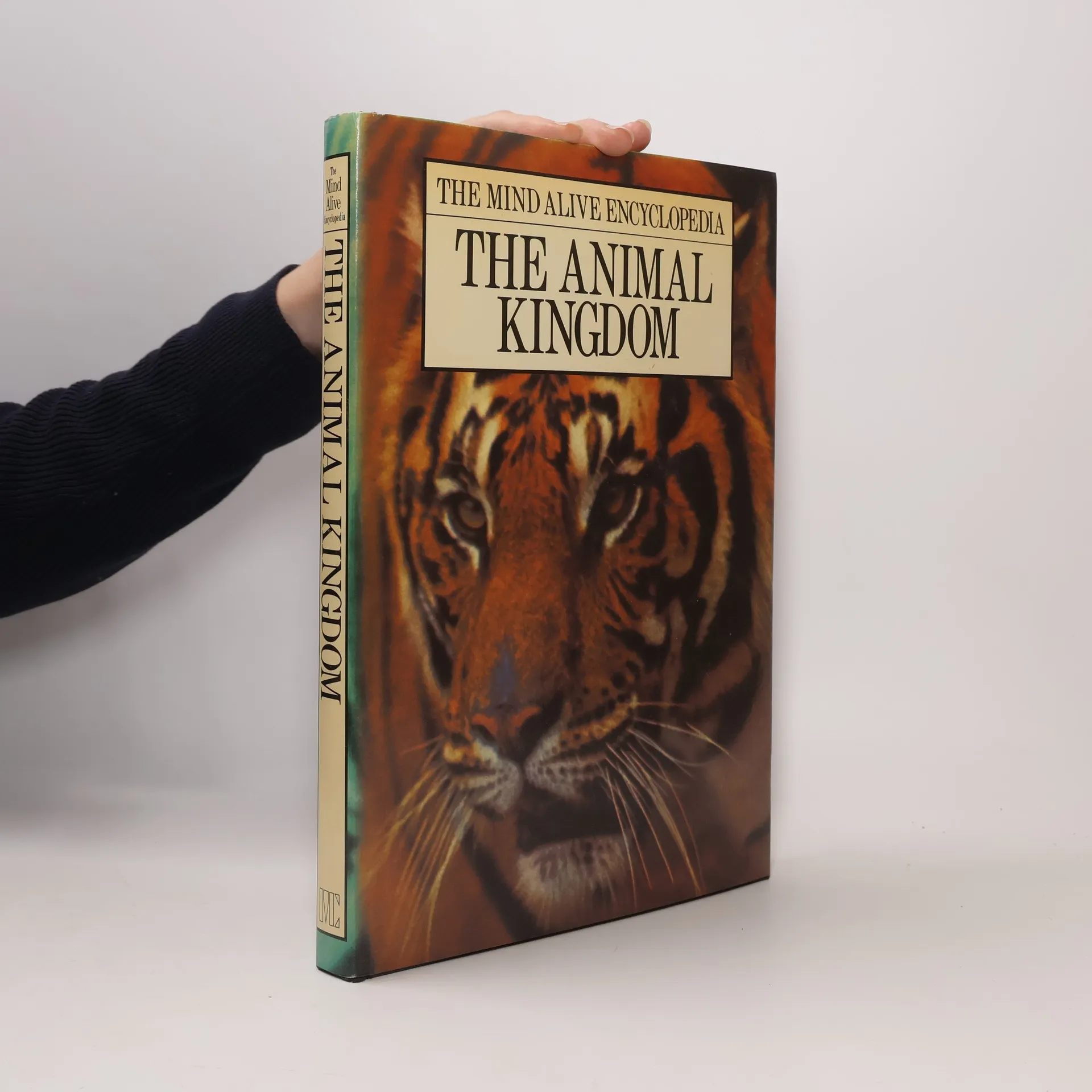
Animal Kingdom
- 248 páginas
- 9 horas de lectura
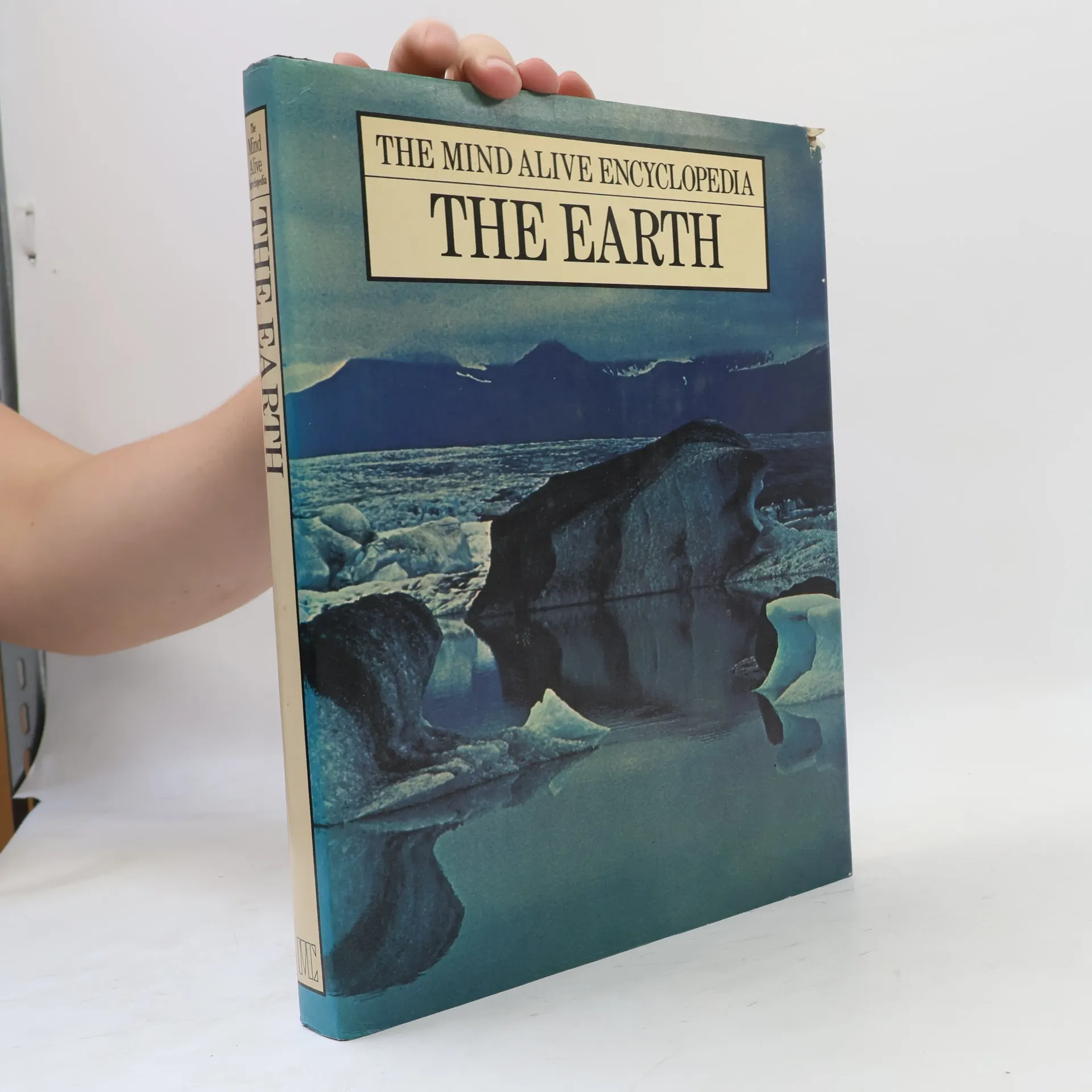
describes the nature of our planet in a clear, authoritative and readable text, which is accompanied by over five hundred photographs, maps and diagrams. The five section format allows the subject to unfold naturally in a manner which holds the reader's interest from beginning to end — and, at the same time, the excellent index ensures that the book will be a reference work of lasting value.
Der Garten des Cyrus
Wesentliche Werke
Thomas Browne gilt als ein Meister des wilden Denkens, der die Grenzen zwischen Wahrheit und Fiktion erkundet. Seine Werke, darunter die Pseudodoxia Epidemica und Hydriotaphia, reflektieren über Irrtümer, Glauben und den Tod. Diese Sammlung bringt seine bedeutendsten Schriften erstmals auf Deutsch, kommentiert von Manfred Pfister.