

This richly illustrated and comprehensive publication examines a pivotal decade in Max Beckmann's career as a leading figurative painter of the twentieth century. It delves into a crucial period that shaped his artistic development and garnered him significant acclaim. Beckmann's harrowing experience as a medical orderly during World War I resulted in a nervous breakdown, which he processed through his art. He embraced recent movements like Cubism and Expressionism, leading to innovative pictorial concepts starting in 1915. The works he produced between 1917 and 1925 positioned him at the forefront of contemporary representational painting. His celebrated status was solidified in 1925 with his prominent role in the influential "Neue Sachlichkeit" (New Objectivity) exhibition in Mannheim, although he later distanced himself from this label. The book situates Beckmann within both artistic and historical contexts, featuring essays from established experts and emerging scholars that explore the dynamic energy of his work from 1915 to 1925—a period he revisited throughout his life. The self-referential nature of Beckmann's output is crucial for understanding his artistic evolution, which becomes clearer through an analysis of these formative years.
Olaf Peters Libros

Otto Dix - der unerschrockene Blick
- 280 páginas
- 10 horas de lectura
Otto Dix (1891 – 1969) prägte wie kaum ein anderer Maler das Gesicht der Weimarer Republik. Seine Bilder der Neuen Sachlichkeit wirken wie Ikonen einer so schillernden wie bedrückenden Zeit. Im Nationalsozialismus als »entartet« geächtet, lebte er zurückgezogen am Bodensee und wandte sich unverfänglichen, z. T. christlichen Themen und der Landschaft zu. Nach 1945 setzte er seine Karriere trotz der vorherrschenden Abstraktion fort, erfuhr in beiden deutschen Staaten Anerkennung, ließ sich aber von keiner Strömung und Kulturpolitik vereinnahmen. Eine neue, kompakte Darstellung von Leben und Werk des Künstlers ist längst überfällig, gibt es doch seit Anfang der 90er Jahre keine neue, den Forschungsstand berücksichtigende Gesamtdarstellung in dieser Form mehr. Olaf Peters verarbeitet zeitgenössische Quellen und Publikationen sowie den privaten Nachlass des Künstlers. Er stellt die Dix-Rezeption und die künstlerischen Strategien des Malers dar und ihm gelingt eine neue Analyse von Hauptwerken. Das Ergebnis ist eine fundierte, epochenübergreifende Gesamtdarstellung des von Brüchen gekennzeichneten Lebenswerks.
Neue Sachlichkeit und Nationalsozialismus
- 351 páginas
- 13 horas de lectura
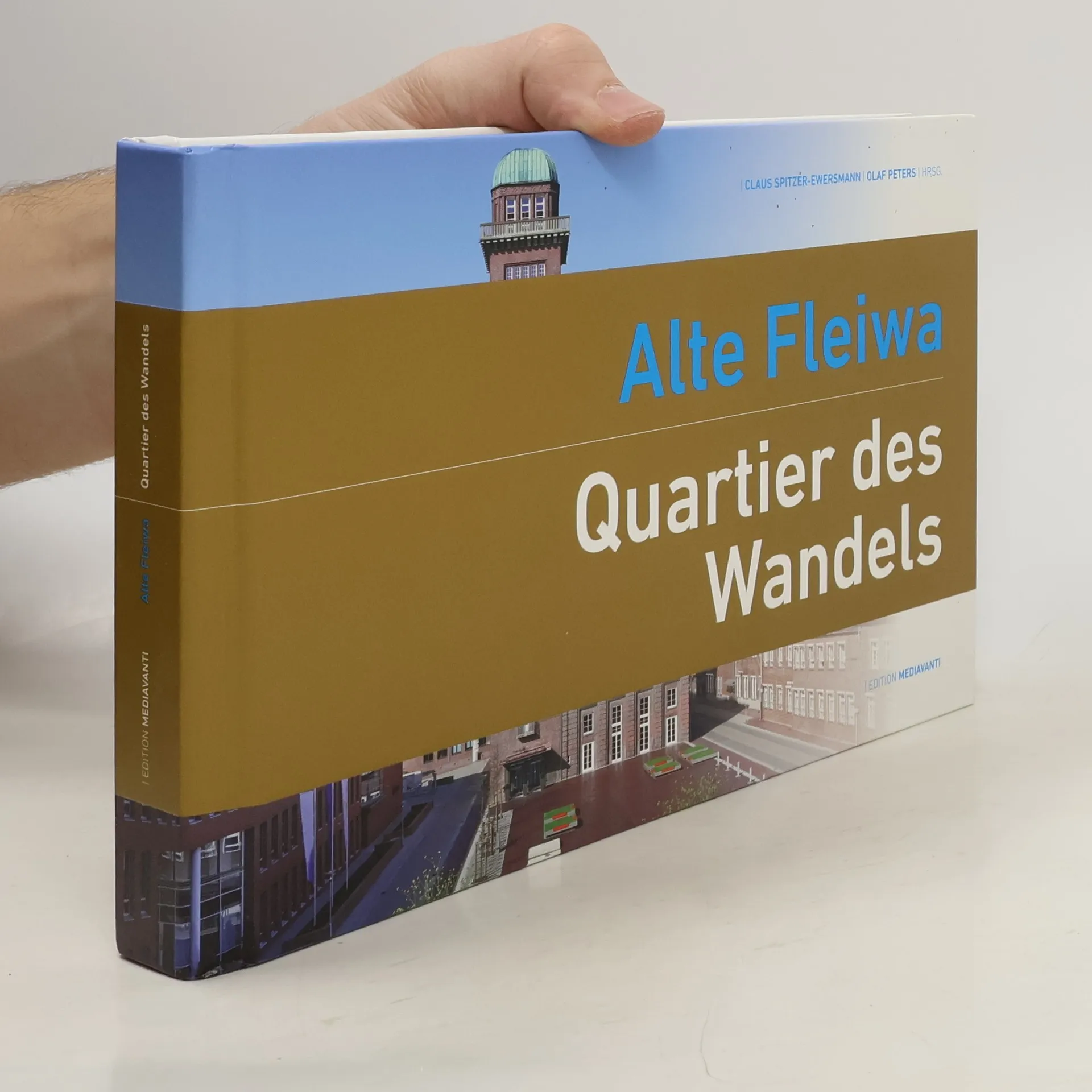
Eine der modernsten Produktionsstätten Europas, mitten in der Stadt, ist die alte Fleischwarenfabrik, die über Jahrzehnte das Bild des Viertels zwischen Haarenesch und Ziegelhof prägte. Nach dem Ersten Weltkrieg errichtet, genießt die Belegschaft bis heute einen legendären Zusammenhalt. Fast ein Vierteljahrhundert nach der Schließung treffen sich rund 20 Ehemalige monatlich zum Stammtisch. Wo einst Würste und Fleisch produziert wurden, ist heute das Herz der Oldenburger Informationstechnologie. Unternehmen wie das Informatikinstitut OFFIS und die BTC AG tragen entscheidend zur Erneuerung der Wirtschaftsstruktur bei. Durch Kooperationen und Synergien eröffnen sich neue Perspektiven. Dank der EWE AG hat das Viertel mit dem EWE Forum Alte Fleiwa um den sanierten Wasserturm eine zeitgemäße Mitte erhalten. Die positive Entwicklung des Geländes spiegelt die wachsende Bedeutung der Informationstechnologie im EWE-Konzern wider. Im Sommer 2011 feiert das Informatikinstitut OFFIS sein 20. Jubiläum, was Anlass gibt, die Geschichte der „Alten Fleiwa“ detailliert nachzuzeichnen. Mit Unterstützung ehemaliger Mitarbeiter wurden Fotoalben durchblättert, Zeitzeugenberichte studiert und historische Filmaufnahmen entdeckt. Dieses Buch versucht, eine prägende Epoche der Oldenburger Geschichte lebendig werden zu lassen und zeigt, wie schnell Wandel durch Courage und Enthusiasmus möglich ist. Wir wünschen viel Freude beim Entdecken und danken allen