
Bookbot

Stefan Zweig

    28 de noviembre de 1881 – 23 de febrero de 1942

    Stefan Zweig fue un autor aclamado a nivel mundial, especialmente célebre en las décadas de 1920 y 1930 por su profunda perspicacia psicológica sobre la condición humana. Su producción literaria, que abarca novelas, cuentos y ensayos, se caracteriza por retratos sutiles de personajes y un enfoque intuitivo, más que puramente objetivo. Zweig exploró frecuentemente temas como la soledad y la desilusión, reflejando sus propias experiencias con el exilio y el desplazamiento. Su magistral habilidad para indagar en las motivaciones de los personajes y capturar momentos cruciales de la historia humana solidifica su legado como un escritor atemporal cuyas obras continúan resonando.

    Stefan Zweig
    Momentos estelares de la humanidad
    La colección invisible
    Balzac
    Magallanes
    Fouché
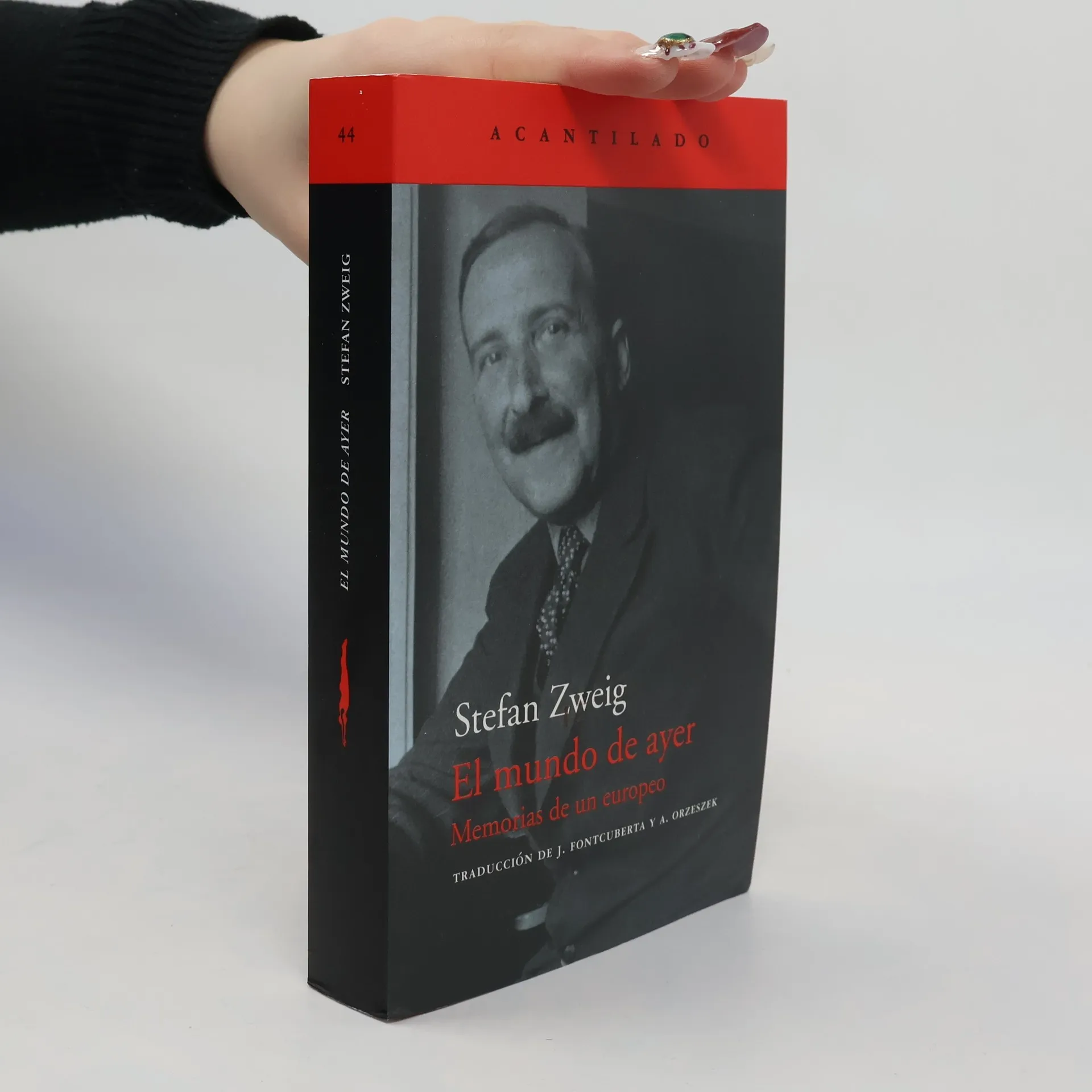
    El mundo de ayer
    • El mundo de ayer

      Memorias de un europeo

      El mundo de ayer es uno de los más conmovedores y atractivos testimonios de nuestro pasado reciente, escrito además con mano maestra por un europeo empapado de civilización y nostalgia por un mundo, el suyo, que se iba desintegrando a pasos agigantados. Escritor extraordinariamente popular y testigo de excepción de los cambios que convulsionaron la Europa del siglo xx entre las dos guerras mundiales, Zweig recuerda, desposeído y en tierra extraña?en unas circunstancias personales de insospechado dramatismo?, los momentos fundamentales de su vida, paralela en mucho a la desmembración de aquella Europa central que se quería más libre y segura, al abrigo de la locura y la tormenta. El resultado es un libro capital, uno de los mejores de Zweig y referencia inexcusable para entender los desvaríos de un siglo devastador.
      El mundo de ayer
      4,5
    • Joseph Fouché (1759-1820) es una de las figuras más enigmáticas de su tiempo. Criado entre los Oratorianos, fue un saqueador de iglesias. Convencional moderado, masacró a los realistas de Lyon. Tras votar la muerte de Luis XVI, se convirtió en ministro de Luis XVIII. Napoleón, quien lo nombró ministro de la Policía, lo desterró y luego lo llamó de nuevo: lo temía y necesitaba. La posteridad ha visto en Fouché principalmente un oportunista cínico, capaz de todas las infamias y traiciones para satisfacer su sed de poder. Sin embargo, también supo oponerse hábilmente a Robespierre y a Napoleón, actuando en ocasiones decisivas con sentido común y en interés de su país. Biografo de María Antonieta y de Balzac, el novelista de Amok y La Confusión de los sentimientos nos ofrece aquí un retrato impactante de este personaje, a quien considera la primera encarnación de un tipo político moderno: el hombre de la sombra, oculto, manipulador, que mueve en la oscuridad los mecanismos del poder real.

      Fouché
      4,5
    • Las hazañas de este gran navegantes son contadas en este libro por uno de los mejores escritores del siglo XX. Los hombres de su tiempo llamaron al viaje de Magallanes alrededor del mundo la gesta más maravillosa de la historia de la humanidad, incluso más que el descubrimiento de Colón. El hecho de que este intrépido portugués circundara el globo demostrando por primera vez su redondez, constituía una hazaña por la dificultad, y una osadía por las concepciones de la época. El autor recrea el heroísmo, la valentía, la audacia y el arrojo de un hombre que, al mando de una pequeña embarcación, se atrevió a surcar los mares y atravesar los confines del siglo XVI reconocidos hasta la fecha. El libro desglosa momentos de gran tensión narrativa, como la financiación del proyecto a través de la Corona española y toda la trama de a bordo. El 20 de diciembre de 1519 Magallanes partía de Sevilla al mando de 250 hombre en cinco barcos dispuesto a explorar el mar que separaba Asia de América, una perspectiva refrescante para los actuales vueltamundistas

      Magallanes
      4,4
    • Biografía novelada en la que Zweig trabajó más de diez años de su vida, considerada su obra maestra. Aunque no pudo completarla según sus deseos, fue publicada en 1946 por su amigo, el escritor Richard Friedenthal. Esta monografía sobre Balzac tiene las características de una gran novela. Zweig retrata a Balzac con una convincente profundidad psicológica, a menudo en notables contrastes, de manera ambigua y a veces no del todo halagadora. Muestra una comprensión especial por su genialidad creativa, su inmensa voluntad y su dedicación, pero también destaca varias debilidades humanas, a veces ridículas o curiosas. Además, demuestra ser un gran conocedor de la vasta obra literaria de Balzac. La prosa altamente impactante de Zweig, sus formulaciones magistrales y sus penetrantes metáforas hacen que la lectura de esta biografía sea una experiencia extraordinaria. Es evidente que Zweig invirtió en su trabajo una gran cantidad de estudio, energía, empatía y lo mejor de su talento. Quien lea esta impresionante biografía quedará profundamente conmovido.

      Balzac
      4,4
    • La colección invisible

      • 80 páginas
      • 3 horas de lectura

      Un relato magistral, perfecto en su concepción y de forma, debido a uno de los escritores que vivieron con mayor intensidad el drama de la historia europea del siglo XX, Stefan Zweig.

      La colección invisible
      4,4
    • Momentos estelares de la humanidad

      • 272 páginas
      • 10 horas de lectura

      Momentos estelares de la humanidad es un libro de pasajes de historia novelados escrita por Stefan Zweig (Viena 1881- Petrópolis 1942) en 1927, titulada originalmente Sternstunden der Menschheit. Se compone de los siguientes relatos históricos, precedidos de un prólogo del autor: -Cicerón. 15 de marzo de 44 antes de Cristo. -La conquista de Bizancio. 29 de mayo de 1453. -Huida hacia la inmortalidad: El descubrimiento del océano Pacífico. 25 de septiembre de 1513. -La resurrección de Georg Friedrich Händel. 21 de agosto de 1741. -El genio de una noche: La Marsellesa. 25 de abril de 1792 -El minuto universal de Waterloo: Napoleón. 18 de junio de 1815. -La elegía de Marienbad: Goethe entre Karlsbad y Weimar. 5 de septiembre de 1823. -El descubrimiento de El Dorado. Enero de 1848 -Momento heroico: Dostoievski, San Petersburgo, plaza Semenovsk. 22 de diciembre de 1849. -La primera palabra a través del océano: Cyrus W. Field. 28 de julio de 1858. -La huida hacia Dios. Finales de octubre de 1910. -La lucha por el polo sur: El capitán Scott, 90 grados de latitud. 19 de enero de 1912. -El tren sellado: Lenin. 9 de abril de 1917. -Wilson fracasa. 15 de abril de 1919.

      Momentos estelares de la humanidad
      4,3
    • "Novela de ajedrez tal vez sea la obra más conocida de Stefan Zweig (Viena, 1881-Petrópolis, 1942). Escrita entre 1938 y 1941, durante su exilio en Brasil, es el único texto suyo que aborda indirectamente el ascenso de Hitler y la represión ejercida por los nacionalsocialistas. Un viaje en transatlántico ofrece el marco de un encuentro ajedrecístico donde compiten lo abstracto versus lo concreto, la idea contra la materia, el hombre atemporal contra el hombre histórico. El original alemán no se publicó en Europa hasta 1943; su primera edición en español se hizo en Buenos Aires, en 1942." --Contratapa.

      Novela de ajedrez
      4,3
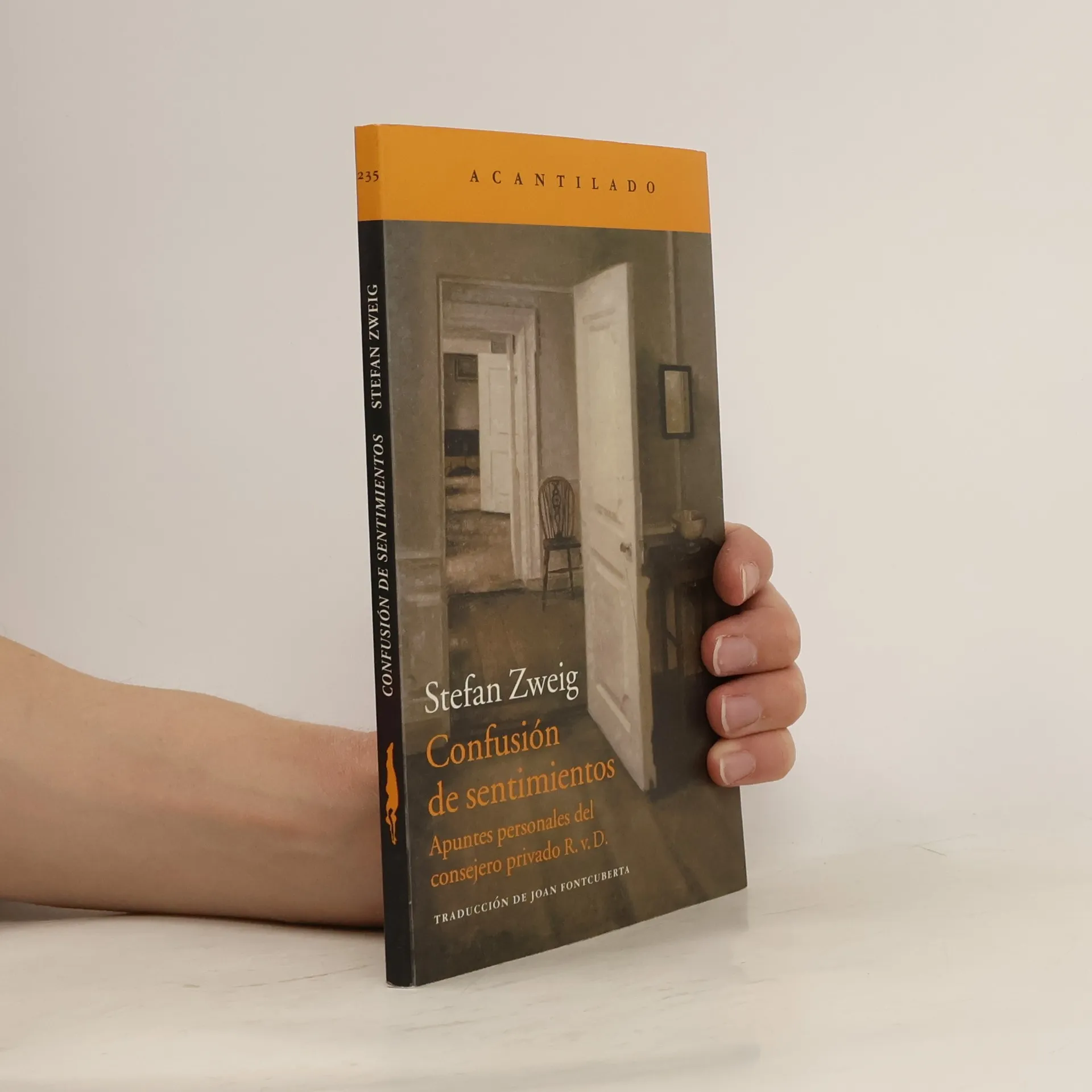
    • Confusión de sentimientos

      • 112 páginas
      • 4 horas de lectura

      Roland, un joven estudiante, está a punto de abandonar los estudios cuando su padre decide enviarlo a la universidad de una pequeña ciudad de provincias. Allí, un brillante profesor despierta en él una nueva pasión: el amor al saber. Deslumbrado, el joven se acerca al maestro y le propone ayudarlo a concluir la gran obra de su vida. El profesor acepta el ofrecimiento, pero pocas veces manifiesta la gratitud que el discípulo ansía y en ocasiones incluso lo trata con una distancia que lo atormenta. Tan devoto como inseguro, Roland se pregunta por qué no es digno del interés de una persona tan maravillosa como el admirado maestro, ¿tan despreciable lo considera? La respuesta, sin embargo, es mucho más compleja y desconcertante de lo que podía sospechar, y sólo en el otoño de su vida, cuando él mismo se ha convertido en un respetado profesor, es capaz de evocar unos hechos que, ahora lo sabe, marcaron su vida más que todos los honores o los éxitos profesionales

      Confusión de sentimientos
      4,2
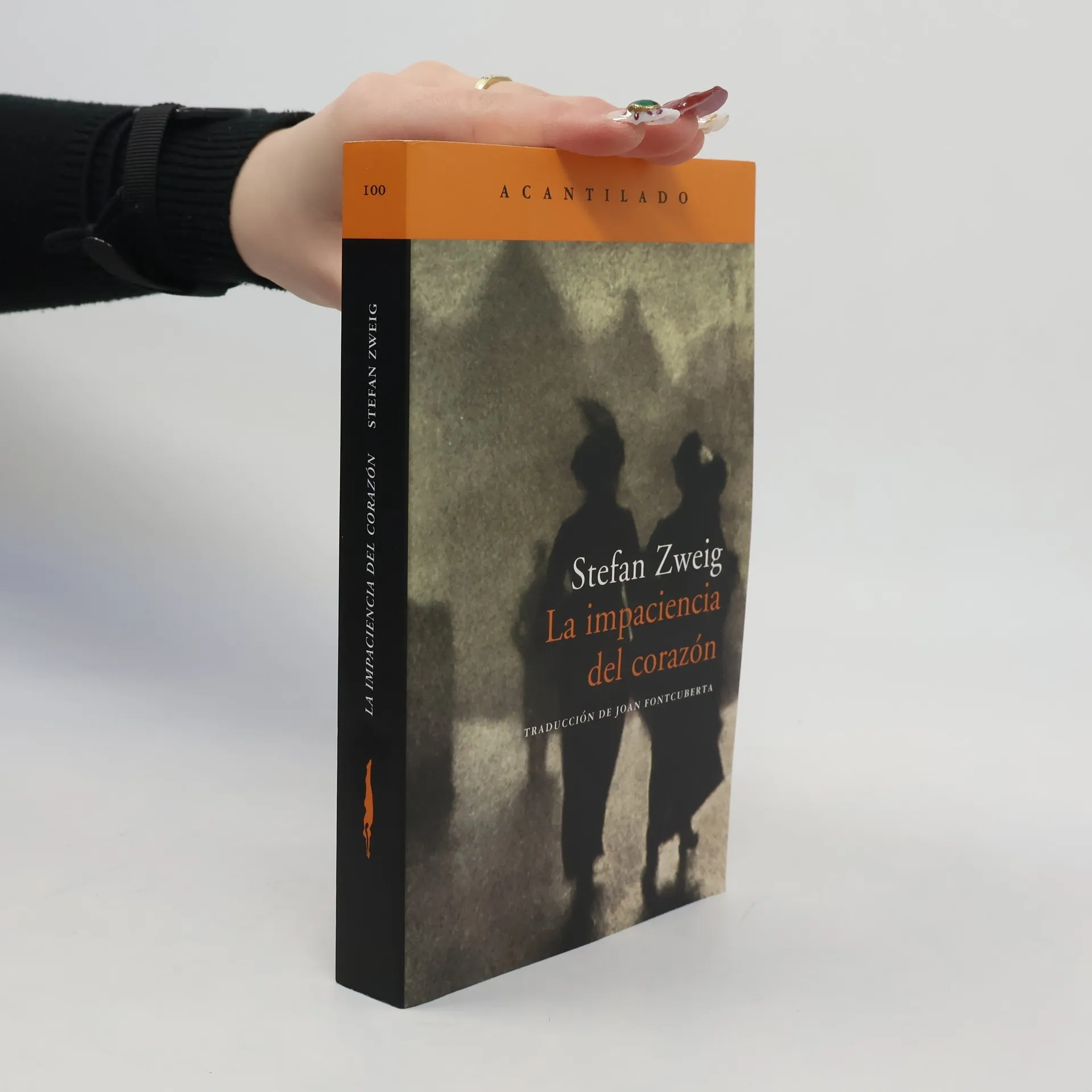
    • La impaciencia del corazón

      • 472 páginas
      • 17 horas de lectura

      En los albores de la Gran Guerra, el teniente Anton Hofmiller recibe una invitación para acudir al castillo del magnate húngaro Lajos von Kekesfalva, cuya hija, que sufre parálisis crónica, se enamora del joven oficial. Hofmiller, que sólo siente compasión por la joven Edith, decidirá ocultar sus verdaderos sentimientos y le hará tener esperanzas en una pronta recuperación. Llega incluso a prometerse con ella, pero no reconoce su noviazgo en público. Como un criminal en la oscuridad, Hofmiller se refugiará en la guerra, de donde regresará como un auténtico héroe.

      La impaciencia del corazón
      4,2
    • Carta de Una Desconocida

      • 72 páginas
      • 3 horas de lectura

      Una mujer se dirige a alguien especial para compartir su vida y secretos, revelando que su existencia siempre estuvo entrelazada con la del destinatario. Al enfrentar su muerte, desea que su historia sea conocida, dejando un mensaje profundo sobre el amor y la conexión que perdura más allá de la vida.

      Carta de Una Desconocida
      4,2
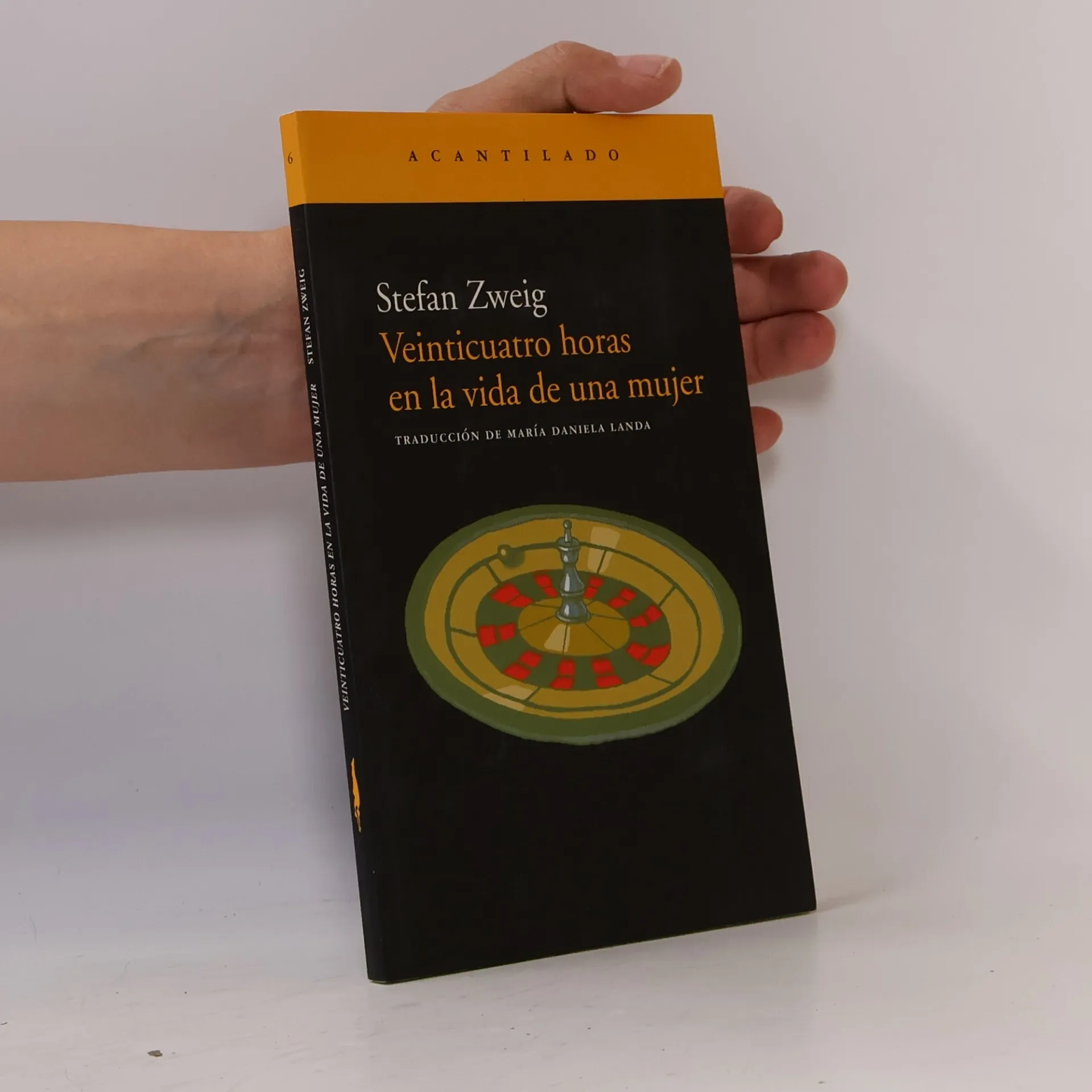
    • Twenty-Four Hours in the Life of a Woman is the story of a middle-aged English widow who travels to escape loneliness and boredom. One evening while enjoying the elegant atmosphere of the Monte Carlo Casino, she becomes mesmerised by the obsessive gambling of a young Polish aristocrat. This fateful encounter leads to passion, despair and death, changing their lives forever.

      Biblioteca Grandes Éxitos - 63: Veinticuatro horas de la vida de una mujer
      4,2
    • Tres maestros

      • 232 páginas
      • 9 horas de lectura

      "No es por casualidad que reúno en un solo libro estos tres ensayos sobre Balzac, Dickens y Dostoievski. Con un propósito común trato de mostrar a los tres grandes novelistas y en mi opinión los únicos'del siglo XIX como prototipos que precisamente por el contraste de sus personalidades se complementan y quizás elevan a forma clara y distinta el concepto de novelista, es decir, de forjador de mundos épicos... Cada uno de estos artistas crea una ley de vida, un concepto de vida, con la plétora de sus figuras, y los destaca con tanta armonía que gracias a él el mundo adopta una nueva forma." Stefan Zweig

      Tres maestros
      4,1
    • Mendel, el de los libros

      • 56 páginas
      • 2 horas de lectura

      A través de los recuerdos de una anciana portera y de un visitante ocasional de una pequeña cafetería en Viena, conocemos la historia de un hombre dedicado a los libros. Este ser sencillo e inocente, que vive únicamente para sus lecturas y no se preocupa por los acontecimientos del mundo, se enfrenta a un final trágico y desesperado debido a la locura y la brutalidad de la maquinaria bélica durante la Primera Guerra Mundial.

      Mendel, el de los libros
      4,1
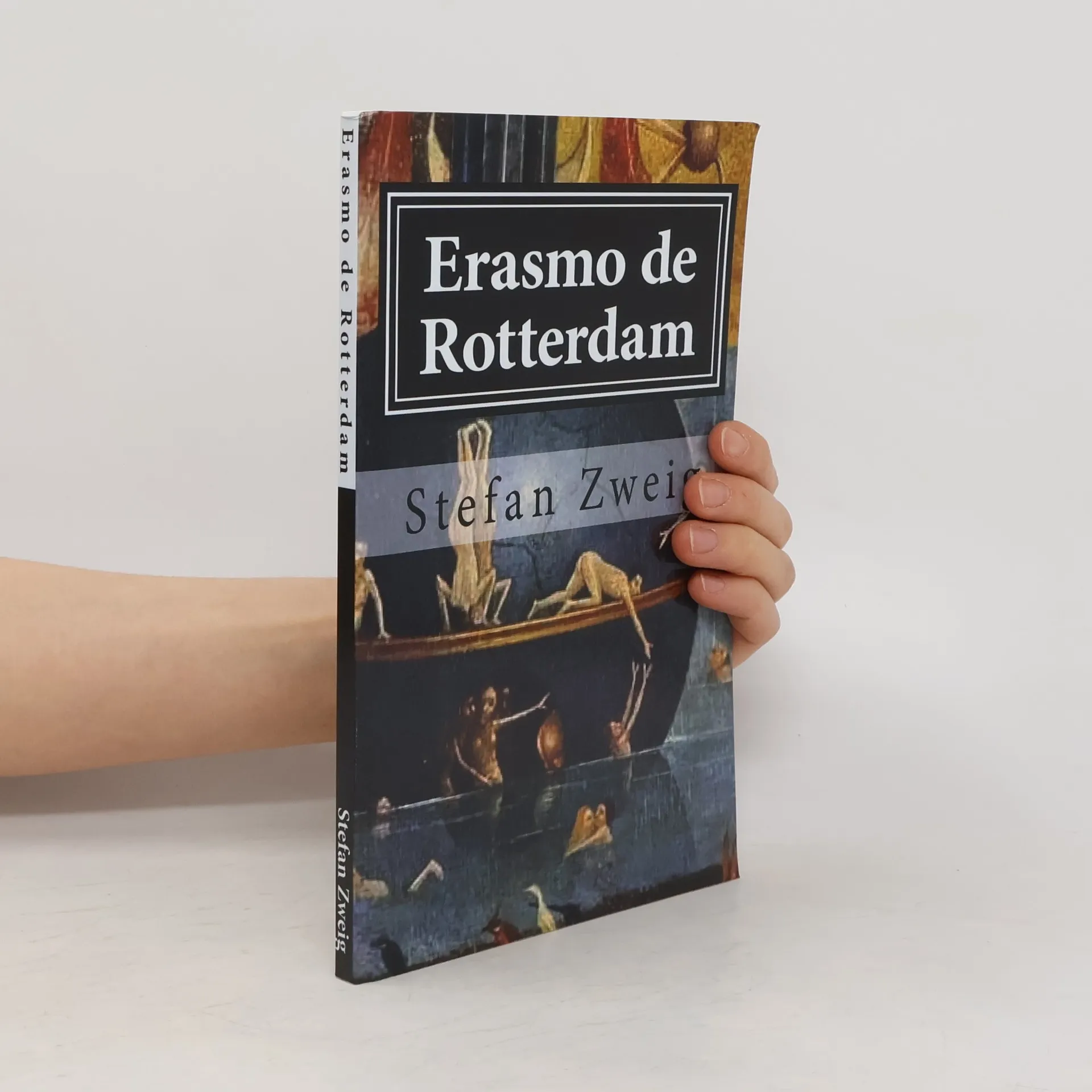
    • Erasmo de Rotterdam

      • 144 páginas
      • 6 horas de lectura

      Stefan Zweig se refirió al gran humanista Erasmo de Rotterdam como el primer "europeo consciente de serlo". Para él, Erasmo era el "maestro venerado", al que se sentía unido no solamente en lo espiritual sino sobre todo en el rechazo de toda clase de violencia.

      Erasmo de Rotterdam
      4,0
    • Clarissa

      • 208 páginas
      • 8 horas de lectura

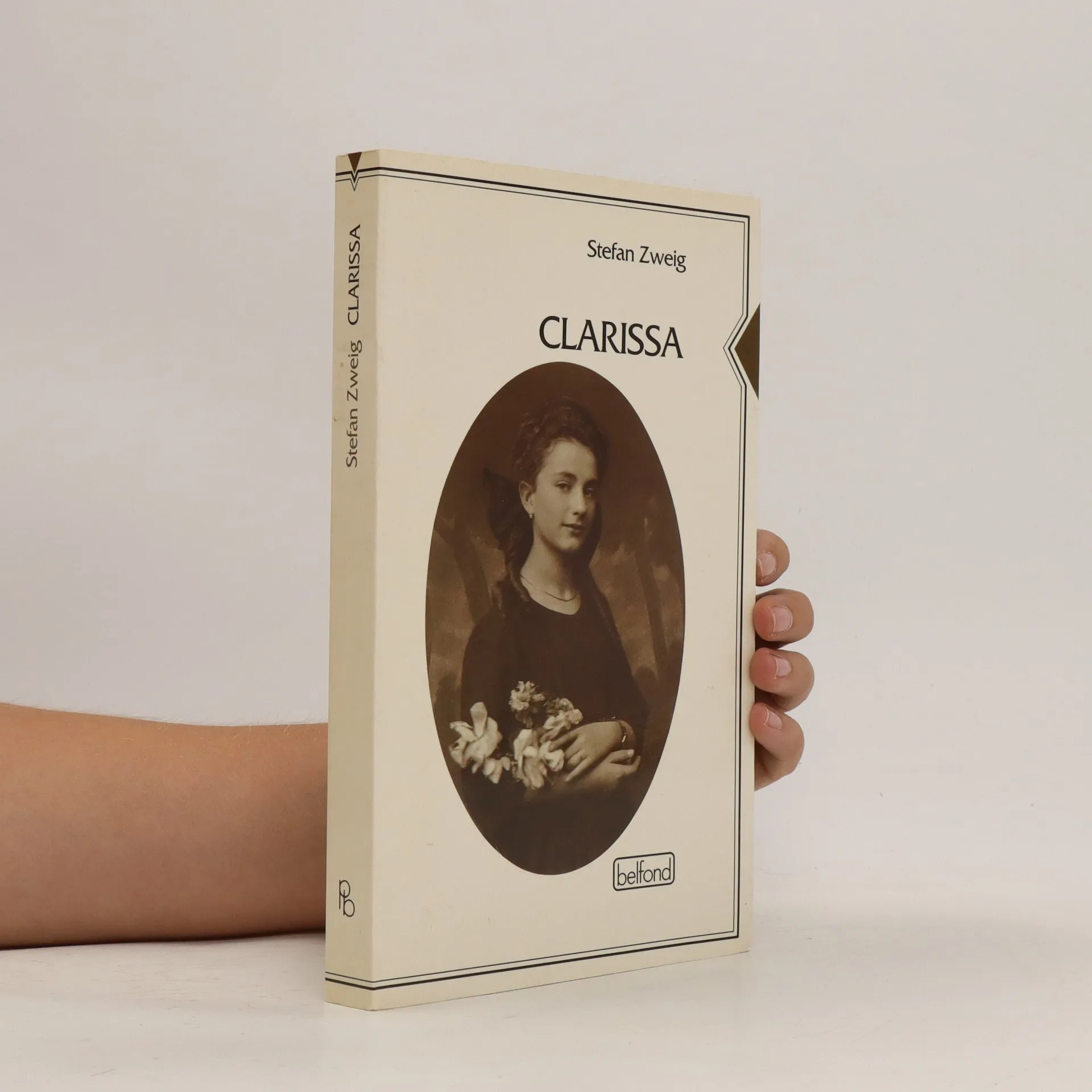
      Clarissa, hija de un militar austríaco, conoce en Lucerna a Léonard, un joven socialista francés del que se enamora. El estallido de la Gran Guerra separa a los amantes y la joven, que ha quedado embarazada, debe volver a Austria en medio de una Europa que se desgarra, donde toma la decisión de tener y criar a un hijo del enemigo. Esta conmovedora novela tardía de Zweig es hoy considerada el testamento en el que el extraordinario escritor austríaco condensó los ideales humanísticos que abrazó durante toda su vida.

      Clarissa
      4,0
    • Hölderlin, Kleist, Nietzsche, tres personajes extraordinarios por los que Stefan Zweig, como «psicólogo por pasión, creador por voluntad creadora» sentía un profundo apego. Su inquietud vital los aleja de la contención de Goethe decidido a autoconstruirse: «La fórmula para la vida según Goethe es la representada por el círculo: una línea cerrada, la redondez absoluta que abarca toda existencia, el eterno retorno a uno mismo.» En cambio, «la forma de lo demoníaco», de la inquietud interna en Hölderlin, Kleist y Nietzsche, «se expresa por una parábola: un ascenso rápido e impetuoso en una única dirección, hacia lo superior, lo infinito, una curva perpendicular y una caída brusca.» El demonio, entendido por Stefan Zweig como remanente del caos original del mundo, es quien desafía a los hombres creativos, poseídos por él, y les «arranca de las manos, a la fuerza, el timón de la voluntad, de manera que... son tambaleados por la tempestad, y chocan contra las peñas de su destino.»

      La lucha con el demonio
      4,0
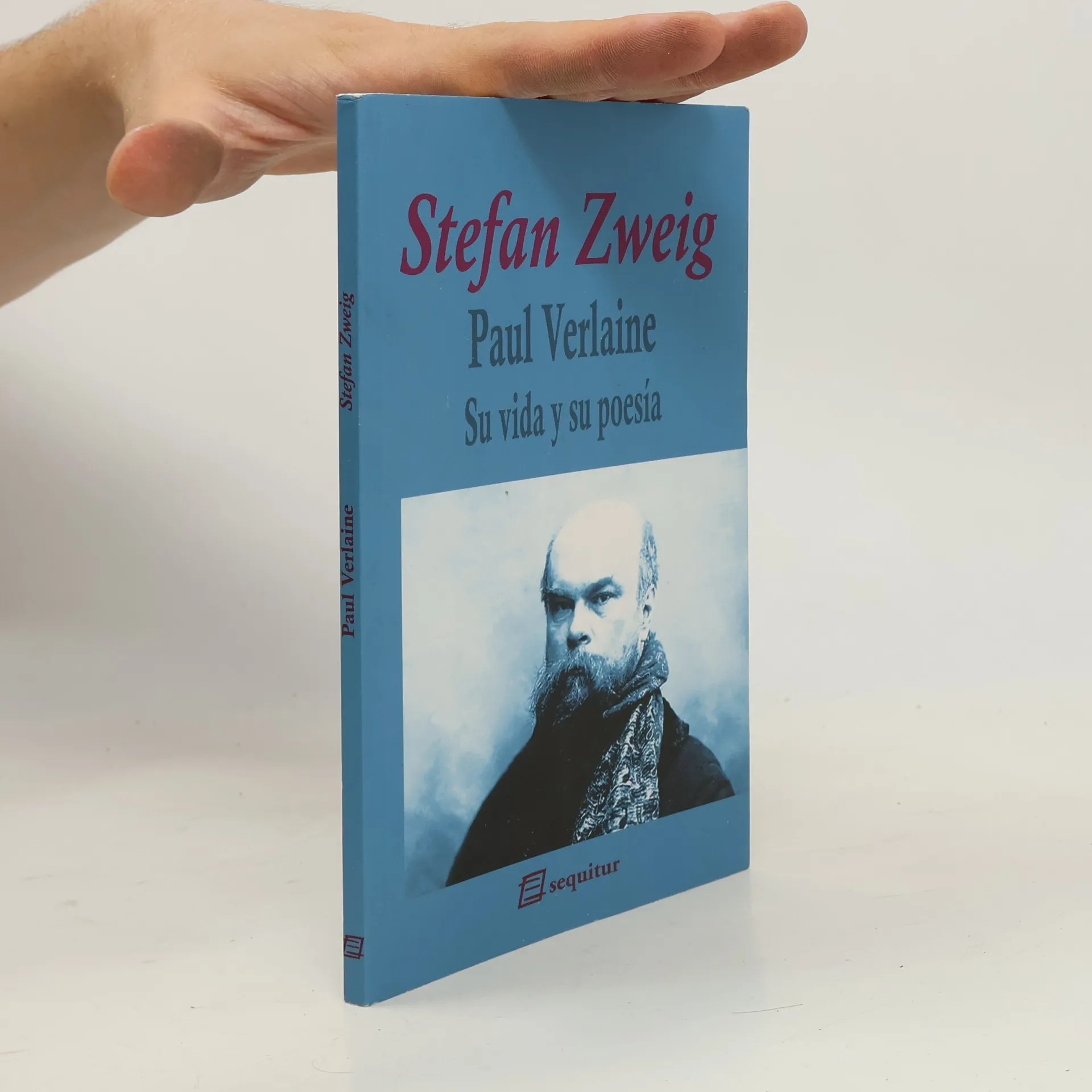
    • Paul Verlaine

      • 96 páginas
      • 4 horas de lectura

      La obra profundiza en la vida y la poesía de Paul Verlaine, una figura prominente del movimiento simbolista. Explora sus tumultuosas relaciones, particularmente con el poeta Arthur Rimbaud, y cómo estas experiencias influyeron en su escritura. El libro destaca el uso innovador del ritmo y el sonido en la poesía de Verlaine, capturando la profundidad emocional y la complejidad de sus temas. A través de un análisis de sus obras más importantes, proporciona una visión de su legado artístico y el impacto de sus luchas personales en sus contribuciones literarias.

      Paul Verlaine
      3,0
    • Miedo

      • 151 páginas
      • 6 horas de lectura
      Miedo
      2,7
    • Roma, 455 d.C.: durante el saqueo, los vándalos roban como botín de guerra la Menorah (el antiguo candelabro de siete brazos) del Templo de Jerusalén, llevada a Roma por Tito. En la comunidad judía se difunde un gran desánimo: el símbolo más antiguo, el fundamento mismo de la identidad del pueblo judío, se ha perdido y debe ser recuperado a toda costa. Con su estilo cristalino, Stefan Zweig reconstruye una historia que es, en muchos sentidos, un verdadero mito fundacional del pueblo judío, y poco importa si a veces su relato cede el paso a la leyenda. Las leyendas florecidas sobre la desaparición de la Menorah son casi infinitas, y todas, al igual que el relato de Stefan Zweig, tienen un único objetivo: mantenerla viva.

      El candelabro enterrado
      3,7
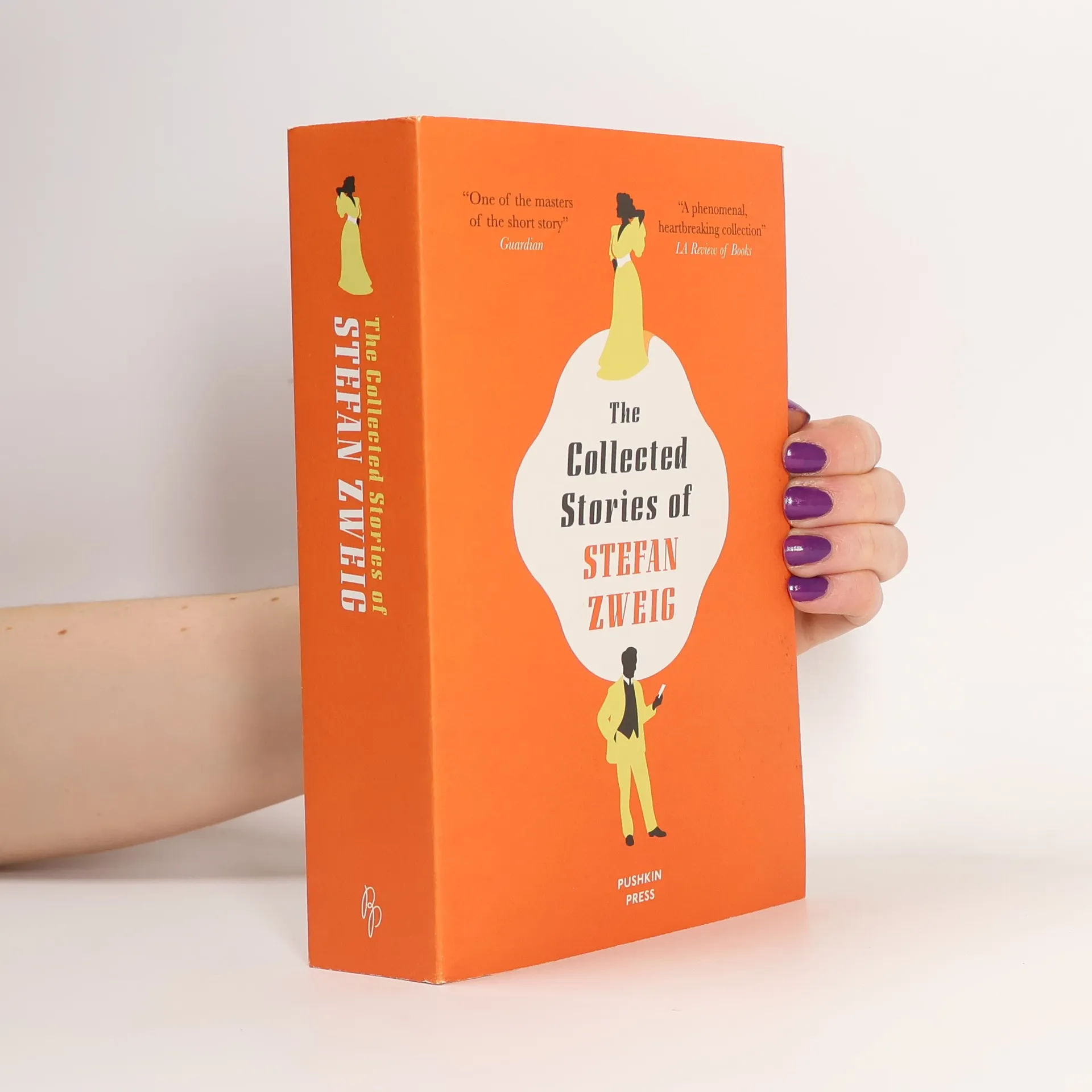
    • The Collected Stories of Stefan Zweig

      • 720 páginas
      • 26 horas de lectura

      Collected in one volume for the first time: 22 classic short stories of love and death, betrayal and hope—from a master storyteller hailed as “the Updike of his day” (New York Observer) In this magnificent collection of Stefan Zweig’s short stories, the very best and worst of human nature is captured with sharp observation, understanding, and vivid empathy. Ranging from love and death to faith restored and hope regained, these stories present a master at work, at the top of his form. Perfectly paced and brimming with passion, these 22 tales from one of the great storytellers of the 20th century are translated by the award-winning Anthea Bell. Included: Forgotten Dreams In the Snow The Miracles of Life The Star Above the Forest A Summer Novella The Governess Twilight A Story Told in Twilight Wondrak Compulsion Moonbeam Alley Amok Fantastic Night Letter from an Unknown Woman The Invisible Collection Twenty-Four Hours in the Life of a Woman Downfall of the Heart Incident on Lake Geneva Mendel the Bibliophile Leporella Did He Do It? The Debt Paid Late

      The Collected Stories of Stefan Zweig
      4,5
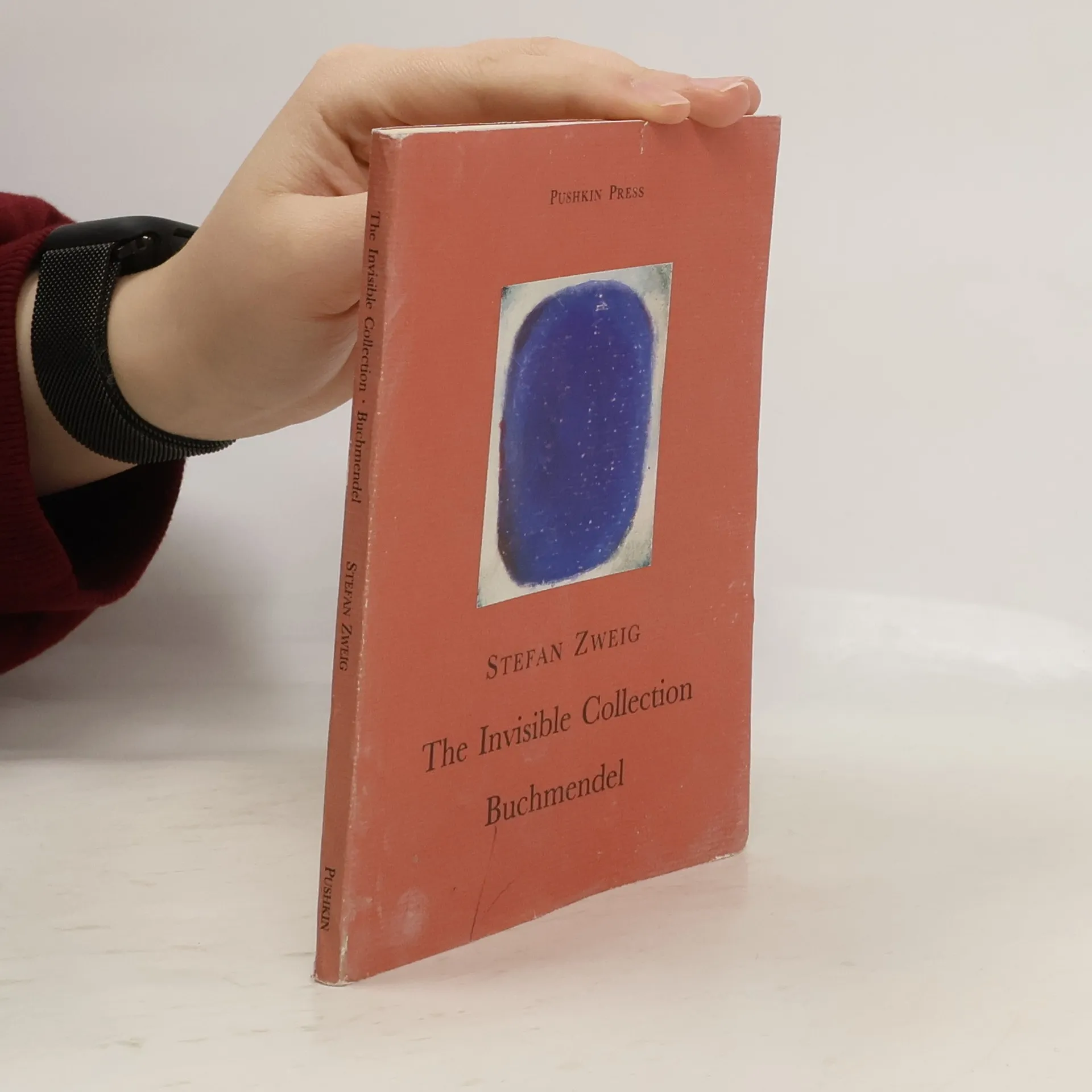
    • The Invisible Collection/Buchmendel

      • 96 páginas
      • 4 horas de lectura

      Zweig explores the nature of desire in showing us two lives led in the single-minded pursuit of art and literature, of existential truth against the background of a disintegrating and corrupt Europe. The tragic irony of these two contrasted destinies forces us to confront our own understanding of the purpose of life and art.

      The Invisible Collection/Buchmendel
      4,4
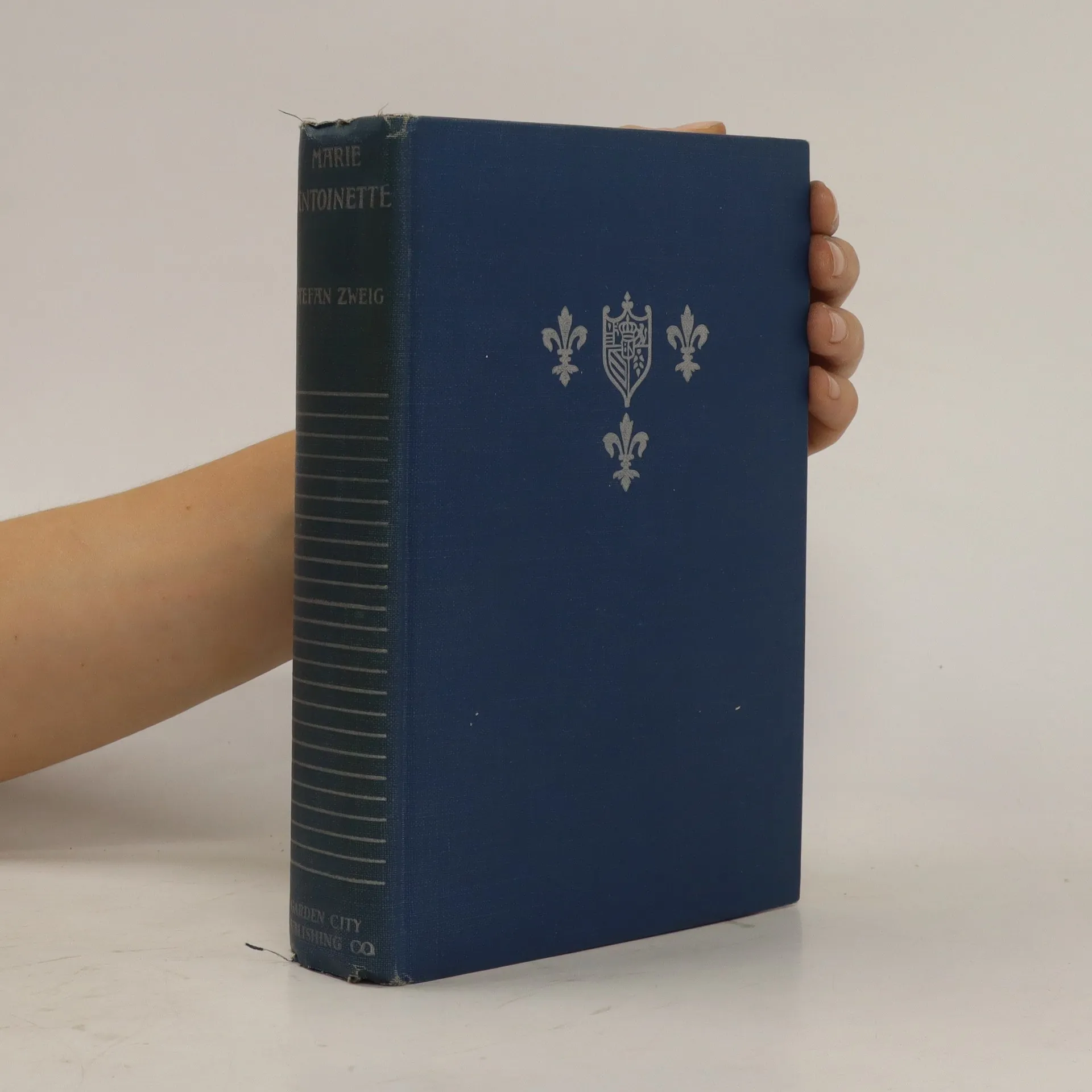
    • Life at the court of Louis XVI and Marie Antoinette has long captivated readers, drawn by accounts of the intrigues and pageantry that came to such a sudden and unexpected end. Stefan Zweig's Marie Antoinette: The Portrait of an Average Woman is a dramatic account of the guillotine's most famous victim, from the time when as a fourteen-year-old she took Versailles by storm, to her frustrations with her aloof husband, her passionate love affair with the Swedish Count von Fersen, and ultimately to the chaos of the French Revolution and the savagery of the Terror. An impassioned narrative, Zweig's biography focuses on the human emotions of the participants and victims of the French Revolution, making it both an engrossingly compelling read and a sweeping and informative history. "Certainly no one can arise unmoved from the reading of this powerful work." -- The New Republic "Excellent biography." -- The New York Times
      Marie Antoinette
      4,4
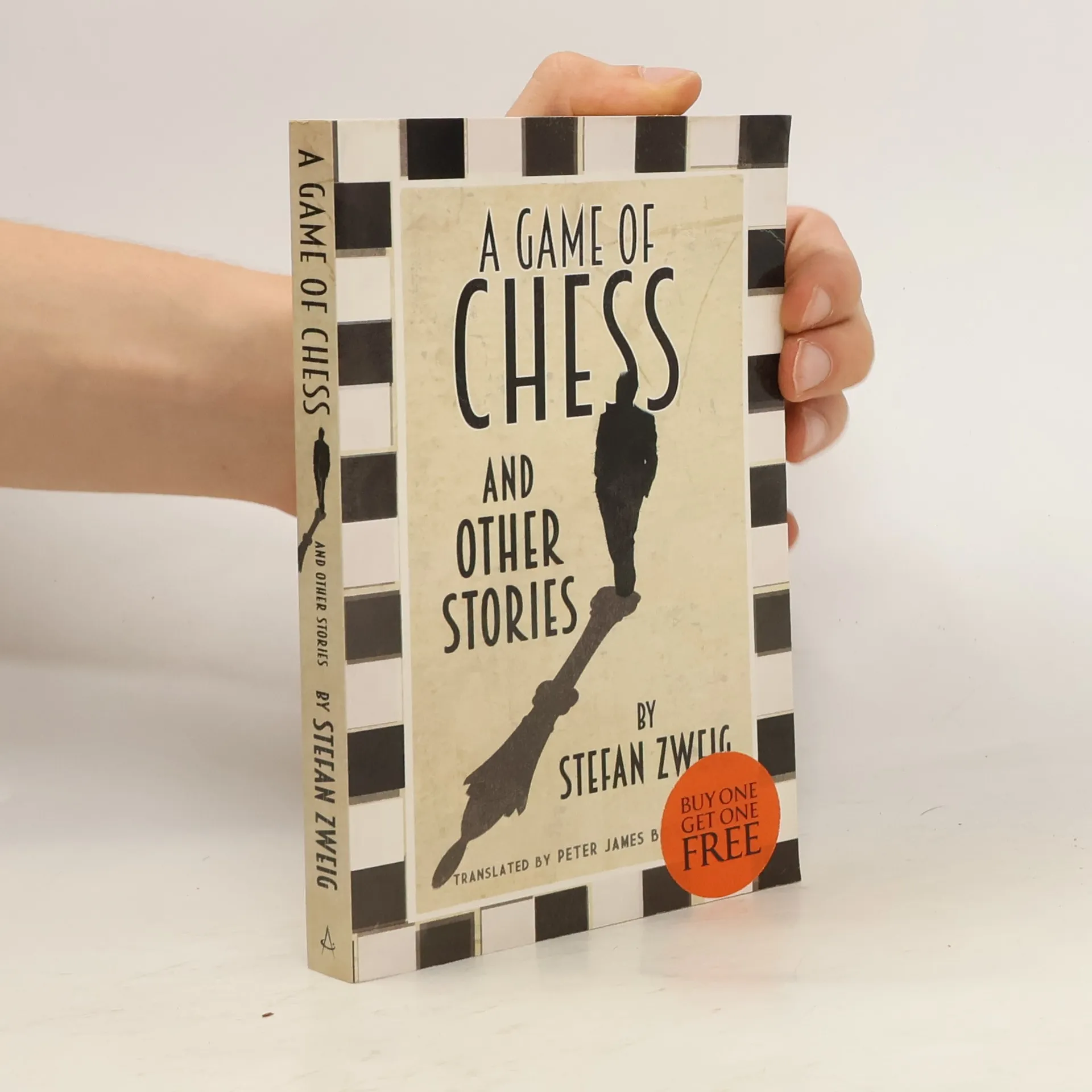
    • The Game of Chess and Other Stories

      • 320 páginas
      • 12 horas de lectura

      Part of Alma Classics Evergreens series, this new translation of The Game of Chess and Other Stories is here presented in a unique collection.

      The Game of Chess and Other Stories
      4,3
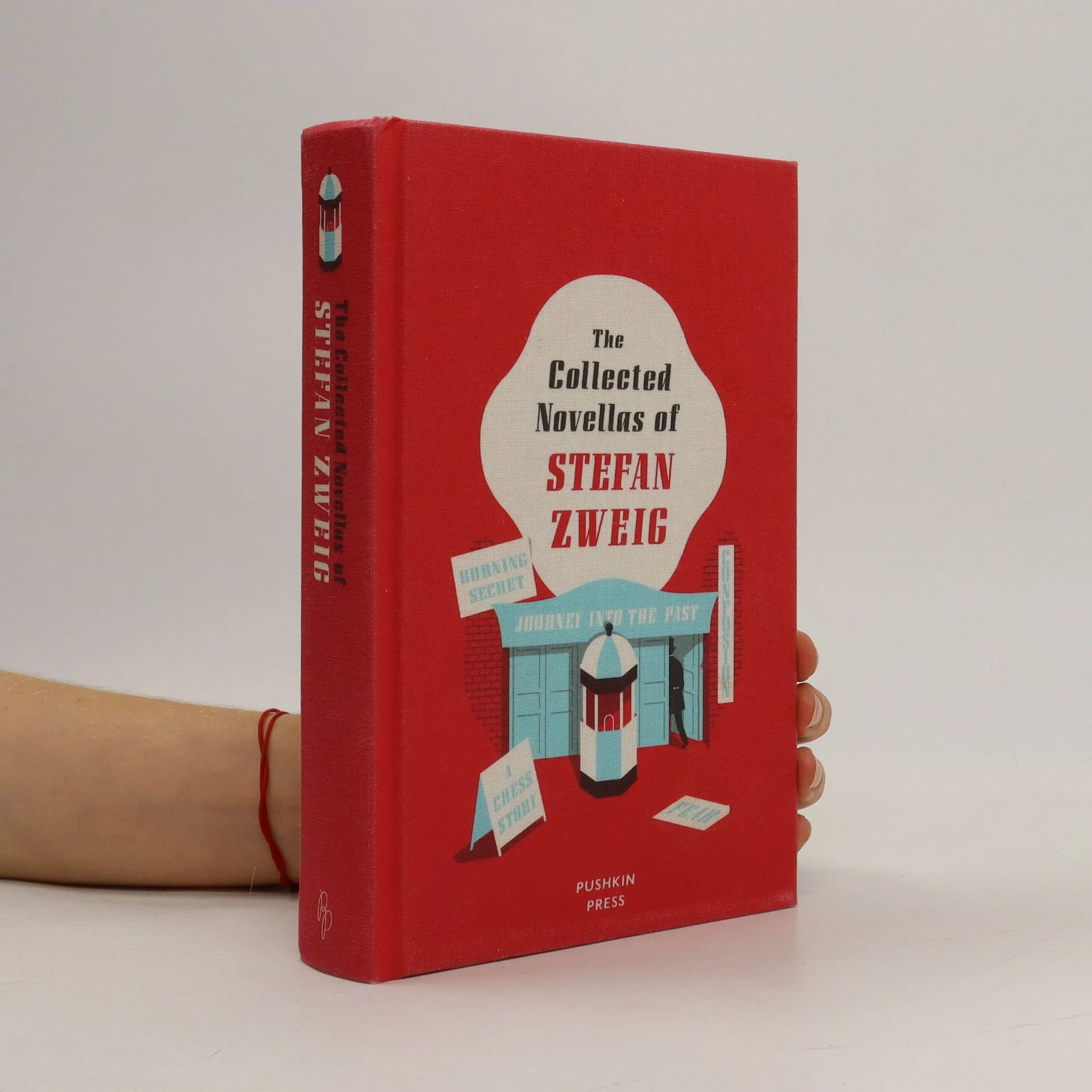
    • The collected novellas of Stefan Zweig

      • 384 páginas
      • 14 horas de lectura

      A casual introduction, a challenge to a simple game of chess, a lovers' reunion, a meaningless infidelity: from such small seeds Zweig brings forth five startlingly tense tales--meditations on the fragility of love, the limits of obsession, the combustibility of secrets and betrayal. To read anything by Zweig is to risk addiction; in this collection the power of his writing--which, with its unabashed intensity and narrative drive, made him one of the bestselling and most acclaimed authors in the world--is clear and irresistible. Each of these stories is a bolt of experience, unforgettable and unique. Five of Stefan Zweig's most powerful novellas, containing some of his most famous and best-loved work: • Burning Secret • A Chess Story • Fear • Confusion • Journey into the Past (Stand alone paperback editions of individual novellas from Pushkin and New York Review of Books will remain in print.)

      The collected novellas of Stefan Zweig
      4,3
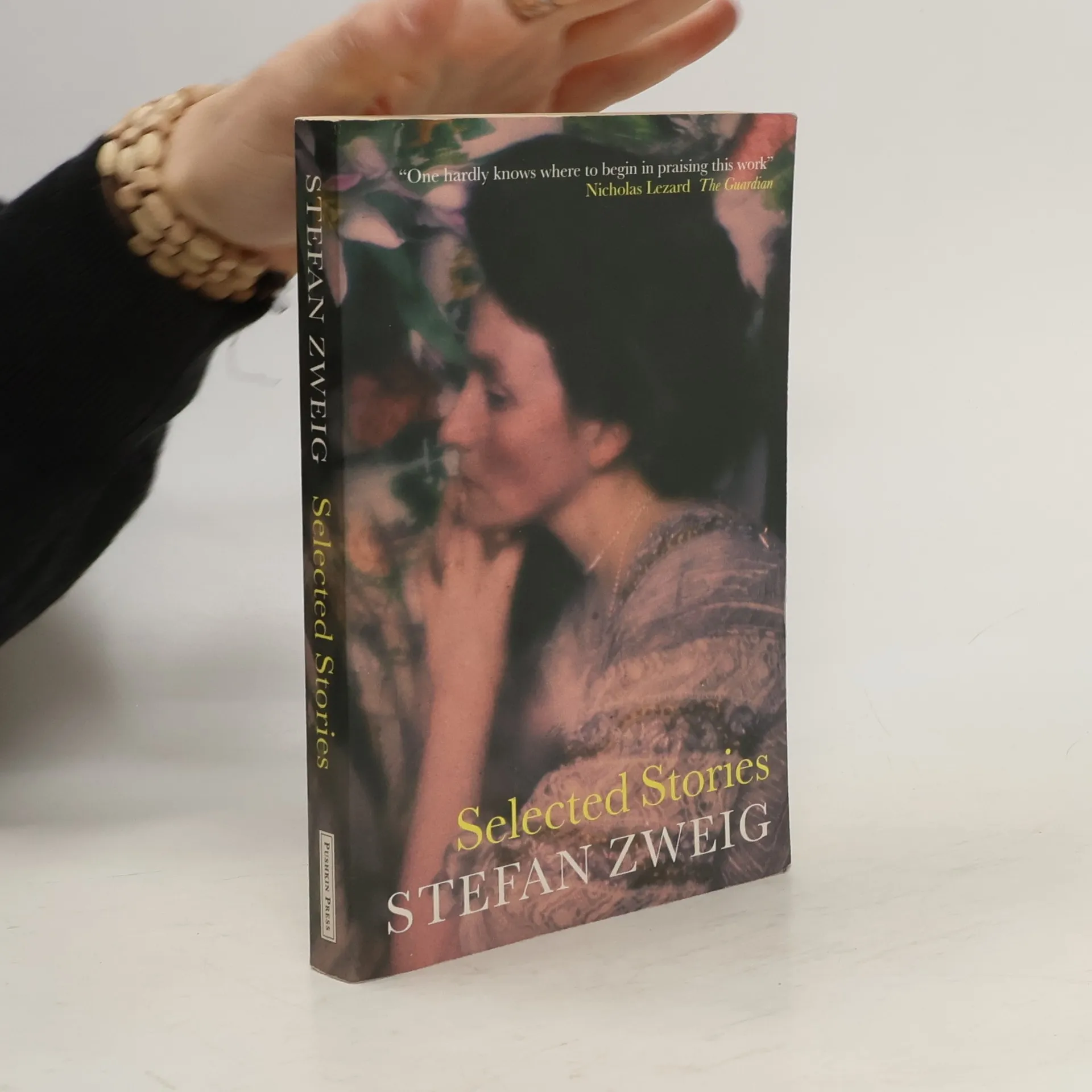
    • Selected Stories

      • 253 páginas
      • 9 horas de lectura

      This title is a collection of stories from Stefan Zweig.

      Selected Stories
      4,3
    • Stefan's Zweig's Letter from an Unknown Woman and other stories contains a new translation by the award-winning Anthea Bell of one of his most celebrated novellas, Letter from an Unknown Woman , the inspiration for a classic 1948 Hollywood film by Max Ophüls, as well as three new stories, appearing in English for the first time.A famous author receives a letter on his forty-first birthday. He doesn't know the sender, but still the letter concerns him intimately. Its story is earnest, even piteous: the story of a life lived in service to an unannounced, unnoticed love.In the other stories in this collection, a young man mistakes the girl he loves for her sister; two erstwhile lovers meet after an age spent apart; and a married woman repays a debt of gratitude. All four tales, newly translated by the award-winning Anthea Bell, are among Zweig's most celebrated and compelling work-expertly paced, laced with empathy and an unwaveringly acute sense of psychological detail.

      Letter from an Unknown Woman and Other Stories
      4,3
    • Romain Rolland

      • 188 páginas
      • 7 horas de lectura

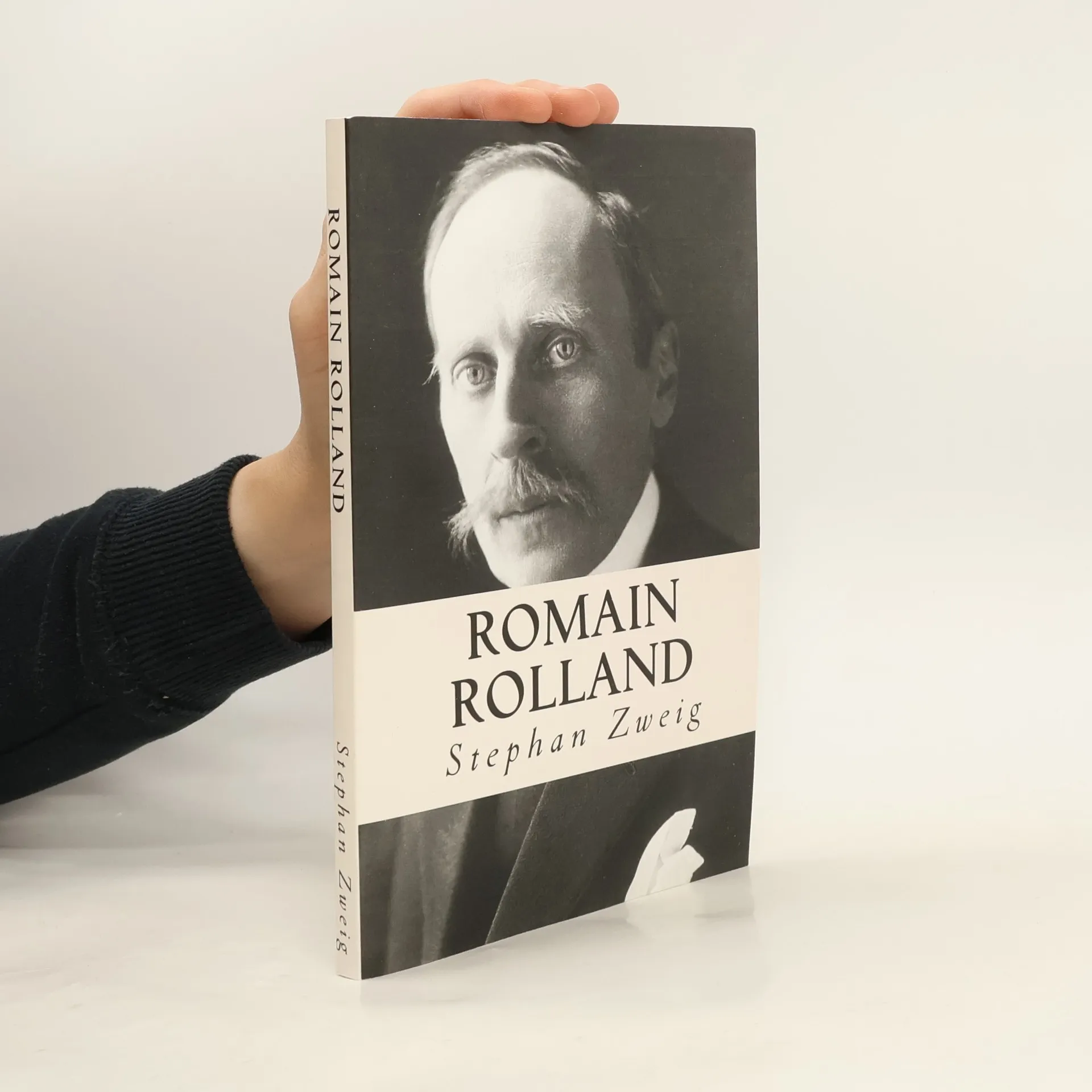
      The first fifty years of Romain Rolland's life were passed in inconspicuous and almost solitary labors. Thenceforward, his name was to become a storm center of European discussion. Until shortly before the apocalyptic year, hardly an artist of our days worked in such complete retirement, or received so little recognition.

      Romain Rolland
      3,5
    • Casanova, Stendhal, Tolstoy

      Adepts in Self-Portraiture: Volume 3, Master Builders of the Spirit

      • 420 páginas
      • 15 horas de lectura

      Exploring the intricate relationship between self-portraiture and literary genius, this volume delves into the lives of Casanova, Stendhal, and Tolstoy, revealing how these authors crafted their identities through their works. Zweig examines their personal narratives and the interplay between their experiences and creative expressions, offering insights into the complexities of ego and artistry. This analysis not only highlights their contributions to literature but also reflects on the broader themes of self-representation and the human condition.

      Casanova, Stendhal, Tolstoy
      4,2
    • The post office girl

      • 288 páginas
      • 11 horas de lectura

      A young Austrian woman, Christine, toils away in a provincial post office when, out of the blue, a telegram arrives inviting her to join an American aunt she's never known in a fashionable Swiss resort. She accepts and is swept up into a world of almost inconceivable wealth and unleashed desire. She feels herself utterly transformed.

      The post office girl
      4,1
    • Encounters and Destinies

      • 192 páginas
      • 7 horas de lectura

      A new collection of essays by Stefan Zweig: tributes to the great artists and thinkers of the Europe of his day Stefan Zweig was one of the twentieth century's greatest authors and a tireless champion of freedom, tolerance and friendship across borders. Encounters and Destinies collects his most impassioned and moving tributes to his many illustrious friends and peers: literary, philosophical and artistic luminaries from across the Old Europe that Zweig loved so much, and which he grieved to see so cruelly destroyed by two world wars. Including pieces on Rainer Maria Rilke, Marcel Proust, Sigmund Freud, Maxim Gorky and Arturo Toscanini, this essential collection is also Zweig's tribute to the ideal of friendship: an ideal he clung to as the world he knew was torn apart.

      Encounters and Destinies
      4,0
    • Montaigne

      • 153 páginas
      • 6 horas de lectura

      "Written during the Second World War, Zweig's typically passionate and readable biography of Michel de Montaigne, is also a heartfelt argument for the importance of intellectual freedom, tolerance and humanism. Zweig draws strong parallels between Montaigne's age, when Europe was torn in two by conflict between Catholicism and Protestantism, and his own, in which the twin fanaticisms of Fascism and Communism were on the verge of destroying the pan-continental liberal culture he was born into, and loved dearly. Just as Montaigne sought to remain aloof from the factionalism of his day, so Zweig tried to the last to defend his freedom of thought, and argue for peace and compromise" --

      Montaigne
      4,0
    • A deep study of the uneasy heart by one of the masters of the psychological novel, Journey into the Past, published here for the first time in America, is a novella that was found among Zweig’s papers after his death. Investigating the strange ways in which love, in spite of everything—time, war, betrayal—can last, Zweig tells the story of Ludwig, an ambitious young man from a modest background who falls in love with the wife of his rich employer. His love is returned, and the couple vow to live together, but then Ludwig is dispatched on business to Mexico, and while he is there the First World War breaks out. With travel and even communication across the Atlantic shut down, Ludwig makes a new life in the New World. Years later, however, he returns to Germany to find his beloved a widow and their mutual attraction as strong as ever. But is it possible for love to survive precisely as the impossible?
      Journey into the past
      3,9
    • The society of the crossed keys

      • 266 páginas
      • 10 horas de lectura

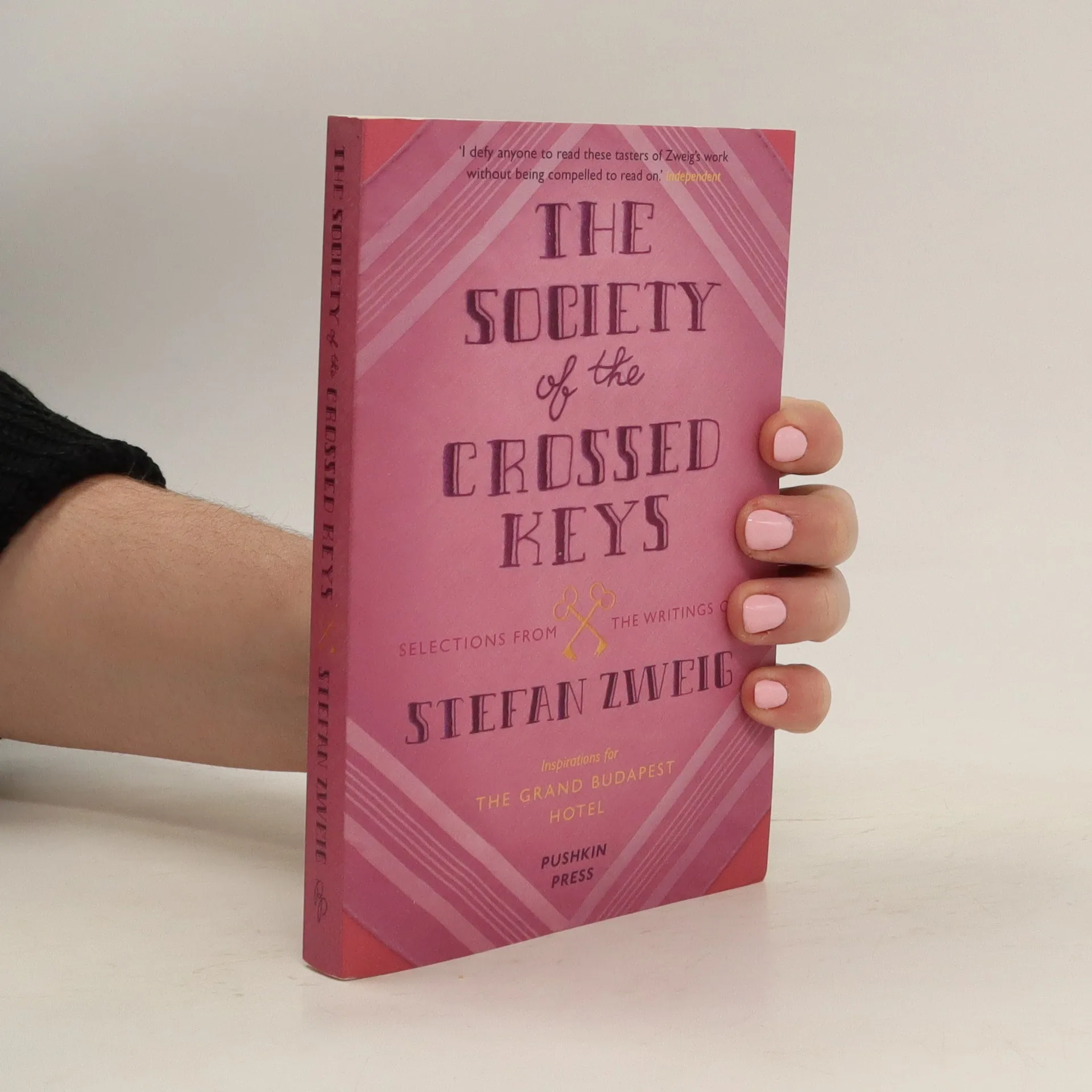
      It's just a masterpiece. When I read it I thought, how is it that we don't know about this-how is it that I am the only person I know who's read this book? Wes Anderson, on Stefan Zweig's Beware of Pity Contents: A Conversation with Wes Anderson-Wes Anderson discusses Zweig's life and work with Zweig biographer George Prochnik. The World of Yesterday-Selected extracts from Zweig's memoir, an unrivalled evocation of bygone Europe. Beware of Pity-An extract from Zweig's only novel, a devastating depiction of the torment of the betrayal of both honour and love. Twenty-Four Hours in the Life of a Woman-One of Stefan Zweig's best-loved stories in full-a passionate tale of gambling, love and death.

      The society of the crossed keys
      3,9
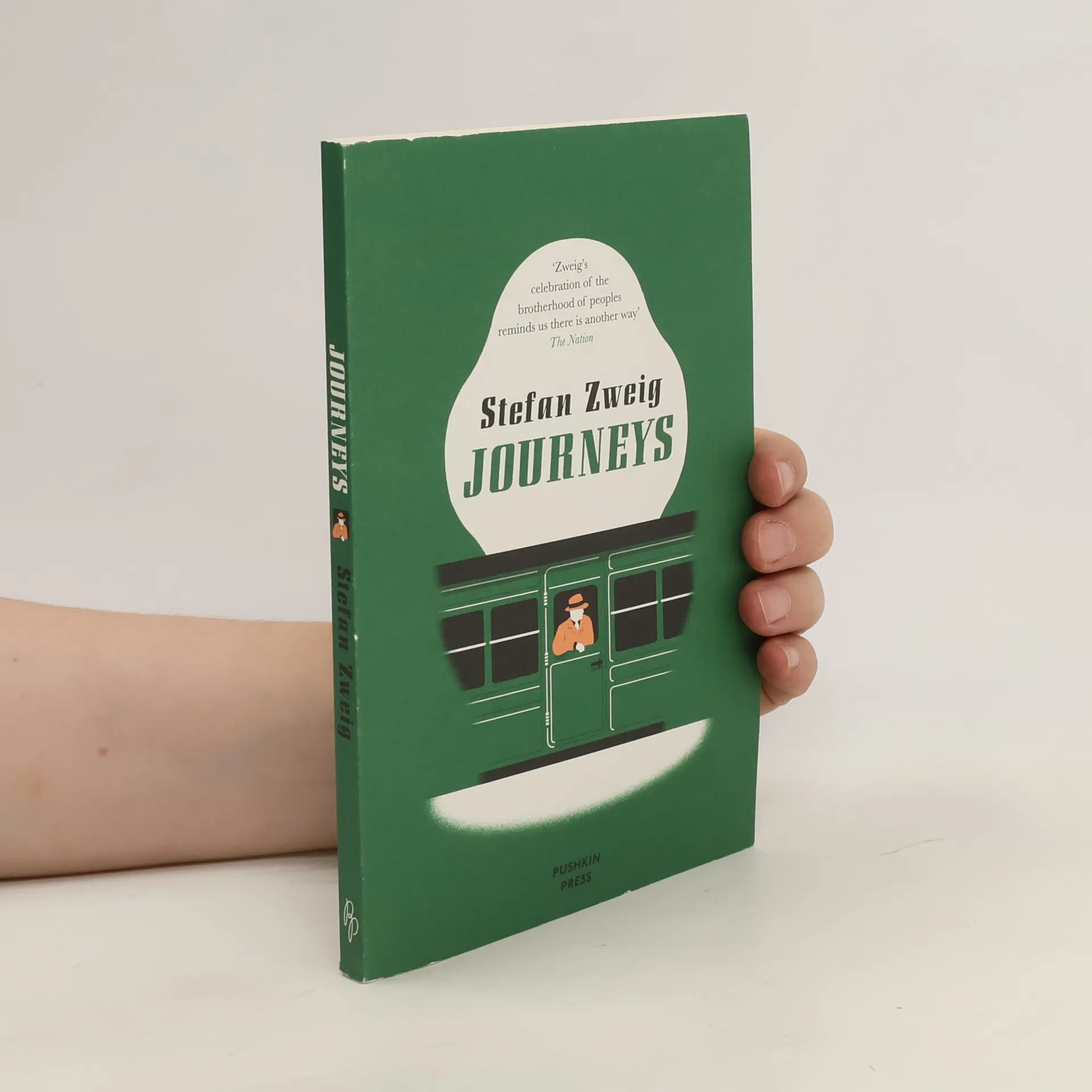
    • A collection of the great writer's observations, made during his travels across the Europe he loved so much When I am on a journey, all ties suddenly fall away. I feel myself quite unburdened, disconnected, free - There is something in it marvellously uplifting and invigorating. Whole past epochs suddenly return: nothing is lost, everything still full of inception, enticement. For the insatiably curious and ardent Europhile Stefan Zweig, travel was both a necessary cultural education and a personal balm for the depression he experienced when rooted in one place for too long. He spent much of his life weaving between the countries of Europe, visiting authors and friends, exploring the continent in the heyday of international rail travel. Comprising a lifetime's observations on Zweig's travels in Europe, this collection can be dipped into or savoured at length, and paints a rich and sensitive picture of Europe before the Second World War.

      Journeys
      3,9
    • Amok

      • 160 páginas
      • 6 horas de lectura

      A new pocket edition of this Conradian tale of maddening desire, from the master of the novella On a sweltering ocean-liner travelling from India to Europe a passenger tells his story: the tale of a doctor in the Dutch East Indies torn between his duty and the pull of his emotions; a tale of power and desire, pride and shame and a headlong flight into folly. This is one the most intense and incisive of the novellas which brought Stefan Zweig to worldwide fame.

      Amok
      3,9
    • The Burning Secret

      • 100 páginas
      • 4 horas de lectura

      The book offers a unique and breathtaking narrative that stands apart from typical literary experiences. Its innovative storytelling and compelling themes promise to engage readers in an extraordinary journey, making it a standout work in contemporary literature.

      The Burning Secret
      3,9
    • A scintillating biographical study of the one of the greatest philosophers of the nineteenth century, by one of the bestselling writers of the twentieth. In this vivid biography, Zweig eschews traditional academic discussion and focuses on Nietzsche's habits, passions and obsessions. This work, concentrating on the man rather than the work, on the tragedy of his existence and his apartness from the world in which he moved in enforced isolation, is a tour de force, drawing the reader inexorably into Nietzsche's tragic trajectory. Illustrated with numerous photographs relating to Nietzsche and his European locations, this superb translation by Will Stone is essential reading for anyone interested in Nietzsche, Zweig, first-class biographies and philosophy.

      Nietzsche
      3,8
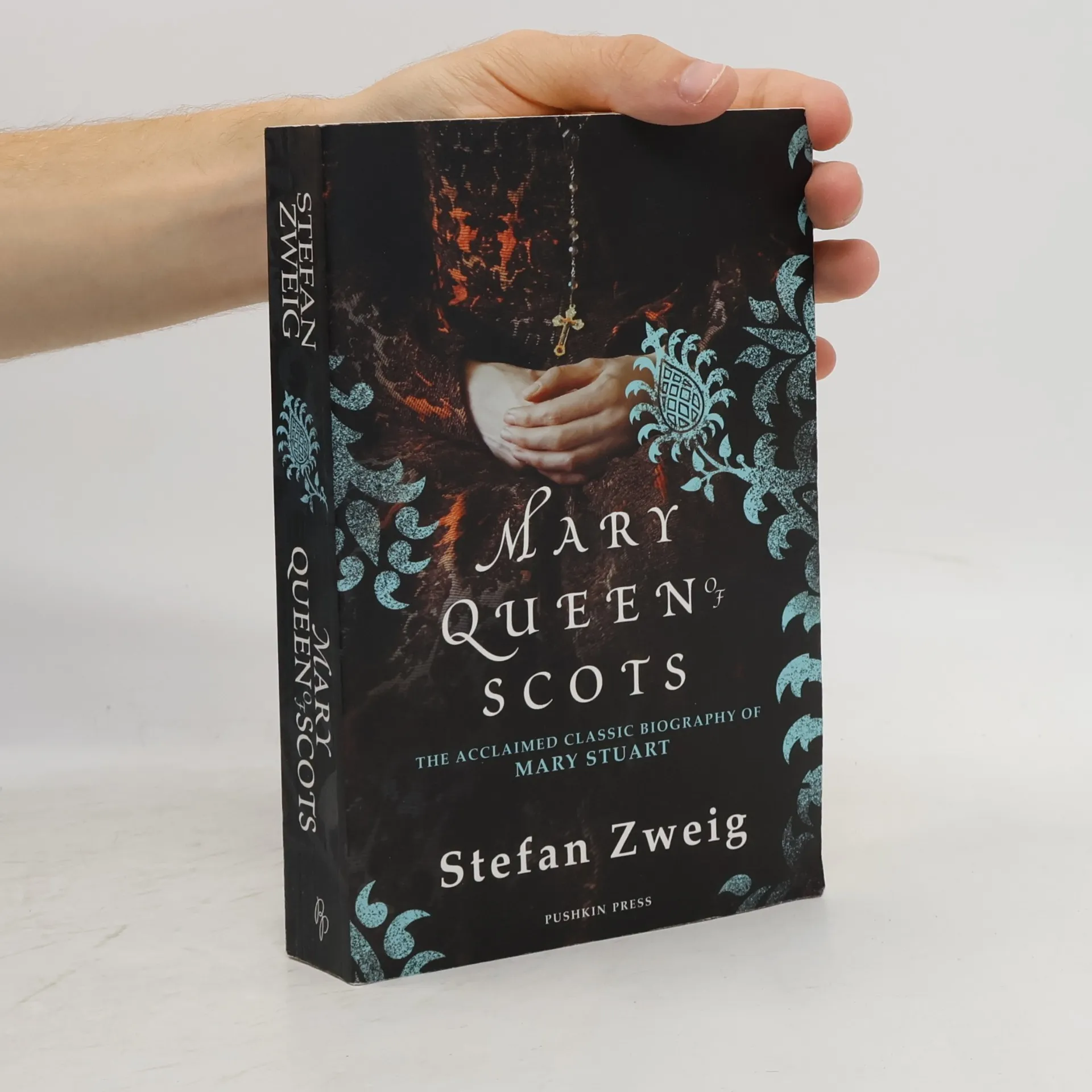
    • Mary Stuart, Queen of Scots, Queen of France and a claimant to the throne of England, was condemned for treason and executed at the age of forty-four. It has taken the free spirit and the immense talent of Stefan Zweig to justly reconstruct the life and passionate character of a woman who was so cruelly united with destiny.

      Mary Stuart
      3,5
    • Set against the backdrop of World War I, this novella explores the intense inner conflict of a young artist faced with a military draft while seeking refuge in Switzerland. As he grapples with the choice between loyalty to his beliefs and compliance with authority, the narrative delves into themes of personal freedom and moral dilemmas. Aimed at improving English reading skills for learners at levels A2 to B2, this edition presents the text entirely in English, making it accessible for both youth and adults.

      Compulsion: Englisch Lektüre A2 - B2
    • The Royal Game

      Englisch Lektüre A2 - B2

      The narrative unfolds on a passenger ship traveling from New York to Buenos Aires, featuring the world chess champion Mirko Czentovic, who excels at chess despite his limited intellect. A fellow passenger, Dr. B, challenges him to a game, drawing on his experience of isolation during WWII, where he mastered chess to maintain his sanity. This encounter becomes a profound exploration of the psychological effects of isolation and the resilience of the human spirit, making it a compelling read for those looking to enhance their English skills through classic literature.

      The Royal Game
    • The Burning Secret

      New Large Print Edition

      • 122 páginas
      • 5 horas de lectura

      Delving into the intricacies of human relationships, this novella presents a psychological drama that examines desire, betrayal, and the repercussions of concealed feelings. First published in 1913 and later translated anonymously into English, it is celebrated for its profound psychological insight and rich thematic exploration.

      The Burning Secret
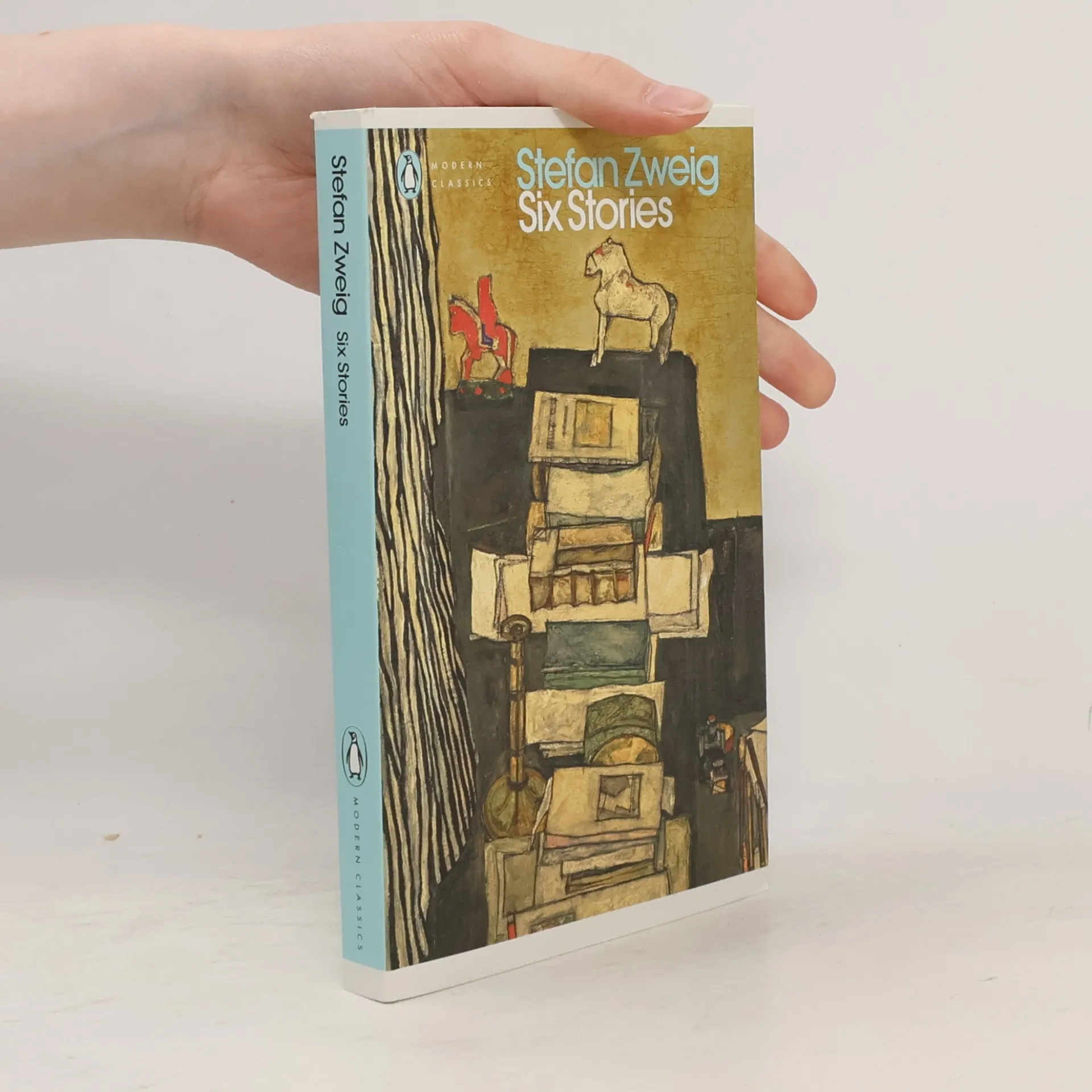
    • 'One of the masters of the short story' Guardian These six stories of obsession, secrets, delusions and desires from one of the greatest European writers show individuals caught up in forces beyond their control - whether an art dealer agreeing to a heartbreaking deception, a soldier destroyed by war, a servant infatuated with her employer or a young boy witnessing illicit adult passions. Portraying innocence lost and lives crushed by history, each tale is a psychologically acute, startling human drama. Contains 'The Invisible Collection', 'Episode on Lake Geneva', 'Leporella', 'Buchmendel', 'The Buried Candelabrum' and 'Burning Secret'.

      Six Stories
    • Stefan Zweig bol jedným z tých spisovateľov, ktorí museli emigrovať a k dobe sa primerane svojim možnostiam vyslovil práve knihou Svedomie proti násiliu alebo Castellio proti Kalvínovi, v ktorej analógiou boja Castellia proti Kalvínovi v šestnástom storočí, v storočí náboženských a fanatickýchvrážd, horiacich hraníc, honby na kacírov vyslovuje svoje presvedčenie humanistu, odsudzuje násilie a intoleranciu.

      Svedomie proti násiliu
      4,6
    • Stefan Zweig bol jedným z tých spisovateľov, ktorí museli emigrovať a k dobe sa primerane svojim možnostiam vyslovil práve knihou Svedomie proti násiliu alebo Castellio proti Kalvínovi, v ktorej analógiou boja Castellia proti Kalvínovi v šestnástom storočí, v storočí náboženských a fanatických vrážd, horiacich hraníc, honby na kacírov vyslovuje svoje presvedčenie humanistu, odsudzuje násilie a netoleranciu a zasadí ako Castellio siatbu pre priaznivejšie časy. Sám autor vynikajúcich románov, akými sú Hviezdne hodiny ľudstva, Erasmus Rotterdamský, Mária Antoinetta, Joseph Fouché, však nevie nájsť východisko z týchto krušných časov a volí radšej dobrovoľnú smrť, pretože pre priateľa Maxima Gorkého, Romaina Rollanda a mnohých ďalších je vojna triumfom barbarstva, výronom ničivých prapudov, a on sa do tejto doby nehodí.

      Svedomie proti násiliu, alebo, Castellio proti Kalvínovi
      4,6
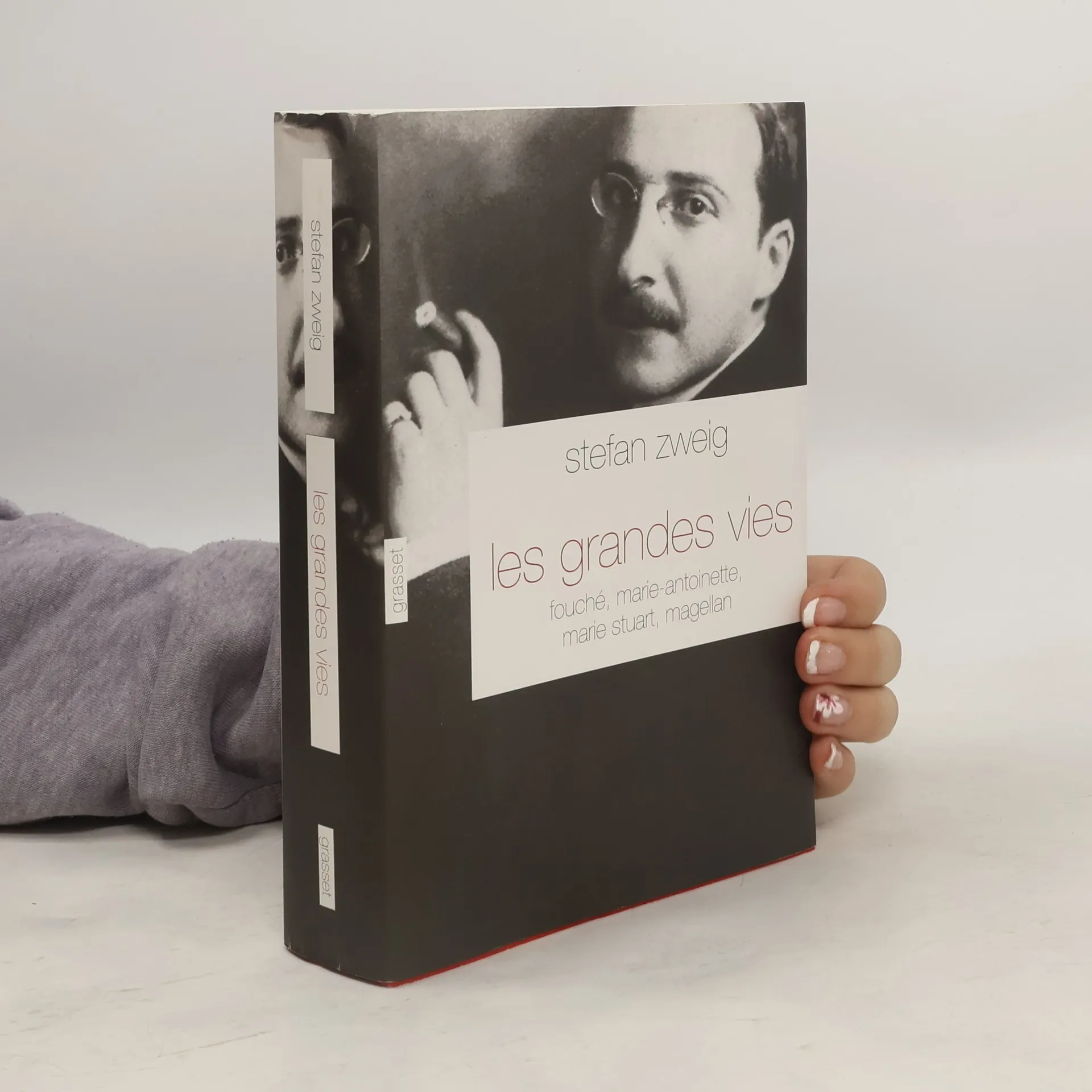
    • Magellan (1480-1521) entreprit en 1519 le premier voyage autour du monde. Il trouva une mort absurde aux Philippines, son exploit accompli. Dans cette formidable biographie, Zweig exalte la volonté héroïque de Magellan, qui prouve qu’« une idée animée par le génie et portée par la passion est plus forte que tous les éléments réunis ». Marie Stuart (1542-1587) reine d'Ecosse puis de France, doit en 1560 se réfugier auprès d’Elisabeth I d'Angleterre après une liaison malheureuse. Celle-ci la gardera captive vingt ans avant de la condamner à mort. Il fallait l'immense talent de Stefan Zweig pour faire revivre la femme et la reine, parée de mille grâces par les uns, peinte comme une criminelle par les autres. Qui était Marie-Antoinette (1755-1793)? Une débauchée futile ? Une icône pour la Restauration ? Nous la suivons de la chambre de son époux, jusqu’au lit de la guillotine. Zweig analyse une âme bouleversée par les événements, qui, sous le poids du malheur et de l’Histoire, se révèle à elle-même. Joseph Fouché (1759-1820) a servi avec zèle la République, le Directoire, le Consulat, l’Empire et la Monarchie. Elève chez les Oratoriens, il devint un pilleur d’églises. Conventionnel modéré, il vota la mort du roi. Fouché, c’est l’art du reniement, la grâce du traître. Stefan Zweig nous fait découvrir, à sa manière, une figure essentielle de l’Histoire.

      Les grandes vies
      4,7
    • Svědomí proti násilí

      Castelliův zápas s Kalvínem

      Zweigova kniha, žánrově na pomezí eseje, románu a historické studie, vyšla poprvé ve Vídni v roce 1936, těsně před pohlcením autorovy vlasti hitlerovským Německem. Protagonisté – Castellio, Kalvín a Servet – jsou historické osobnosti 16. století, ale příběh se stává vášnivou obranou základních hodnot evropské civilizace: svobody, tolerance, života a lidskosti proti totalitní ideologii. Castelliův zápas s Kalvínem, „boj komára se slonem“, představuje střet neohroženého jednotlivce s násilnou teokratickou diktaturou. Vyvrcholením je upálení humanistického učence Miguela Serveta na Kalvínův příkaz. Sebastian Castellio, riskující vlastní život, se postaví proti této justiční vraždě a jako první formuloval teorii snášenlivosti, zdůrazňující, že upálení kacíře je vražda. I když komár v boji se slonem dočasně prohrává, Castelliovy myšlenky později ožívají v Evropě a stávají se součástí kulturního vědomí. Český překlad vyšel na počátku normalizace v roce 1970, což bylo možná způsobeno nepozorností cenzorů. Čtenáři jasně vnímali, že Zweigův esej je silnou obranou svobody proti totalitním ideologiím, čerpající naději podobně jako čtenáři v roce 1936. Význam díla zůstává aktuální a připomíná, že Západ stojí na těžce vybojovaných hodnotách, nikoli na ekonomickém růstu či byrokratických pravidlech.

      Svědomí proti násilí
      4,6
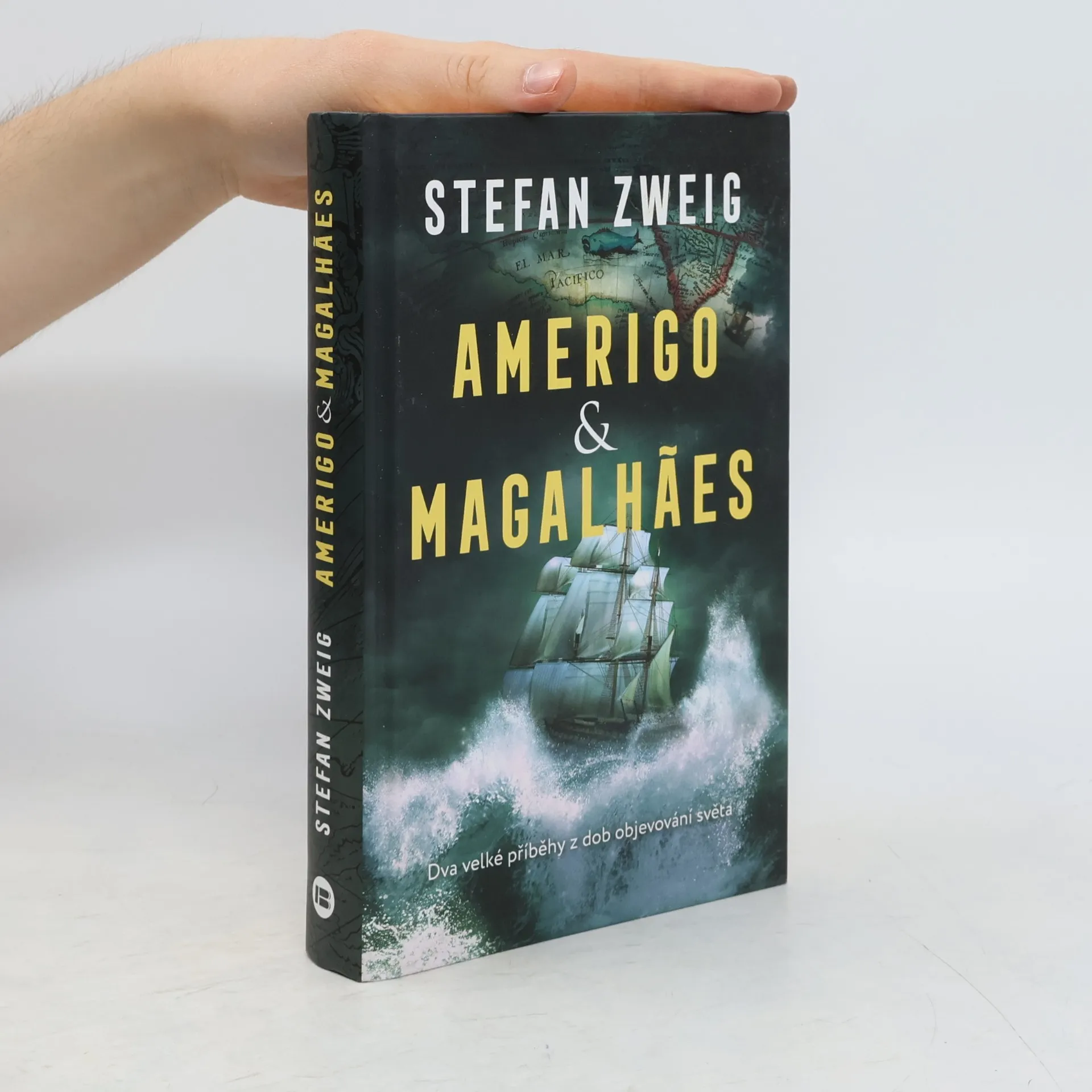
    • Amerigo & Magalhães

      • 320 páginas
      • 12 horas de lectura

      Proč se Amerika jmenuje Amerika a ne Kolumbie podle svého objevitele? Italský mořeplavec Amerigo Vespucci ji neobjevil, a nebyl ani tím, kdo jako první překročil Panamskou šíji a spatřil Tichý oceán, aby dokázal, že jde o nový kontinent. Zúčastnil se několika výprav do Nového světa, ale nevedl je. Ovšem psal o nich. Ale jen díky souhře mnoha neuvěřitelných náhod a omylů, které jsou samy o sobě fascinující příběhem, jenž nemá v historii obdoby, dostal nový kontinent jeho jméno. – Těmito otázkami se zabývá Zweigův životopisný román Amerigo (1944), první část svazku. Druhá část Magalhães (1938) je věnována slavnému portugalskému mořeplavci a jeho neuvěřitelné plavbě kolem světa, kterou podnikl v letech 1519–1521, která s konečnou platností dokázala, že je Země kulatá.

      Amerigo & Magalhães
      4,7
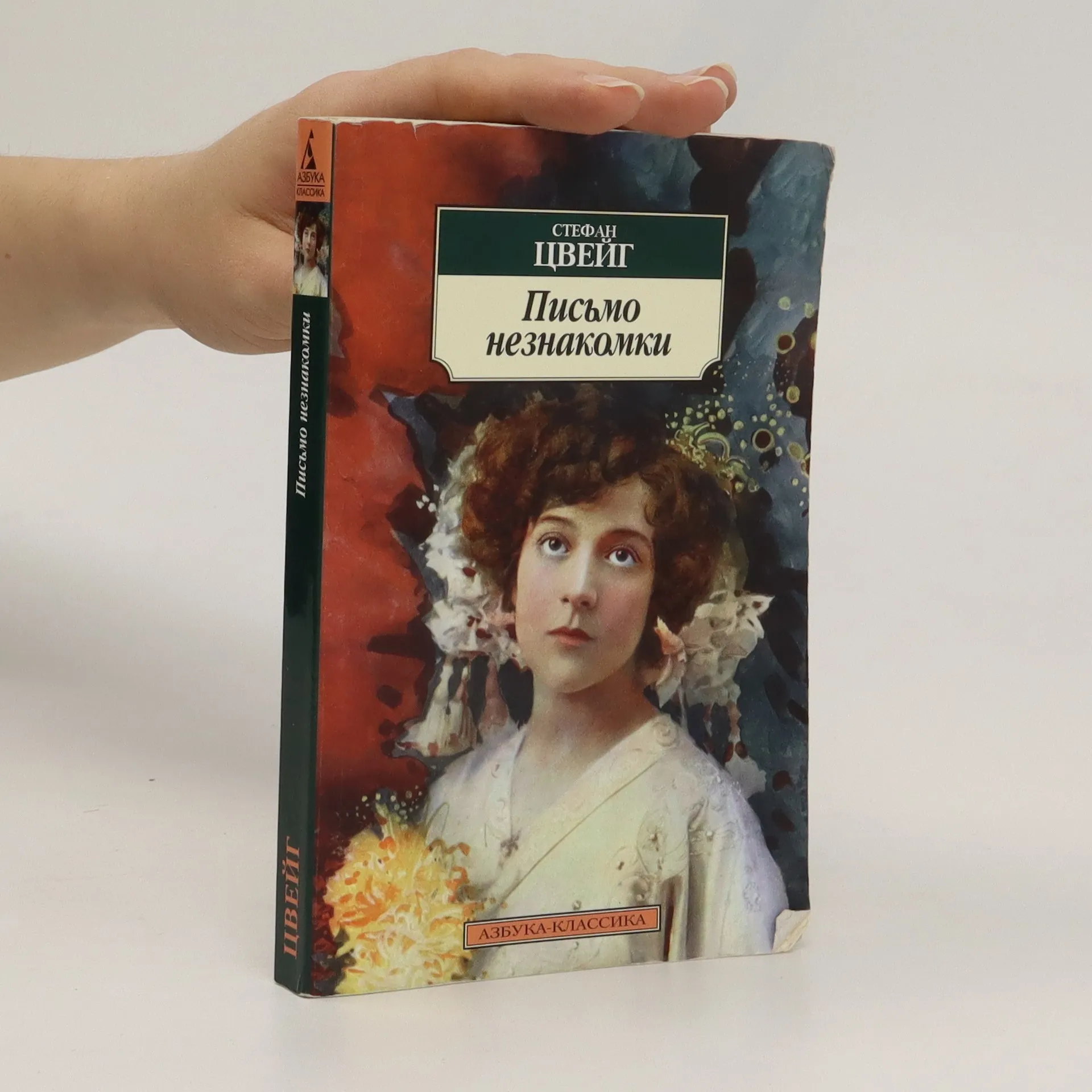
    • Содержание Одинокий остров Дон Кихота Автор: Вадим Татаринов стр. 5-10 Мария Стюарт — Стефан Цвейг, роман Перевод: Ревекка Гальперина стр. 11-352 Кристина — Стефан Цвейг, роман Перевод: Н.Бунин стр. 353-573 Амок — Стефан Цвейг, новелла Перевод: Даниил Горфинкель стр. 574-620 Письмо незнакомки — Стефан Цвейг, новелла Перевод: Д. Горфинкель стр. 621-655 Неожиданное знакомство с новой профессией — Стефан Цвейг, новелла Перевод: И. Татаринова стр. 656-688 Примечания Автор: Автор не указан стр. 689-700

      Письмо незнакомки (Pismo neznakomki)
      4,7
    • Amok; Fantastická noc; Knihomol; Letní novelka; Mučivé tajemství; Neviditelná sbírka; Šachová novela; Zmatení citů; Doslov - Eduard Urban

      Novely
      4,5
    • Novellen

      • 401 páginas
      • 15 horas de lectura

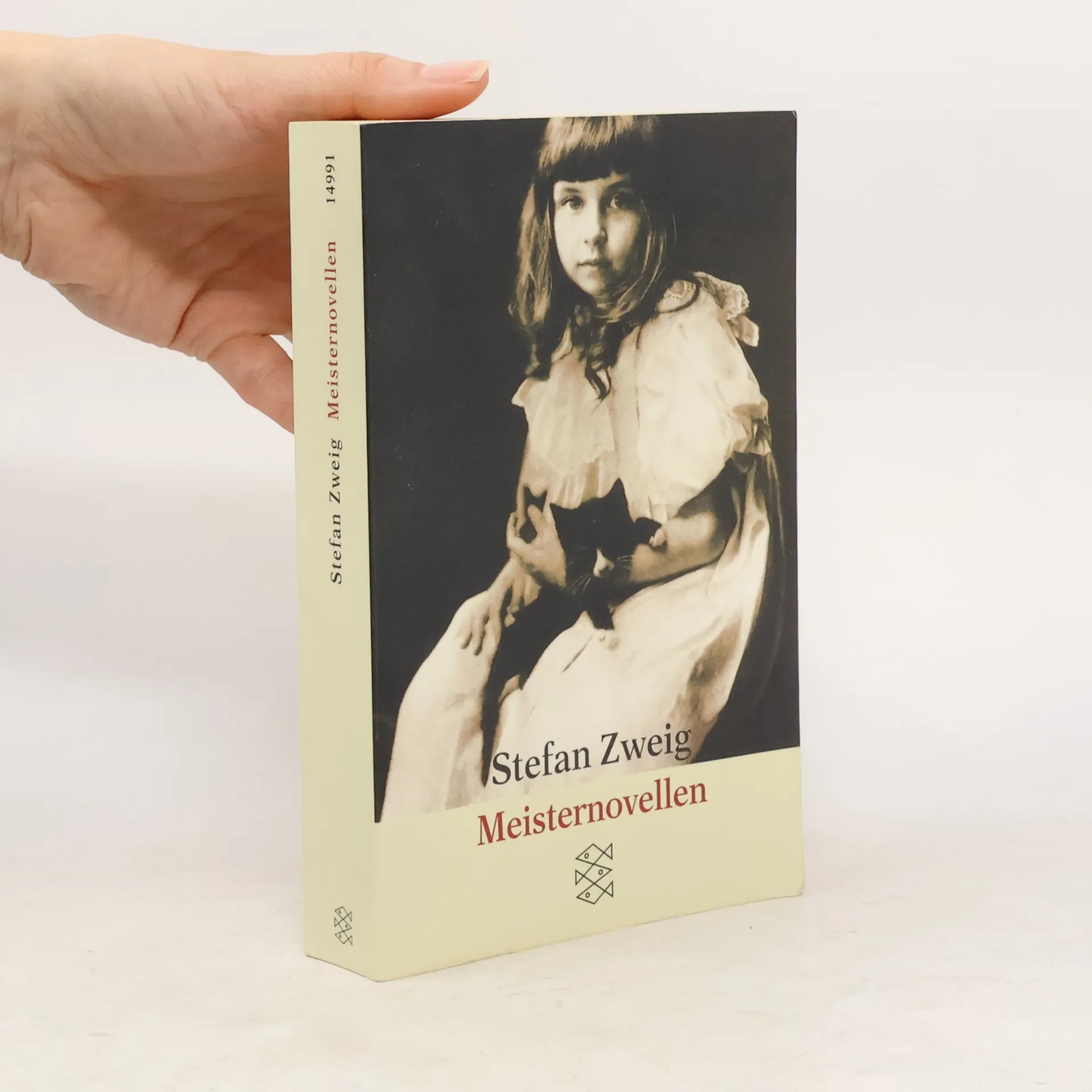
      Inhalt: - Brennendes Geheimnis - Der Amokläufer - Brief einer Unbekannten - Die Frau und die Leidenschaft - Verwirrung der Gefühle - Vierundzwanzig Stunden aus dem Leben einer Frau - Episode am Genfer See - Die unsichtbare Sammlung - Schachnovelle

      Novellen
      4,5
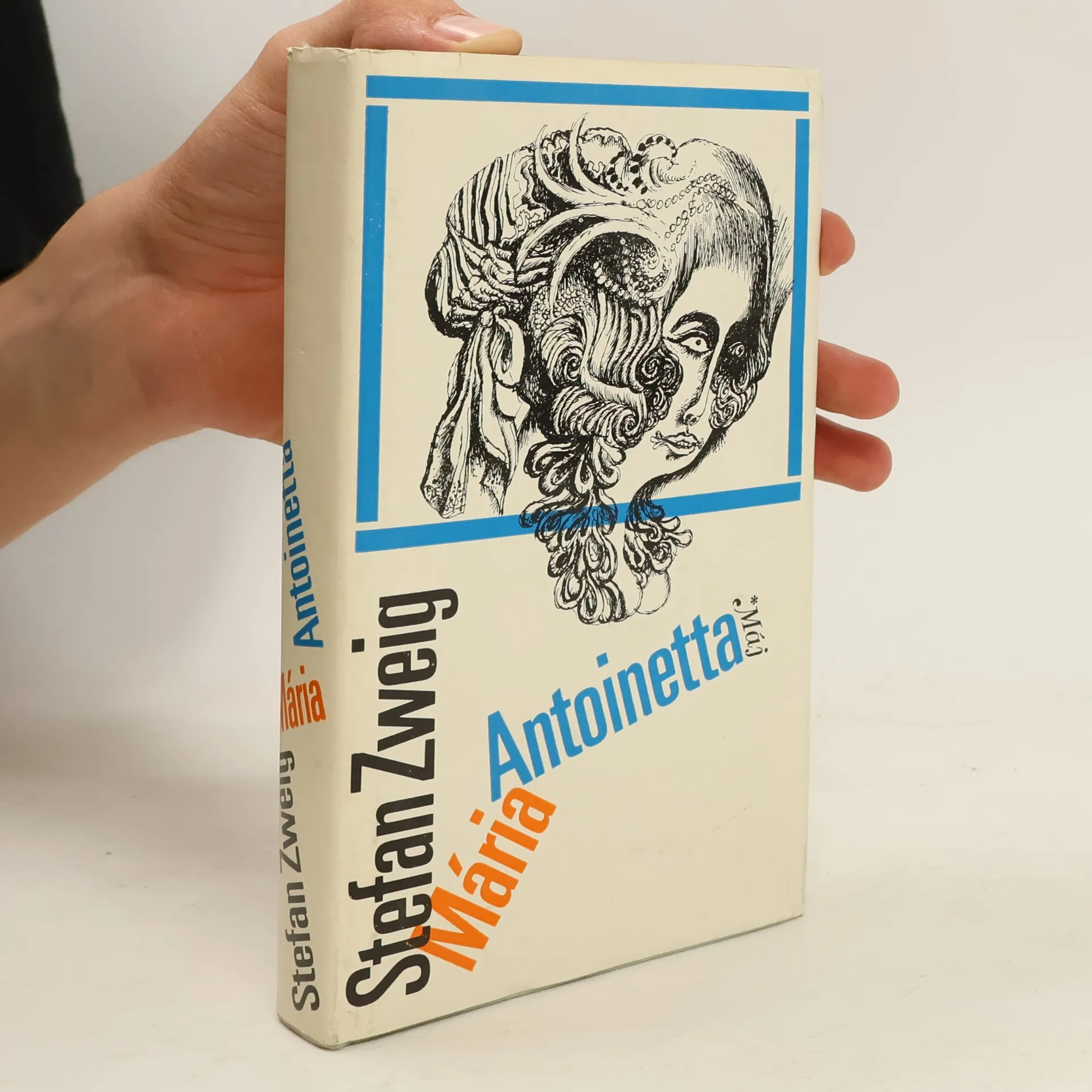
    • Životopis francúzskej kráľovny, dcéry Márie Terézie, ktorá zažila vrchol moci, ale aj pád a skončila na popravisku.

      Mária Antoinetta
      4,5
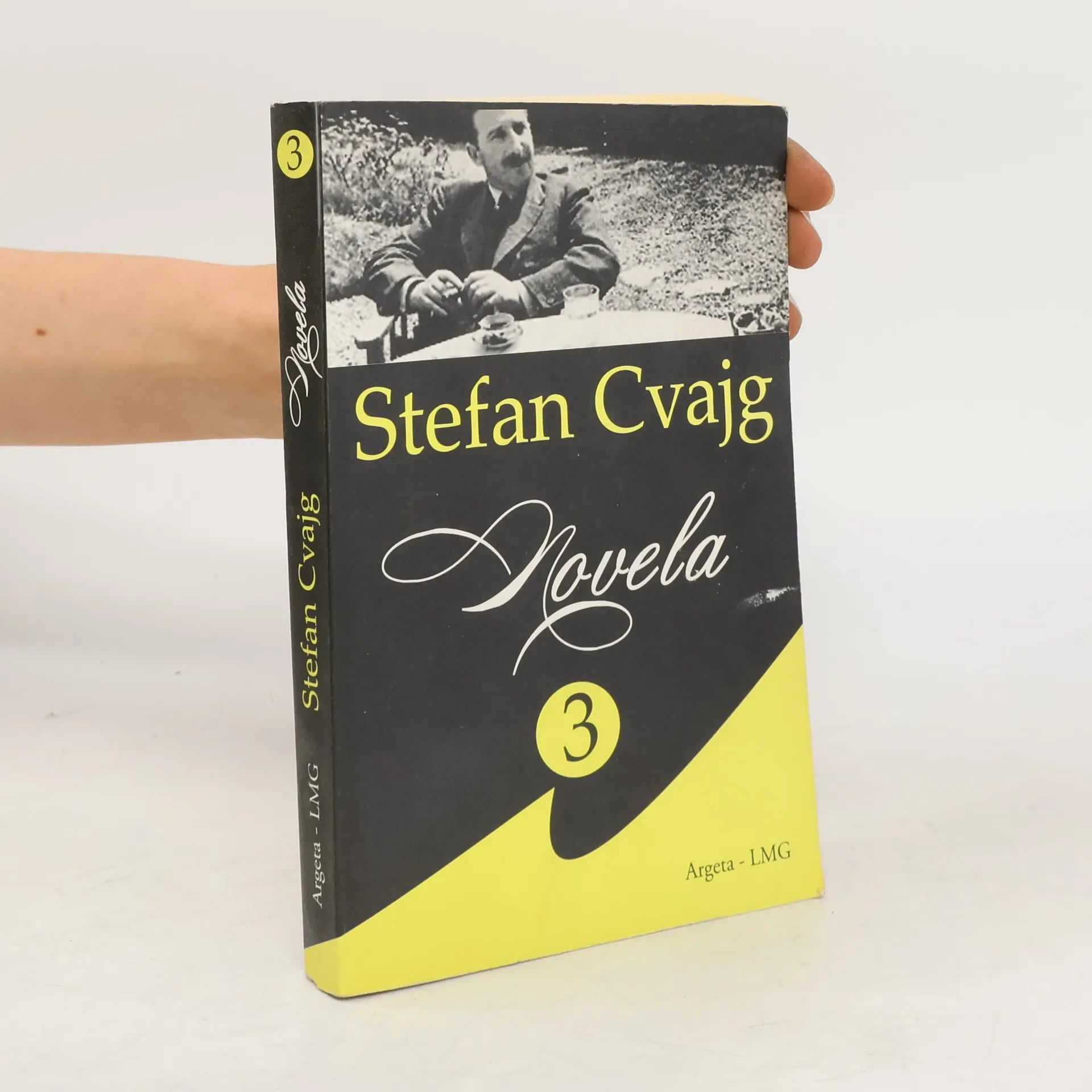
    • Novela 3

      • 338 páginas
      • 12 horas de lectura
      Novela 3
      5,0
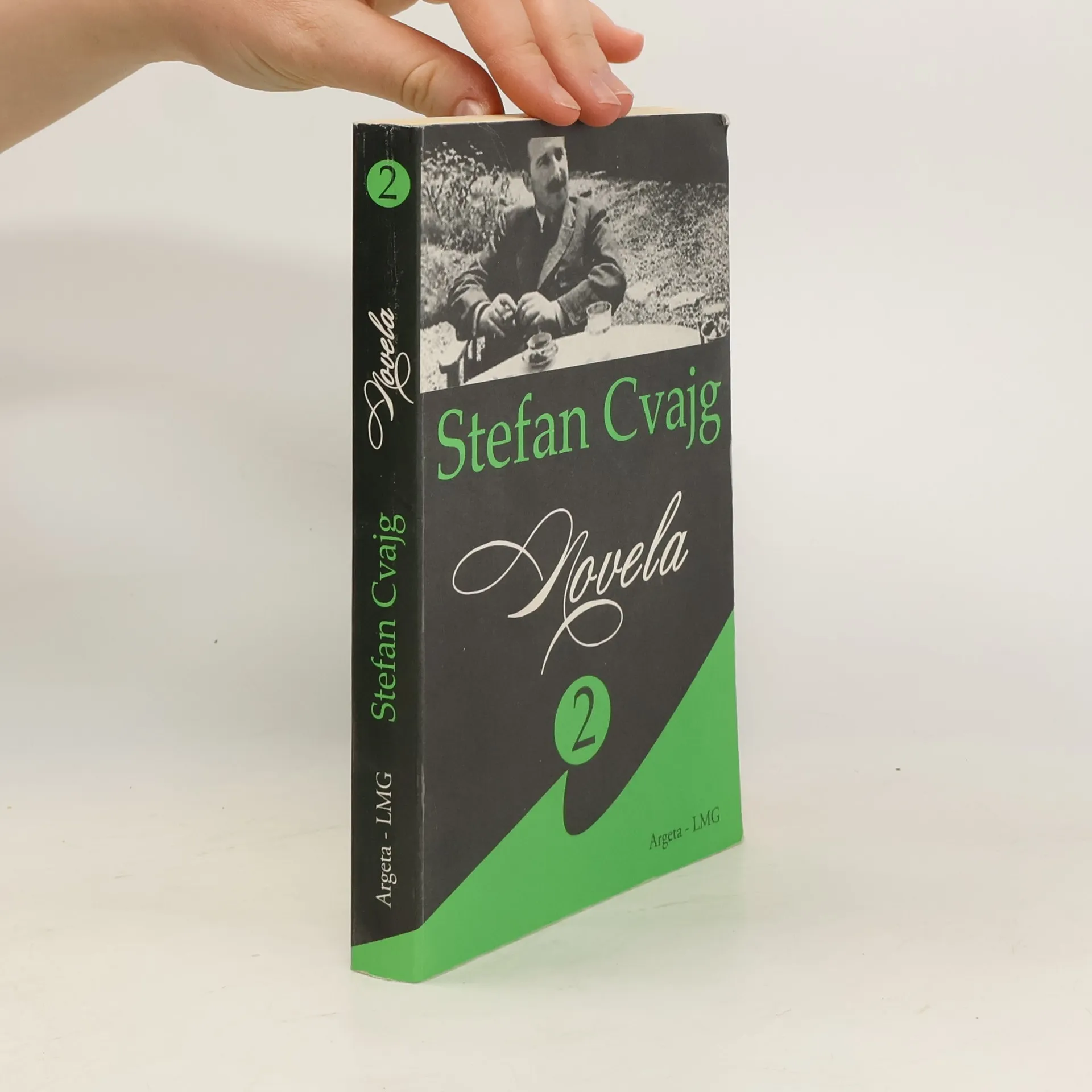
    • Novela 2

      • 338 páginas
      • 12 horas de lectura
      Novela 2
      5,0
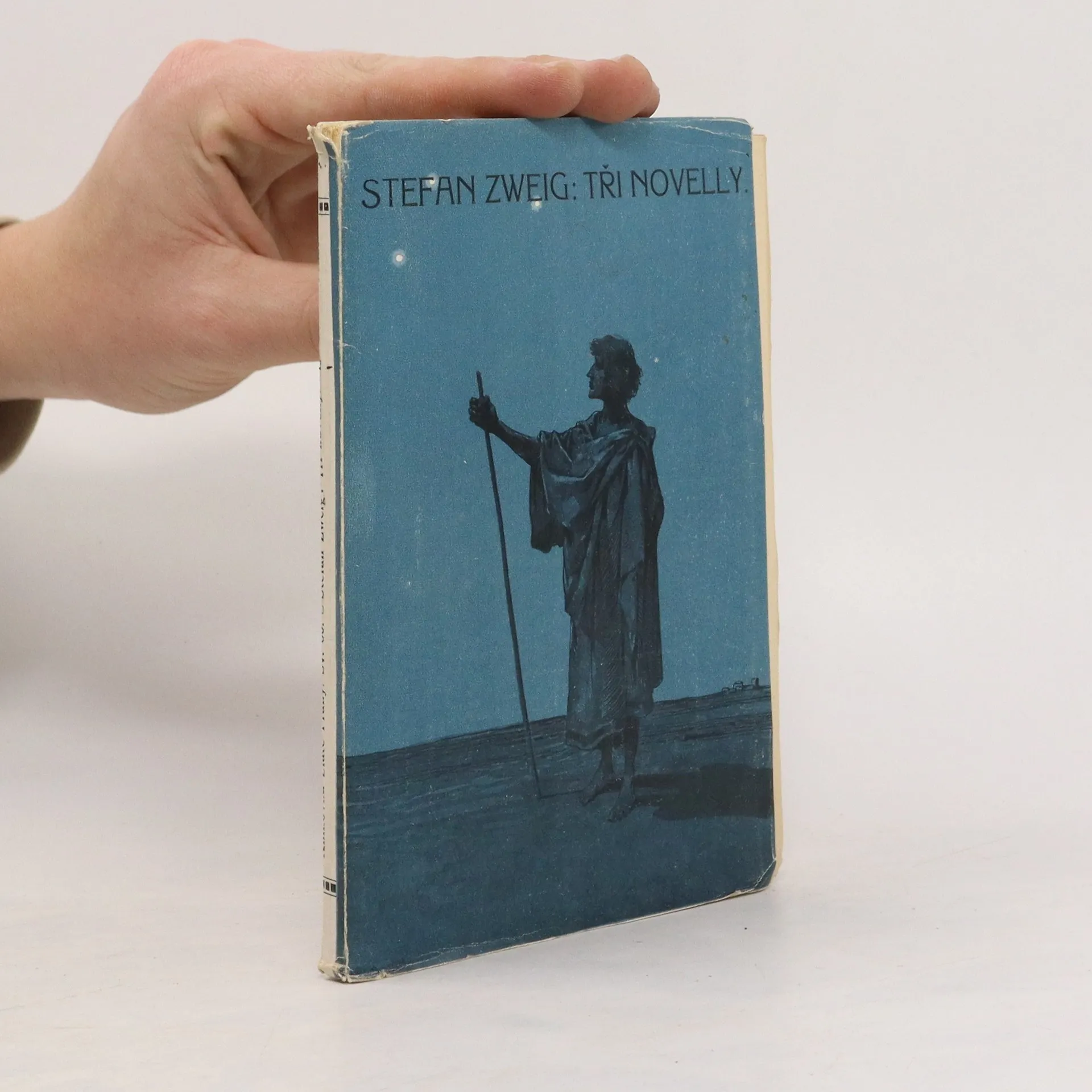
    • Novely: Putování, Zázraky života, Povídka za soumraku

      Tři novelly
      5,0
    • Стефан Цвейг - один из популярнейших австрийских писателей. Его книги захватывают читателя с первых строк, щедро одаривая радостью узнавания и сопереживания до самых последних страниц. Это книги из числа тех, о которых принято говорить, что их "проглатывают". В настоящем издании вниманию читателей предлагается роман Цвейга "Нетерпение сердца" - история трогательной и трагической любви молодого офицера и девушки, прикованной к инвалидному креслу...

      Нетерпение сердца (Neterpenie serdtsa)
      4,7
    • "Kein einziger Mensch wagt sich nahe und voll in den innern Kreis dieses Geschickes, immer spricht, immer kämpft, immer leidet Nietzsche für sich allein. Er redet zu niemandem, und niemand antwortet ihm. Und was noch furchtbarer ist: niemand hört ihm zu."Ein biografisches Meisterwerk: Die Lebensbeschreibung Nietzsches im berühmten, romanhaft-lebendigen Stil Stefan Zweigs verfasst.

      Friedrich Nietzsche - Der Tanz über dem Abgrund. Eine Biografie
      5,0
    • Stefan Zweig reflektiert die politisch-kulturellen Umbrüche und Unsicherheiten im Europa der Zwischenkriegszeit: Vor dem Hintergrund von Inflation, Arbeitslosigkeit und politischen Krisen breiten sich Hetze, Hass und Gewalt wie ein schleichendes Gift in der Gesellschaft aus. Tabus werden systematisch gebrochen, Normalitätsgrenzen leise verschoben. Hitler beginnt – und damit die Unmenschlichkeit. »Was konnte Hitler Gewalttätiges durchsetzen in einem Staate, wo das Recht fest verankert war, wo im Parlament die Majorität gegen ihn stand und jeder Staatsbürger seine Freiheit und Gleichberechtigung nach der feierlich beschworenen Verfassung gesichert meinte? Dann kam der Reichstagsbrand, das Parlament verschwand, Göring ließ seine Rotten los, mit einem Hieb war alles Recht in Deutschland zerschlagen.« Stefan Zweig »Keiner unter allen deutschen Schriftstellern hat die Verbindung von Deutschtümelei und rüdem Antisemitismus so begriffen und ausgesprochen wie er.« Walter Jens

      Incipit Hitler
      4,5
    • Psychologická novela o rakouském advokátu, který, vězněn nacisty v naprosté izolaci, se brání tlaku samoty tím, že z ukradené knížky posté přehrává sbírku mistrovských šachových úloh.

      Královská hra
      4,4
    • Edith, siebzehnjährige Tochter eines ungarischen Großindustriellen, ist an den Rollstuhl gefesselt. Als sie den jungen Leutnant Anton Hofmiller kennenlernt und sich Hals über Kopf in ihn verliebt, schöpft sie neuen Lebensmut. Anton dagegen hat kein Interesse an der gelähmten jungen Frau, heuchelt ihr aus falschem Mitleid aber Zuneigung vor und lässt sich sogar auf eine Verlobung mit ihr ein. Aus Scham über diese Verbindung verleugnet er sie jedoch vor seinen Kameraden – ohne zu ahnen, welch schwerwiegenden Konsequenzen sein Verrat nach sich ziehen wird …

      Ungeduld den Herzens
      4,5
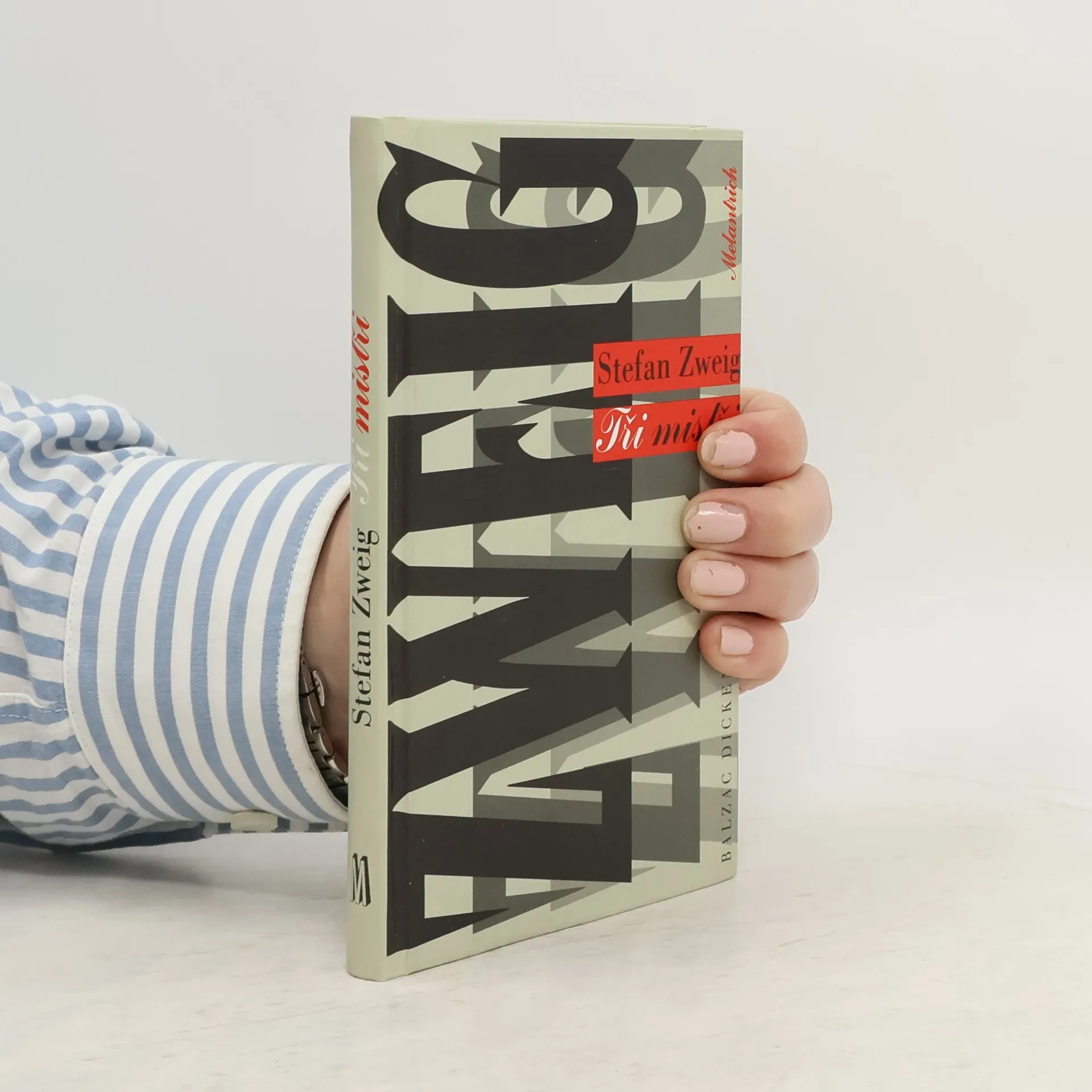
    • Stefan Zweig o svých esejích, zabývajících se třemi spisovateli 19. století – Balzakem, Dickensem a Dostojevským, řekl: „Jednotným záměrem knihy bylo pokusit se ukázat tyto tři velké a podle mne jediné romanopisce 19. století jako typy, které se právě kontrastností svých osobností vzájemně doplňují.“

      Tři mistři: Balzac, Dickens, Dostojevskij
      4,6
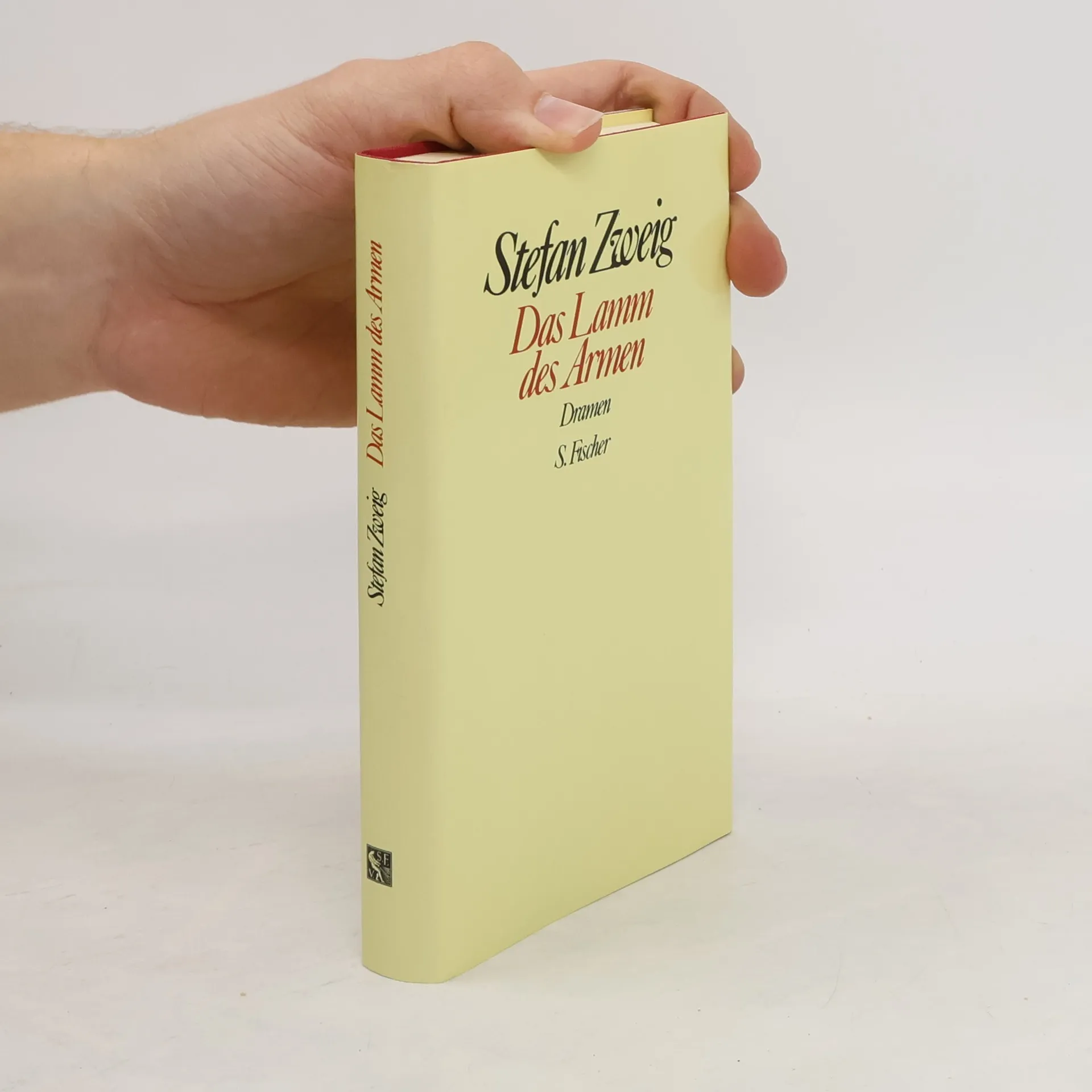
    • Das Lamm des Armen. Dramen

      • 422 páginas
      • 15 horas de lectura

      Stefan Zweig war vom Theater fasziniert, was ihn trotz Bedenken herausforderte. Er wählte seine Stoffe meist aus der Geschichte, darunter den amerikanischen Unabhängigkeitskrieg, das Rokoko, die napoleonische Zeit und die Französische Revolution.

      Das Lamm des Armen. Dramen
      5,0
    • Die unsichtbare Sammlung (1927) erzählt von einem Kunstantiquar, der einen alten Kunden besucht, während Buchmendel (1929) die Begegnung mit einem Bücherhändler in einem Wiener Café schildert. Unvermutete Bekanntschaft (1931) zeigt den Erzähler, der nach Paris zurückkehrt und amüsante Passanten beobachtet. Stefan Zweig, ein bedeutender österreichischer Schriftsteller, ist bekannt für seine dichten Novellen.

      Stefan Zweig: Die unsichtbare Sammlung, Buchmendel & Unvermutete Bekanntschaft mit einem Handwerk
      4,5
    • Für das Menschliche im Menschen

      Texte eines Humanisten und Weltbürgers

      Stefan Zweig war in den 1930er-Jahren der meistgelesene Autor deutscher Sprache, seine Werke gehören heute zum Kanon der deutschsprachigen und europäischen Literatur. Der engagierte Kämpfer für Frieden und Völkerverständigung ist einer der wichtigsten Vordenker der europäischen Einigung. In seinen Sternstunden der Menschheit und den Biographien macht Zweig Geschichte wieder lebendig und spannend. Gekonnt porträtiert er historische Gestalten oder beeindruckende Abenteurer und Weltentdecker, aber er erinnert auch an die Opfer von Unterdrückung und Intoleranz. In den Novellen und Romanen glänzt er dank seines psychologischen Einfühlungsvermögens und der Darstellung von verborgenen Leidenschaften, die unaufhaltsam in die Katastrophe führen. Auch die heute weniger bekannten Gedichte und Dramen waren zu Lebzeiten des Autors äußerst erfolgreich. Zweigs Erinnerungen Die Welt von Gestern schließlich beschreiben eindringlich den einzigartigen intellektuellen und künstlerischen Kosmos am Ende der Habsburgermonarchie – eine Epoche, die mit dem Ersten Weltkrieg und der Verfolgung und Vernichtung ihrer jüdischen Protagonisten unterging.

      Für das Menschliche im Menschen
      5,0
    • Jeremias

      • 222 páginas
      • 8 horas de lectura

      Nicht weniger als eine neue Interpretation des biblischen Propheten Jeremias bietet Stefan Zweig uns in seinem Drama an. Die Wegführung des Volkes und die Erfahrungen der Diaspora - Zweig greift die offenkundigen Parallelen auf und schlägt die Brücke zum Pazifismus. Es ist ein scheinbarer Widerspruch: Mit seinem Anti-Kriegs-Engagement war Zweig ein einsamer Mahner in der Wüste, doch lag es nicht daran, dass sein Werk nicht verbreitet worden wäre. Zweig gehörte schon zu Lebzeiten zu den bestverkauften Autoren seiner Zeit. Gröls-Klassiker (Edition Werke der Weltliteratur)

      Jeremias
      4,4
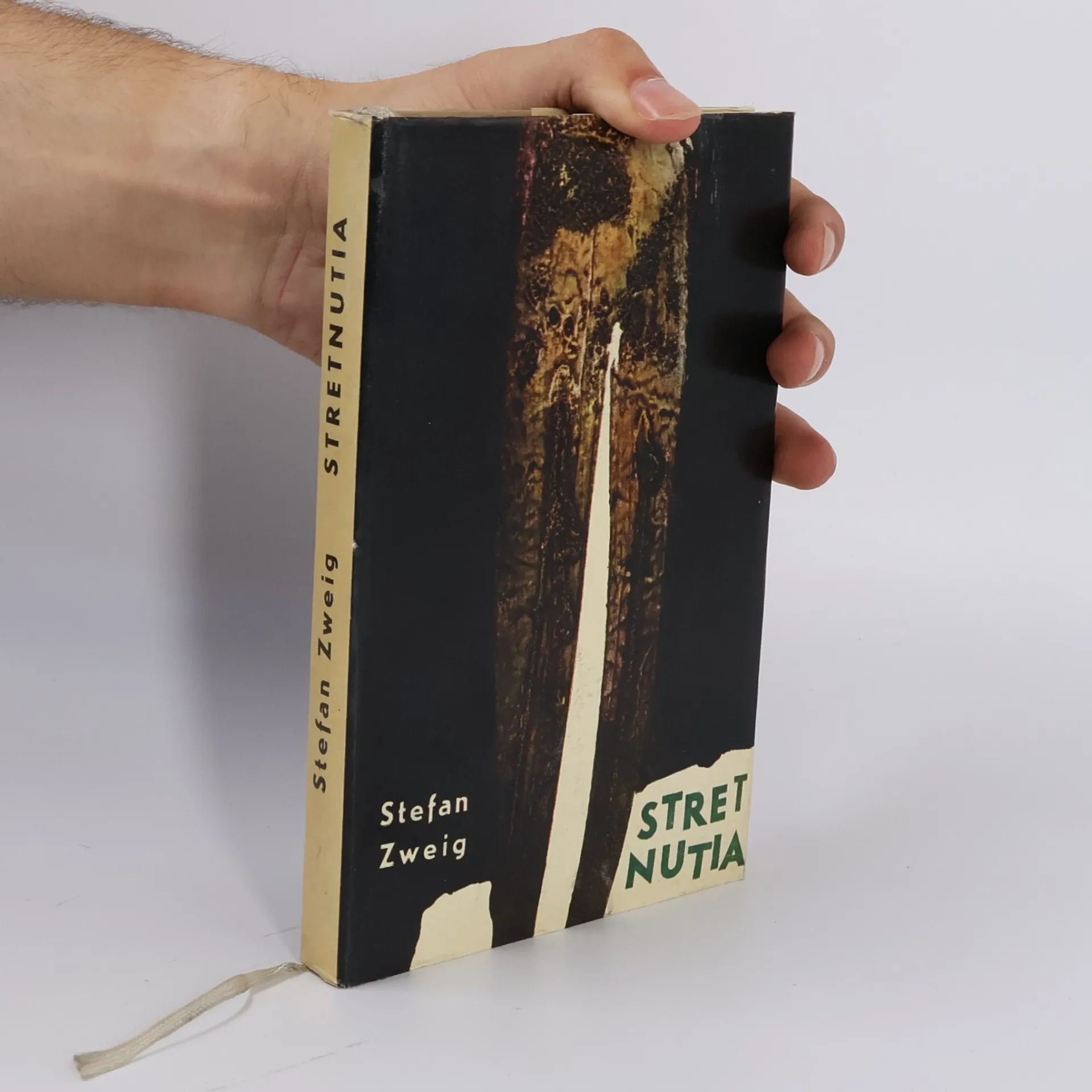
    • V dvoch zbierkach esejí " Stavitelia sveta" a " Stretnutia s ľuďmi, knihami a mestami", z ktorých je zostavený výber, konfrontuje Stefan Zweig svoje názory a úsilie s velikánmi devätnásteho a dvadsiateho storočia. (Dostojevskij, Tolstoj, Gorkij, Balzac, Dickens, Goethe, Holderlin, Kleist, Rilke, Sainte-Beuve, Joyce a i.), spája autobiografiu s bilanciou epochy. Tridsať rokov jeho literárnych úvah neodzrkadľuje len zážitok a názor samoľúbeho jednotlivca, ale prežívanie sveta a udalostí ako ho cítila vari celá jeho generácia. Zweig nechce byť, ako sám hovorí, stredobodom a zmyslom knihy, ale sprostredkovateľom hodnôt a zážitkov, ktoré jemu a jeho rovesníkom znásobovali zmysel existencie a predstavujú veľkú časť toho, čo im bolo podnetom, šťastím, ziskom a skúsenosťou mladosti. Sú to stretnutia s ľuďmi, s knihami, s dobou, ktoré ho raz rozpálili do rojčivého nadšenia a inokedy nútili vytriezvieť. Že v týchto literárnych skvostoch chýba postoj politika, to je prejav jeho životného úsilia a nadstraníckosť vo všetkých veciach, úsilia pochopiť aj to, čo mu je cudzie, a hodnotiť národy a epochy, postavy a diela len v ich pozitívnom, tvorivom zmysle a týmto neúnavným úsilím o pochopenie slúžiť nezničiteľnému ideálu: humánnemu porozumeniu medzi ľuďmi, národmi, kultúrami a svetonáhľadmi.

      Stretnutia
      4,5
    • Der Zwang

      • 92 páginas
      • 4 horas de lectura

      Ein Brief, amtlich. Der Einberufungsbescheid ruft einen Maler aus der Schweiz zurück, der vor der »großen Menschenmordmaschine« des Ersten Weltkriegs dorthin geflohen ist. Doch auch wenn er die »Stickluft der patriotischen Phrasen« hasst, übt der amtliche Schrieb einen Zwang auf ihn aus, der seine Ehe, seine Freiheit, sein Leben bedroht. Ein Kampf gegen die eigene Feigheit und die Macht militärischer Autorität beginnt.

      Der Zwang
      4,3
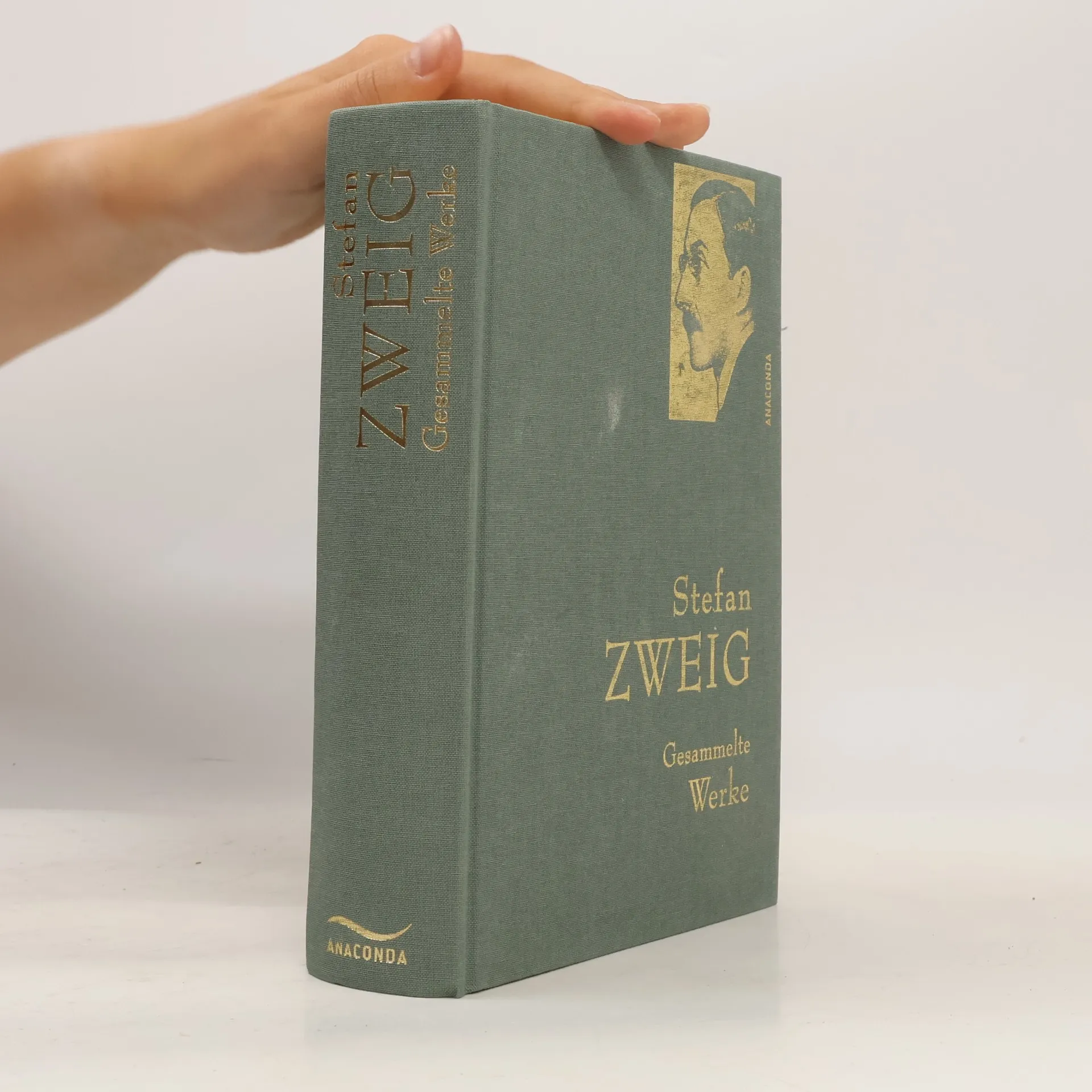
    • Im Werk von Stefan Zweig sind Zeiten aufgehoben, die für immer vergangen sind, doch in seiner wunderbaren Literatur fortleben. Diese reiche Auswahl aus dem umfassenden Gesamtwerk des österreichischen Schriftstellers versammelt viele seiner bekanntesten und wichtigsten Erzähltexte, unter ihnen die 'Schachnovelle', den Novellenzyklus 'Verwirrung der Gefühle' und zahlreiche seiner meisterlichen Geschichten wie 'Der Amokläufer', 'Die Frau und die Landschaft' und 'Episode am Genfer See'.

      Gesammelte Werke
      4,5
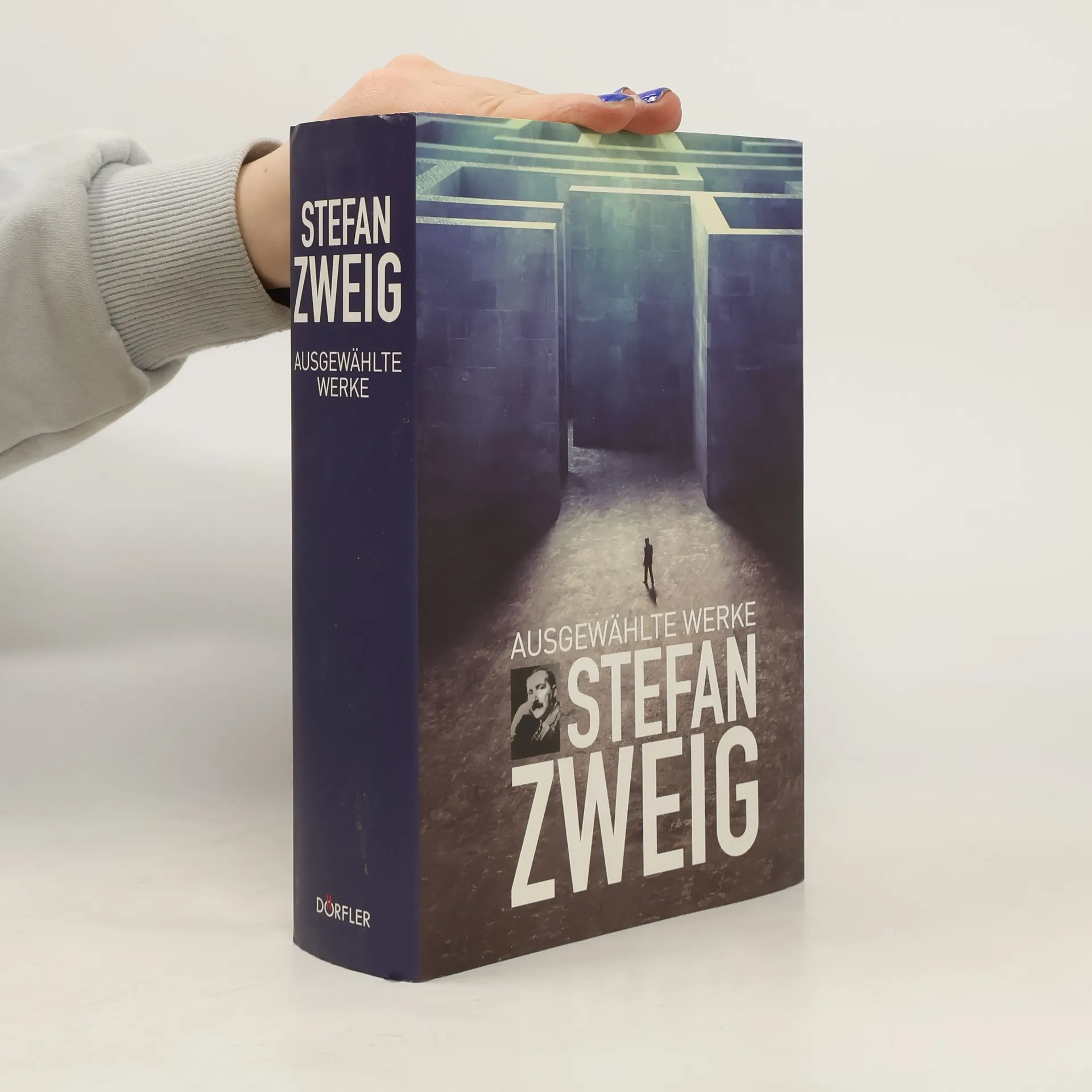
    • „So wie ich die ganze Welt als meine Heimat empfinde, so haben auch meine Bücher in allen Sprachen der Erde Freundschaft und Aufnahme gefunden.“ Stefan Zweig (1881-1942) hat sich mit seinen Erzählungen und Biografien in den Kanon der deutschsprachigen Literatur des 20. Jahrhunderts eingeschrieben. Nach der einschneidenden Erfahrung des Ersten Weltkrieges wandte er sich in dem Bemühen, das eigene Zeitalter besser zu verstehen, verstärkt der Weltgeschichte zu. So entstanden zahlreiche historische Biografien und Miniaturen, die zu Weltruhm gelangten. Ebenso wie seine Novellen, in denen er die psychologischen Gründe und Abgründe seiner Helden auslotet, finden sie bis heute begeisterte Leser. Die für diesen Band ausgewählten Texte bieten einen umfassenden Überblick über das erzählerische und biografische Werk. Er versammelt einige der schönsten und eindringlichsten Texte Stefan Zweigs, darunter die „Sternstunden der Menschheit“, die postume Autobiografie „Die Welt von gestern“ und die brillante „Schachnovelle“.

      Ausgewählte Werke
      5,0