Este autor se enfoca en la política moderna china y las relaciones exteriores, profundizando en las transformaciones políticas y sociales del país. Su obra a menudo examina momentos históricos cruciales y las complejas dinámicas que dan forma a la trayectoria de China. Basándose en una amplia experiencia viviendo y dando conferencias en toda China y Asia, ofrece una perspectiva auténtica y un análisis matizado. Sus escritos son valorados por su rigor académico y sus perspicaces comentarios sobre asuntos de Asia Oriental.
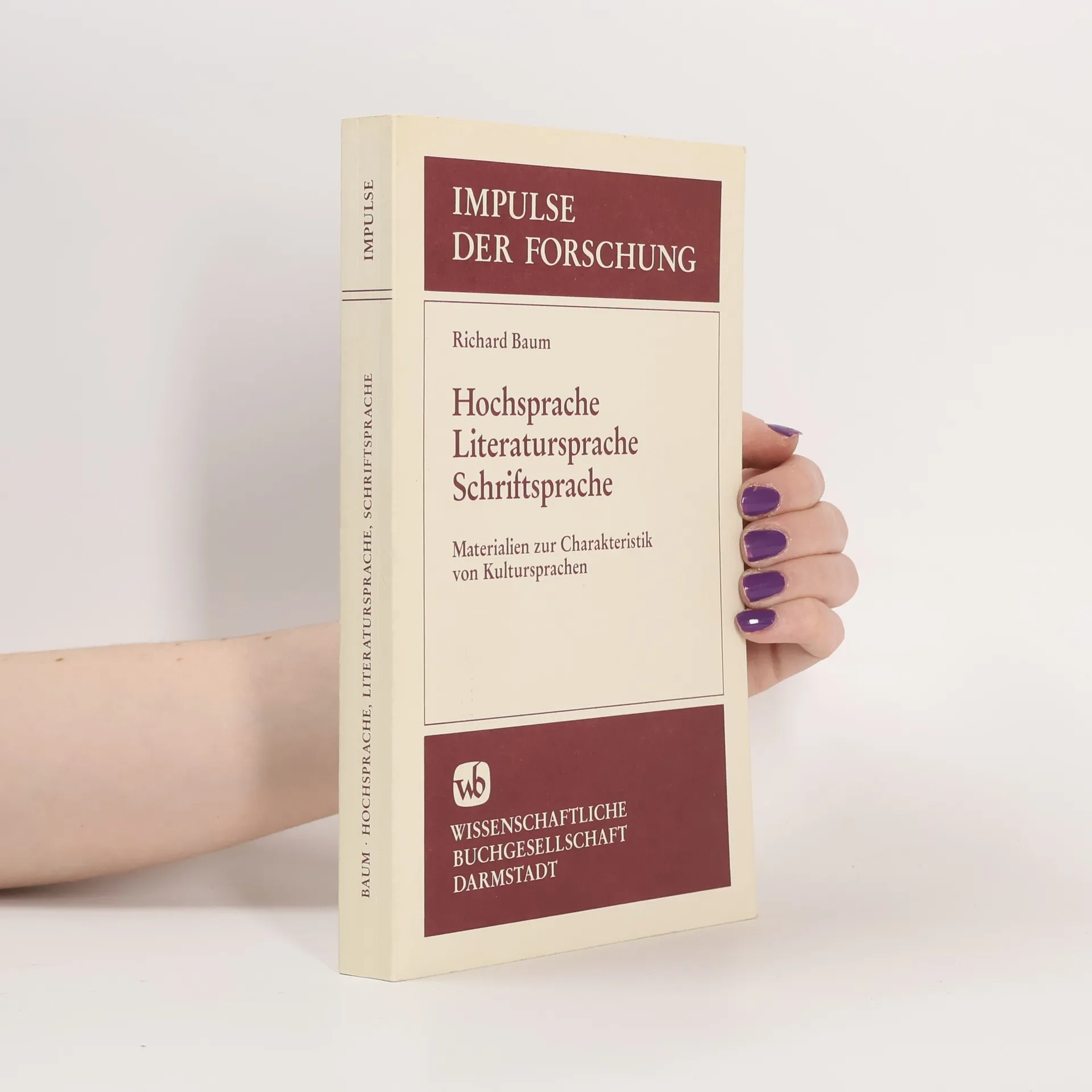
Reflects on forty years of learning about and interacting with the People's
Republic of China, from the height of Maoism during the author's UC Berkeley
student days in the volatile 1960s through globalization.
Chinese Politics in the Age of Deng Xiaoping - Updated Edition
532 páginas
19 horas de lectura
The book delves into the intense political struggle in China following Mao Zedong's death, highlighting the clash between orthodox Marxists and reform-minded leaders. It chronicles the pivotal role of Deng Xiaoping in supporting the reformers, who ultimately triumphed but at significant costs. Richard Baum offers a detailed exploration of the generational conflict, contrasting the ideals of aging revolutionaries with the pragmatism of their successors. The narrative provides a nuanced analysis of the reform process and its complexities in shaping modern China.
Die Flut der Literatur zu Dante Alighieri (1265-1321) ist unüberschaubar. Es ist von vorneherein nicht Ziel dieses Bandes, mit der bisherigen Danteforschung in Wettstreit zu treten. Dieser Band plädiert für einen neuartigen Blick auf Dantes lyrische Dichtung und Dantes Poetik. Er zeichnet den Weg nach, auf den Dante am Wendepunkt seines Schaffens gelangte. Dichten und Reflexion gehen bei ihm Hand in Hand. Das lyrische Dichten und die Erarbeitung einer Poetik sind Phasen der Entwicklung von De Vulgari Eloquentia (ca. 1304) bis hin zur Divina Commedia. Die Dichter und Gelehrten in der Folgezeit verstanden es, mit einer Ausnahme, nicht, die Konsequenzen von Dantes Leistung als inventor vulgaris latii nachzuvollziehen. Diese Ausnahme verkörpert Gian Giorgio Trissino (1478 1550). Es ist der Weg, der zur Grundlegung der italienischen Schrifttumsgemeinschaft, der ersten in Europa, führt. Zur Verdeutlichung dieses Konzepts werden der deutschen Überstzung von De Vulgari Eloquentia erstmals die vollständigen provenzalischen, französischen und italienischen Gedichte beigegeben