

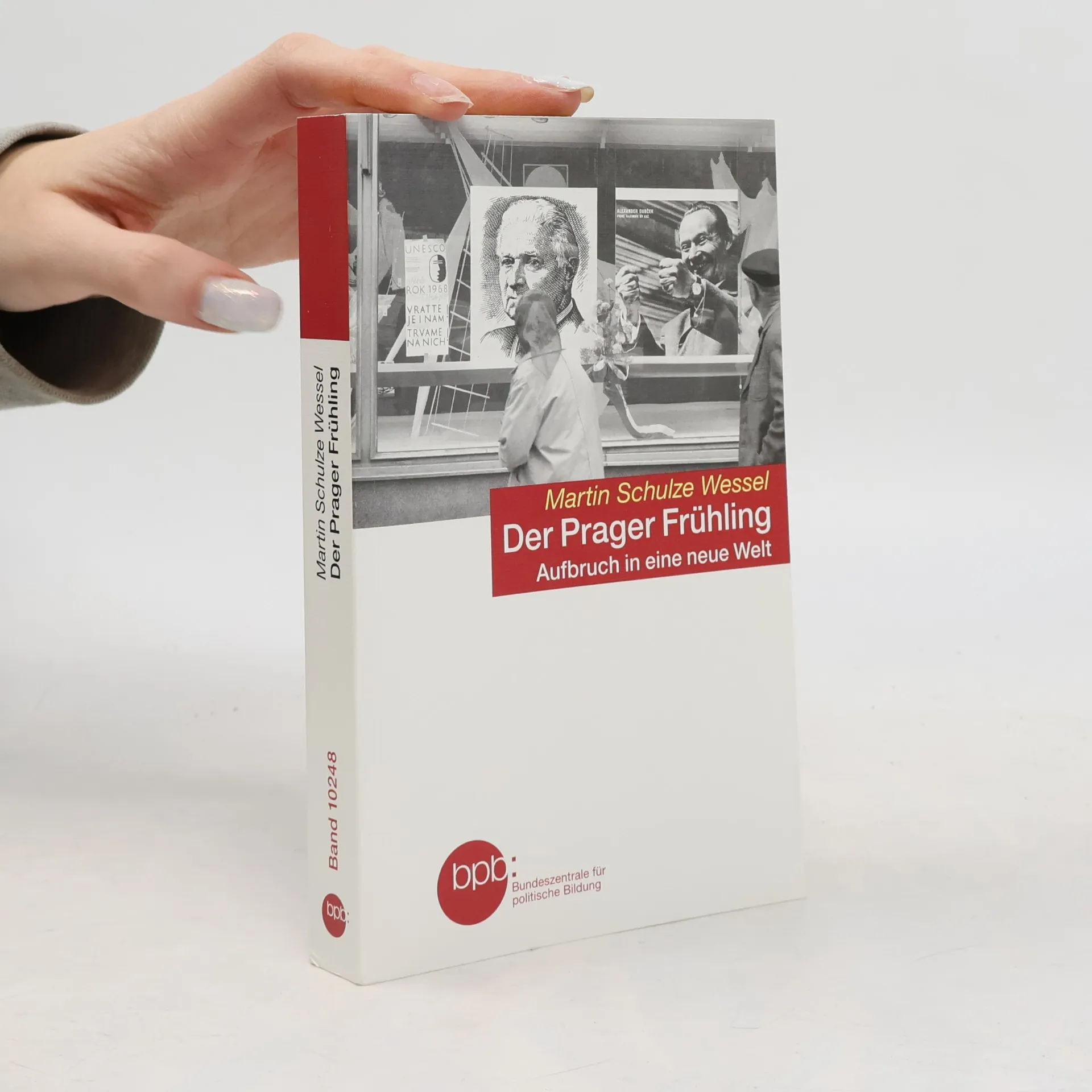
Der Prager Frühling 1968: Aufstand der demokratischen Kräfte gegen ein autoritäres Gewaltsystem und ein Laboratorium für neue Gesellschaftsentwürfe, das in der kollektiven Erinnerung Europas bis heute fortwirkt. Der prominente Osteuropahistoriker Martin Schulze Wessel veranschaulicht die Prager Reformbewegung um Alexander Dubček als ein Zukunftsprojekt, als den Versuch, die Annäherung zwischen sowjetischem System und westlicher Gesellschaftsform in der Mitte Europas zu realisieren. Er zeichnet den Prager Frühling zudem als ein Projekt der Vergangenheitsbewältigung nach, im Zuge dessen die Schauprozesse der fünfziger Jahre, beispielsweise gegen Rudolf Slánský, erstmals öffentlich diskutiert wurden.Die Denkwelten der Reformer des Prager Frühlings, dargelegt anhand neuen Quellenmaterials, sind zeitgebunden und aktuell gleichermaßen. Darin liegt ein Teil ihrer historischen Anziehungskraft, die auch heute noch, nach einem halben Jahrhundert, von ihnen ausgeht.
Alexander Dubček Orden de los libros (cronológico)


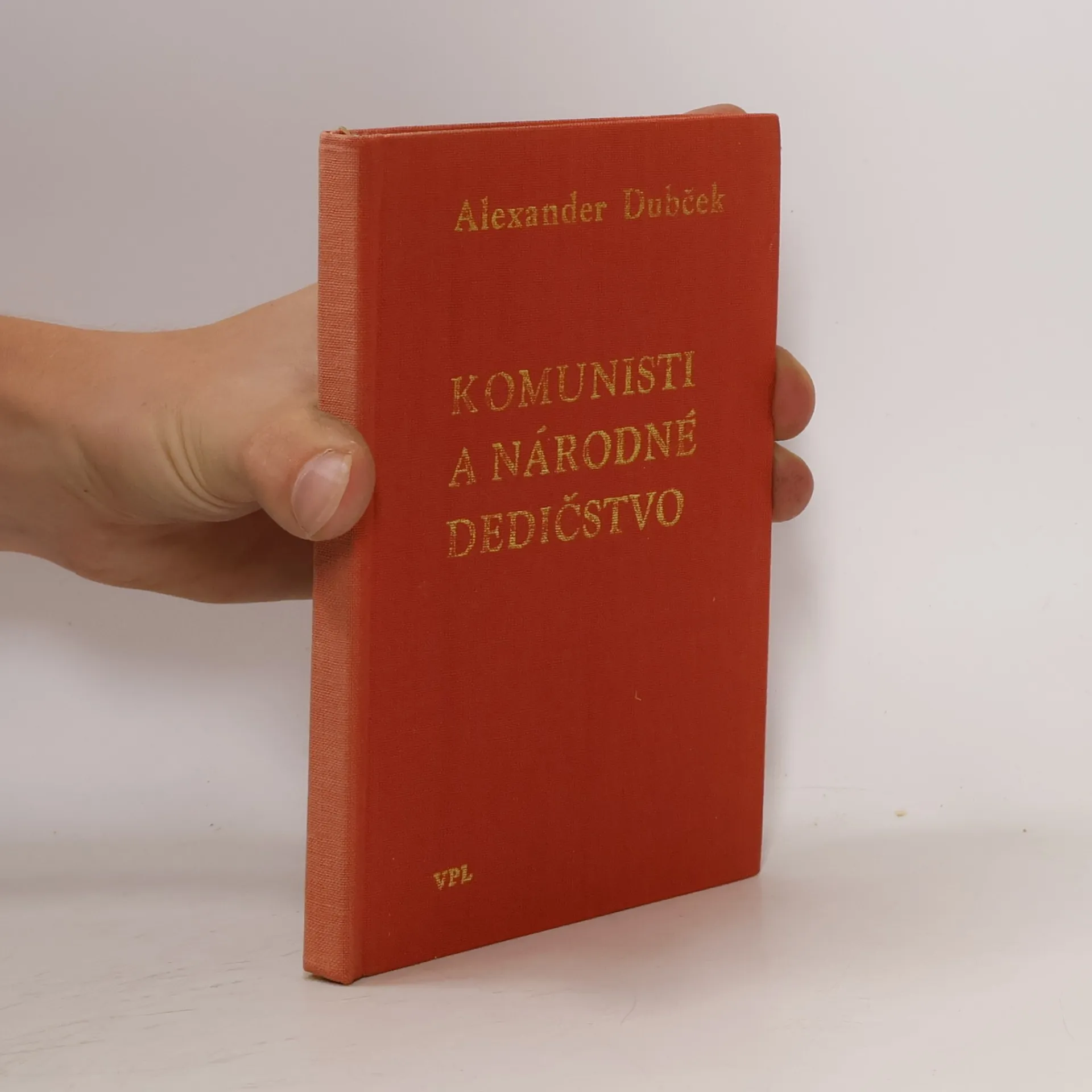
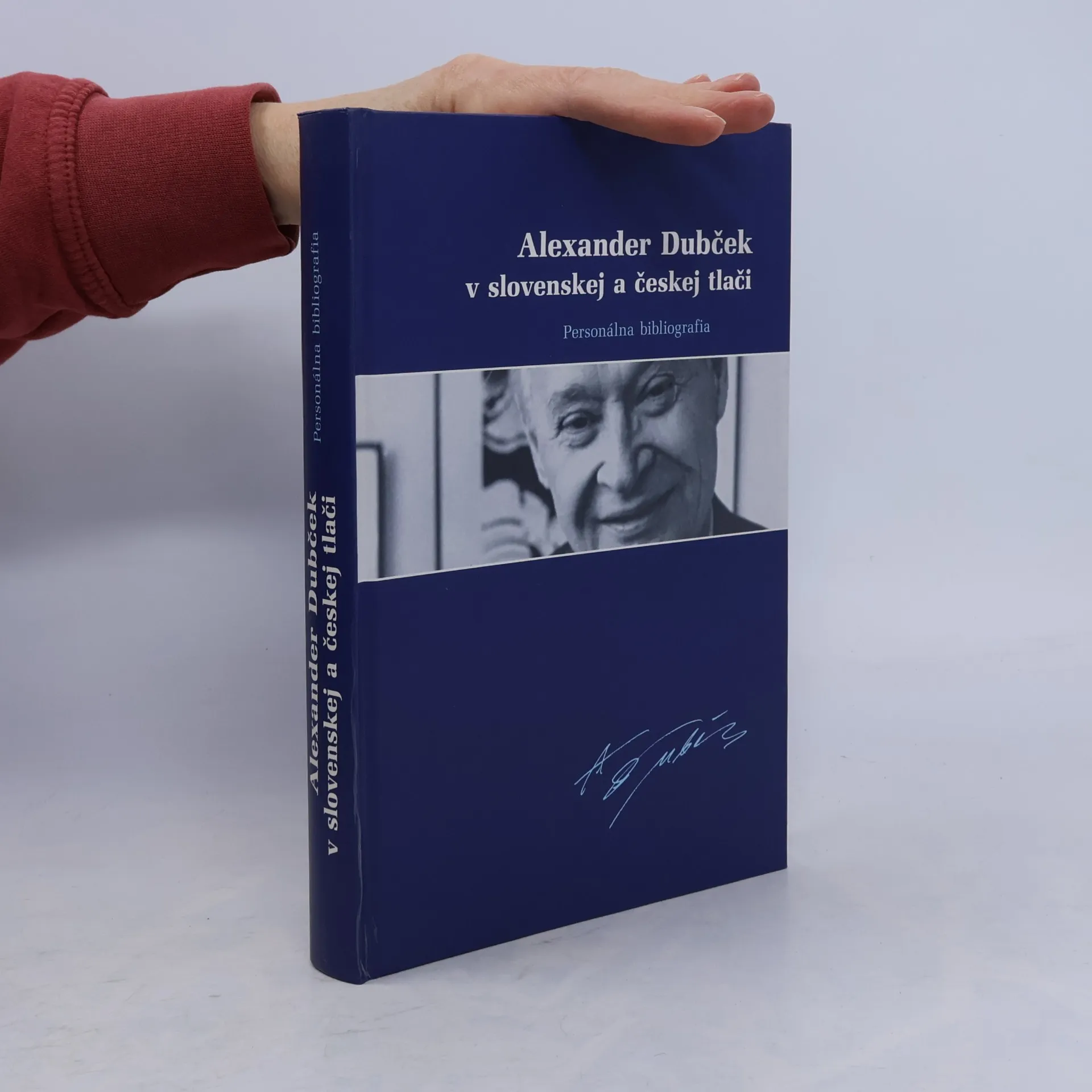

Alexander Dubček v slovenskej a českej tlači
- 350 páginas
- 13 horas de lectura
Alexander Dubček: Od totality k demokracii : prejavy, články a rozhovory : výber 1963-1992
- 599 páginas
- 21 horas de lectura
Hope Dies Last : The Autobiography of Alexander Dubcek
- 354 páginas
- 13 horas de lectura
Like my parents, I sought the modest goal of a safe job and a small house for my family. This dream resonates with many. When Alexander Dubcek died on November 1, 1992, people worldwide mourned a hero. Global leaders paid tribute to the man from 1968, while ordinary citizens recognized the loss of a powerful advocate for democracy and autonomy for smaller nations. Dubcek's "socialism with a human face," known as the Prague Spring, shattered illusions about the Soviet system, and his vindication during the Velvet Revolution of 1989 established a living democratic tradition in Czechoslovakia. Born to Slovak-American idealists and raised in a socialist commune, Dubcek's journey encompasses guerrilla battles in World War II and the complex history of the Slovak people. The narrative intensifies with tense negotiations and maneuvers as Dubcek and his reformers strive to implement changes before Soviet intervention. The brutal invasion on August 21, 1968, led to Dubcek's kidnapping by the KGB. Following the Prague Spring's demise, he lived in exile as a forestry worker and later became a catalyst for Eastern European liberation during perestroika. Just before his tragic death in a car accident, Dubcek was favored to become president of the emerging Slovak Republic, embodying the hopes and struggles for social justice and self-determination. His memoirs serve as a testament to these enduring ideals.
Podtitul: Anatomie rozhodnutí Studie analyzuje události před okupací a pokouší se odhalit zásady fungování sov. politického mechanismu v procesu rozhodování o vojenském zásahu.
