Peter Kosta se adentra en la biolingüística y la teoría del lenguaje, explorando universales, sintaxis generativa y semántica formal. Su investigación aborda la teoría de los actos de habla y el análisis conversacional, considerando la política lingüística y la tipología. Ha estudiado extensamente lenguas eslavas, antiguas lenguas indoeuropeas y lenguas romances. Actualmente, participa en un proyecto interdisciplinario que investiga los trastornos del lenguaje a través de una lente biolingüística y genética.
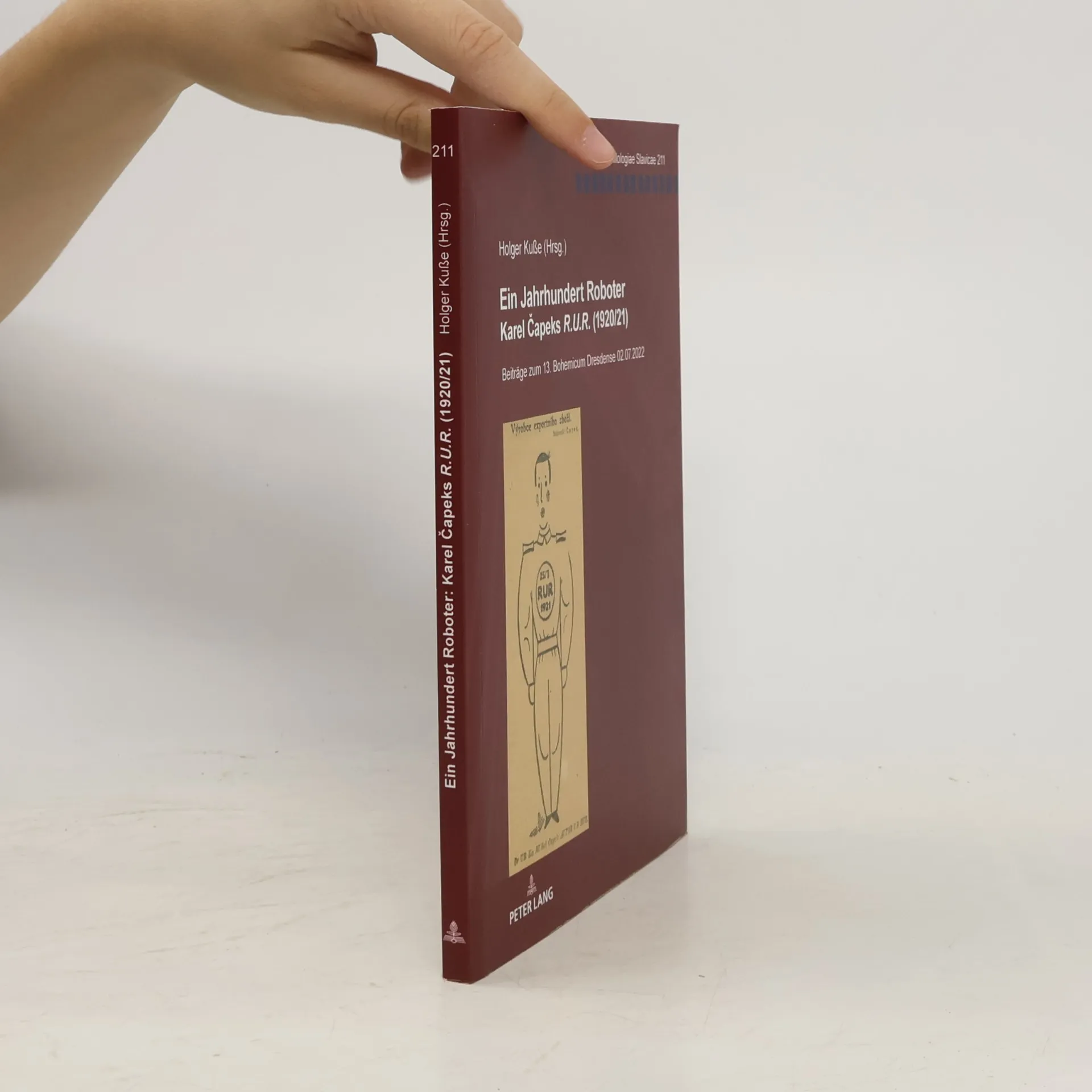
Der Band enthält deutsche Beiträge aus den Literatur-, Sprach- und Kulturwissenschaften und der Philosophie zu Karel Čapeks Drama R.U.R. und Fragen der Robotik und der Künstlichen Intelligenz
Minimal Computations and Maximal Derivations in a Label-/Phase-Driven Generative Grammar of Radical Minimalism
372 páginas
14 horas de lectura
The publication series offers a comprehensive exploration of various topics, providing in-depth analyses and insights. Each volume is meticulously researched, featuring contributions from leading experts in their fields. The series aims to advance knowledge and foster discussions on contemporary issues, making it a valuable resource for academics, professionals, and anyone interested in expanding their understanding of the subjects covered. The blend of rigorous scholarship and accessible writing ensures that the content is engaging and informative for a broad audience.
Im 2. Band ihrer Untersuchung zur Alltagskorrespondenz in der ersten Hälfte des 19. Jahrhunderts konzentrieren sich die Autorinnen auf briefliche Kontakte sprachlich gemischter Partnerbeziehungen und ihr familiäres Umfeld. Vorgestellt wird neben der Korrespondenz der ersten Schriftstellerinnen mit deutschsprachlichen Wurzeln die Partnerkorrespondenz zwischen J. Jungmann und J. Swietecky, J. E. Purkyně und J. Rudolphi, P. J. Schaffarik und J. Ambrosi, F. L. Celakovský und M. Wenta sowie A. Reis, Briefe von K. S. Amerling, J. F. Frič und J. Reis, A. Brauner und A. Neumann, K. H. Borovský, seiner Verlobten F. Weidenhofferová und seiner Ehefrau J. Sýkorová, Korrespondenz zwischen V. Fingerhut/Náprstek und seiner Geliebten K. Krákorová sowie der späteren Ehefrau J. Krízková und anderer Personen. Vom besonderen Interesse ist die Korrespondenz in den Herkunfsfamilien von F. Palacký, J. Miechura, F. Rieger, J. V. Frič und P. J. Schaffarik sowie die deren Nachkommen. Auch dieser Band enthält zur Illustration der soziokulturellen Verhältnisse Genealogien der einzelnen Familien, die die Rolleninhalte von Frauen erahnen lassen.
Contributions of the Sixth European Conference held at Potsdam University, November 30-December 02, 2005
Formal Slavic Linguistics investigates all linguistic levels and their interfaces. The contributions of the FDSL VI Conference in Potsdam 2005 are concerned with the explicit description and explanation of prosody, information structure, phonology, morphology, syntax and semantics, applying recent developments of the Principles and Parameters Framework, OT, HPSG and formal Semantics. The authors analyze also issues in psycholinguistics and computational linguistics.
Formální slovanská lingvistika zkoumá všechny jazykové úrovně a jejich rozhraní. Příspěvky z konference FDSL VI v Postupimi v roce 2005 se zabývají explicitním popisem a vysvětlením prozodie, informační struktury, fonologie, morfologie, syntaxe a sémantiky, přičemž aplikují nedávné vývoje rámce principů a parametrů, OT, HPSG a formální sémantiky. Autoři také analyzují otázky v psycholingvistice a počítačové lingvistice.
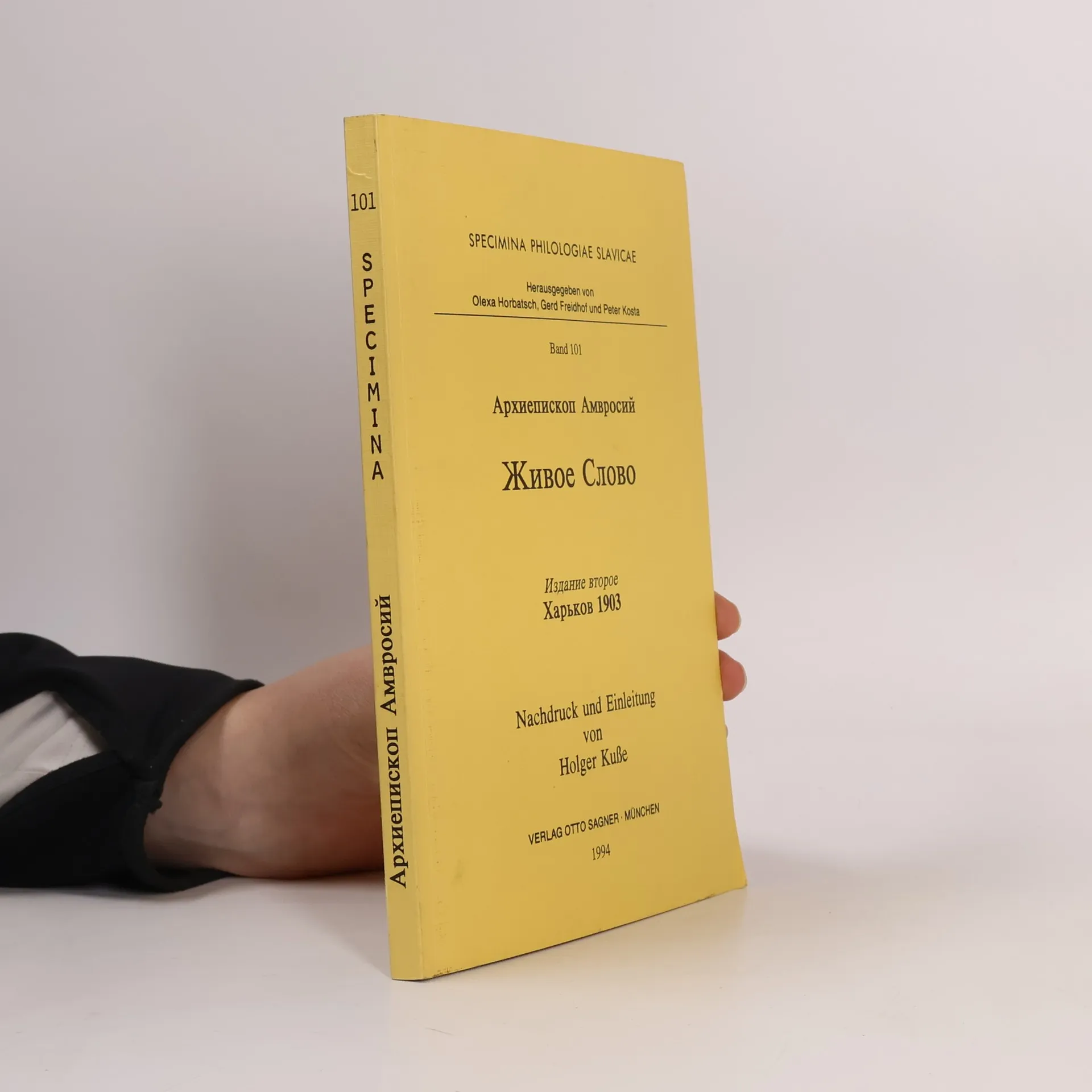
Издание второе - Nachdruck und Einleitung von Holger Kuße
128 páginas
5 horas de lectura
Als das, Živoe Slovo' 1892 in Char'kov erschien, war ihr Verfasser, der Erzbischof AMVROSIJ (Ključarev; 1820-1901) schon lange als Prediger berühmt. Doch AMVROSIJ predigte nicht nur selbst in jedem Gottesdienst, sondern setzte sich auch für die Verbreitung und Verbesserung der Predigt im russisch-orthodoxen Gottesdienst ein. Zu eben diesem Zweck verfasste er die vorliegende kleine Homiletik, die die Geistlichen seiner Eparchie zur Predigt ermutigen sollte und Hinweise für die Predigerausbildung an den geistlichen Seminaren gab. Die Schrift wurde in den fünften Band der 1902-1903 in Char'kov herausgegebenen, Polnoe sobranie propovedi s priloženijami' aufgenommen und erschien zugleich getrennt in einer zweiten Auflage, die unserem Nachdruck zugrundeliegt. In kyrillischer Schrift, russ.