


Bookbot

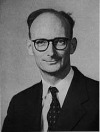
J. L. Austin

    26 de marzo de 1911 – 8 de febrero de 1960

    John Langshaw Austin fue un filósofo del lenguaje británico, reconocido por su teoría de los actos de habla. Su obra investigó cómo el propio lenguaje funciona como una forma de acción, sentando las bases para el estudio moderno de este campo. Austin enfatizó la importancia de examinar el uso real de las palabras para comprender el significado, distinguiéndose de muchos otros filósofos del lenguaje de su época. Su enfoque, inspirado por el sentido común, ofreció valiosas perspectivas sobre la naturaleza de la comunicación y el lenguaje humano.

    J. L. Austin
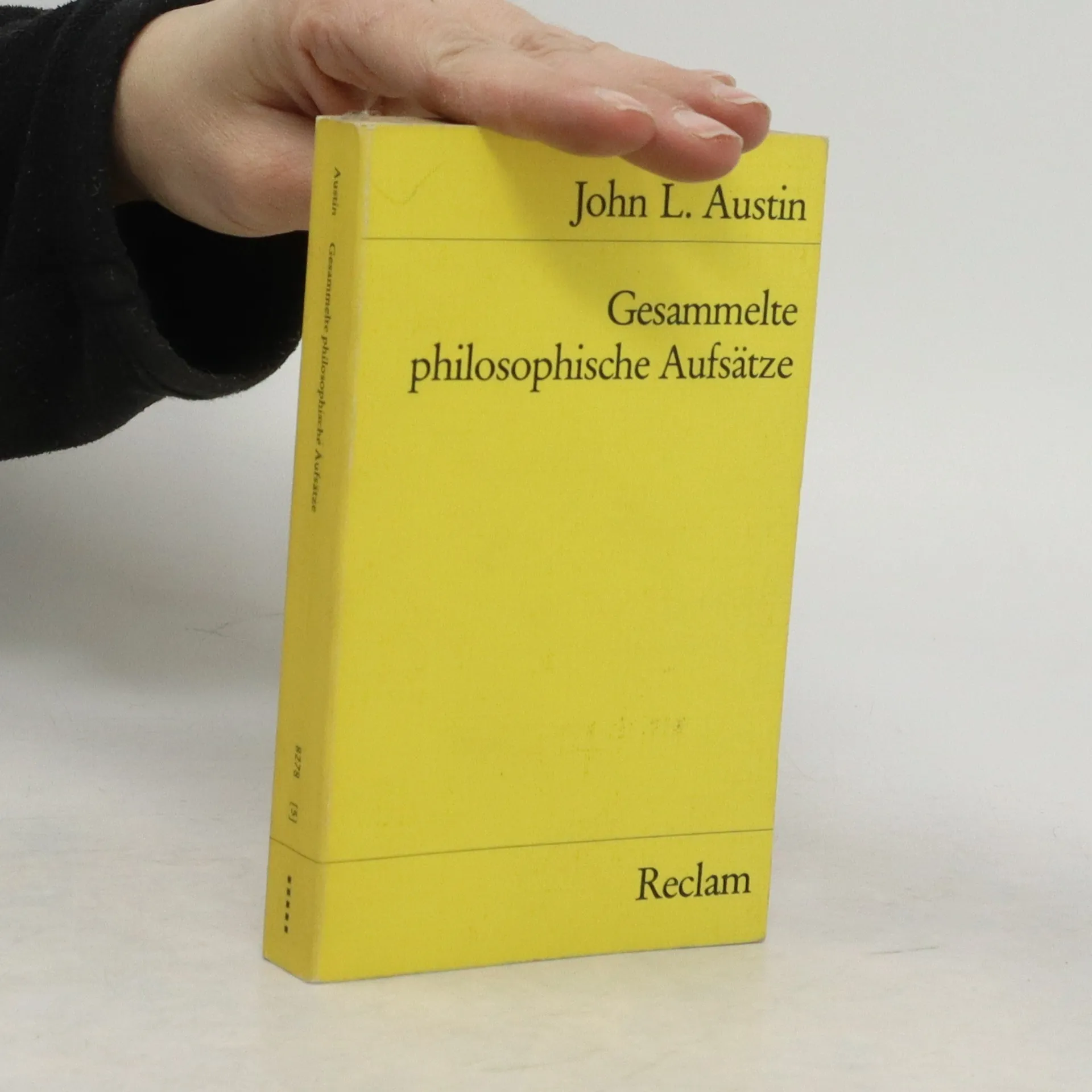
    Gesammelte philosophische Aufsätze
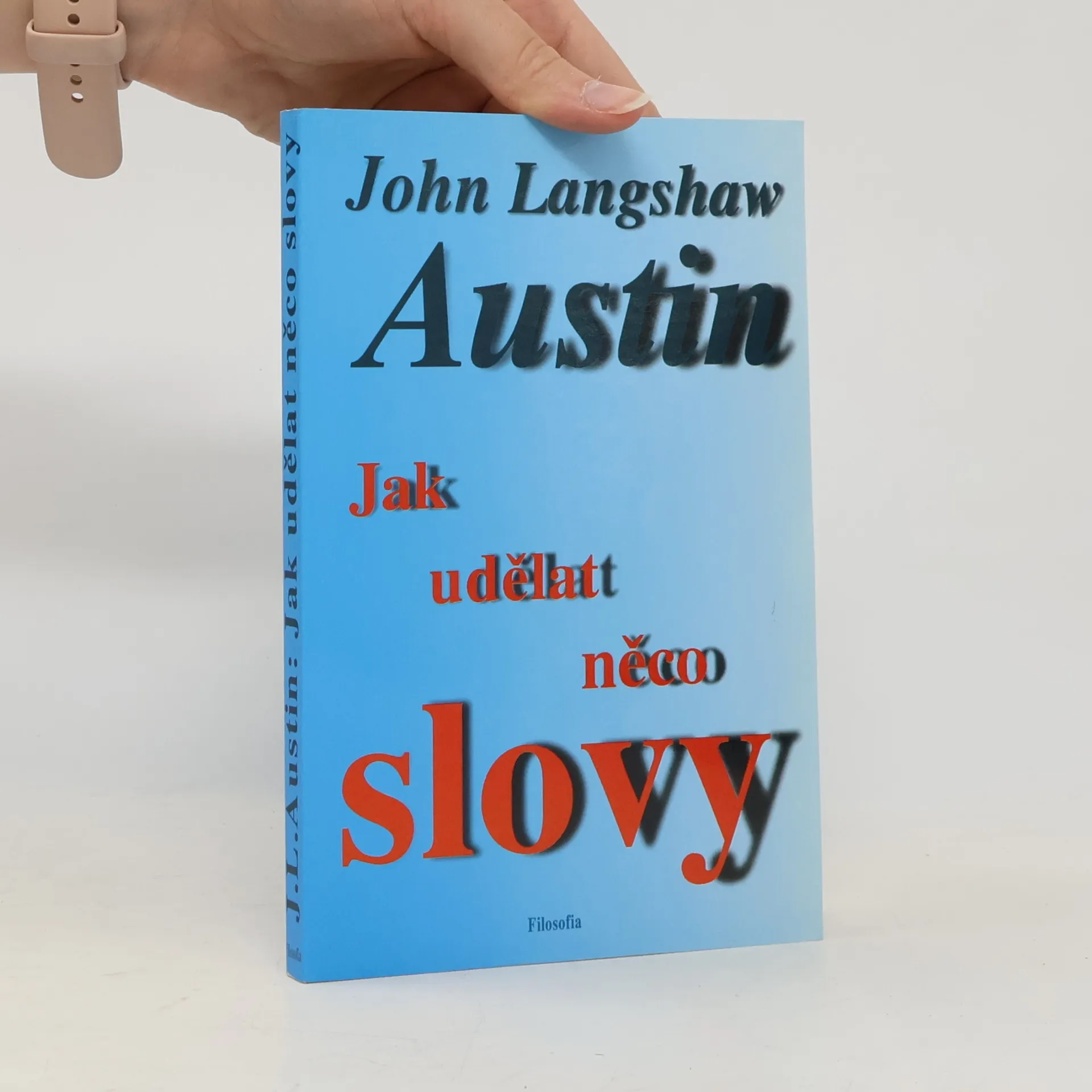
    Jak udělat něco slovy
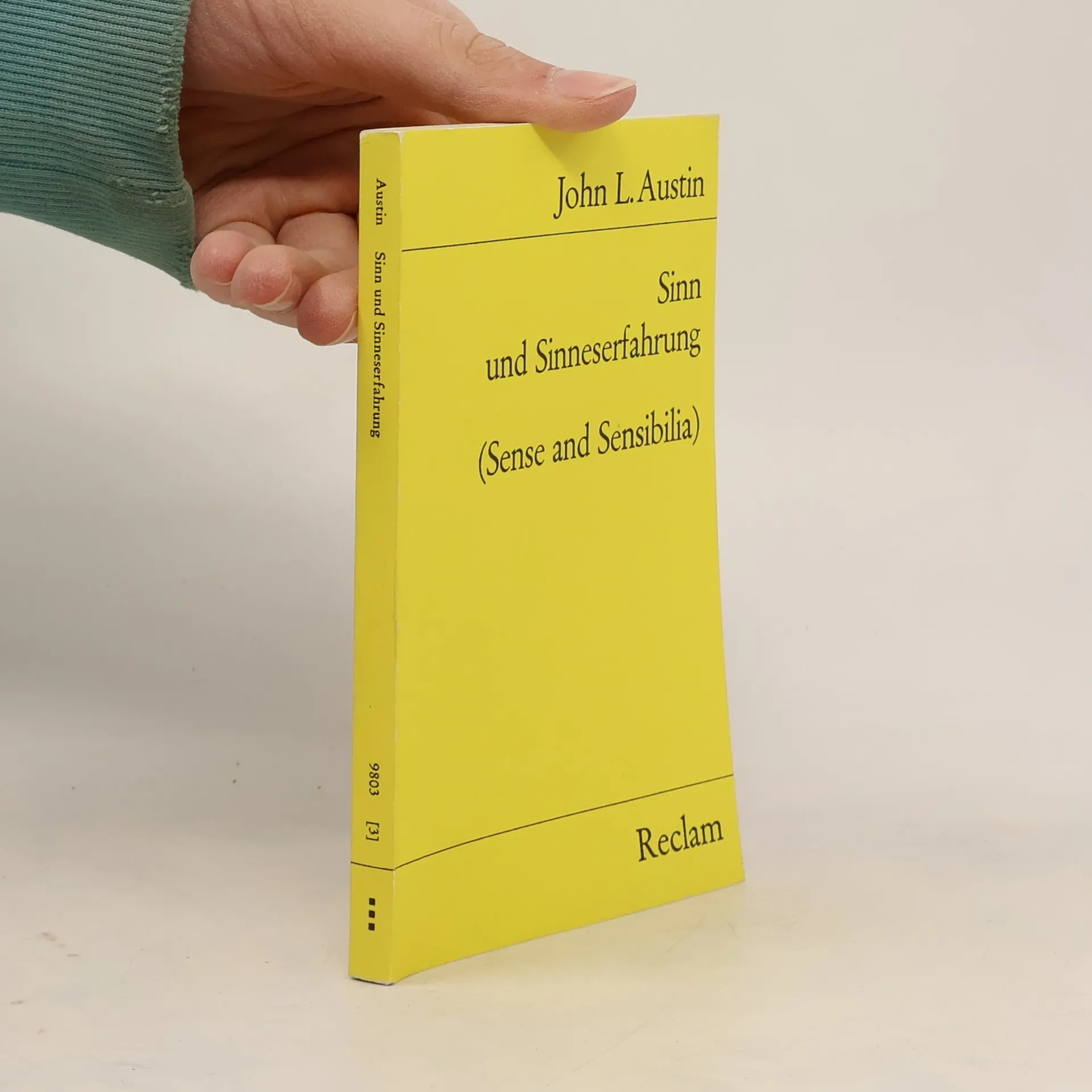
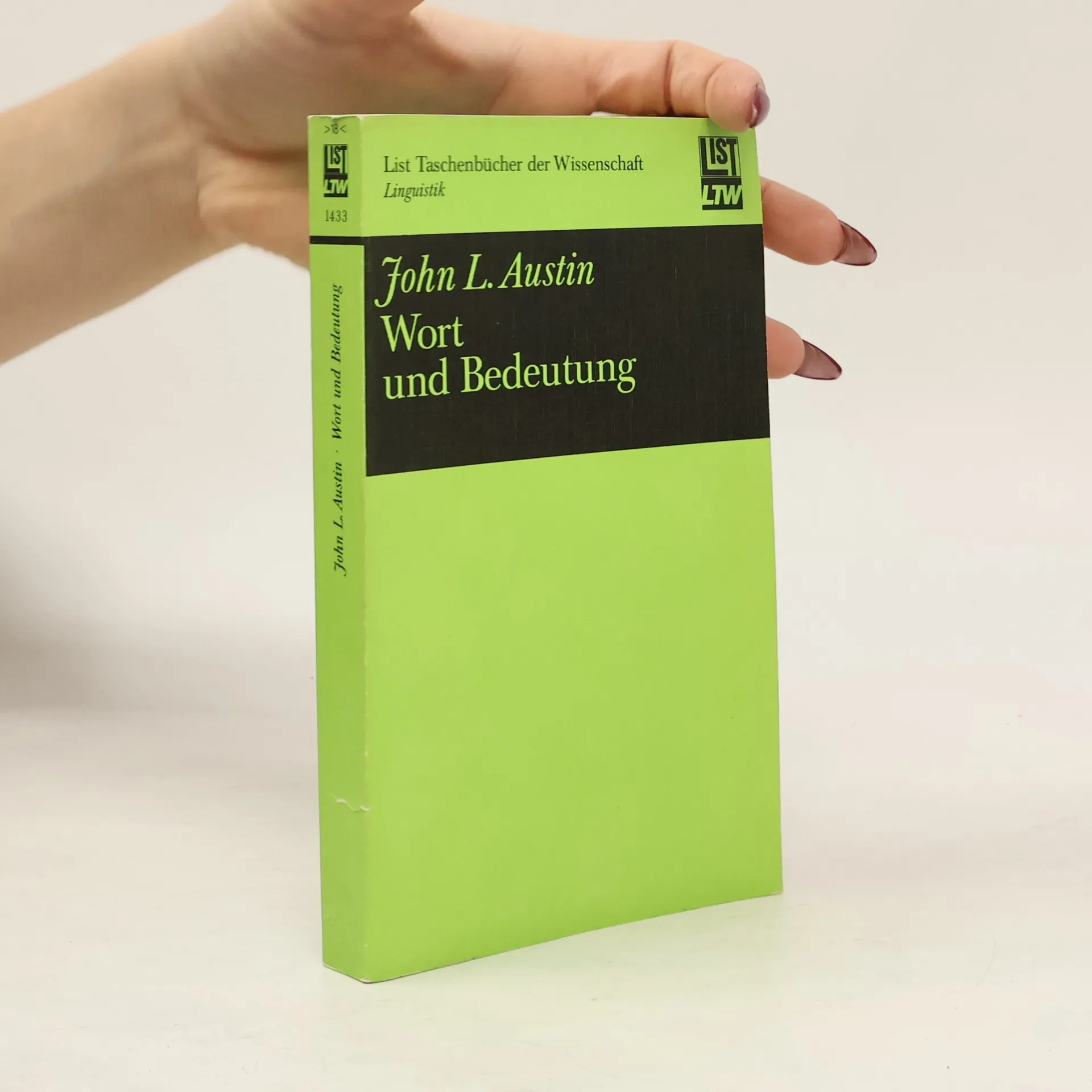
    Sinn und Sinneserfahrung
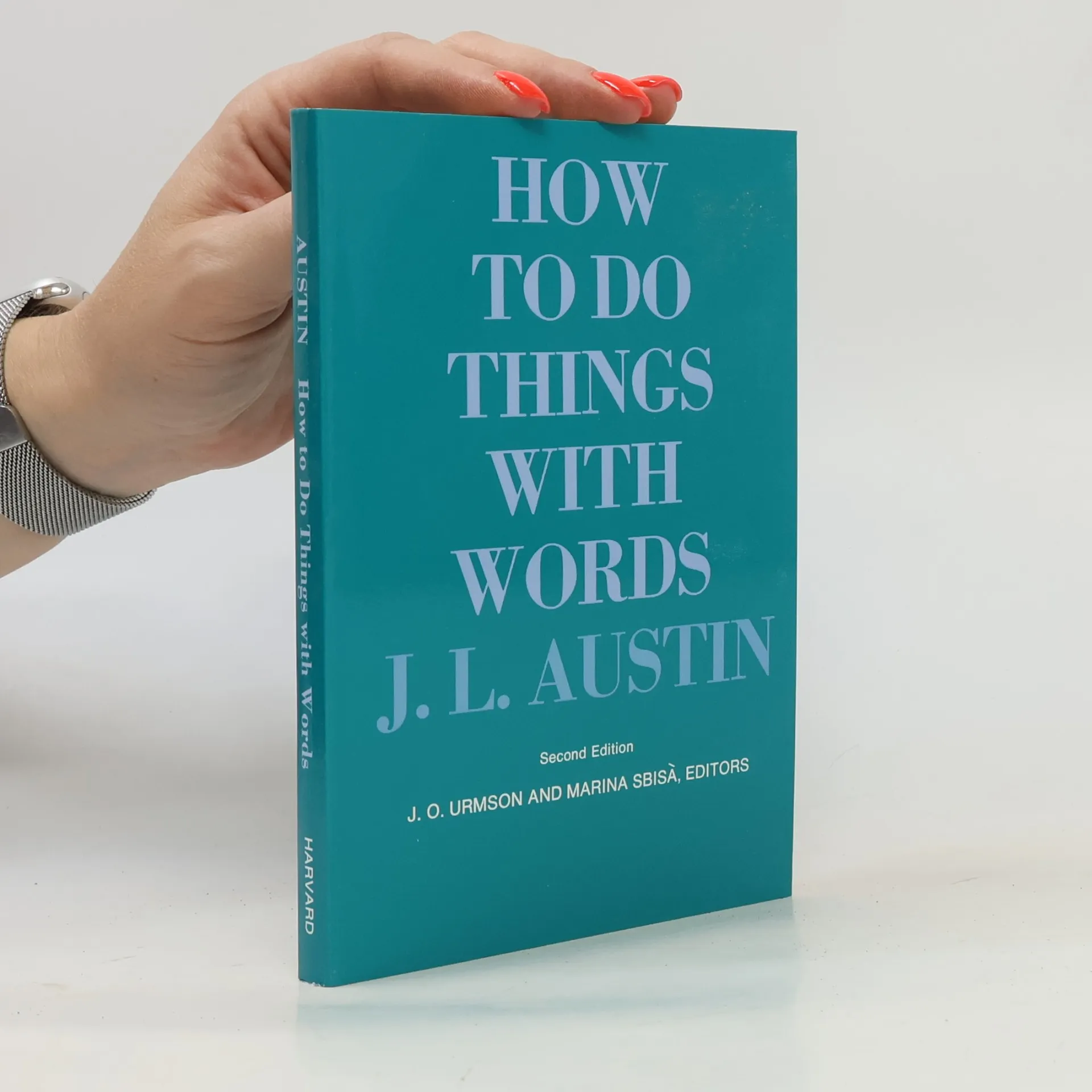
    How to Do Things with Words - Second Edition
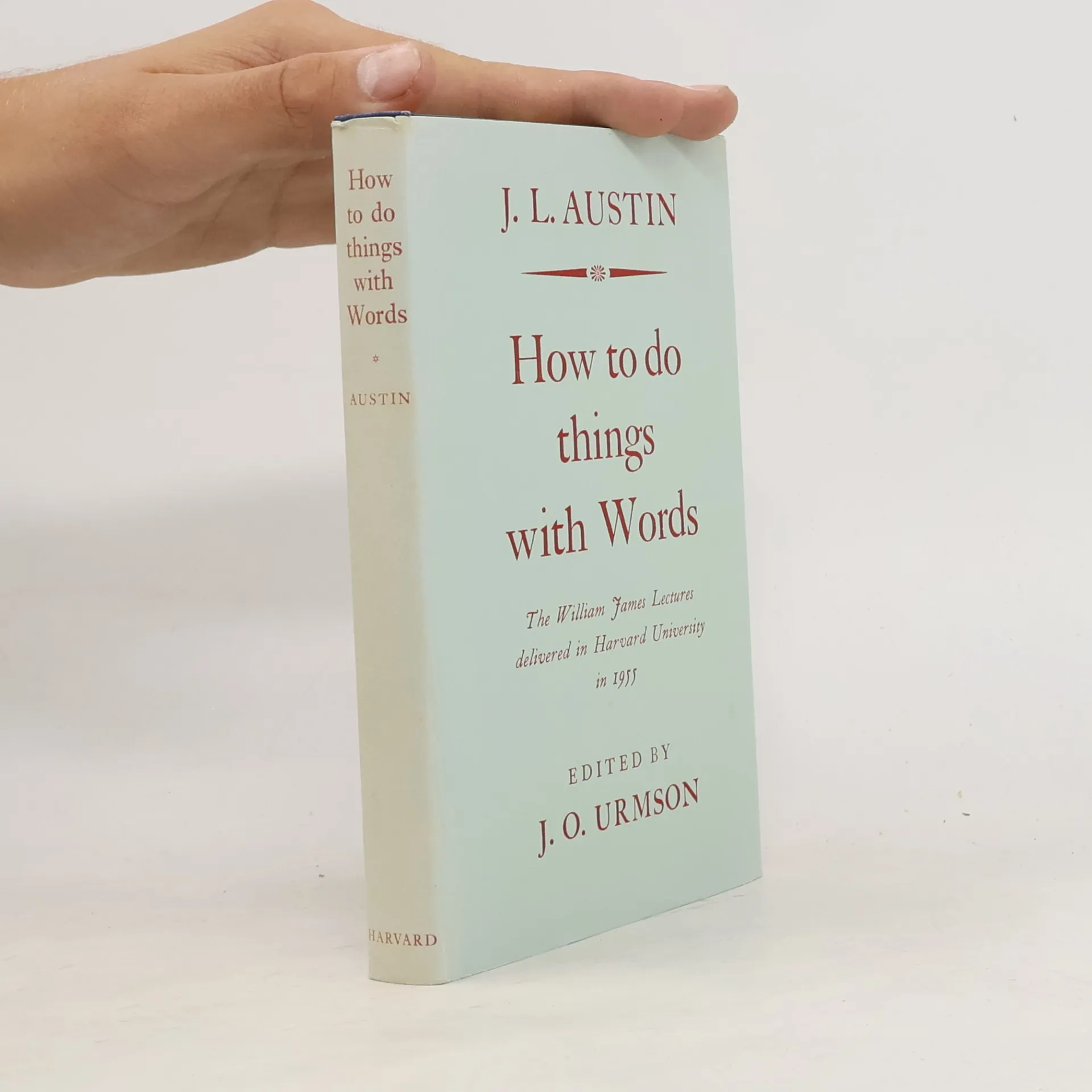
    How to Do Things with Words
    Cómo hacer cosas con palabras
    • How to Do Things with Words - Second Edition

      • 168 páginas
      • 6 horas de lectura

      John L. Austin was one of the leading philosophers of the twentieth century. The William James Lectures presented Austin's conclusions in the field to which he directed his main efforts on a wide variety of philosophical problems. These talks became the classic How to Do Things with Words . For this second edition, the editors have returned to Austin's original lecture notes, amending the printed text where it seemed necessary. Students will find the new text clearer, and, at the same time, more faithful to the actual lectures. An appendix contains literal transcriptions of a number of marginal notes made by Austin but not included in the text. Comparison of the text with these annotations provides new dimensions to the study of Austin's work.
      How to Do Things with Words - Second Edition2000
    • Jak udělat něco slovy

      • 172 páginas
      • 7 horas de lectura

      Kniha přednášek britského filosofa, který v obratu k jazyku spatřoval největší revoluci v dějinách filosofie. V lidské řeči existují slova, jež neslouží k pouhému sdělení, neboť jejich prostřednictvím lze i něco udělat (kupř. slib, jmenování do funkce). Tyto performativní výpovědi se opírají o určité obecně přijaté konvence, které postupným vývojem vylučovaly nejednoznačnosti. Protikladné konstativní výpovědi nemají schopnost něco udělat, avšak vyznačují se pravdivostí či nepravdivostí. Performativní výpovědi jsou však rovněž nadány jistou formou pravdivosti (kupř. kompetence mluvčího) a naopak některá tvrzení mají schopnost něco udělat (např. lékařské konstatování smrti). Austin proto koncepci performativních výpovědí rozšiřuje na obecnou teorii toho, v jakém smyslu jakákoli výpověď je zároveň děláním něčeho jiného (např. mocenské rozhodnutí, reakce na jednání) než pronášením slov....

      Jak udělat něco slovy2000
      4,2
    • Ein ausgezeichnetes Buch, das viele der wichtigsten Themen der Philosophie der Alltagssprache präsentiert – sehr lesbar. Die Klarheit, der Witz und die Geduld des Schreibens können den Leser nur in einem Punkt täuschen, nämlich in Bezug auf die Menge an harter Arbeit, die hinter diesen Gedanken steckt. Dieses Buch ist das richtige für diejenigen, die von Austins Kritikern übermäßig beeindruckt wurden.

      Sinn und Sinneserfahrung1986
      5,0
    • Cómo hacer cosas con palabras

      • 224 páginas
      • 8 horas de lectura

      Este libro contiene ideas expuestas por John Langshaw Austin -una figurra clave en el mundo filosófico contemporáneo- en sus clases y en un ciclo de conferencias ofrecido en la Universidad de Harvard: las William James Lectures. Se trata, pues, de una recopilación de notas, cuidadosamente realizada por J.O. Urmson, en la que quedan expuestas las últimas e inconclusas reflexiones de Austin sobre temas candentes de filosofía del lenguaje. A ellos contribuyó de manera original con su análisis de las denominadas "expresiones realizativas" (performative utterances), la noción de fuerza ilocucionaria y, en general, con su teoría de los actos lingüísticos. Las ideas de Austin sobre la importancia del lenguaje ordinario, el carácter cooperativo de la investigación filosófica, y la necesidad de una ciencia del lenguaje "liberada" definitivamente del yugo de la filosofía hacen -entre otras cosas- que esta obra no sólo posea atracción especial para todos aquellos interesados en la reflexión filosófica sobre el lenguaje, sino también comunicación, la semántica, la lingüística e incluso la filosofía del derecho.

      Cómo hacer cosas con palabras1982
      3,8
    • John L. Austins »Theorie der Sprechakte«, 1955 in zwölf Harvard-Vorlesungen zusammengefaßt, gehört zu den klassischen Äußerungen der Analytischen Philosophie. Seine Methode darzulegen, daß man etwas tut, indem man etwas sagt (»How to do things with Words«), hat die philosophische wie die linguistische Diskussion in gleicher Weise befruchtet. Der Bearbeitung von Eike von Savigny liegen die englischen Ausgaben von 1962 und 1975 zugrunde.

      Zur Theorie der Sprechakte1972
      3,7
    • John L. Austin was one of the leading philosophers of the twentieth century. The William James Lectures presented Austin's conclusions in the field to which he directed his main efforts on a wide variety of philosophical problems. These talks became the classic How to Do Things with Words . For this second edition, the editors have returned to Austin's original lecture notes, amending the printed text where it seemed necessary. Students will find the new text clearer, and, at the same time, more faithful to the actual lectures. An appendix contains literal transcriptions of a number of marginal notes made by Austin but not included in the text. Comparison of the text with these annotations provides new dimensions to the study of Austin's work.

      How to Do Things with Words1967