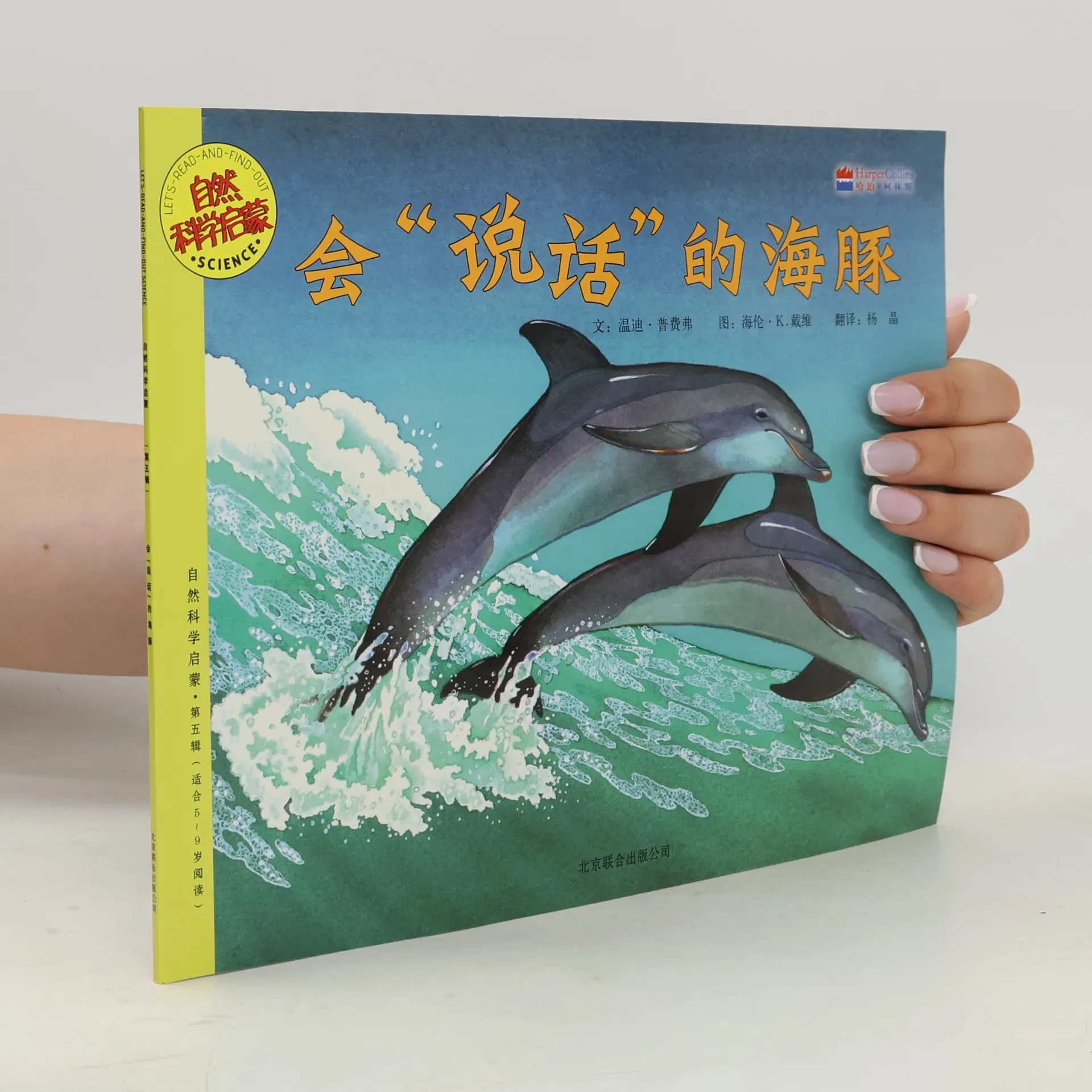
自然科学启蒙 - 5: 会"说话"的海豚
- 33 páginas
- 2 horas de lectura
Describes how dolphins communicate with each other in squeaks, whistles, and pops.


Basándose en su amplia experiencia en el ámbito educativo, esta autora crea narrativas dirigidas a niños. Sus obras exploran temas relevantes para lectores jóvenes, impregnadas de una marcada sensibilidad pedagógica. Más allá de la escritura, se mantiene profundamente involucrada con la comunidad literaria, compartiendo sus creaciones con estudiantes en entornos escolares. A través de su narrativa, busca encender la pasión por la literatura y fomentar la creatividad en la próxima generación.


Describes how dolphins communicate with each other in squeaks, whistles, and pops.
Let's-Read-and-Find-Out Science is the winner of the American Association for the Advancement of Science/Subaru Science Books & Films Prize for Outstanding Science Series.This picture book about the arctic fox's dangerous winter journey is another strong entry in the award-winning Let's-Read-and-Find-Out series!
The science, history, and cultural significance of the shortest day of the year: The Winter Solstice! The beginning of winter is marked by the solstice, the shortest day of the year. Long ago, people grew afraid when each day had fewer hours of sunshine than the day before. Over time, they realized that one day each year the sun started moving toward them again. In lyrical prose and cozy illustrations, this book explains what the winter solstice is and how it has been observed by various cultures throughout history. Many contemporary holiday traditions were borrowed from ancient solstice celebrations. "Using clear, concise language, Pfeffer discusses important ideas behind the shortest day of the year, such as the change from autumn to winter as well as the concept of the Earth's tilting away from the sun…. While appealing to a younger audience, this treatment combines the cultural approach of Ellen Jackson's The Winter Solstice (Millbrook, 1994) and the activities of Sandra Markle's Exploring Winter (Atheneum, 1984; o.p.). Pfeffer uses an easy, comfortable tone for conveying the basic information, and the end pages will provide additional opportunities for would-be astronomers to explore the principles on their own." —School Library Journal Simple science activities, ideas for celebrating the day in school and at home, and a further-reading list are included.
Describes how coral reefs form and discusses the plants and animals that live in them
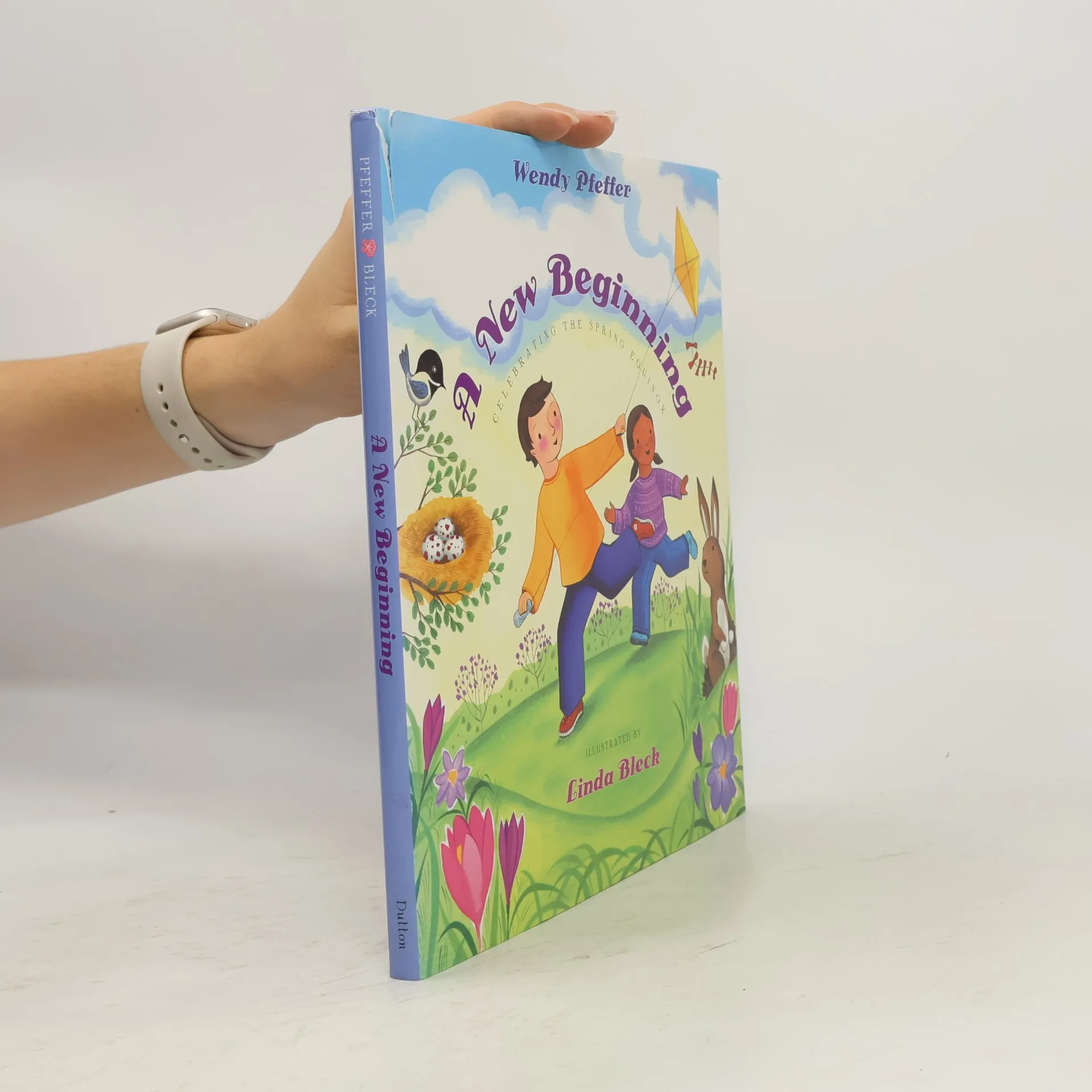
The spring equinox signals the time of year when the days are getting longer, the growing season has begun, and animals give birth to their young. With accessible, lyrical prose and vibrant illustrations, this book explains the science behind spring and shows how the annual arebirtha of Earth has been celebrated by various cultures throughout the ages and the world. Teachers will appreciate the simple science, the multicultural history, and the hands-on activities in this book. Parents and librarians will enjoy sharing it with children at Easter and Passover time.
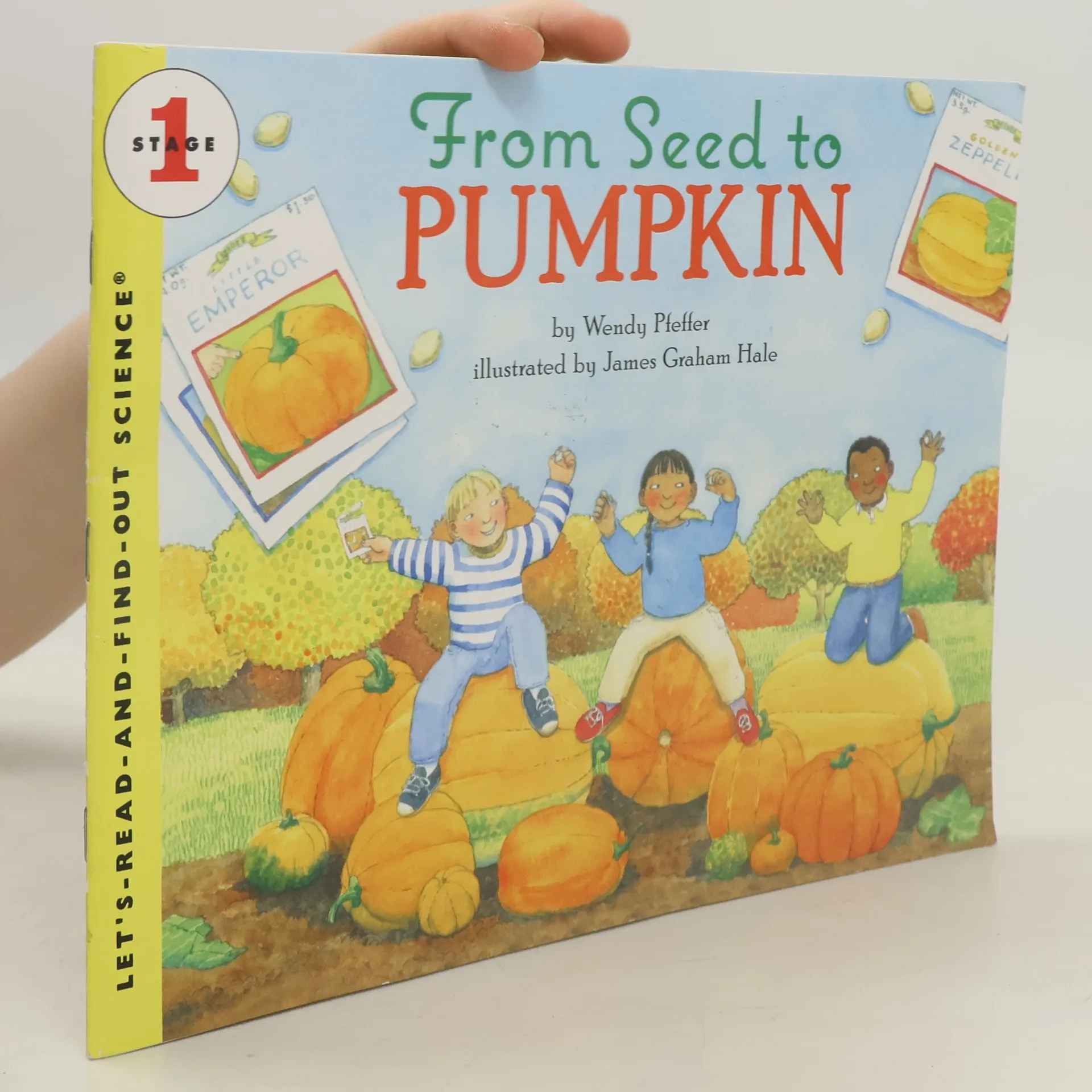
In the fall, pumpkins are everywhere: in the garden, in the supermarkets, and on doorsteps. But do you know how they grow from a tiny yellow seed to a big orange pumpkin? Read and find out! Introduce basic science concepts to young children and help satisfy their curiosity about how the world works.
Crawling through the dirt, worms are hard at work, helping plants to grow. Worms help the fruit and vegetables we eat by loosening the soil and feeding the plants. Read and find out about these wiggling wonders!
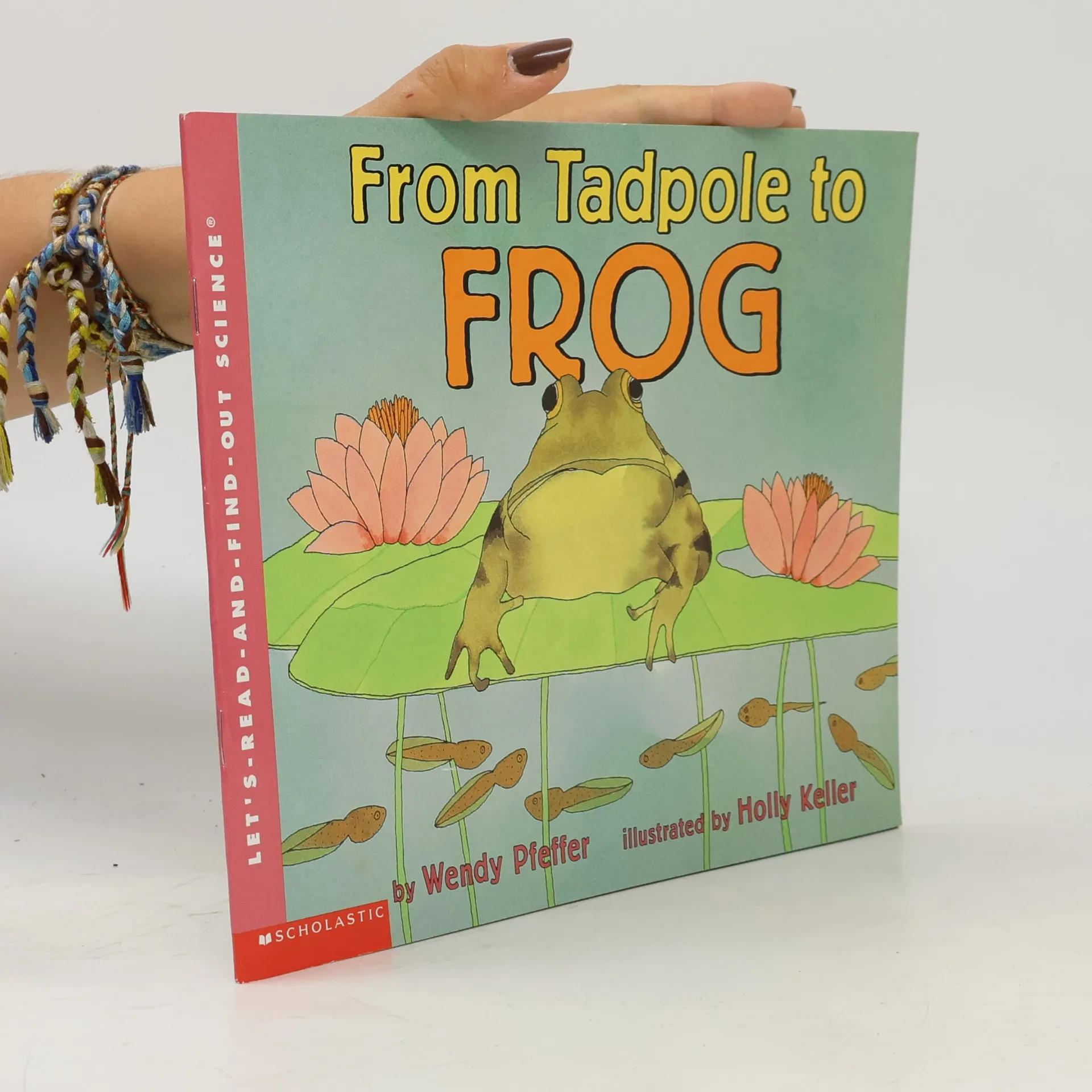
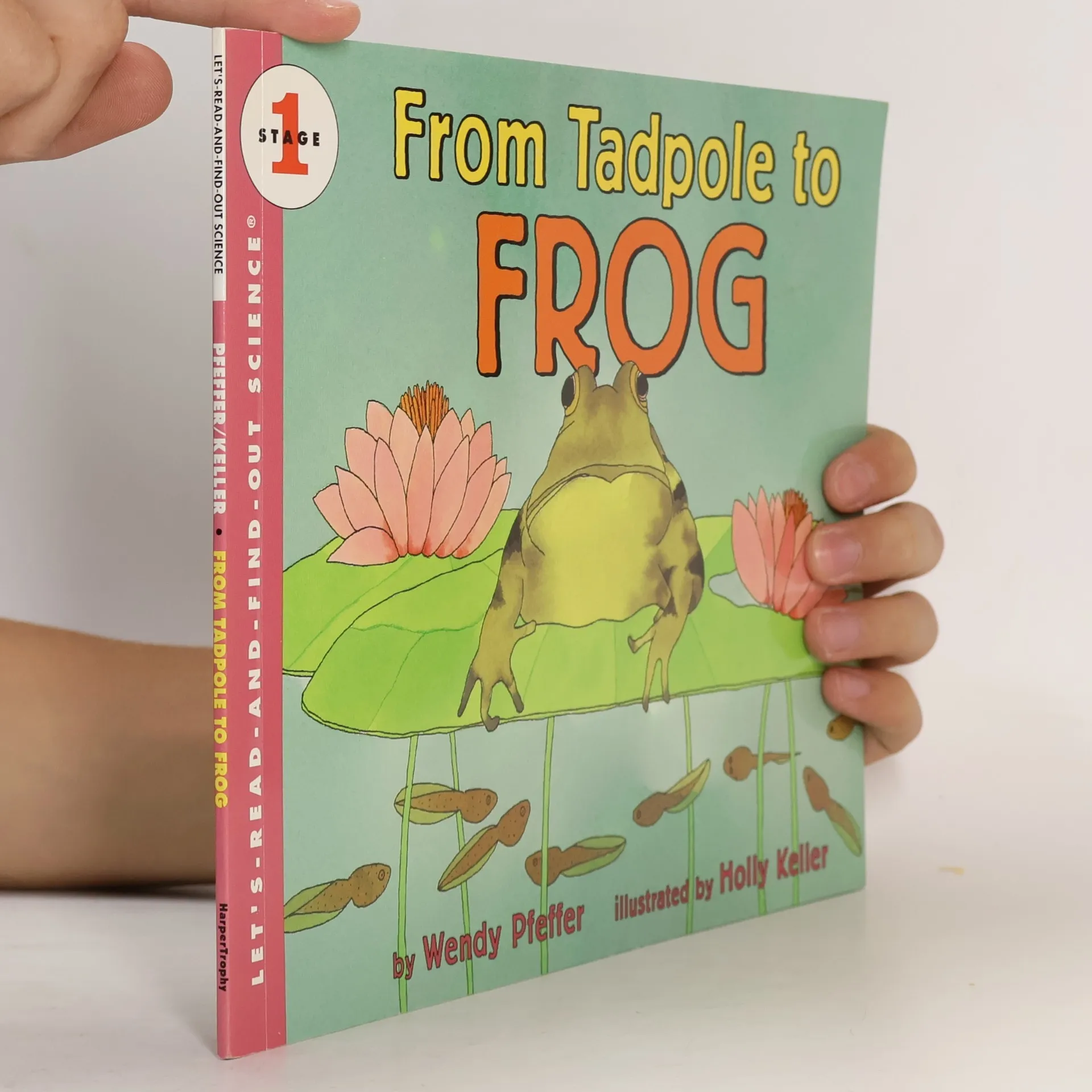
Describes the metamorphosis from tadpole to frog.
Winner of the American Association for the Advancement of Science/Subaru Science Books & Films Prize for Outstanding Science Series A tadpole is a baby frog! Female frogs lay masses of jelly-coated eggs in the water, but what hatches from each egg isn't a frog yet—it's a tadpole. Tadpoles are likely tiny fish that breathe underwater through gills. As the tadpole gets older, it loses its fishy tail and its gills and grows legs and develops lungs. The tadpole has become a frog. From Tadpole to Frog is a lovely first look at this amazing metamorphosis.