

Während der Frühphase der Industrialisierung und der Zeit der Herausbildung der Natur- und Technikwissenschaften herrschte überall in Europa Aufbruchsstimmung. Doch während in Frankreich die Revolution tobte, setzte die preußische Elite auf allmähliche Reformen. Dabei verband sie das Ziel technischer Innovation mit der Hoffnung auf soziale und ökonomische Verbesserungen. Viele der damaligen Naturforscher, Techniker und Staatsbeamte engagierten sich für den technischen und sozialen Fortschritt und das Gemeinwohl. Ursula Klein beschreibt diese Epoche und das Entstehen der Naturwissenschaften in Preußen nicht als anonymen Prozess, mit Hilfe von Zahlenkolonnen und Tabellen, sondern als gelebte Praxis der beteiligten Akteure. Entlang der Biographien des jungen Alexander von Humboldt und seiner Mitstreiter veranschaulicht sie die Aufbruchsstimmung ebenso wie die Erfolge und Misserfolge beim Arbeiten, Experimentieren und Erfinden.
Ursula Klein Libros
Ursula Klein es Investigadora Senior Permanente en el Instituto Max Planck para la Historia de la Ciencia en Berlín. Su investigación se adentra en la ontología histórica de los materiales, particularmente dentro del panorama científico del siglo XVIII. Klein explora cómo se percibían y categorizaban los materiales en diferentes discursos científicos. A través de este examen, descubre los supuestos culturales y filosóficos más profundos incrustados en el conocimiento científico.



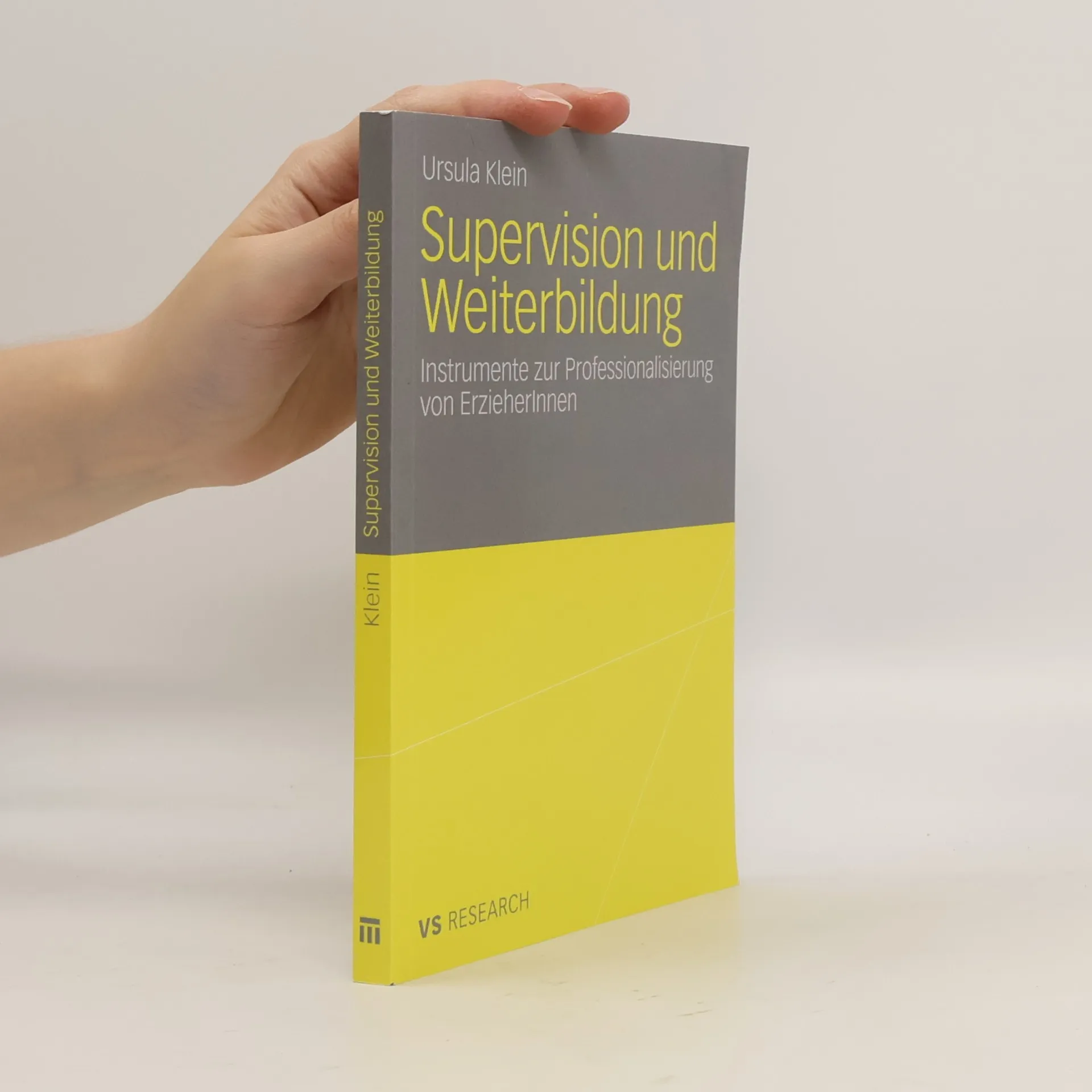

Supervision und Weiterbildung
Instrumente zur Professionalisierung von ErzieherInnen
- 189 páginas
- 7 horas de lectura
Das Thema Frühpädagogik ist derzeit von großer Bedeutung, insbesondere in Bezug auf die Entwicklungschancen von Kindern und die Anforderungen an Einrichtungen sowie die Ausbildung der Fachkräfte. Die Autorin lenkt den Fokus auf die Erzieherinnen und Erzieher und deren Förderung sowie Professionalisierung. Sie gelingt es, das Thema greifbar zu machen, indem sie tragfähige Verbindungslinien aufzeigt, anstatt abgehobene Forderungen zu stellen. Ursula Klein rekonstruiert die historische Dimension des Erzieherinnenberufs und informiert umfassend über den aktuellen Stand der Professionalisierung sowie die politischen, rechtlichen und institutionellen Rahmenbedingungen. Sie entwickelt überzeugende Konzepte zur fortschreitenden Professionalisierung, die bewährte Ansätze mit innovativen Ideen verknüpfen. Die Autorin beschreibt präzise, wie Weiterbildung und Supervision effektiv eingesetzt werden können. Besonders wertvoll sind die Fallstudien aus vier Expertinneninterviews, die transparente Vorgehensweisen und Methoden gelungener qualitativer Sozialforschung präsentieren. Die sorgfältige Auswertung dieser Interviews bietet erhellende Einblicke in die Realität erfahrener Erzieherinnen, insbesondere in Leitungsfunktionen, und bündelt Kernthemen hinsichtlich der Professionalisierungsinstrumente.