Here is the first book to introduce Catalysis, a next-generation method for constructing open component systems from frameworks, based on UML and OMG standards. Using Catalysis, programmers have the ability to describe a complex system based on content perspectives or views. Each view defines a pattern with supporting models. Catalysis provides well-defined consistency rules across models and the mechanisms for composing views. .
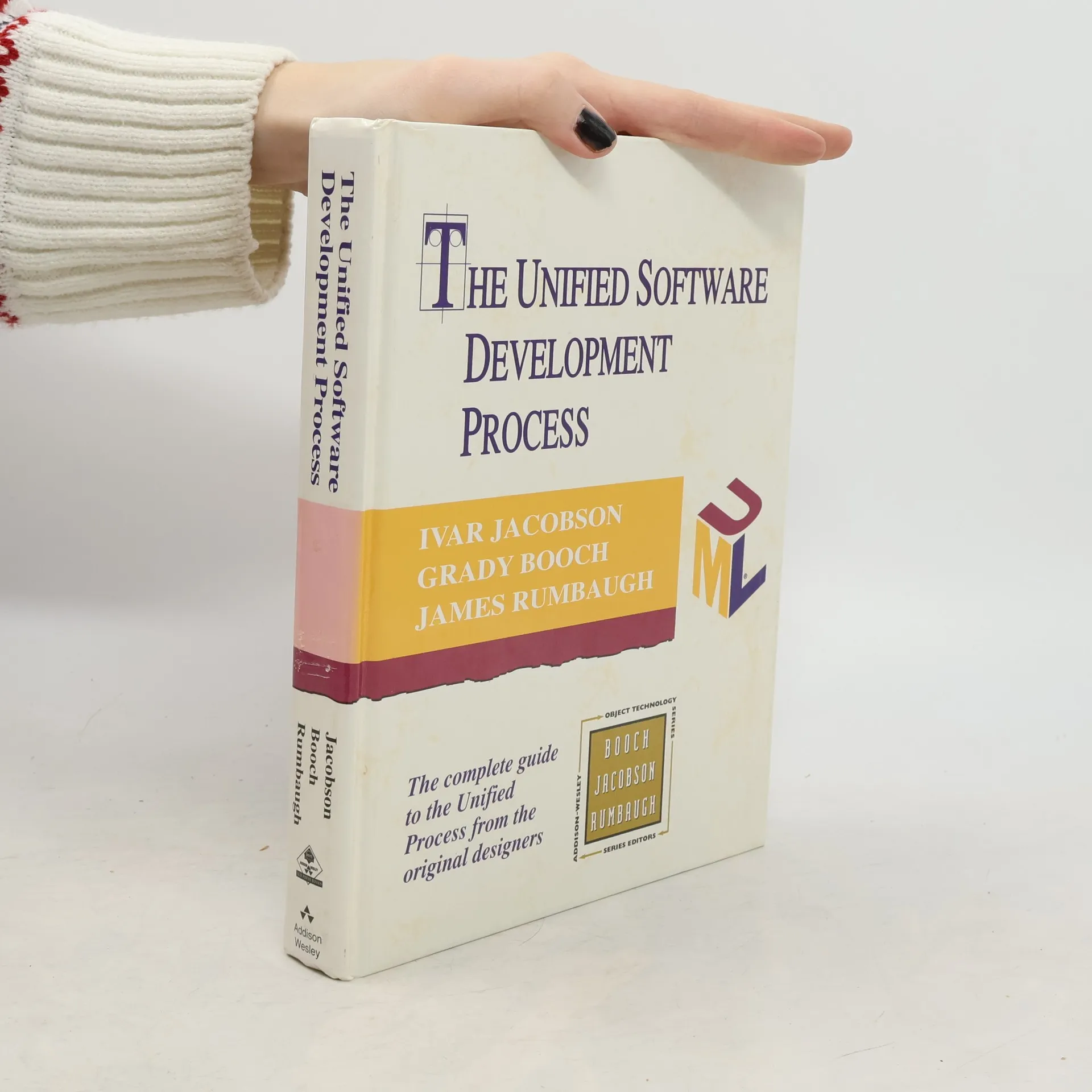
Provides an overview of the Unified Process for software development, with a practical focus on modeling using the Unified Modeling Language (UML). This book demonstrates how the notation and process complement one another, using UML models to illustrate the new process in action. It describes the constructs such as use cases, actors, and more.
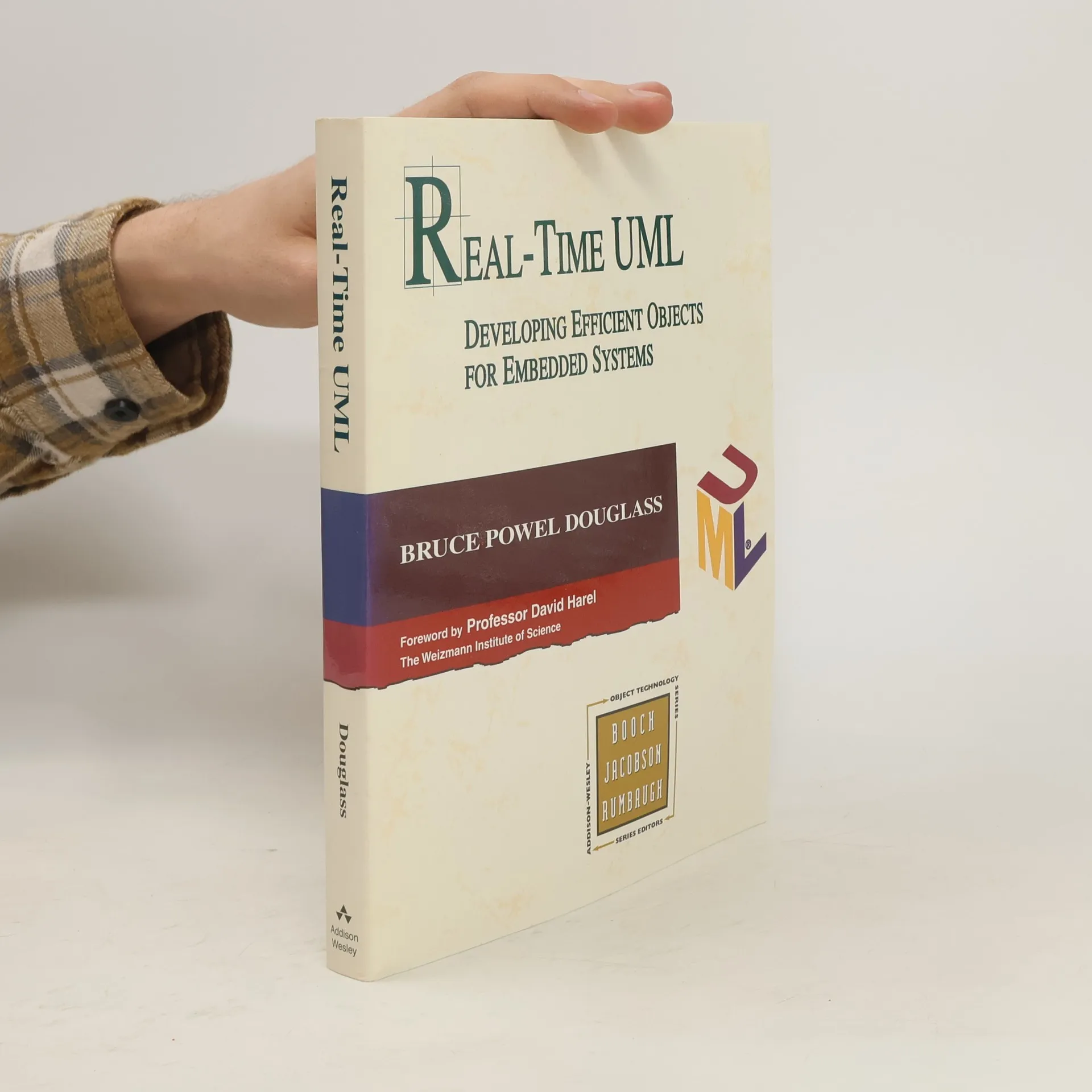
This book is the concise, 'distilled' introduction that developers of real-time systems need to begin the transition to object-oriented analysis and design and modeling with UML. The book includes special in-depth discussions of finite state machines, object identification strategies, and real-time design patterns to help beginning and experienced developers alike.
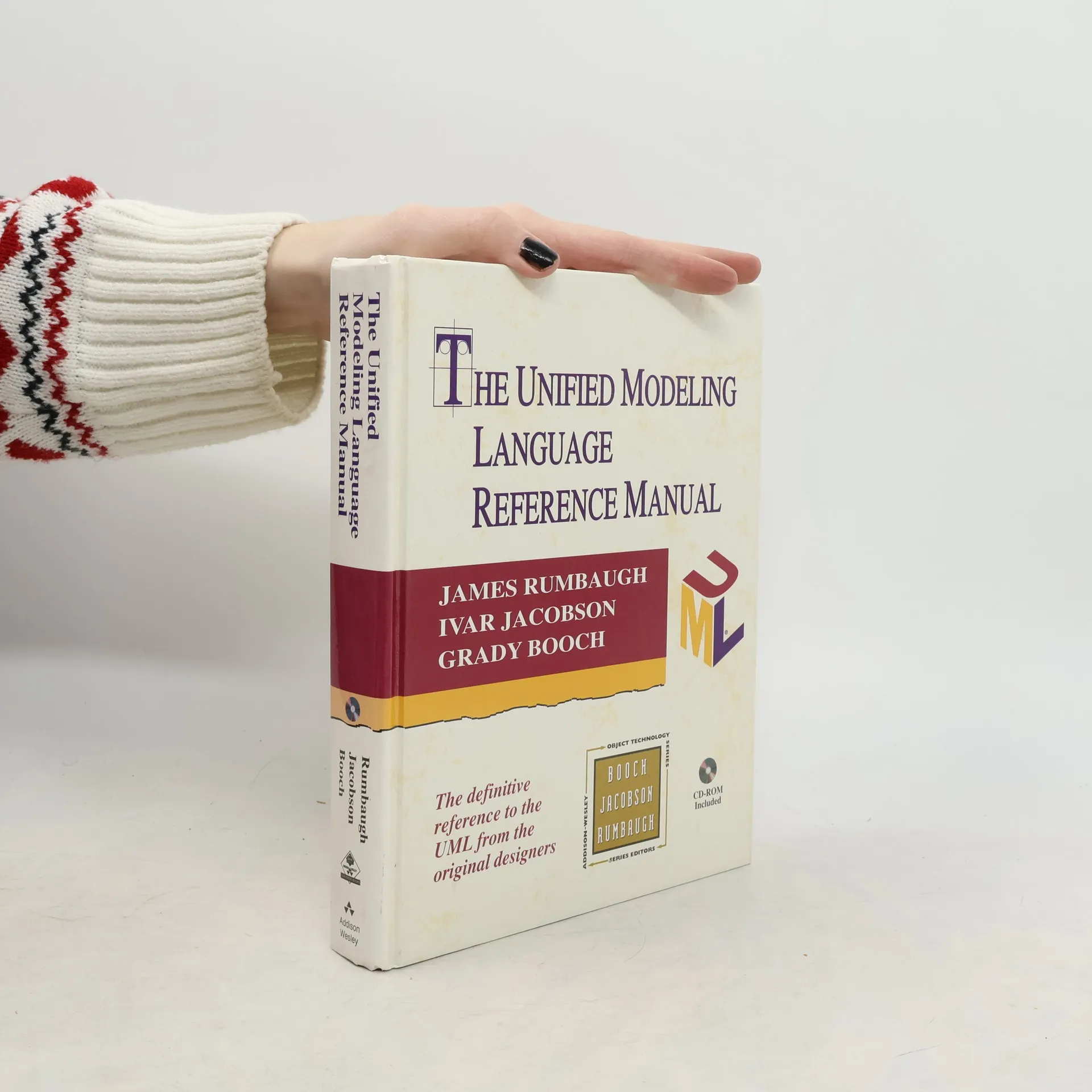
The Unified Modeling Language (UML) has rapidly become the standard notation for modeling software-intensive systems. This book provides the definitive description of UML from its original developers - James Rumbaugh, Ivar Jacobson, and Grady Booch. Whether you are capturing requirements, developing a software architecture, designing the implementation, or trying to understand an existing system, this is the book for you.
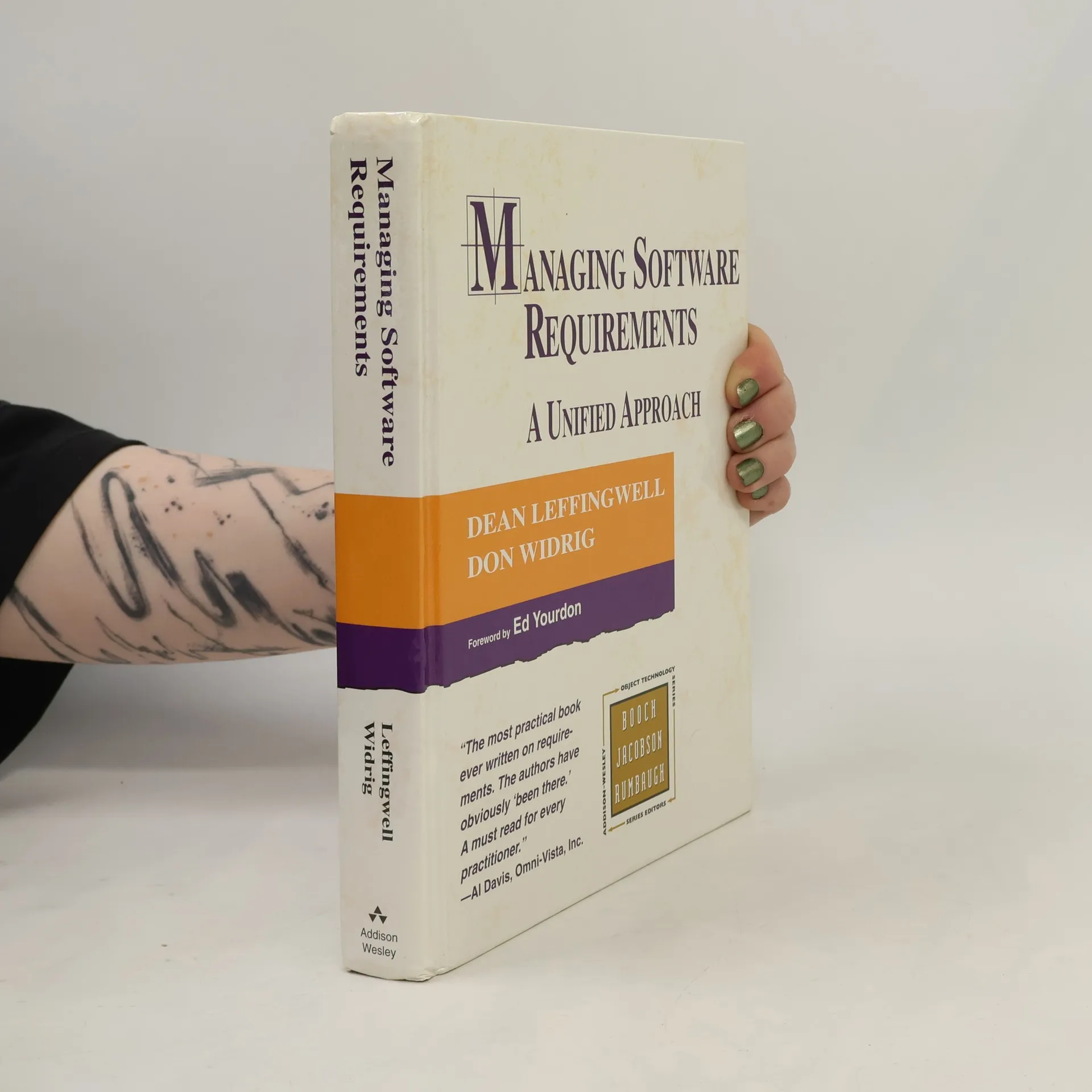
Two leading experts on requirements management demonstrate how to define exactly what software systems should do in terms that can be implemented and won't have to be redone later. Coverage includes: analyzing problems, defining systems, building and validating systems, and more.
Applies techniques to the entire software development cycle. Presents a new object-oriented software development methodology-from analysis, through design, to implementation. 1. Object-oriented programming.
Applying The Standard Object Modeling Language: 1.1 1.2 OMG UML Standard
179 páginas
7 horas de lectura
This work on UML - created by OO technology experts, Booch, Rumbaugh and Jacobson - offers detailed and practical guidance to the UML notation in the context of real world software development.The book also offers useful summaries of UML notation on the back and the front covers.
Mission-critical and business-critical applications increasingly rely on object-oriented (OO) software, necessitating tailored testing techniques for high reliability and quality. This authoritative guide focuses on designing and automating test suites for OO applications, emphasizing the importance of model-based testing. It details techniques for developing testable models using state machines, combinational logic, and the Unified Modeling Language (UML). The book introduces the test design pattern and presents 37 patterns that guide the creation of responsibility-based test suites, integration, and regression testing for OO code, as well as effective testing of reusable components and frameworks. Automation is crucial, and the author explains how to design specification-based assertions to mitigate testability issues arising from inheritance and polymorphism. Fifteen micro-patterns offer practical oracle strategies for test design challenges, while seventeen design patterns illustrate how to automate test suites within a coherent OO test harness framework. Key topics include OO programming bug hazards, designing tests for classes and subsystems, supporting reuse through effective testing, integration strategies for iterative development, comprehensive system testing with use cases, regression test approaches, and automating testing with assertions and test frameworks. Real-world examples cover test design and automation for