

Bookbot

Rik Smits

    1 de enero de 1953
    Peptalk
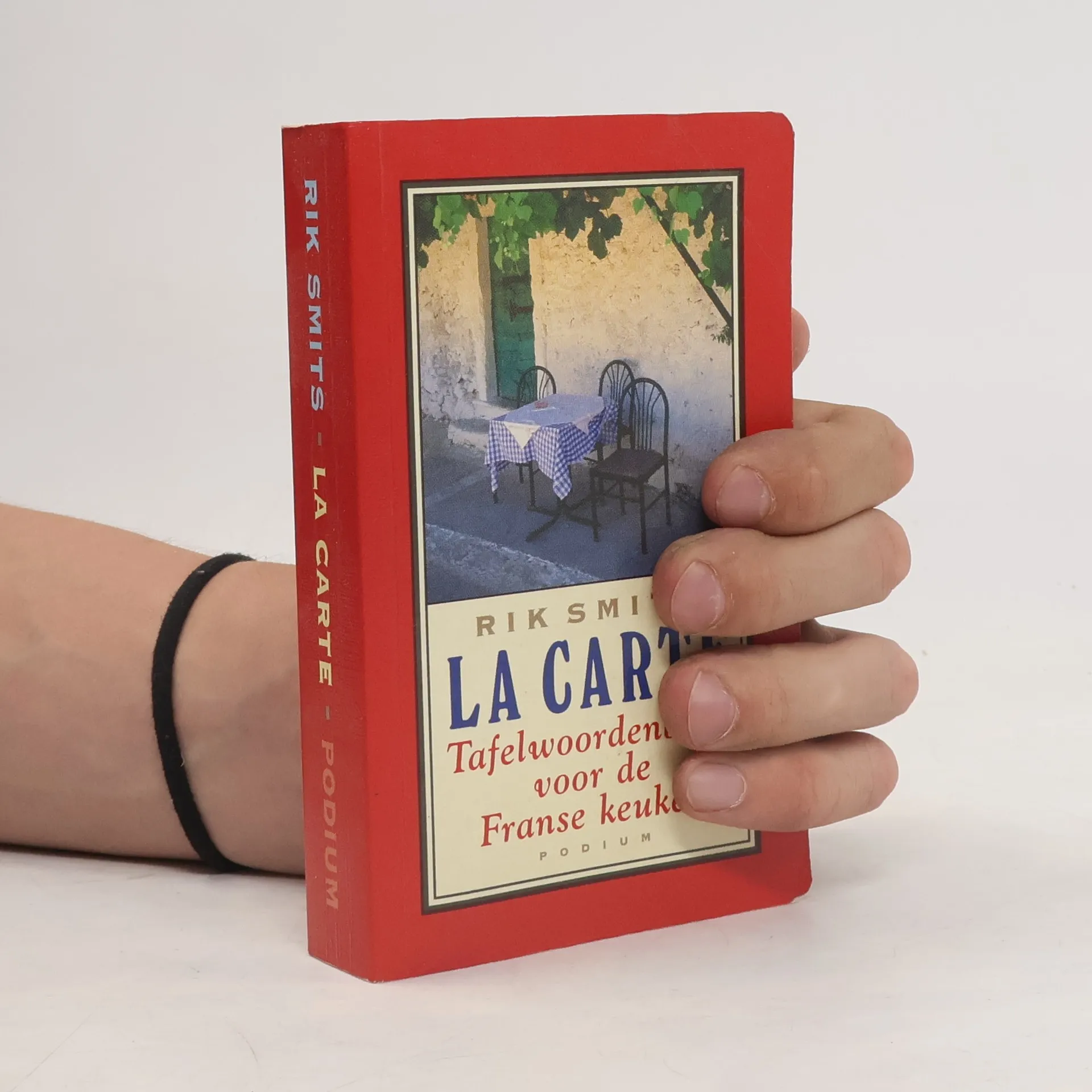
    La Carte
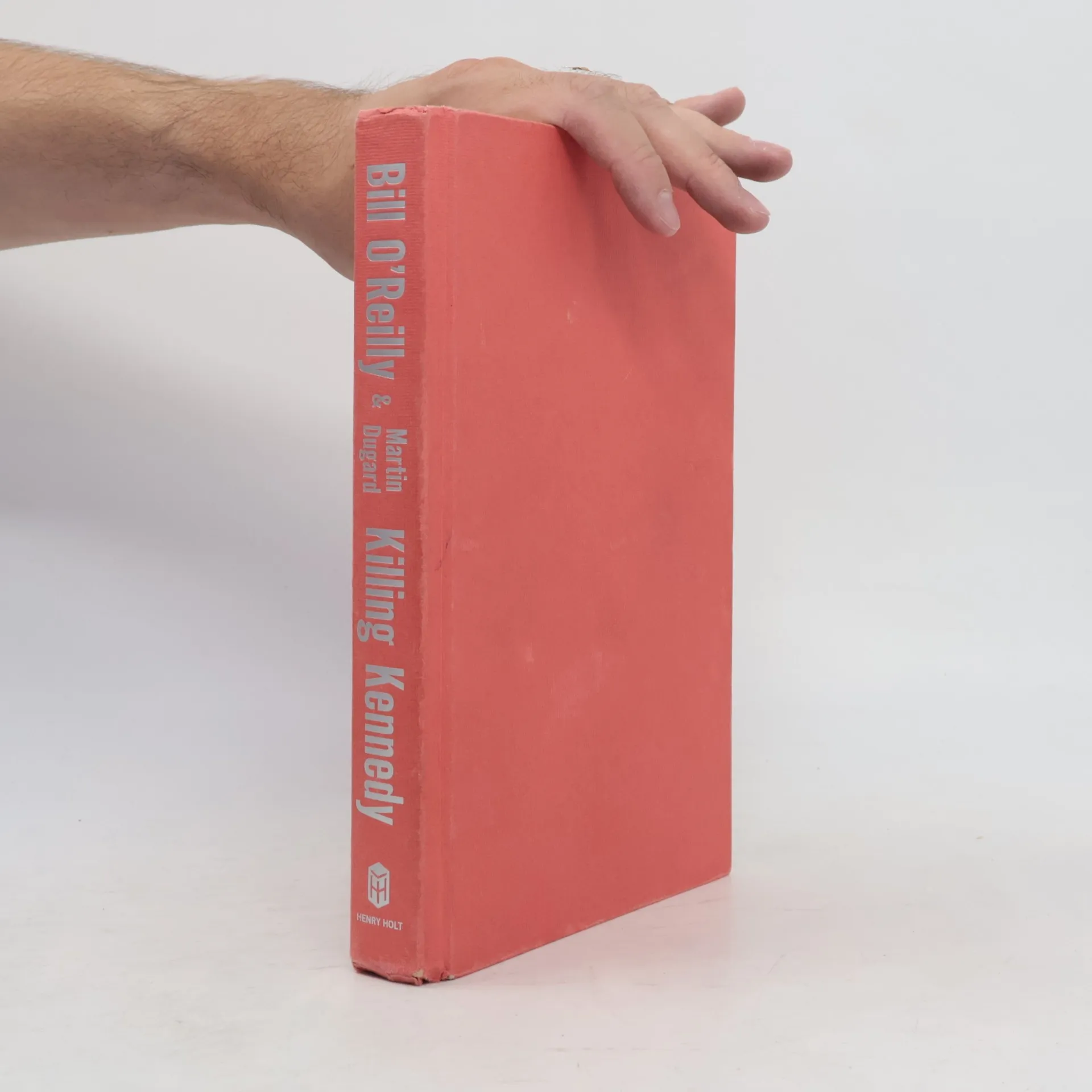
    Killing Kennedy - The End of Camelot
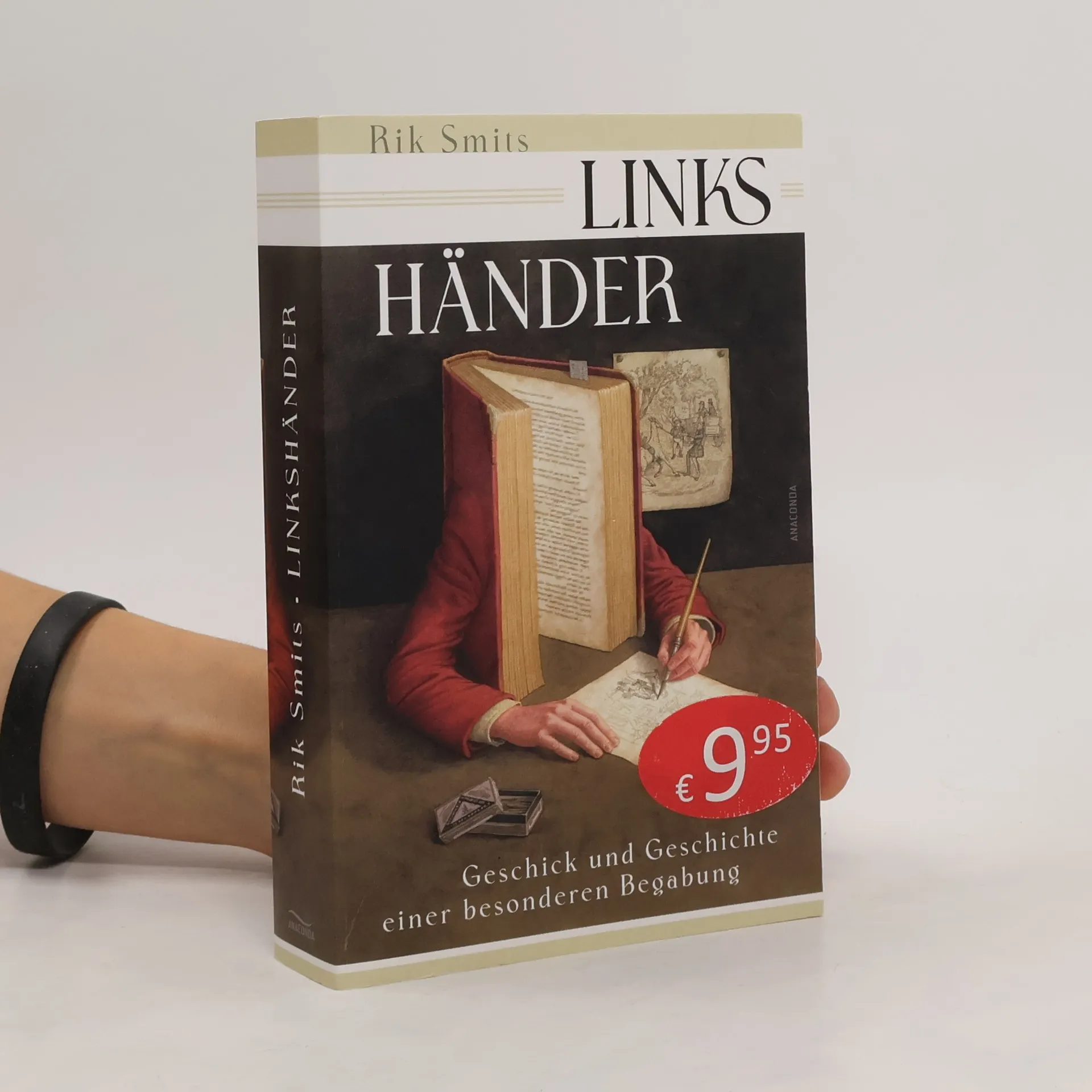
    Linkshänder - Geschick und Geschichte einer Begabung
    The Puzzle of Left-Handedness
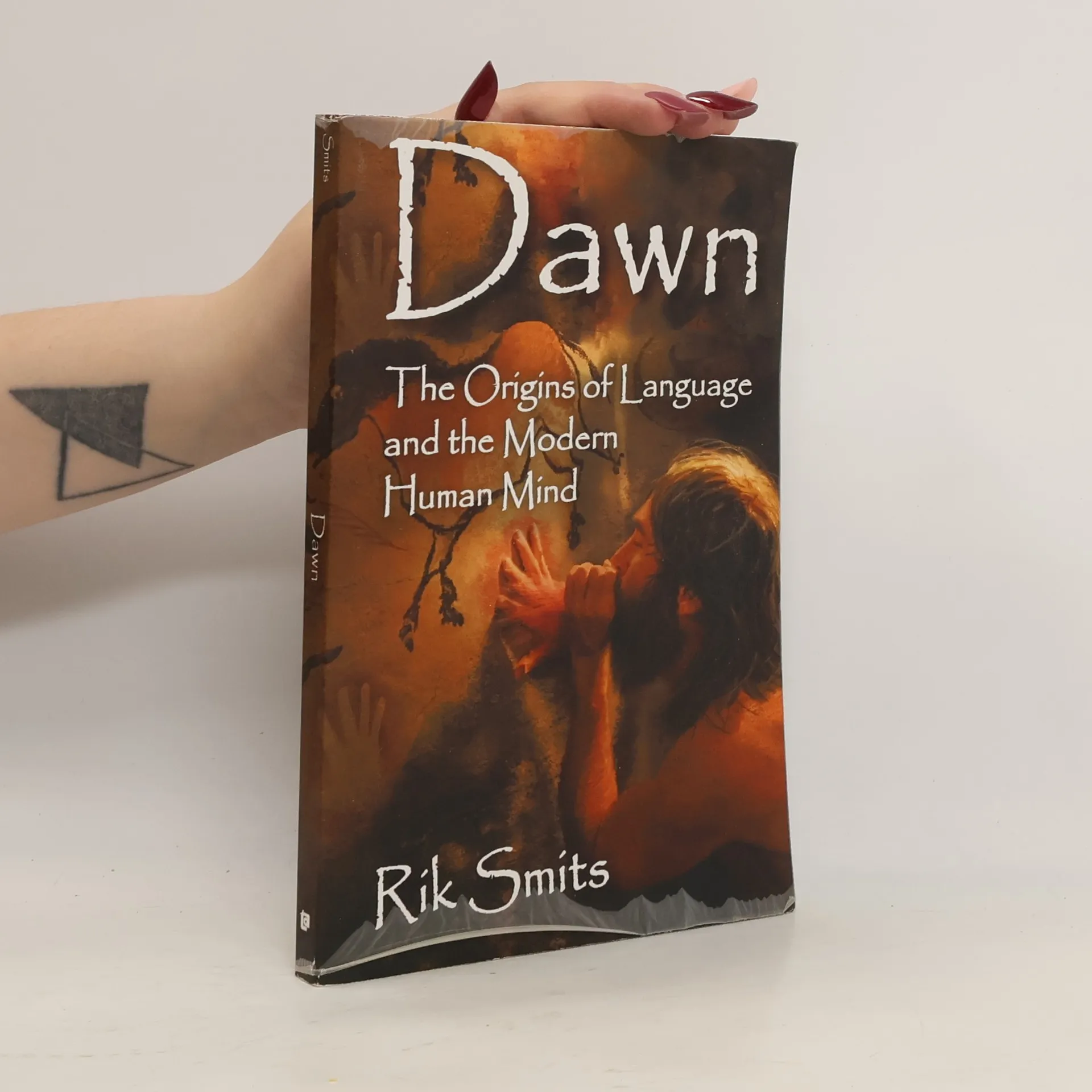
    Dawn
    • Als Linkshänder hat man es nicht immer leicht, z. B. weil fast alle Geräte für Rechtshänder entworfen sind, vom Kartoffelschäler über Scheren bis zur Handkreissäge. Aber lebt man als Linkshänder tatsächlich so schlecht? Wie ungeschickt sind Linkshänder wirklich und sind sie mehr oder weniger erfolgreich als Rechtshänder? Sind sie gar mit einem erstaunlichen Geschick ausgestattet wie etwa Leonardo da Vinci, Albert Einstein oder Ludwig van Beethoven? Unterhaltsam und spannend beleuchtet Rik Smits die geschichtlichen, kulturellen und psychologischen Aspekte einer außergewöhnlichen Begabung. Wussten Sie, dass Leonardo da Vinci, Albert Einstein oder Ludwig van Beethoven Linkshänder waren? Unterhaltsam und spannend. Die geschichtlichen, kulturellen und psychologischen Aspekte einer außergewöhnlichen Begabung
      Linkshänder - Geschick und Geschichte einer Begabung2023
      5,0
    • Killing Kennedy - The End of Camelot

      • 325 páginas
      • 12 horas de lectura

      In the midst of a 1963 campaign trip to Texas, Kennedy is gunned down by an erratic young drifter named Lee Harvey Oswald. The former Marine Corps sharpshooter escapes the scene, only to be caught and shot dead while in police custody.

      Killing Kennedy - The End of Camelot2012
      4,1
    • Dawn

      The Origins of Language and the Modern Human Mind

      • 230 páginas
      • 9 horas de lectura

      In this work, originally published in Dutch, Rik Smits theorizes that language could not have developed originally as a system of communication. It is, instead, the result of combining separate abilities, each of which developed independently to aid the survival of early humans. Lacking strength and speed, man relies on wisdom for survival. Smits theorizes that human skills in calculation and estimation continued to develop until they were sufficient to accommodate a system as complex as grammar. Only after our linguistic ability emerged could humans think logically and share our reasoning with others, at which point almost everything we now call culture began to flourish. Smits concludes that language cannot have long predated the invention of agriculture in the Middle East, some 14,000 years ago. The huge advance in civilization represented by language made abstract powers of reasoning indispensable for the first time, along with highly developed concepts of identity, past, present, and future, all of which rely upon language. This explanation of the origins of language throws new light on cave paintings by Cro-Magnon man, whose masterpieces date from about 40,000 to 15,000 years ago. Anatomically Cro-Magnons were modern humans, but they had no language in the modern sense. Their absence of language gave them no true sense of individual identity. -- Provided by publisher

      Dawn2009
      3,5
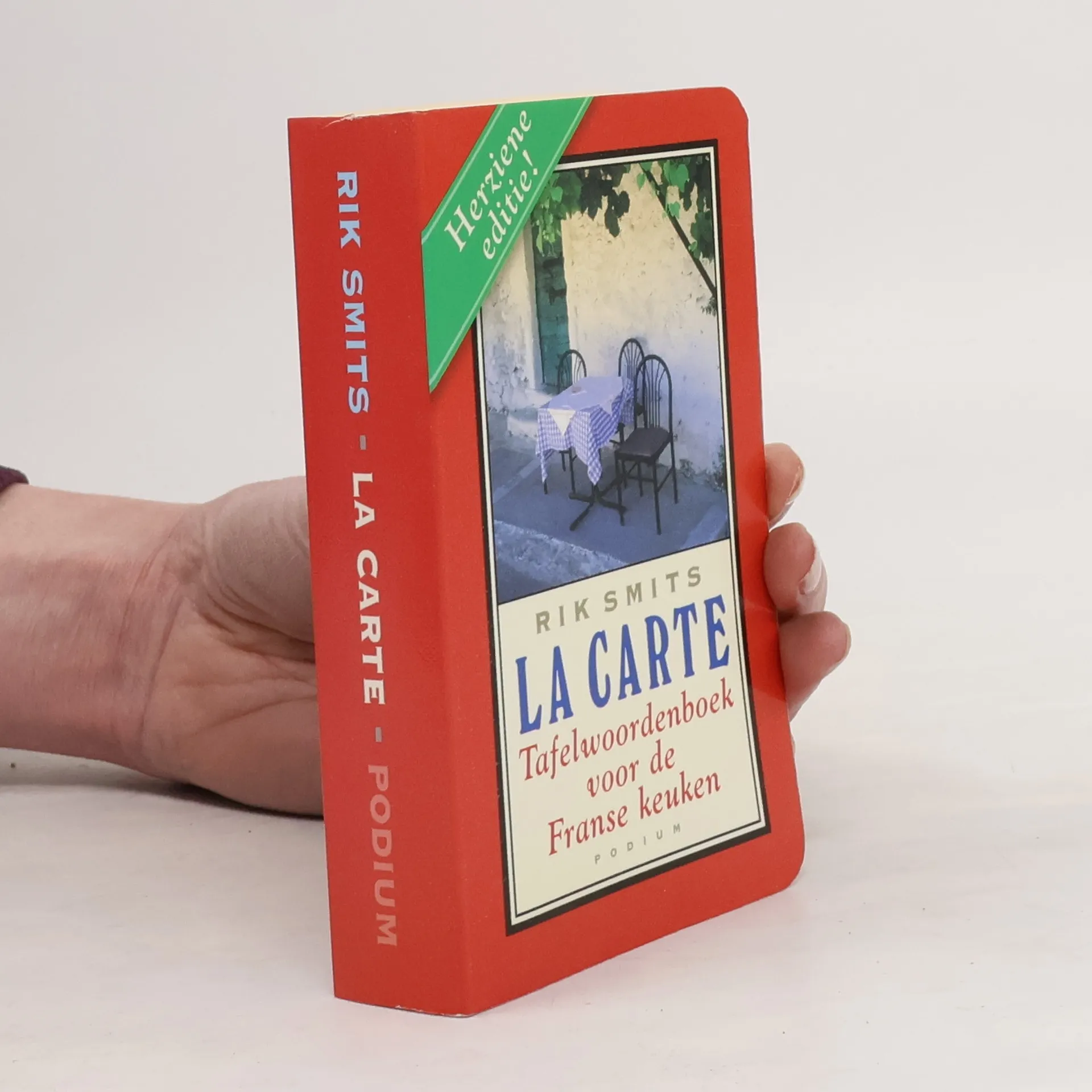
    • La Carte

      Tafelwoordenboek voor de Franse keuken - Herziene editie! - druk 7

      • 334 páginas
      • 12 horas de lectura
      La Carte2007
    • La Carte

      Tafelwoordenboek voor de Franse keuken

      La Carte1997
    • The Puzzle of Left-Handedness

      • 384 páginas
      • 14 horas de lectura

      Exploring the historical stigma surrounding left-handedness, Rik Smits delves into a rich tapestry of anecdotes, superstitions, and myths that have shaped perceptions of left-handed individuals. Despite notable achievements by left-handers like Michelangelo and Jimi Hendrix, they have often been unfairly associated with negative traits and various health issues. Smits critiques modern misconceptions and highlights the absurdity of claims linking left-handedness to shorter lifespans. This engaging work offers a thought-provoking examination of left-handed lore, blending fact with fiction.

      The Puzzle of Left-Handedness1994
      2,9
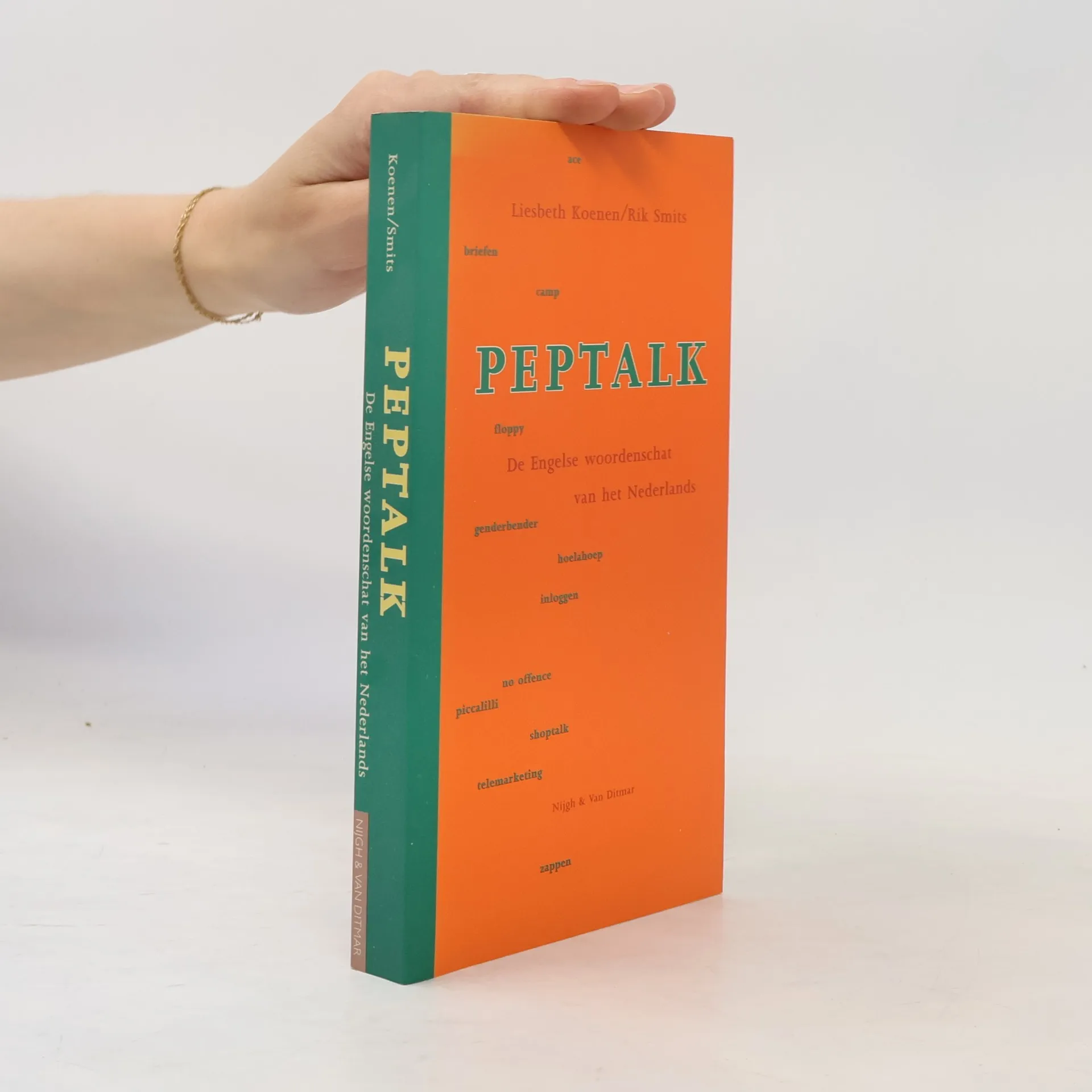
    • Peptalk

      De Engelse woordenschat van het Nederlands

      • 319 páginas
      • 12 horas de lectura

      Waarom heet een winkel tegenwoordig een shop, een chef een manager, en is een meeting of briefing veel echter dan een gewone vergadering? Waarom is een latin lover met bedroom eyes veel spannender dan een Latijnse minnaar met slaapkamerogen? Wat is toch de aantrekkingskracht van het Engels? Waarom neemt het Nederlands zoveel uit die taal over? En wie gebruiken deze newspeak? Hierover vindt u alles in dit boek, plus die woorden en uitdrukkingen zelf, met hun betekenissen in het Nederlands en aanvullende informatie: het recept voor plumpudding, het aantal leden van de Ku Klux Klan, de geschiedenis van de hamburgers. Ook fantasie-Engels (railrunner, greenpoint) is opgenomen.PEPTALK is de tweede, geheel herziene en uitgebreide editie van Peptalk & Pumps, en biedt met ruim 1600 wwoorden en uitdrukkingen een gedegen overzciht van de invloed van het Engels op de Nederalndse taal.

      Peptalk1992