

Die Auseinandersetzung mit scheinbar nutzlosen Gegenständen wirft grundlegende Fragen über den Wert und die Existenz von Objekten auf, die für Verbraucher oft irrelevant erscheinen. Der Autor hinterfragt unsere Wahrnehmung und den Hochmut, mit dem wir solche Dinge ignorieren oder abwerten. Es wird thematisiert, wie wir unsere Bedürfnisse und Prioritäten definieren, während wir die Bedeutung und den Platz dieser Objekte in unserem Leben in Frage stellen. Dabei wird die Beziehung zwischen Mensch und Ding kritisch beleuchtet.
Florentina Pakosta Orden de los libros (cronológico)

Florentina Pakosta
- 215 páginas
- 8 horas de lectura
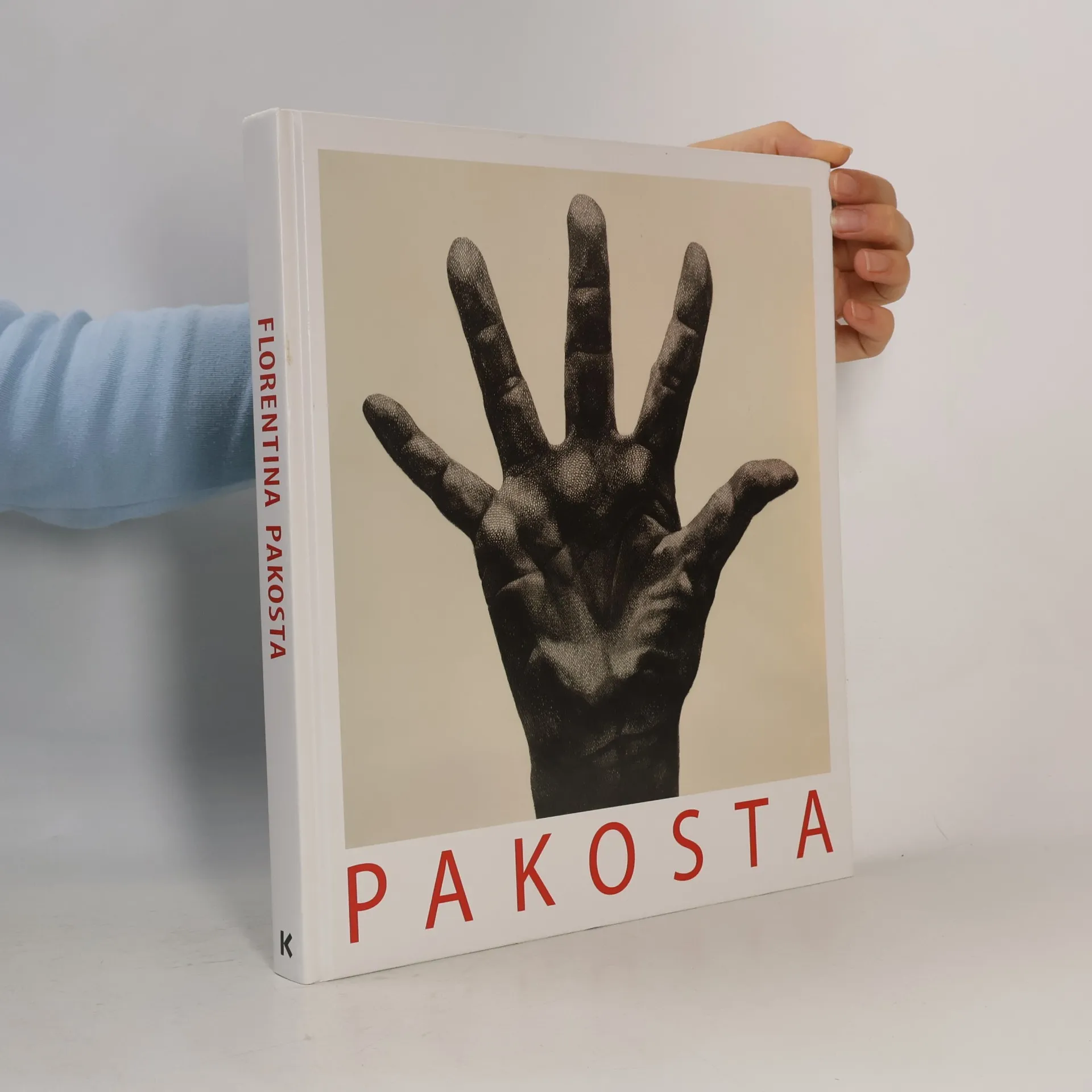
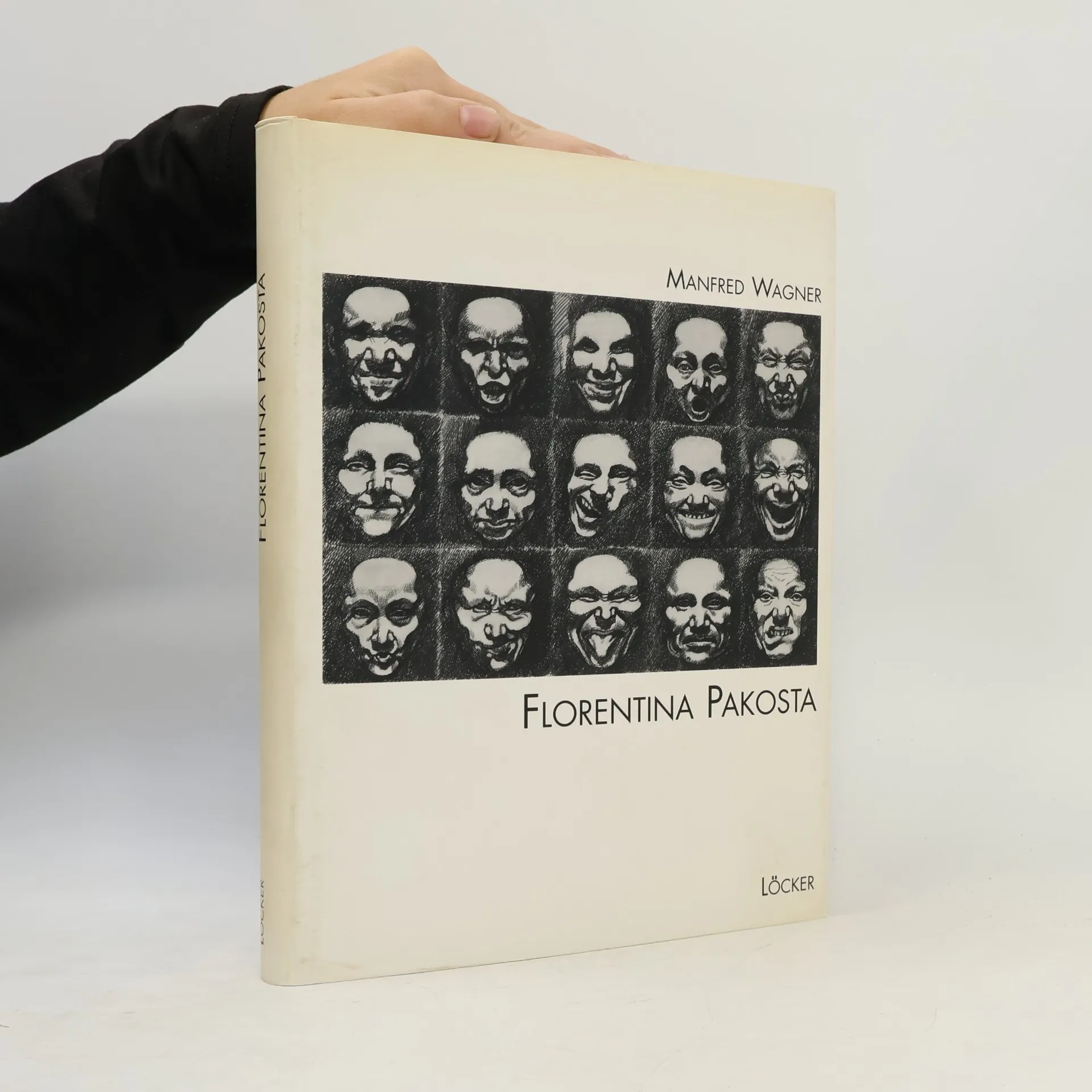
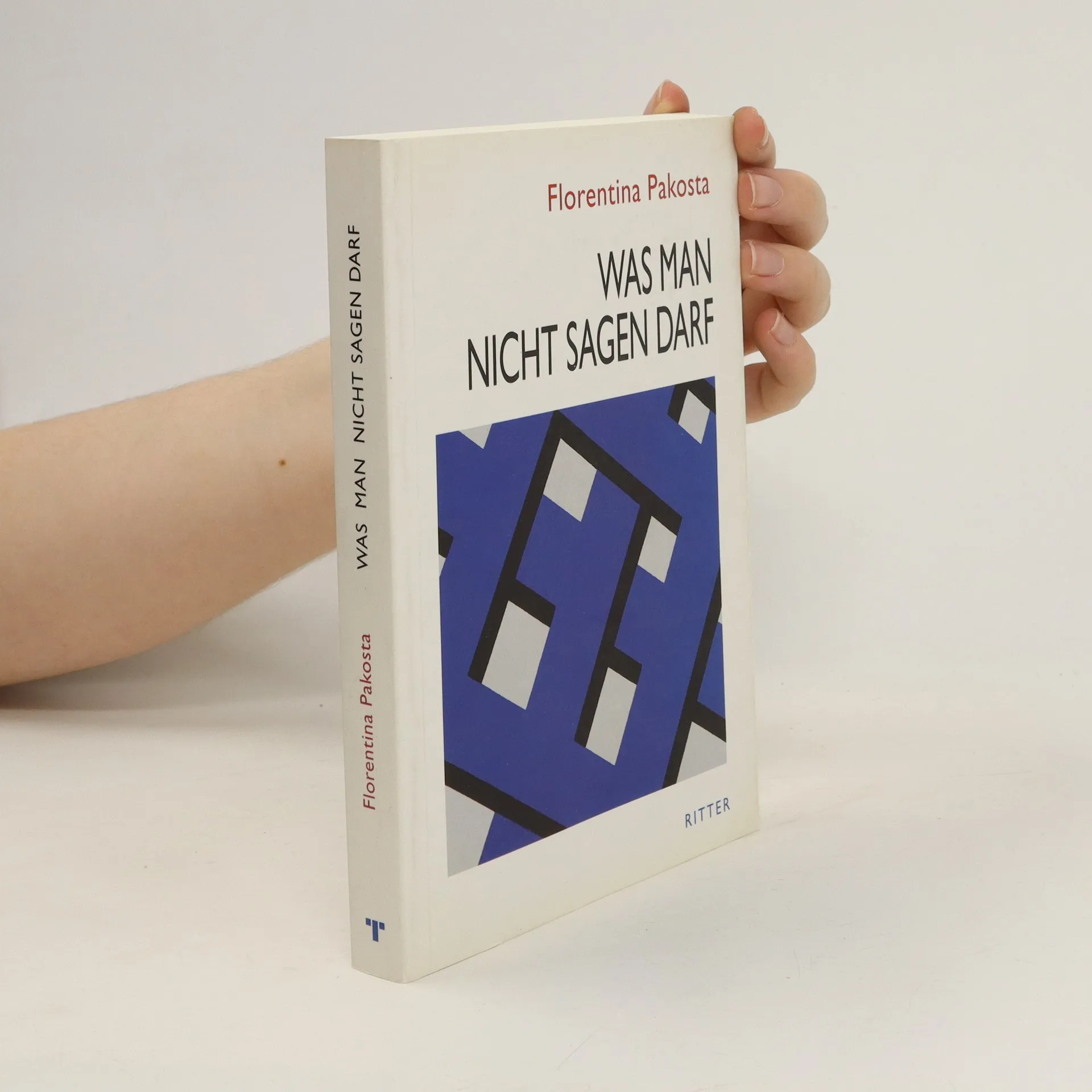
On the occasion of Austrian artist Florentina Pakosta's 85th birthday, the Albertina Museum is devoting a large-scale retrospective to her oeuvre. In her 1960s drawings and printed graphics, Florentina Pakosta reacted to discrimination against women in the art scene. For centuries, male artists had portrayed women as objects or muses. Pakosta consequently turned her gaze on men and proceeded to dissect their facial expressions and body language. Her satirical works attack patriarchal power structures by caricaturing male behavior and reversing traditional roles. Self-portraits likewise play a central role in the oeuvre of Florentina Pakosta--showing her at times serious, then self-confident, then combative. In her series Warenlandschaften [Product Landscapes] and Menschenmassen [Crowds of People], on the other hand, Pakosta lends expression to the disappearance of the subject in capitalism. Pakosta's mid-1980s output then gradually turns away from black-and-white, figurative painting in favor of an abstract visual language--and to this day, she has continued to create series of characteristic works comprised of geometric beams.