

Bookbot

Charles Babbage

    26 de diciembre de 1791 – 18 de octubre de 1871

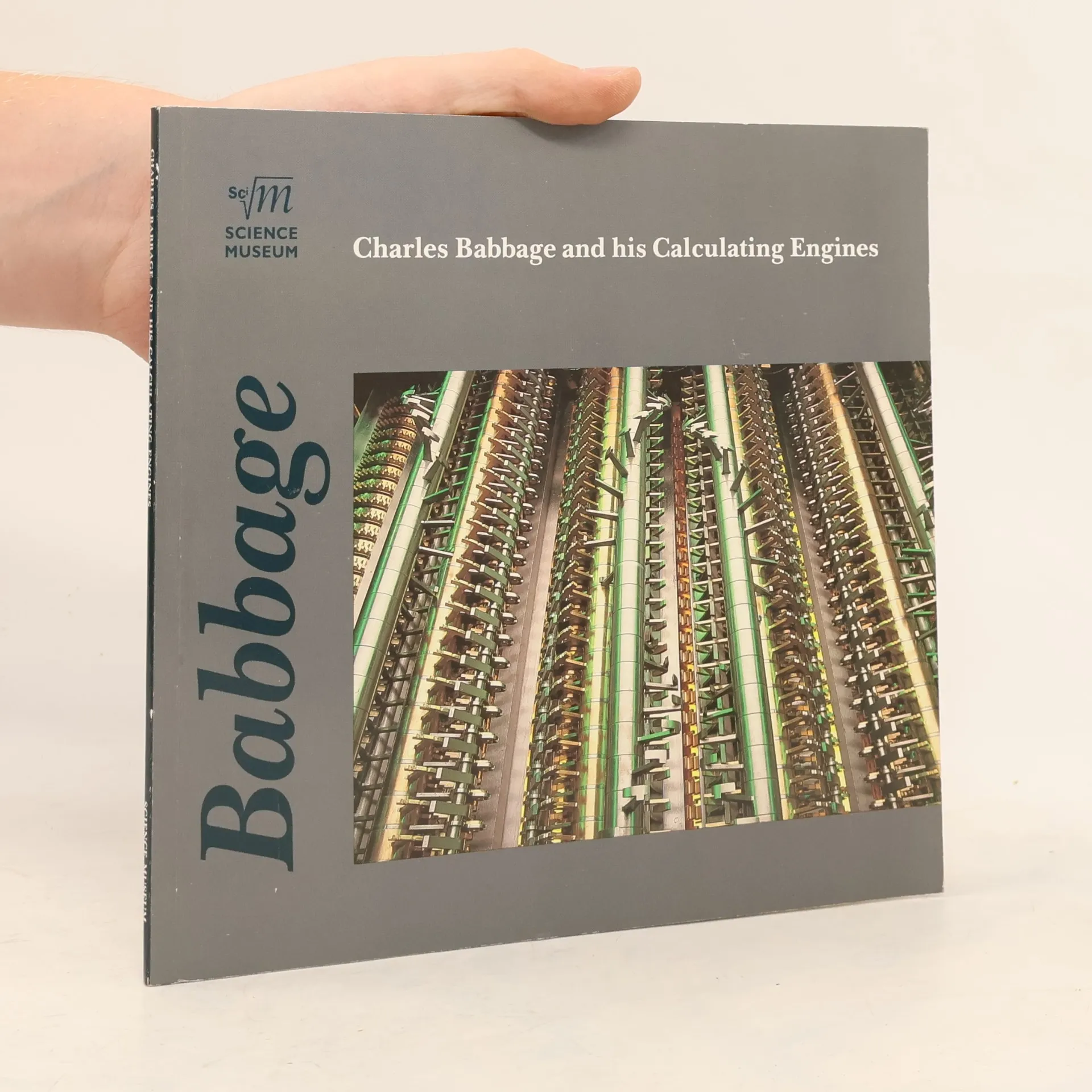
    Charles Babbage fue un polímata inglés, matemático, filósofo, inventor e ingeniero mecánico. Se le atribuye el concepto de una computadora digital programable y es considerado por algunos como un "padre de la computación". Sus inventos condujeron a diseños electrónicos más complejos, y todas las ideas esenciales de las computadoras modernas se encuentran en su motor analítico. Su diversa labor en diferentes campos lo ha llevado a ser descrito como "preeminente" entre los muchos polímatas de su siglo. Sus mecanismos incompletos se exhiben en el Museo de la Ciencia de Londres, y se ha construido una máquina diferencial funcional a partir de sus planos originales.

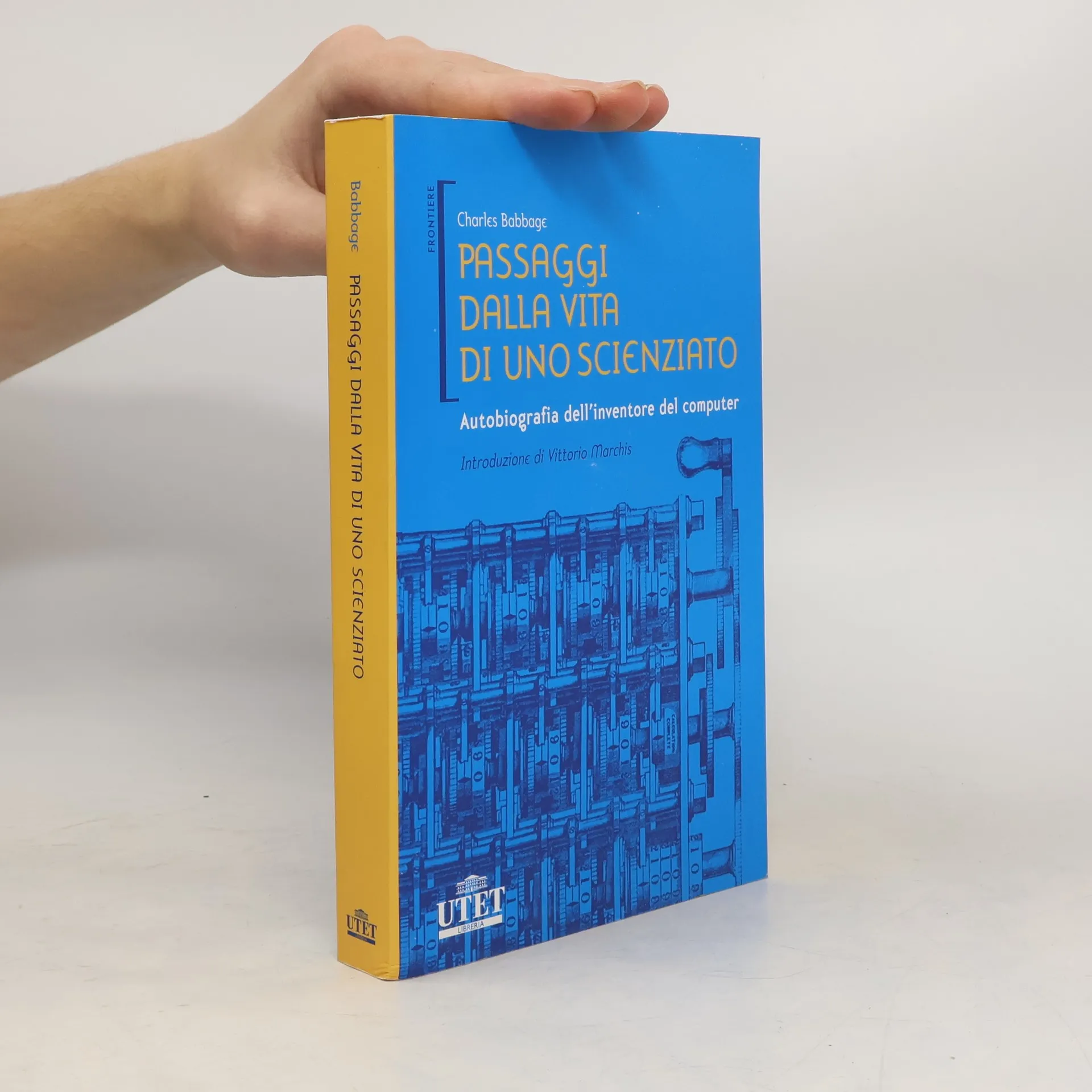
    Passaggi dalla vita di uno scienziato. Autobiografia dell'inventore del computer
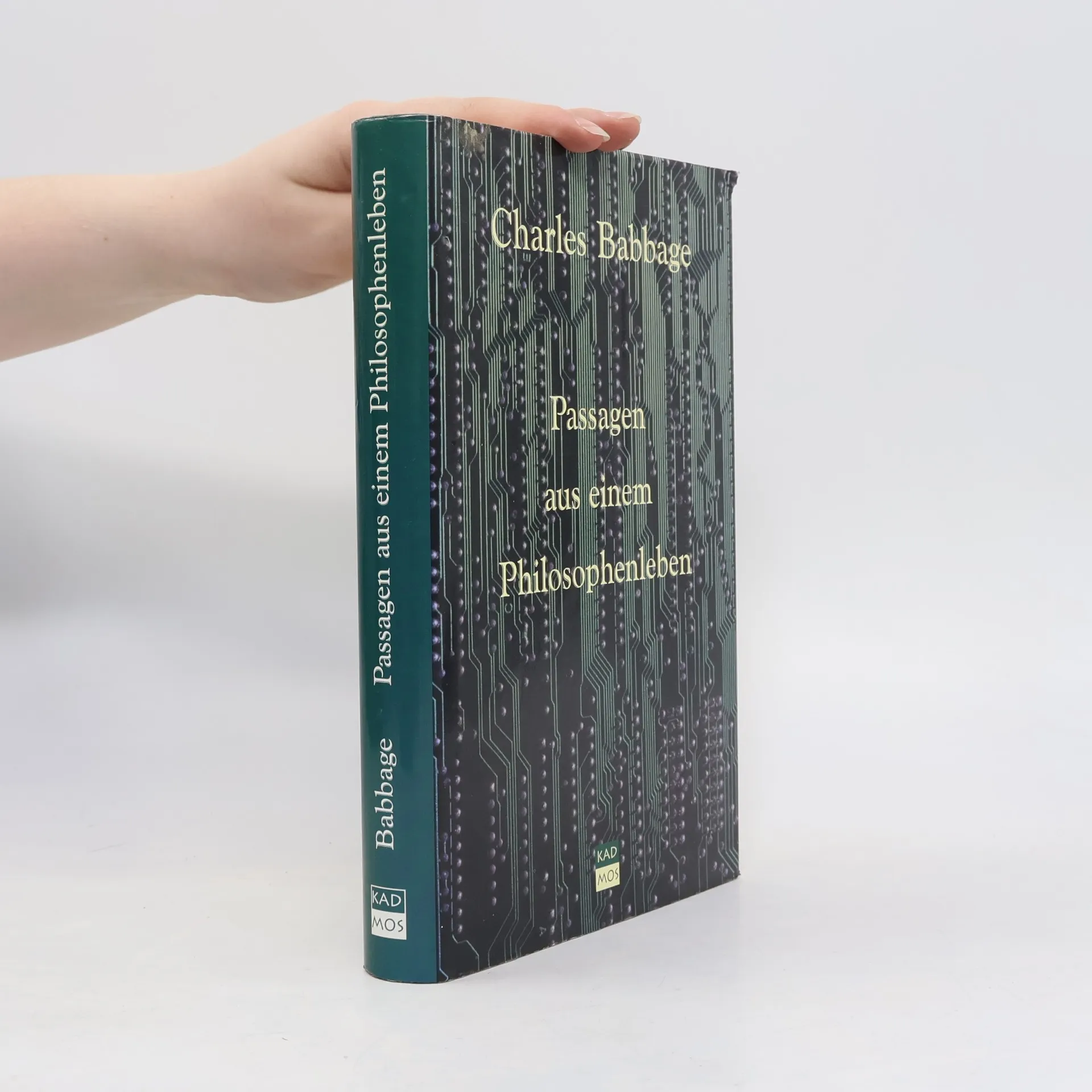
    Passagen aus einem Philosophenleben: Vorw. v. Bernhard J. Dotzler
    Reflections On The Decline Of Science In England, And On Some Of Its Causes
    • Concerns about the state of scientific research in 19th-century England are central to this work by Charles Babbage. He critiques the lack of funding, support, and educational opportunities for scientists, arguing that these deficiencies hinder national prosperity and technological progress. Babbage emphasizes the need for a robust scientific culture and infrastructure to foster innovation. He also reflects on the broader societal impacts of this decline, warning of the dangers of England losing its competitive edge in the global scientific arena.

      Reflections On The Decline Of Science In England, And On Some Of Its Causes
      3,0
    • Man wird die „Passagen aus einem Philosophenleben“ als ein Schlüsselwerk lesen können - als Lebensbeschreibung eines aufmerksamen, exzentrischen und überaus geistvollen Zeitgenossen, als Reise durch die Gedankenwelt der frühen Moderne - und zugleich: als die vergessene Initiale unserer Gegenwart, in der wir zwar den „Personal Computer“ vor uns haben, aber keine Person mehr damit assoziieren. „Welches von unseren heutigen Büchern wird wohl im Jahre 2130 noch vergleichbar frisch sein?“ (Frankfurter Allgemeine Zeitung) „Ein verrücktes Buch (und endlich übersetzt).“ (DIE ZEIT)

      Passagen aus einem Philosophenleben: Vorw. v. Bernhard J. Dotzler