Lawrence Weschler es reconocido por su extensa escritura de investigación, entrelazando magistralmente narrativas políticas con observaciones culturales. Su obra profundiza en temas complejos, desde convulsiones políticas hasta innovaciones artísticas. El estilo distintivo de Weschler reside en su narrativa inmersiva, que atrae al lector al corazón de los eventos y personalidades que explora. A través de sus obras literarias, ofrece profundas perspectivas sobre la experiencia humana y nuestras intrincadas conexiones con el mundo que nos rodea.
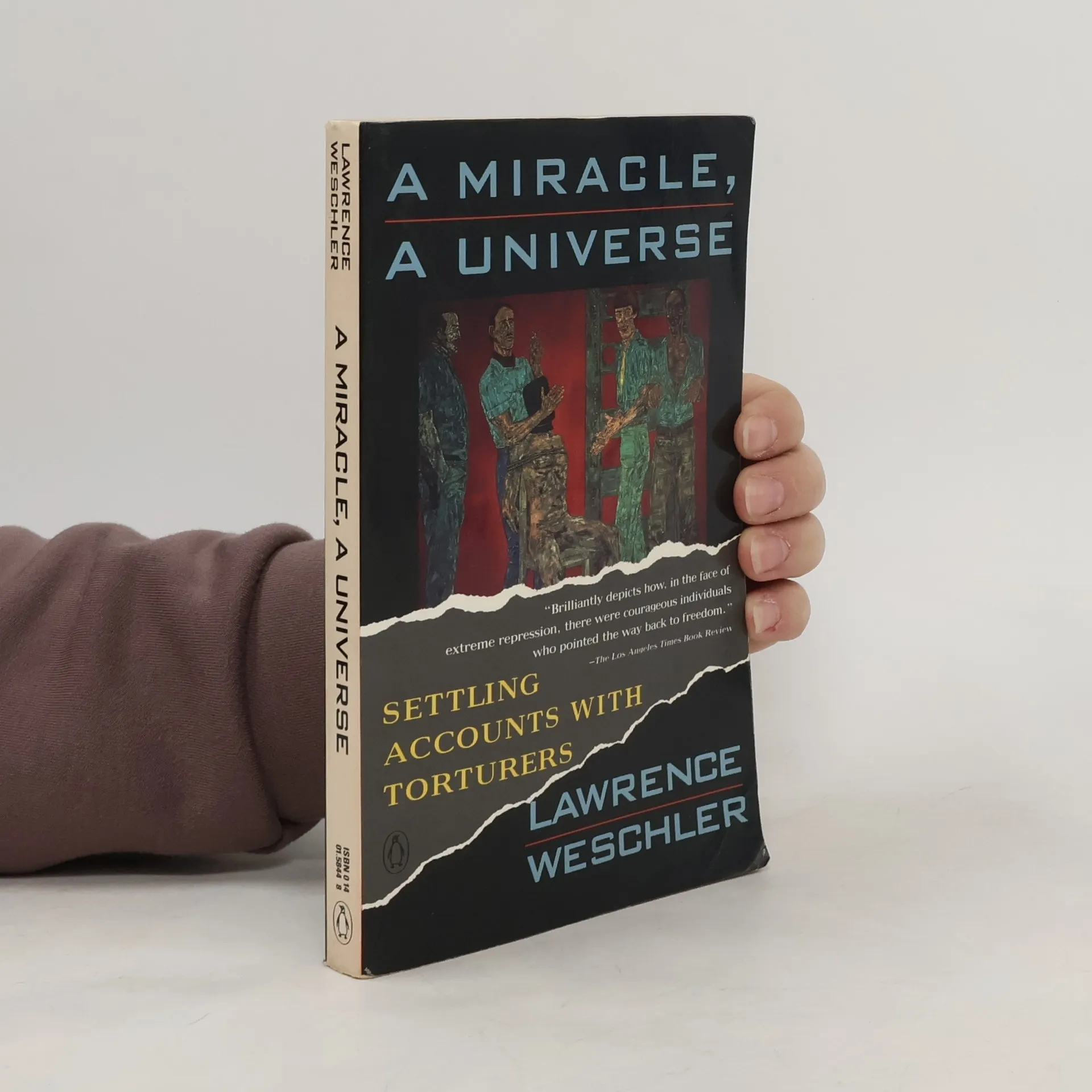
For the first time, New Yorker staff reporter Lawrence Weschler tells the courageous story of how against tremendous odds, torture victims and human rights activistsstice.
Lawrence Weschler excels at uncovering the extraordinary within the ordinary, revealing unexpected meanings in familiar narratives. This collection showcases two decades of his work, reflecting a diverse array of themes and concerns that touch on nearly every aspect of life. Each piece invites readers to experience a blend of disorientation and insight, highlighting Weschler's unique ability to transform the mundane into the remarkable.
Accompanying one of the most anticipated exhibitions of the past few years, this catalogue captures the grand scale and vibrant color of Hockney's work of the twenty-first century. In the past decade, having returned to England after years on the California coast, David Hockney has focused his attention on both landscapes and portraits, all the while maintaining his fascination with digital technology. The resulting work is a fanfare of color and light, ranging in dimension from billboard- to letter-size, and is the basis for a thrilling new exhibition that promises to become one of the most popular in recent memory. This lush and impeccably produced catalogue features over 100 full-color works of art from museum collections and Hockney's private studio, including such major new works as The Arrival of Spring in Woldgate Wood, The Bigger Message, and Bigger Yosemite. It also includes multiple-image galleries (spread over gatefolds) of some of his iPad drawings and self-portraits, plus film stills from the artist's "Cubist" movies. Hockney's own insight into this latest chapter of his career is found across the book's pages and is accompanied by thoughtful commentary by renowned critic Lawrence Weschler and art historian Sarah Howgate.
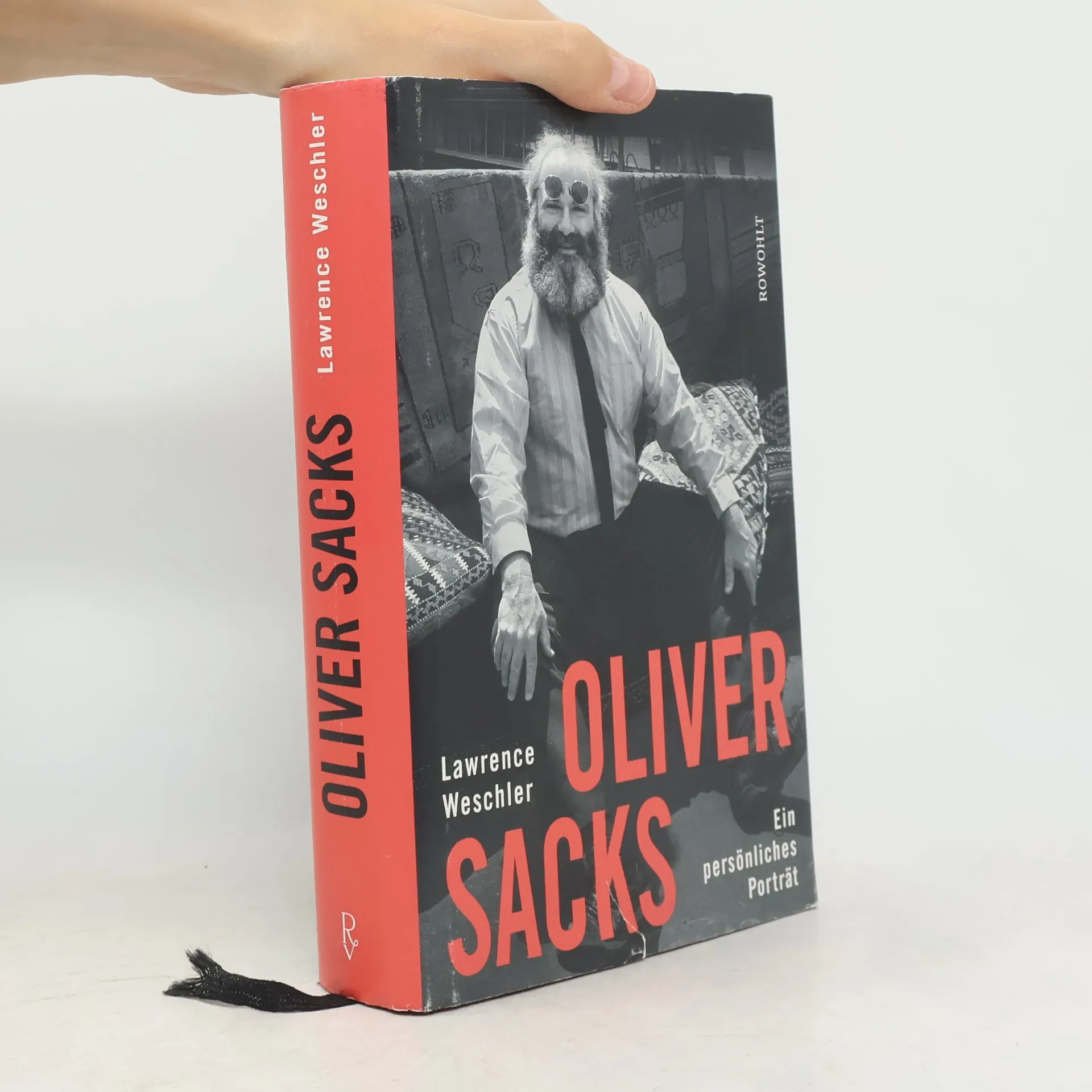
Er war ein großartiger Arzt und ein begnadeter Erzähler: Mit seinen Fallgeschichten hat Oliver Sacks Millionen Lesern ein neues, anderes Bild von Krankheit vermittelt. Voller Empathie und mit großer Fachkenntnis hat Sacks immer wieder Menschen beschrieben, deren Leben durch eine schwere Krankheit oder Behinderung geprägt wurde – und die unser Interesse und Mitgefühl verdienen. Schon 1981, als Sacks noch weitgehend unbekannt war, beschloss der Journalist Lawrence Weschler, die Biographie von Oliver Sacks zu schreiben. Er konnte ihn bei seiner täglichen Arbeit als Arzt erleben, begleitete ihn auf Reisen und führte zahlreiche intensive Gespräche mit ihm. Auf dieser Grundlage entstand eine sehr persönliche Nahaufnahme. Weschler erzählt ausführlich von der Entstehung der ersten Sacks-Bücher, die zu Bestsellern wurden, und verfolgt den Weg des Autors Oliver Sacks bis zu dessen Tod im Jahre 2015. Das einzigartige Porträt eines empathischen Menschenfreundes und Seelenforschers, der unser Bild von Krankheit und Gesundheit nachhaltig verändert hat.
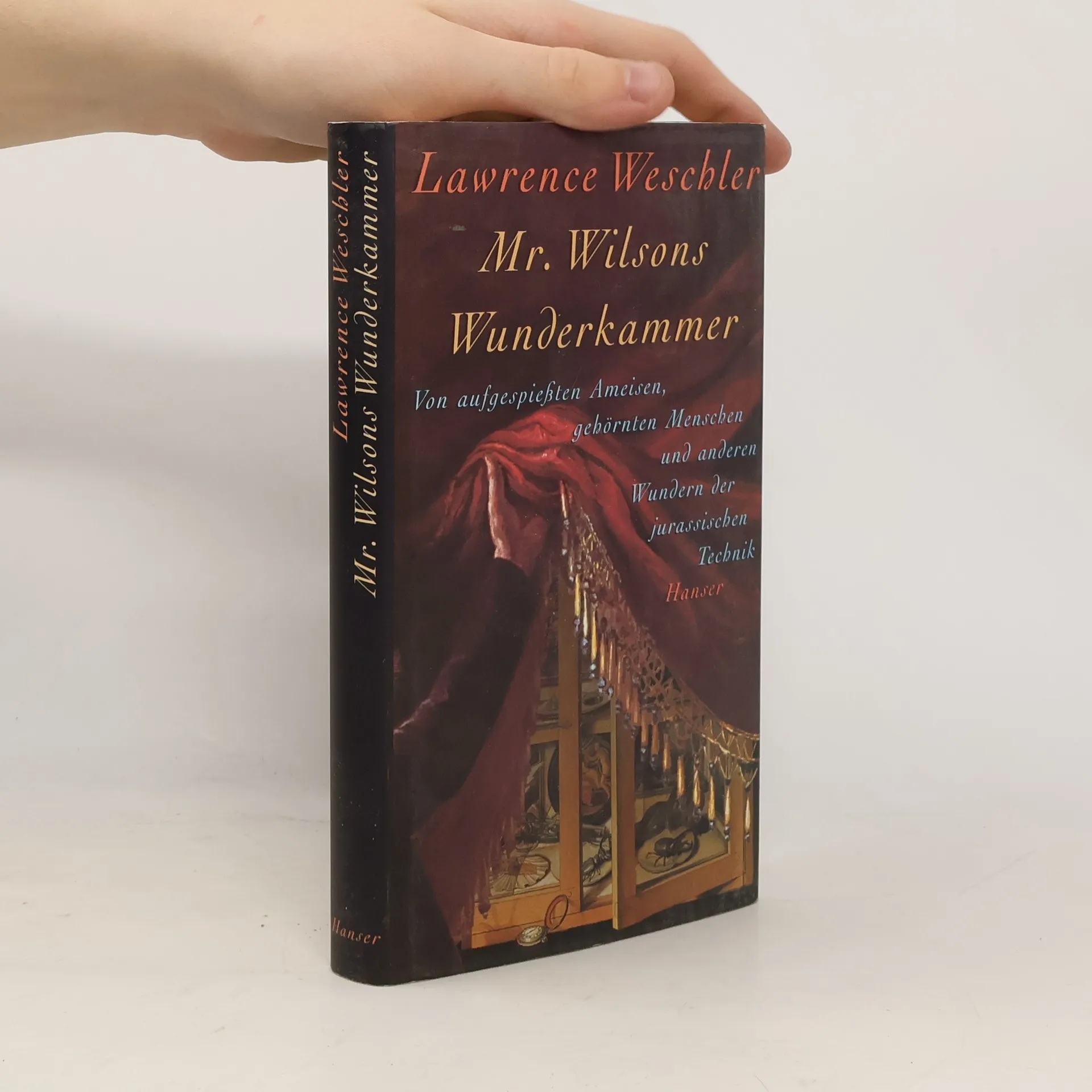
Von aufgespießten Ameisen, gehörnten Menschen und anderen Wundern der jurassischen Technik
184 páginas
7 horas de lectura
Mit großem Stil und Humor führt Weschler die Leser durch das Museum der Jurassischen Technologie und durch den Geist seines Kurators, David Wilson, einem Mann mit ungewöhnlicher Vorstellungskraft, der Ausstellungen wie sporenatmende Ameisen, Fledermäuse, die ultraviolette Frequenzen einsetzen, Pfirsichkern-Schnitzereien und andere Exponate präsentiert, die die manifeste Definition des Bizarren zu sein scheinen. Illustrationen.