

Bookbot

Sen Amartya

    3 de noviembre de 1933

    Amartya Sen es un distinguido economista indio cuyo trabajo profundiza en cuestiones sociales críticas, lo que le ha valido el reconocimiento mundial. Es especialmente conocido por su investigación pionera sobre las causas de las hambrunas, que condujo al desarrollo de estrategias prácticas para la seguridad alimentaria. Las contribuciones intelectuales de Sen se centran principalmente en la economía del bienestar y los desafíos que enfrentan los miembros más desfavorecidos de la sociedad. Sus profundas ideas conectan la economía y la filosofía, ofreciendo una perspectiva única sobre la justicia social y el desarrollo humano.

    Sen Amartya
    India Calling
    Home in the World: A Memoir
    Home in the World
    Rationality and Freedom
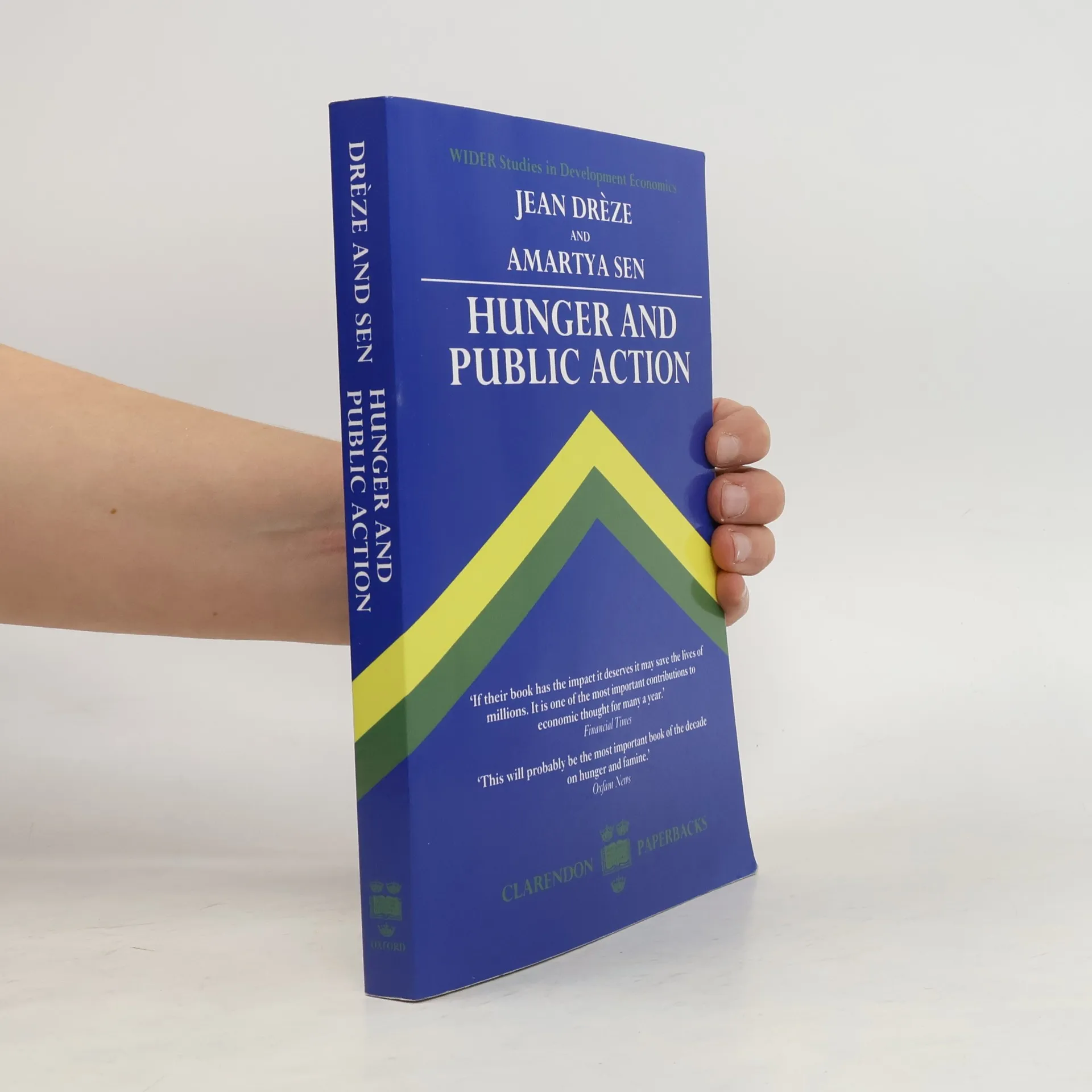
    Hunger and Public Action
    Desarrollo y libertad - 1. Ed.
    • Desarrollo y libertad - 1. Ed.

      • 440 páginas
      • 16 horas de lectura

      By the winner of the 1998 Nobel Prize in Economics, an essential and paradigm-altering framework for understanding economic development—for both rich and poor—in the twenty-first century. Freedom, Sen argues, is both the end and most efficient means of sustaining economic life and the key to securing the general welfare of the world's entire population. Releasing the idea of individual freedom from association with any particular historical, intellectual, political, or religious tradition, Sen clearly demonstrates its current applicability and possibilities. In the new global economy, where, despite unprecedented increases in overall opulence, the contemporary world denies elementary freedoms to vast numbers—perhaps even the majority of people—he concludes, it is still possible to practically and optimistically regain a sense of social accountability. Development as Freedom is essential reading.
      Desarrollo y libertad - 1. Ed.
      4,1
    • Examining the problem of hunger in the modern world and the role public opinion might play in combating it, Drèze and Sen here provide a coherent perspective on the complex nutritional, economic, social, and political issues involved in the analysis of hunger. They explore famine prevention through a series of case studies in Africa and elsewhere, and discuss the problem of chronic undernourishment. Sen was awarded the second Agnelli Prize for the Ethical Dimension in Advanced Societies in March 1990 in recognition of his outstanding contribution to the understanding of the ethical dimension in modern society.

      Hunger and Public Action
      4,3
    • Rationality and Freedom

      • 752 páginas
      • 27 horas de lectura

      Exploring the intricate relationship between rationality and freedom, this first volume by esteemed economist and philosopher Amartya Sen delves into these complex concepts within philosophy and social sciences. Sen offers clarity and insight into how these ideas influence justice, setting the stage for a deeper understanding in the subsequent volume. Through his analysis, he challenges conventional notions and encourages readers to rethink the significance of rationality in the pursuit of freedom.

      Rationality and Freedom
      4,2
    • Where is 'home'? For Amartya Sen, home encompasses various places: Dhaka in modern Bangladesh, Santiniketan where he was raised by his grandparents, Calcutta where he studied economics and engaged in student movements, and Trinity College, Cambridge, where he arrived at nineteen. He vividly recreates the atmosphere of each location. Central to his development was the intellectually stimulating school in Santiniketan, founded by Rabindranath Tagore, who bestowed upon him the name Amartya. Engaging conversations in the renowned Coffee House on College Street in Calcutta further shaped his thinking. As an undergraduate at Cambridge, he interacted with many leading intellectuals of the time. This narrative intertwines ideas—particularly those of Marx, Keynes, and Arrow—with personal experiences. In a memorable chapter, Sen reflects on 'the rivers of Bengal' that he traveled with his parents between Dhaka and their ancestral villages. The book explores Bengal's rich culture and the political tensions of Hindu-Muslim relations, alongside Sen's firsthand experience of the devastating 1943 Bengal famine. The imprisonment of some family members for opposing British rule highlights the complex relationship between Britain and India, another central theme. Remarkably, forty-five years after his arrival at Trinity, Sen became its Master.

      Home in the World
      4,2
    • Home in the World: A Memoir

      • 480 páginas
      • 17 horas de lectura

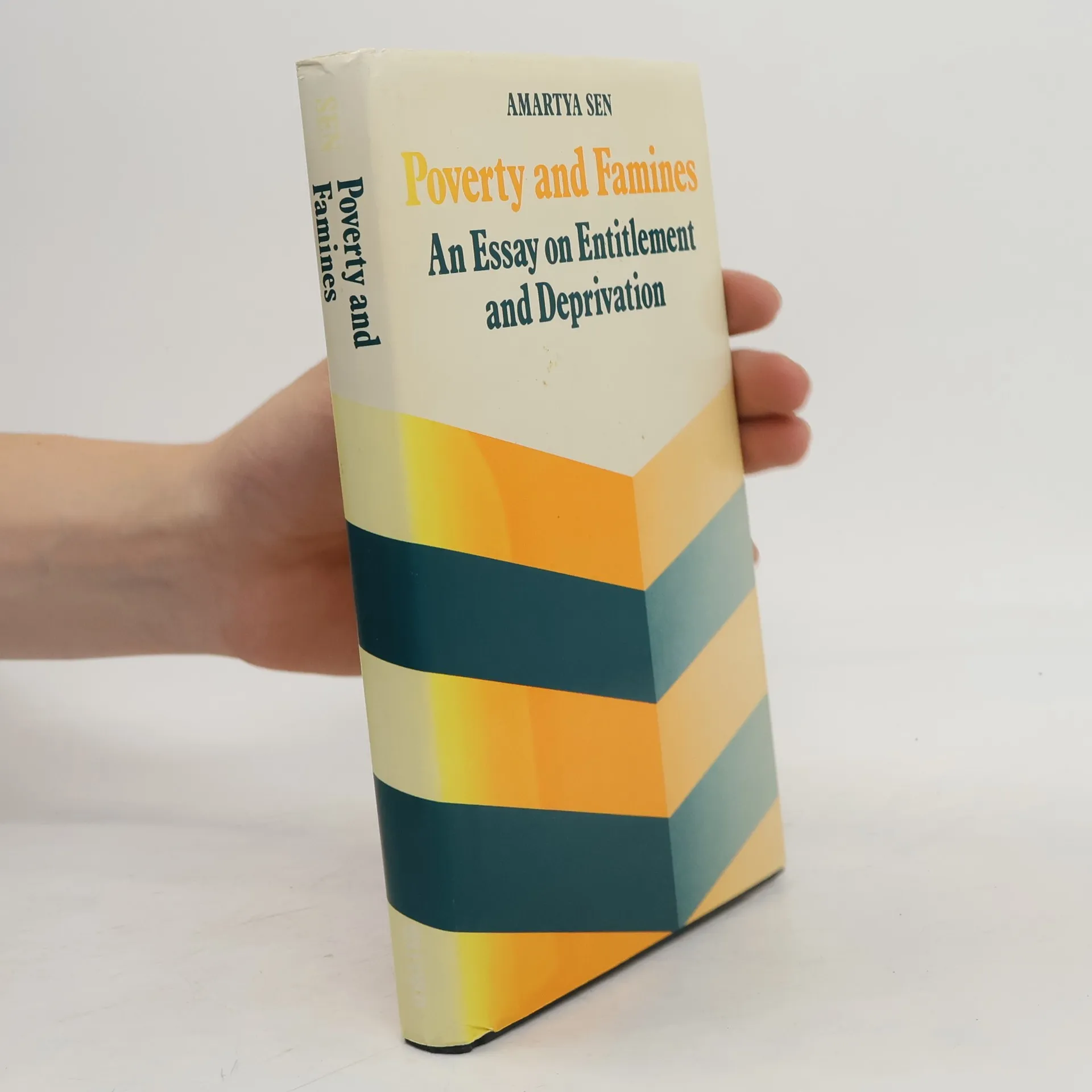
      Amartya Sen, a Nobel laureate and esteemed global intellectual, is renowned for his influential contributions to economics, particularly regarding poverty and famine, shaped by his experiences in West Bengal, India. His diverse life journey includes significant ties to Dhaka, Kolkata, and Trinity College, Cambridge, where he interacted with prominent thinkers of his time. This rich background informs his perspectives and insights, making him a pivotal figure in understanding economic challenges worldwide.

      Home in the World: A Memoir
      4,2
    • India Calling

      An Intimate Portrait of a Nation's Remaking

      • 306 páginas
      • 11 horas de lectura

      Reversing his parent's immigrant path, a young American-born writer returns to India and discovers an old country making itself new.

      India Calling
      4,0
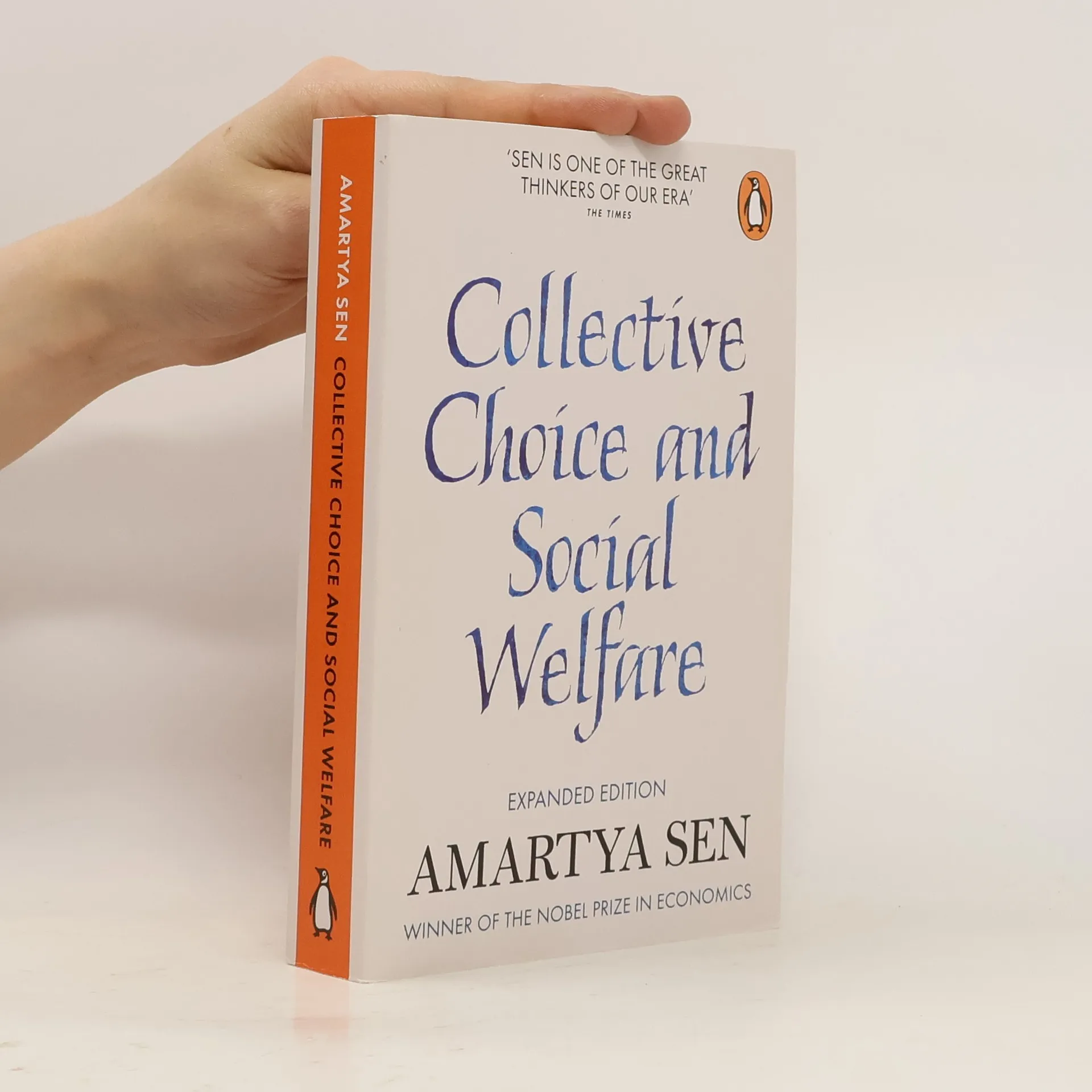
    • Collective Choice and Social Welfare

      • 640 páginas
      • 23 horas de lectura

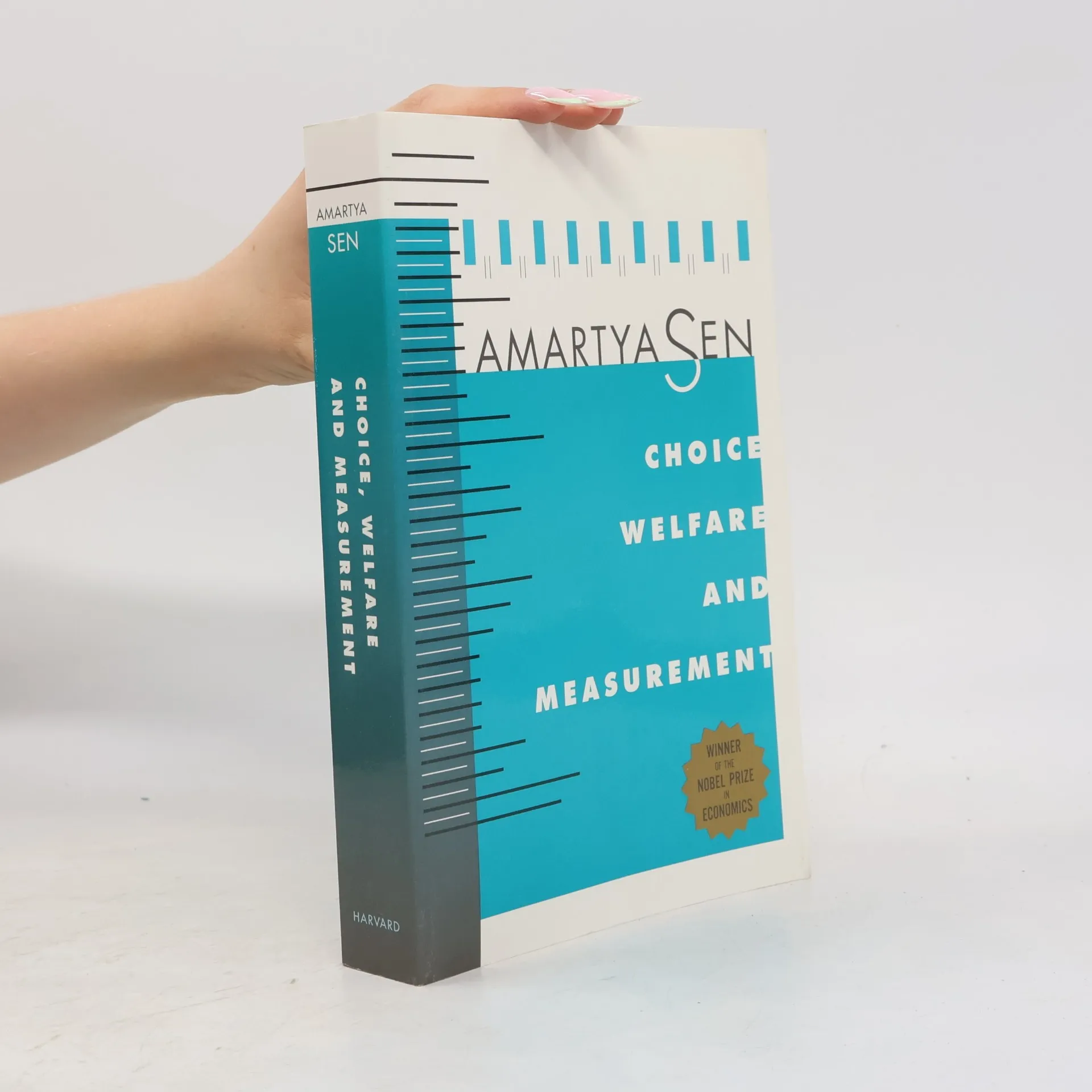
      With his masterly prose, ease of erudition and ironic humour, Sen is one of the few great world intellectuals on whom we may rely to make sense out of our existential confusion Nadime Gordimer

      Collective Choice and Social Welfare
      4,0
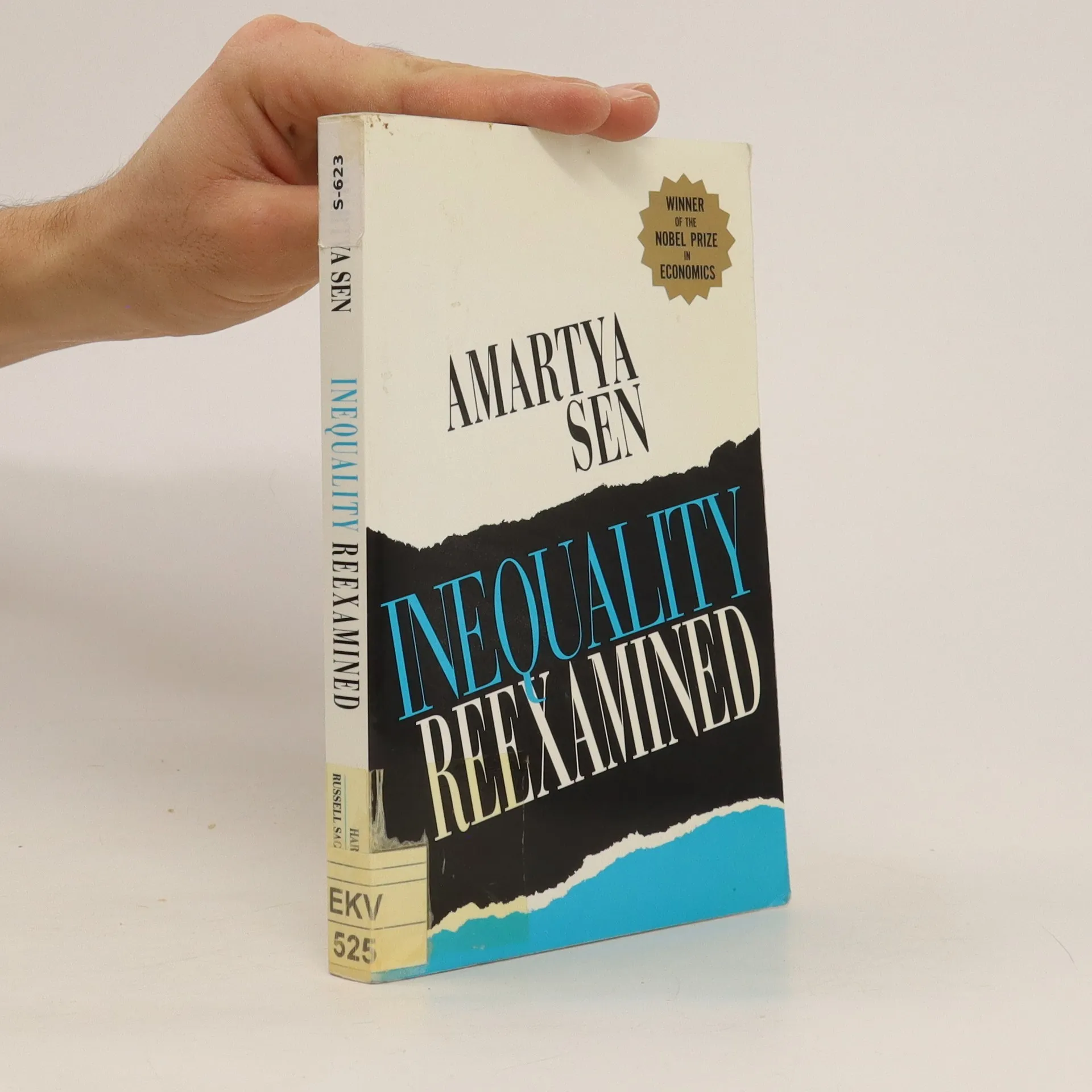
    • In this deft analysis, Amartya Sen argues that the dictum all men are created equal serves largely to deflect attention from the fact that we differ in age, gender, talents, physical abilities as well as in material advantages and social background. He argues for concentrating on higher and more basic values: individual capabilities and freedom to achieve objectives.

      Inequality Reexamined
      4,1
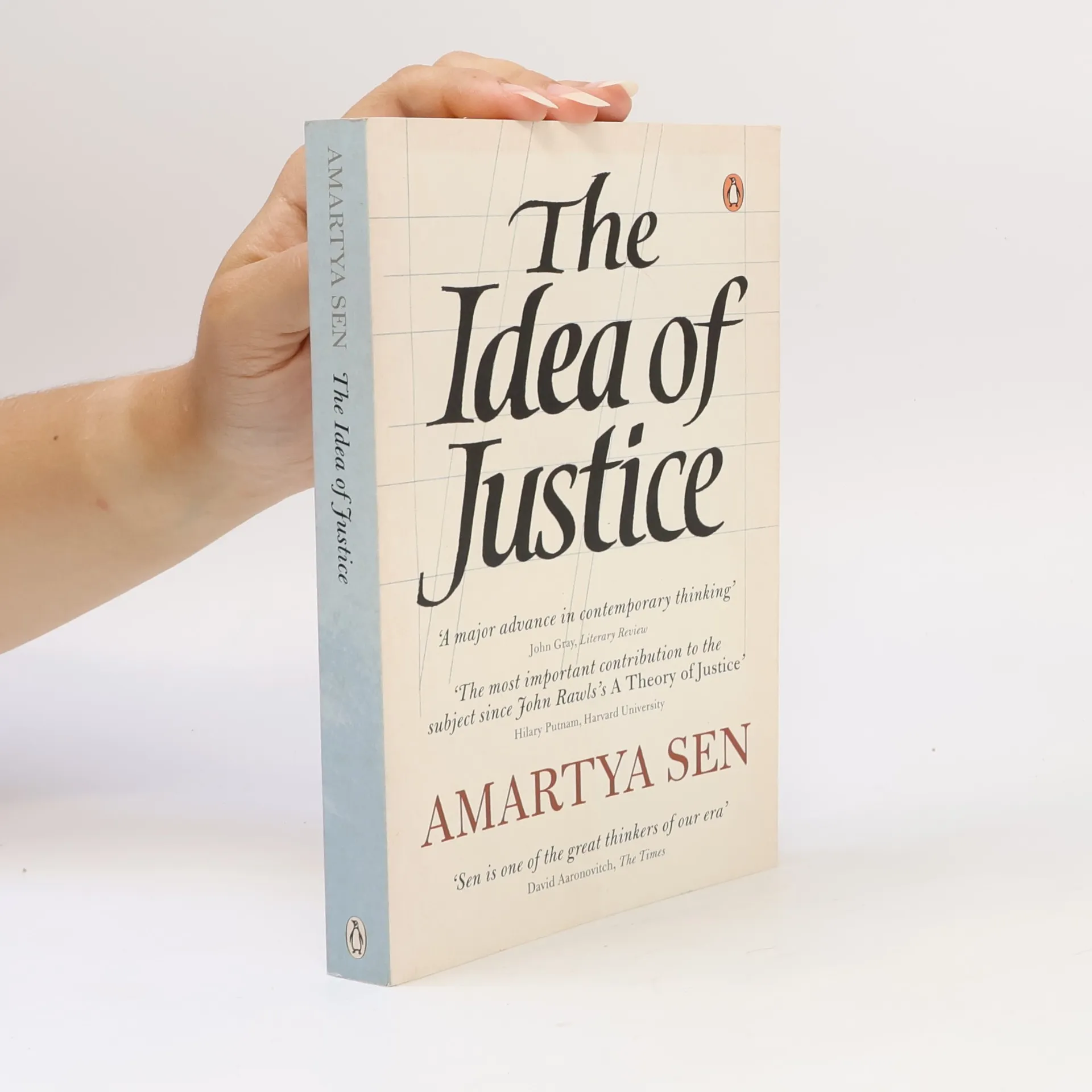
    • Presents an analysis of what justice is, the transcendental theory of justice and its drawbacks, and a persuasive argument for a comparative perspective on justice that can guide us in the choice between alternatives

      The Idea of Justice
      4,0
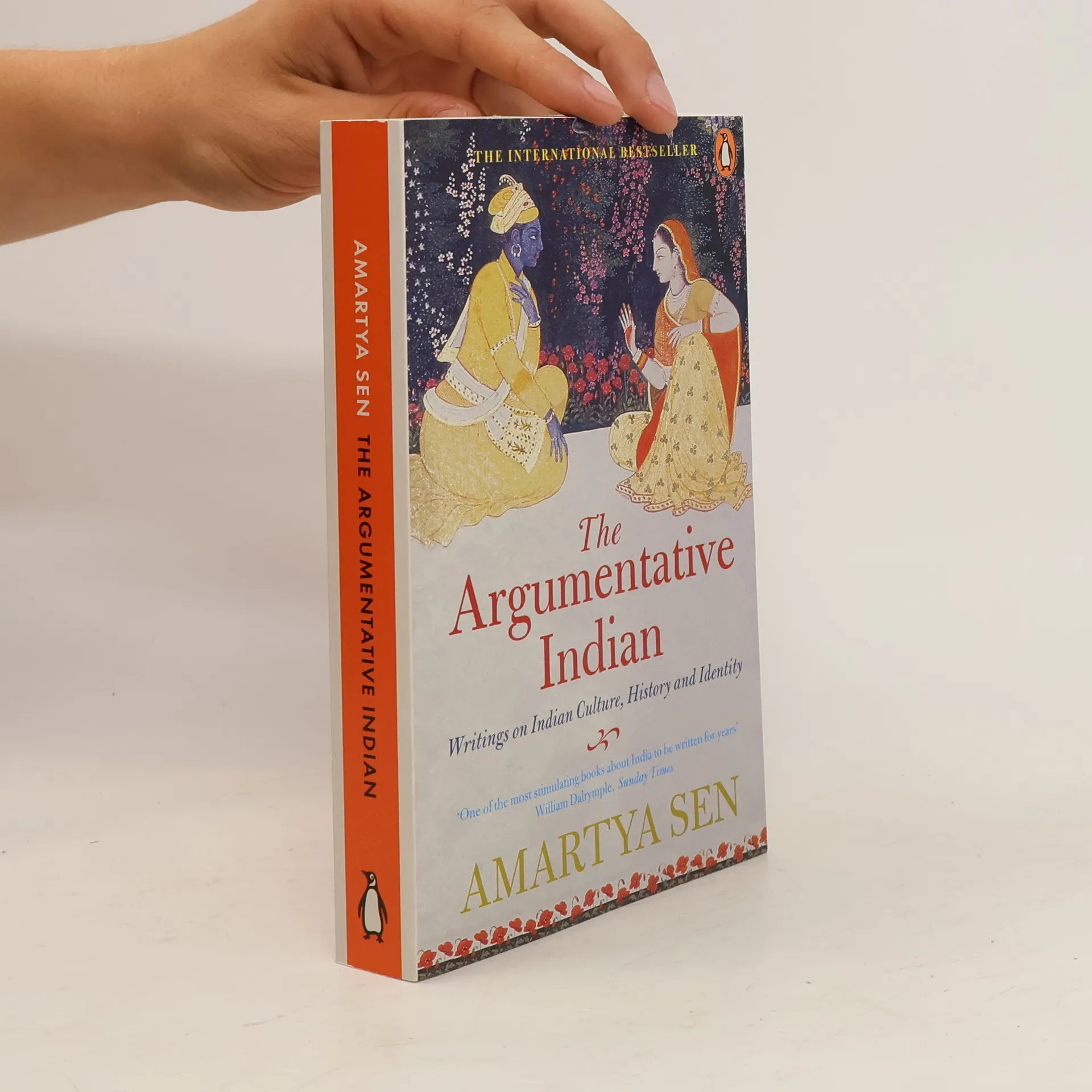
    • India is a very diverse country with many distinct pursuits, vastly different convictions, widely divergent customs, and a veritable feast of viewpoints. The Argumentative Indian brings together an illuminating selection of writings from Nobel prize-winning economist Amartya Sen that outline the need to understand contemporary India in the light of its long argumentative tradition. The understanding and use of this rich argumentative tradition are critically important, Sen argues, for the success of India�s democracy, the defence of its secular politics, the removal of inequalities related to class, caste, gender and community, and the pursuit of sub-continental peace.

      The argumentative Indian : writings on Indian history, culture and identity
      3,8