Katie Roiphe profundiza en temas complejos y a menudo controvertidos, particularmente en lo que respecta a la sexualidad, la moral y el feminismo. Su escritura se caracteriza por un enfoque provocador y directo que desafía a los lectores a cuestionar las normas y expectativas sociales. A través de sus obras, explora las complejidades de las relaciones humanas y los dilemas morales con una aguda perspicacia. Roiphe aborda sus temas con rigor intelectual, junto con una notable capacidad para involucrar al lector en sus reflexiones.
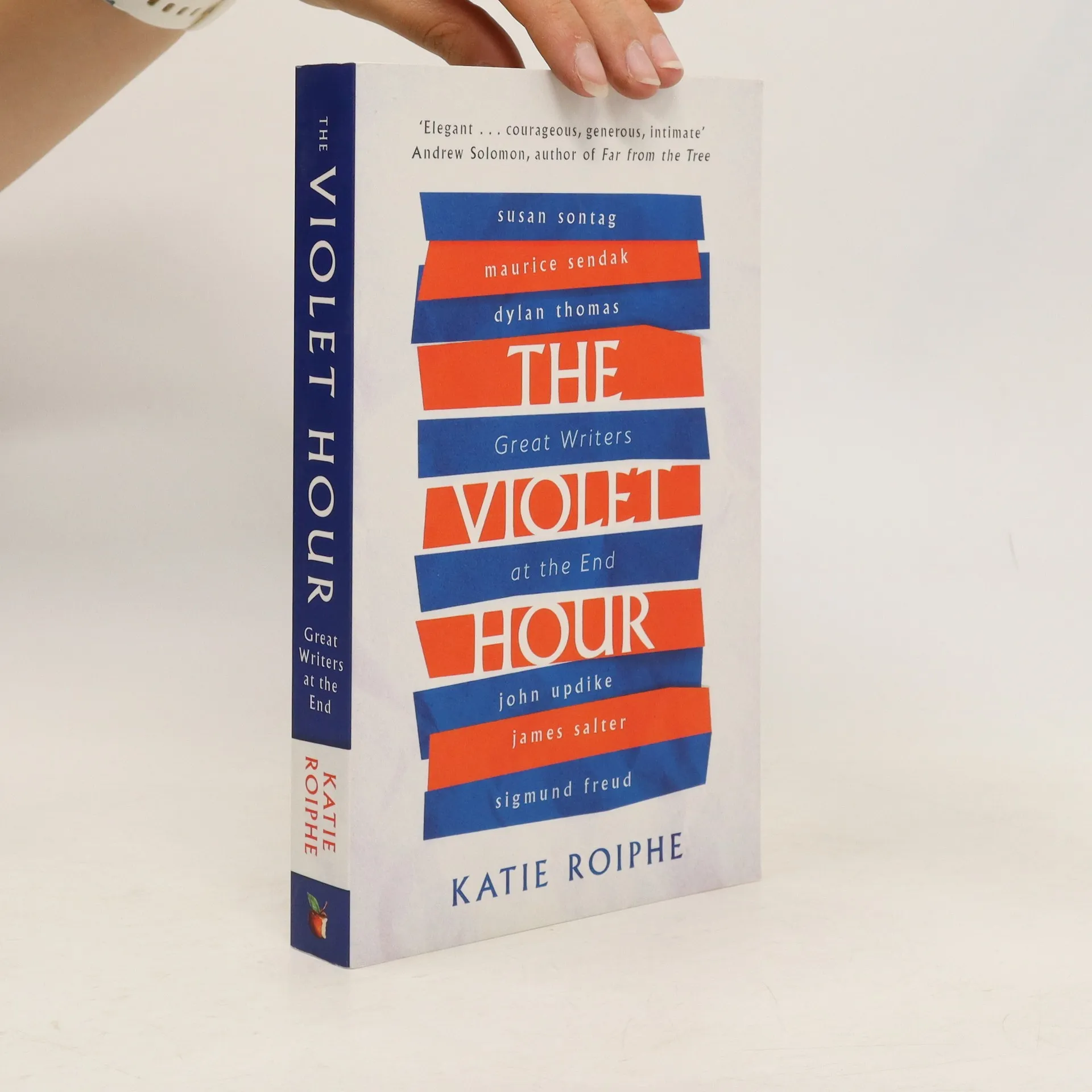
From one of our most perceptive and provocative voices comes a deeply researched account of the last days of Susan Sontag, Sigmund Freud, John Updike, Dylan Thomas, Maurice Sendak and James Salter - an arresting and wholly original meditation on mortality.
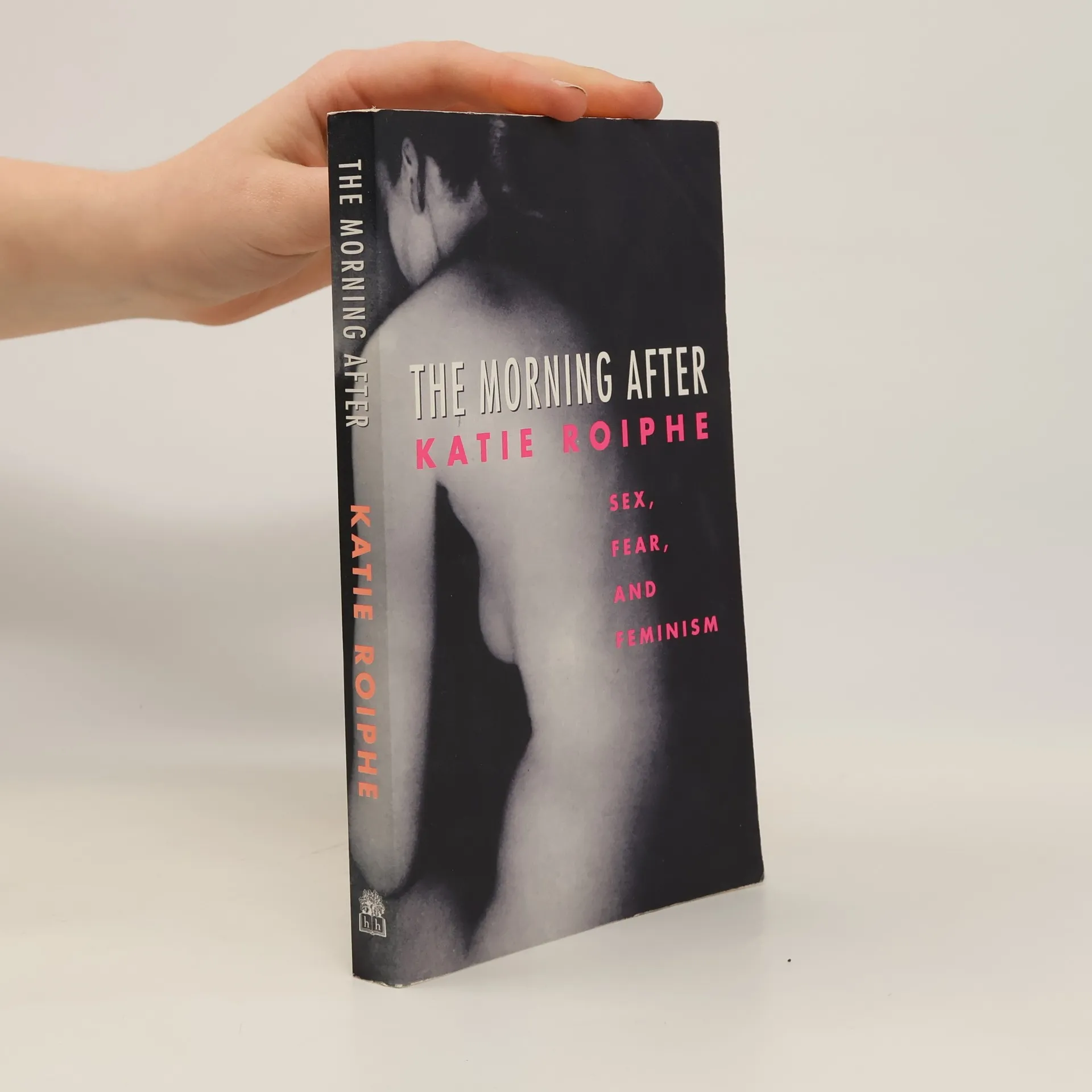
When Katie Roiphe arrived at Harvard in 1986, she found that the feminism she had been raised to believe in had radically transformed. The women's movement, once a symbol of strength, now seemed rooted in weakness and fear. At Harvard and later at Princeton, Roiphe observed a new campus culture focused on victimization and outdated notions of male-female sexual dynamics. Men were portrayed as silencers and women as silenced, with dissenting voices largely absent. At just 24, Roiphe became the first of her generation to publicly challenge the intolerant direction of the women's movement. In her critique, she examines the mating rituals within a rape-sensitive community, labeling Take Back the Night marches as "march as therapy" and highlighting the rise of rape-crisis feminists and concerns about sexual harassment. She reveals a generation of women whose values mirror those their predecessors fought to escape—yearning for regulation, fearful of their sexuality, and nostalgic for a time of greater social control. Roiphe's work serves as both a fierce critique of establishment feminism and a passionate call to reflect on the past and envision a more empowered future for women of all ages.
AUTOR: Katie Roiphe promovierte in Princeton in Englischer Literatur. NAch Artikeln und Büchern über Sexualität und Feminismus ist dies ihr erster Roman. Sie schreibt für Harper´s, den Esquire, die New York Times und die Washington Post. Katie Roiphe lebt in New York.
Wir meiden Weißmehlprodukte und raffinierten Zucker, gehen zum Yoga, und wenn es in der Beziehung nicht läuft, machen wir eine Paartherapie. Wir haben klare Ansichten, was richtig und was falsch ist, und danach handeln wir. Dennoch sind wir fasziniert von TV-Serien wie „Mad Men“ und dem ungesunden, in jeder Hinsicht unaufgeräumten Lebensstil, der dort zelebriert wird. Woher rührt diese Sehnsucht nach dem unaufgeräumten Leben, und was sagt sie über uns und unsere Zeit aus? Katie Roiphe gilt als eine der scharfsinnigsten und zugleich kontroversesten jungen Feministinnen der USA. In ihrem neuen, von der Kritik gefeierten Essayband schreibt sie über Politik und Popkultur, über Scheidungen und Helikoptereltern, über Facebook und Susan Sontag. Ihre Beobachtungen sind genau, ihre Schlussfolgerungen provokant, häufig überraschend und immer brillant formuliert.