

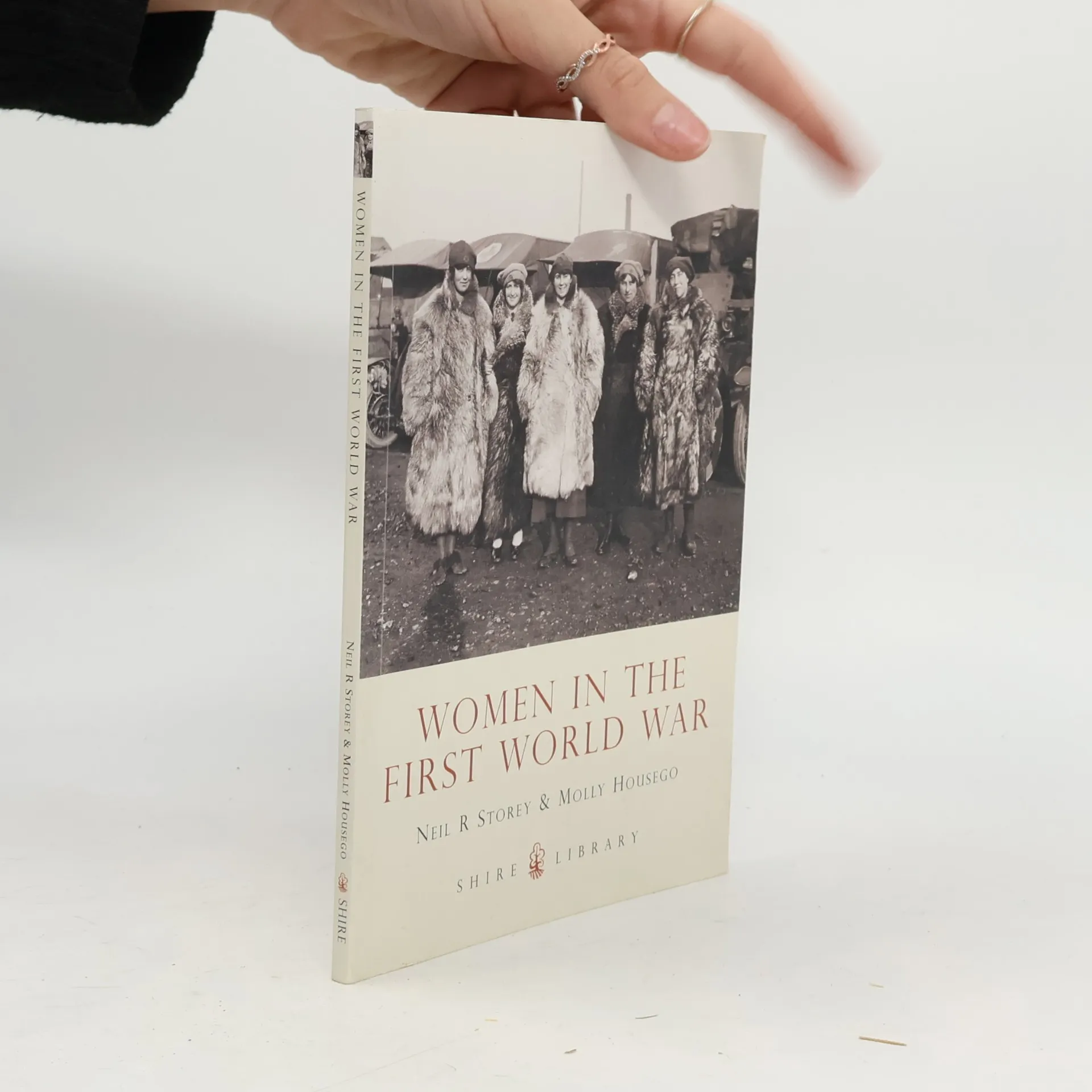
Women in the First World War
Autores
Más información sobre el libro
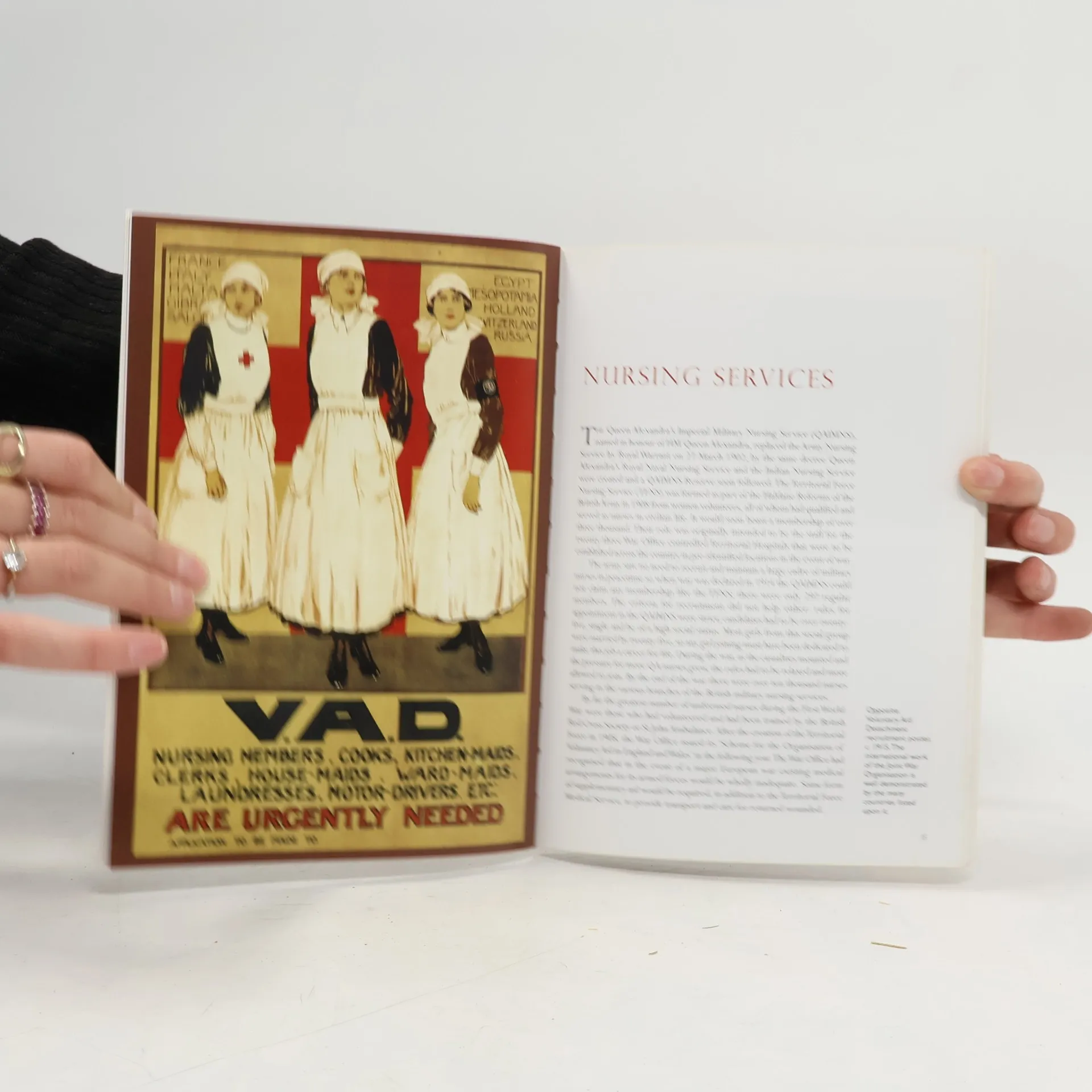
The First World War was the conduit for some of the most dramatic changes in the role of women in British society. Suffragettes gave up their militant protests to support the war effort, and from the moment war broke out women were ready; many had already trained as military and Voluntary Aid Detachment nurses. As more and more men left to serve in the armed forces more and more jobs, most of them pre-war preserves of men, were taken over by women, from postal deliveries to tram clippies, and delivery drivers to land workers. The public outcry over the 'Shells Scandal' of 1915 led to unprecedented pressure to employ more women. The women were willing and 30,000 of them voiced their demand in one of the largest protest marches through London under the banner of 'We demand the right to serve.' And so they did, as the munitions factories expanded, and by the end of the war new military units such as the WAAC, WReNS and WRAF were created.Told through historical documents, memoirs, photographs, uniforms and ephemera the authors present a study in empathy of those dramatic times, from women serving as nurses both at home and on the frontlines, to serving in weapons and other factories throughout Britain, to the uniforms and legacies of these brave volunteers.
Compra de libros
Women in the First World War, Neil R. Storey, Molly Housego
- Idioma

- Publicado en
- 2010
- Encuadernación
- (Tapa blanda),
- Estado del libro
- Bueno
- Precio
- 9,39 €
Métodos de pago
Nadie lo ha calificado todavía.
- Título
- Women in the First World War
- Idioma
- Inglés
- Autores
- Neil R. Storey, Molly Housego
- Editorial
- Shire Publications
- Publicado en
- 2010
- Formato
- Tapa blanda
- Páginas
- 63
- ISBN10
- 0747807523
- ISBN13
- 9780747807520
- Serie
- Categorías
- Etiquetas
- Mujeres, Siglo XX, Europa, Gran Bretaña, Historia de Europa, Primera Guerra Mundial (1914–1918)
- Descripción
- The First World War was the conduit for some of the most dramatic changes in the role of women in British society. Suffragettes gave up their militant protests to support the war effort, and from the moment war broke out women were ready; many had already trained as military and Voluntary Aid Detachment nurses. As more and more men left to serve in the armed forces more and more jobs, most of them pre-war preserves of men, were taken over by women, from postal deliveries to tram clippies, and delivery drivers to land workers. The public outcry over the 'Shells Scandal' of 1915 led to unprecedented pressure to employ more women. The women were willing and 30,000 of them voiced their demand in one of the largest protest marches through London under the banner of 'We demand the right to serve.' And so they did, as the munitions factories expanded, and by the end of the war new military units such as the WAAC, WReNS and WRAF were created.Told through historical documents, memoirs, photographs, uniforms and ephemera the authors present a study in empathy of those dramatic times, from women serving as nurses both at home and on the frontlines, to serving in weapons and other factories throughout Britain, to the uniforms and legacies of these brave volunteers.