

Compra 10 libros por 10 € aquí!
Bookbot

Neil R. Storey

    Neil R. Storey es un historiador y conferenciante profesional especializado en el estudio del impacto de la guerra en la sociedad británica durante la primera mitad del siglo XX. Su obra examina cómo los conflictos militares moldearon la sociedad británica a lo largo de este turbulento período. Los análisis de Storey profundizan en las ramificaciones sociales, culturales y políticas de estos acontecimientos. Su enfoque ofrece a los lectores una comprensión más profunda de las fuerzas históricas que influyeron en la vida de las personas.

    Britain's Coast at War
    Newcastle and Tyneside in the Second World War
    The Blackout Murders
    The Home Front in World War Two
    Beating the Nazi Invader
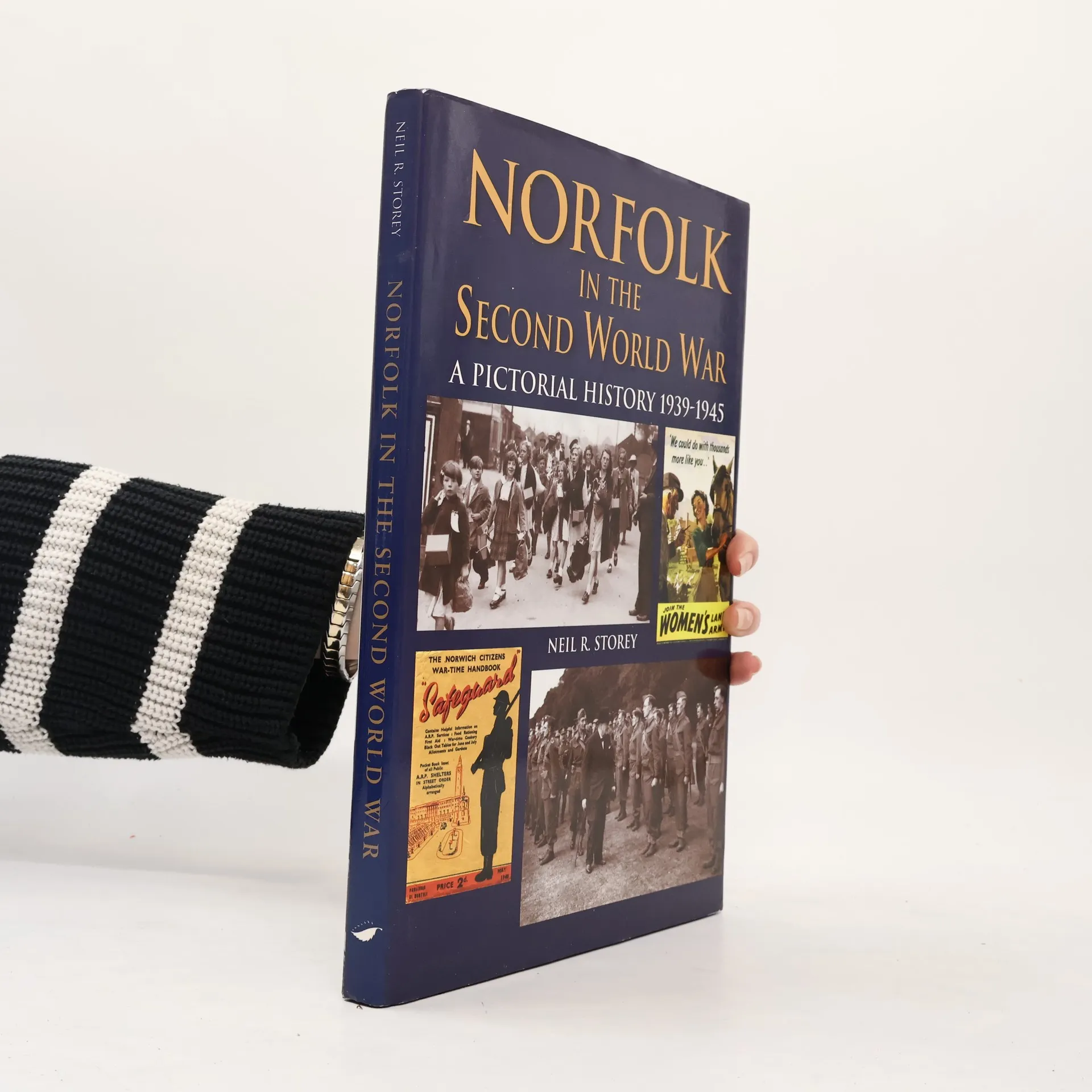
    Norwich in the Second World War
    • The Second World War was fought not only in the skies above Kent, but also in the streets and front rooms of the nation. Air Raid Wardens, Land Girls and members of the WI formed just a part of the Home Front that would help bring Britain victory.

      The Home Front in World War Two
    • Neil Storey's research sheds new light on wartime homicides and reveals a compelling case to finally identify the Colne Strangler after 80 years of the Lancashire murder remaining unsolved.

      The Blackout Murders
    • An account of conditions on the Home Front in Newcastle and Tyneside during the Second World War. Featuring previously unpublished photographs and first hand accounts, it tells the moving story of survival and struggle during this devastating conflict.

      Newcastle and Tyneside in the Second World War
    • Wartime Industry

      • 64 páginas
      • 3 horas de lectura

      An illustrated introduction into industrial life in Britain, as the nation geared up to meet the wartime demand for munitions, armor , shipping, uniforms and aircraft.In 1939 Britain was pitched into a war on the Continent for which it was ill-prepared, starting the fight against the Nazis on the back foot. As the nation stood alone against Fortress Europe, it desperately needed to turn all of its industrial might firstly to defending itself and then to expelling Axis troops from occupied countries. Peacetime factories such as car plants were turned to aircraft and tank production; the railway network was timetabled around military needs; and women were brought in to work in factories and shipyards, to fell timber and to bring in the crops. This beautifully illustrated book shows how every aspect of industrial life was coordinated to equip the fight for victory, and how Britain made it.

      Wartime Industry
    • The Little Book of Suffolk is a repository of intriguing, fascinating, obscure, strange and entertaining facts and trivia about one of England's most colourful counties. It is an essential to the born and bred Suffolk folk or anyone who knows and loves the county. Armed with this fascinating tome the reader will have such knowledge of the county, its landscape, people, places, pleasures and pursuits they will be entertained and enthralled and never short of some frivolous fact to enhance conversation or quiz! A reference book and a quirky guide, this can be dipped in to time and time again to reveal something new about the people, the heritage, the secrets and the enduring fascination of the county. A remarkably engaging little book, this is essential reading for visitors and locals alike.

      The Little Book of Suffolk
    • UFOs in Britain

      • 160 páginas
      • 6 horas de lectura

      The book explores the intriguing history of UFO sightings in Britain, tracing reports from the early 1900s to contemporary times. It delves into various incidents, cultural impacts, and the evolution of public perception regarding unidentified flying objects. Through detailed accounts and analysis, the narrative reveals how these sightings have shaped societal beliefs and sparked curiosity across generations.

      UFOs in Britain
    • Animals in the Second World War

      • 64 páginas
      • 3 horas de lectura

      How animals from dogs and horses to pigeons helped in the 1939—45 war effort, including saving buried blitz victims and delivering top-secret messages.

      Animals in the Second World War