

Parámetros
- 512 páginas
- 18 horas de lectura
Más información sobre el libro
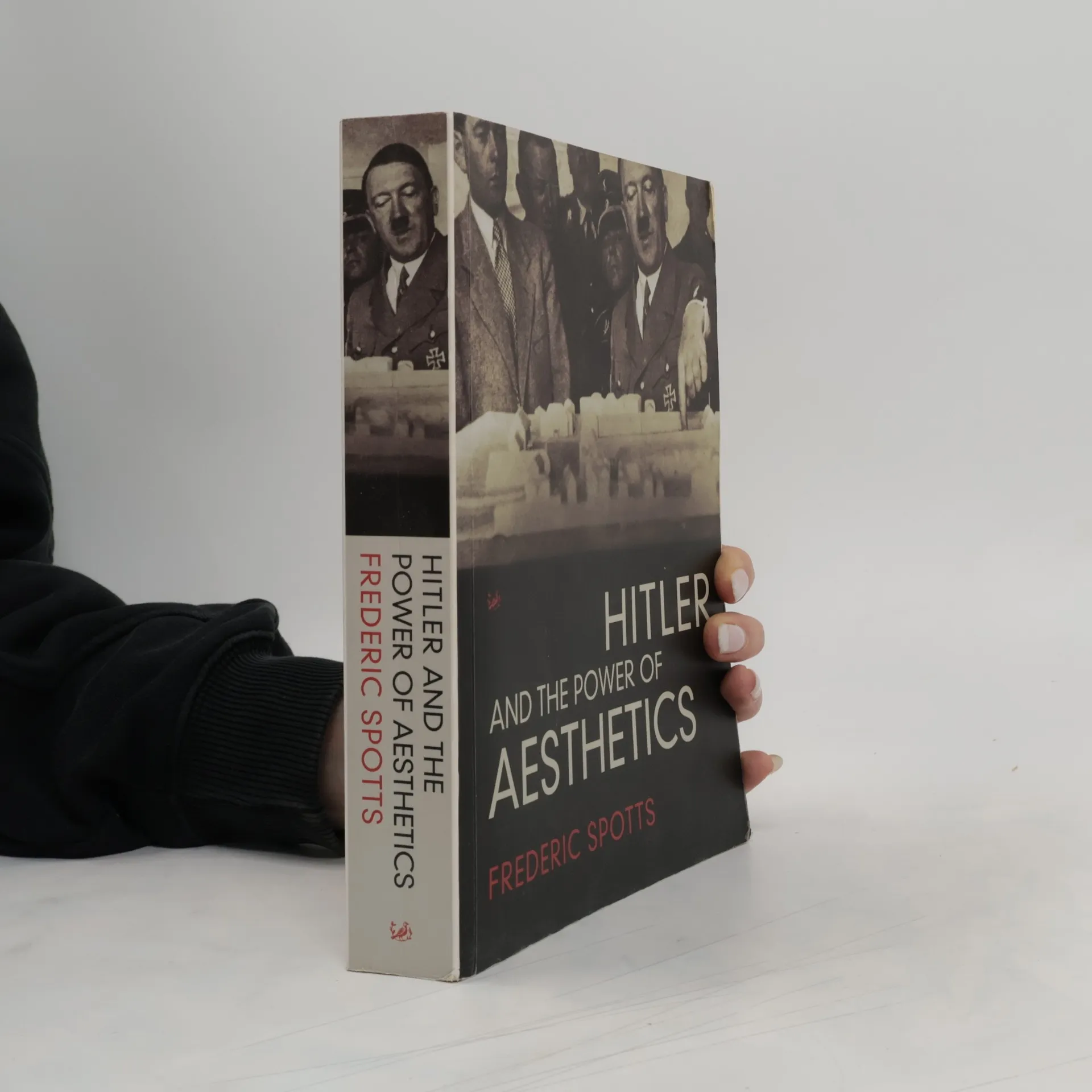
"Frederic Spotts develops a radical new interpretation of Hitler's character and actions which sees an obsessive artistry as the driving force behind his career and his hold over the German people. Hitler's aim was the Aryan super-state, but it was to be expressed as much in art as in politics. Culture was not only the end, to which power should aspire, but the means of achieving it. This fundamental reassessment both of Hitler's career and of artistic life in the Third Reich shows that the arts were at the centre of his life and that he was at the centre of the arts. He dissolved the line between art and politics and - through spectacles, parades, festivals, rallies, political theatrics and even architecture - turned the entire German nation into participants in his National Socialist drama




Compra de libros
Hitler and the Power of Aesthetics, Frederic Spotts
- Idioma

- Publicado en
- 2003
- Encuadernación
- (Tapa blanda)
Métodos de pago
Nos falta tu reseña aquí
- Título
- Hitler and the Power of Aesthetics
- Idioma
- Inglés
- Autores
- Frederic Spotts
- Editorial
- Pimlico
- Publicado en
- 2003
- Formato
- Tapa blanda
- Páginas
- 512
- ISBN10
- 0712667881
- ISBN13
- 9780712667883
- Serie
- Categorías
- Etiquetas
- Tema histórico, Arte, Política, Alemania, Segunda Guerra Mundial, Nazismo, Adolf Hitler
- Primera publicación
- 2007
- Título original
- Hitler and the Power of Aesthetics
- Calificación
- 4,35 de 5
- Descripción
- "Frederic Spotts develops a radical new interpretation of Hitler's character and actions which sees an obsessive artistry as the driving force behind his career and his hold over the German people. Hitler's aim was the Aryan super-state, but it was to be expressed as much in art as in politics. Culture was not only the end, to which power should aspire, but the means of achieving it. This fundamental reassessment both of Hitler's career and of artistic life in the Third Reich shows that the arts were at the centre of his life and that he was at the centre of the arts. He dissolved the line between art and politics and - through spectacles, parades, festivals, rallies, political theatrics and even architecture - turned the entire German nation into participants in his National Socialist drama