

Parámetros
- 96 páginas
- 4 horas de lectura
Más información sobre el libro
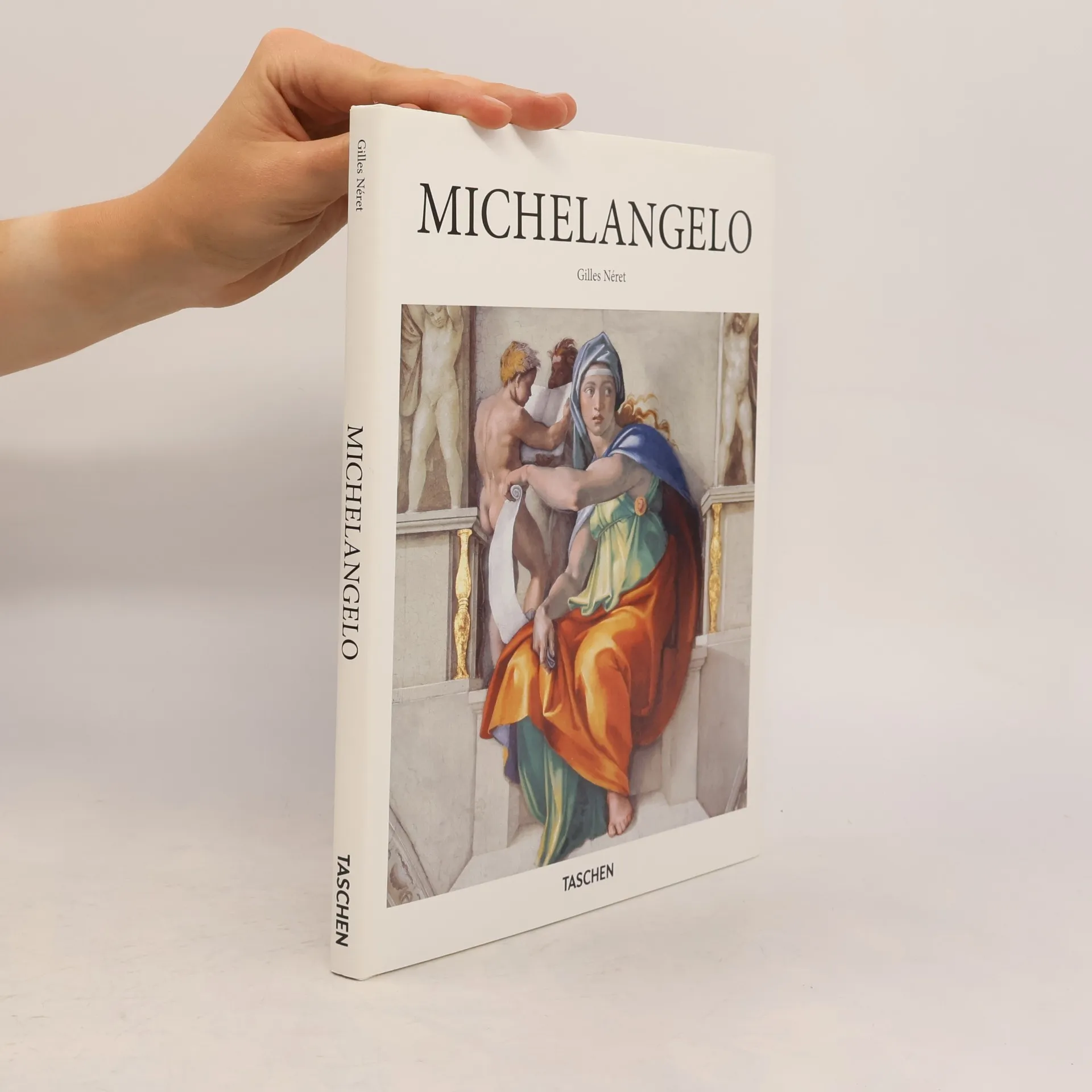
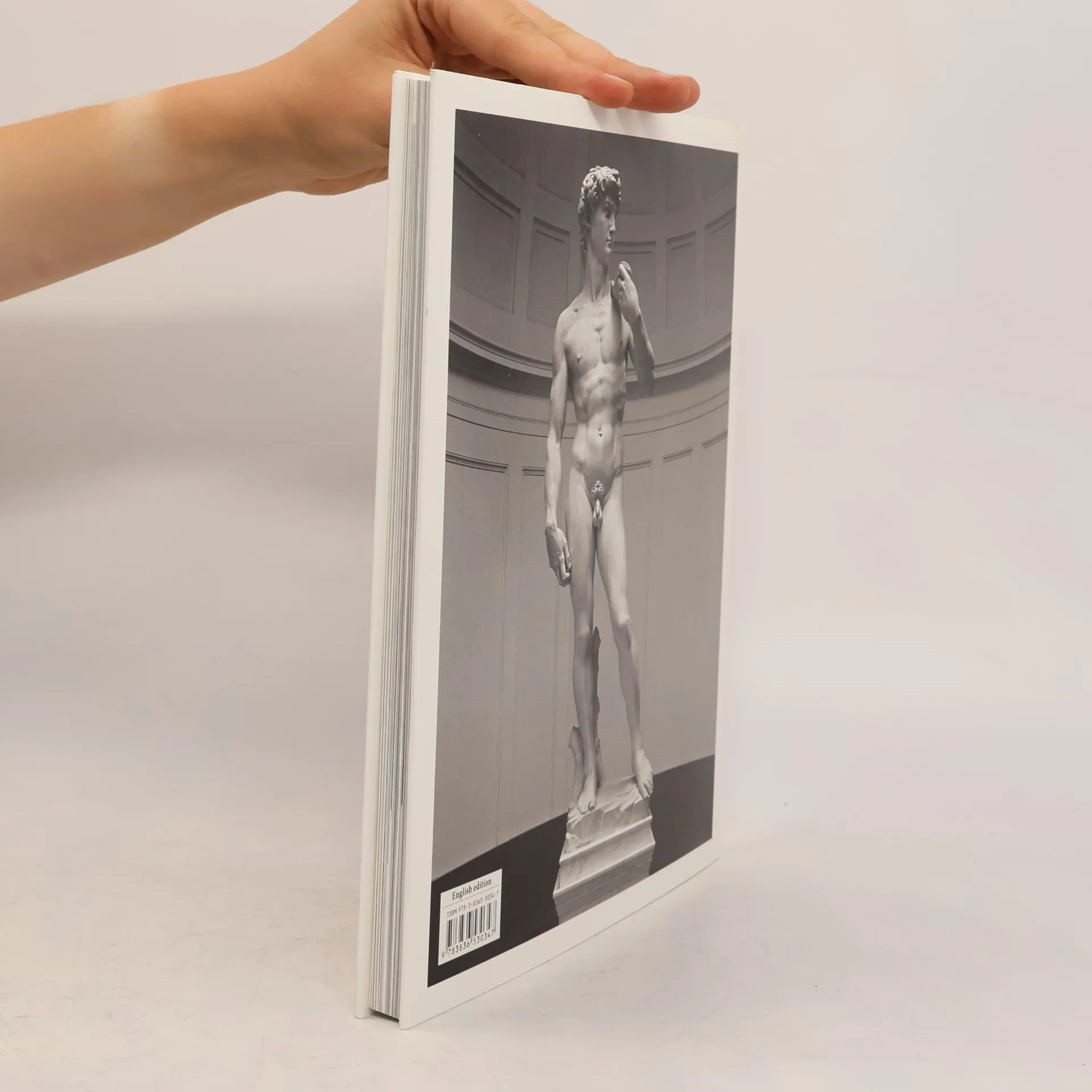
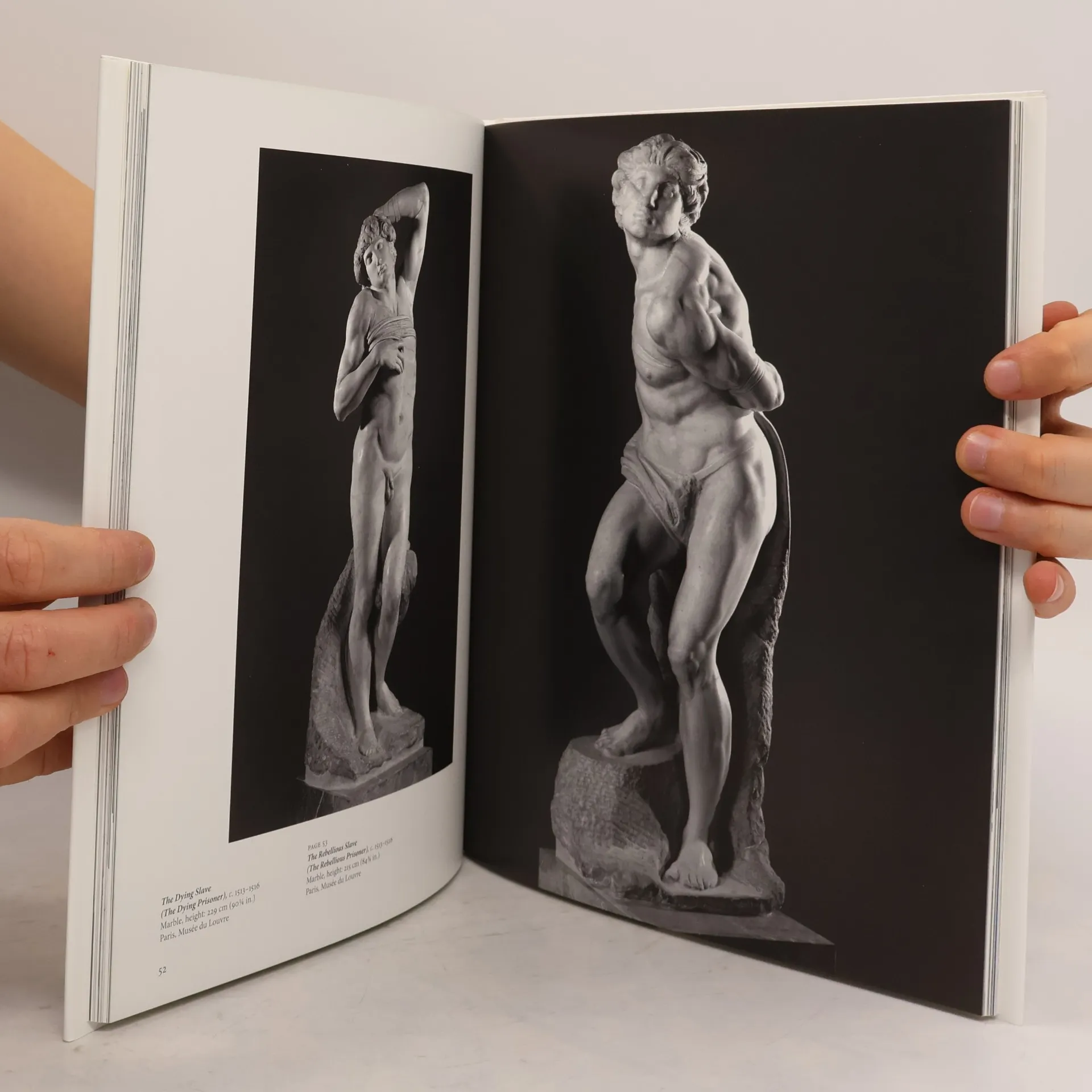
Um Michelangelo zu begegnen, muss man nicht nach Rom oder Florenz reisen, man muss nicht einmal ein Kunstbuch besitzen – auch dieses nicht. Seinen nackten David (Florenz), die berühmteste Skulptur und die Schwulenikone der Kunstgeschichte , gibt es als kleine Gips-Replik in jedem Gartencenter, und das Deckengemälde „Die Erschaffung Adams“ aus der Sixtinischen Kapelle (Rom) ziert adaptiert, variiert und persifliert T-Shirts, Poster, Kalender, Kaffeetassen, Plattencover und zahllose Dinge mehr. Michelangelo di Lodovico Buonarroti Simoni (1475–1564) ist Teil der Populärkultur und immer noch allgegenwärtig. Aber es wäre doch schade, wenn es bei diesem flüchtigen Musenkuss bliebe, denn es gilt nicht nur einen genialen Künstler zu entdecken, sondern auch einen Menschen voller Widersprüche und eine abenteuerliche und spannende Biografie aus einer Kulturepoche, in der Europa geistig erwachte. Dieser Einführungsband macht Appetit auf mehr Michelangelo und das Drama seines Lebens. Es bilden die Kulisse und treten auf: verfeindete Stadtstaaten, die Medici, diverse Kardinäle und Päpste, Leonardo da Vinci, Raffael, sehr viele Soldaten und Heilige und natürlich all die großen Werke, die sich mit Michelangelos Namen verbinden, etwa die Pietà im Petersdom, der schöne David, die Fresken und Deckengemälde in der Sixtinischen Kapelle und viele mehr.




Compra de libros
Michelangelo, Gilles Néret
- Idioma

- Publicado en
- 2016
- Encuadernación
- (Tapa dura),
- Estado del libro
- Muy Bueno
- Precio
- 6,99 €
Métodos de pago
Nos falta tu reseña aquí
- Título
- Michelangelo
- Idioma
- Inglés
- Autores
- Gilles Néret
- Editorial
- Taschen
- Publicado en
- 2016
- Formato
- Tapa dura
- Páginas
- 96
- ISBN10
- 3836530341
- ISBN13
- 9783836530347
- Serie
- Categorías
- Etiquetas
- Tema histórico, Bellas artes, Guías y Manuales, Arte, Europa del Sur, Italia, Historia del arte, Renacimiento (época)
- Título original
- Michelangelo
- Calificación
- 4,35 de 5
- Descripción
- Um Michelangelo zu begegnen, muss man nicht nach Rom oder Florenz reisen, man muss nicht einmal ein Kunstbuch besitzen – auch dieses nicht. Seinen nackten David (Florenz), die berühmteste Skulptur und die Schwulenikone der Kunstgeschichte , gibt es als kleine Gips-Replik in jedem Gartencenter, und das Deckengemälde „Die Erschaffung Adams“ aus der Sixtinischen Kapelle (Rom) ziert adaptiert, variiert und persifliert T-Shirts, Poster, Kalender, Kaffeetassen, Plattencover und zahllose Dinge mehr. Michelangelo di Lodovico Buonarroti Simoni (1475–1564) ist Teil der Populärkultur und immer noch allgegenwärtig. Aber es wäre doch schade, wenn es bei diesem flüchtigen Musenkuss bliebe, denn es gilt nicht nur einen genialen Künstler zu entdecken, sondern auch einen Menschen voller Widersprüche und eine abenteuerliche und spannende Biografie aus einer Kulturepoche, in der Europa geistig erwachte. Dieser Einführungsband macht Appetit auf mehr Michelangelo und das Drama seines Lebens. Es bilden die Kulisse und treten auf: verfeindete Stadtstaaten, die Medici, diverse Kardinäle und Päpste, Leonardo da Vinci, Raffael, sehr viele Soldaten und Heilige und natürlich all die großen Werke, die sich mit Michelangelos Namen verbinden, etwa die Pietà im Petersdom, der schöne David, die Fresken und Deckengemälde in der Sixtinischen Kapelle und viele mehr.