Parámetros
- 587 páginas
- 21 horas de lectura
Más información sobre el libro
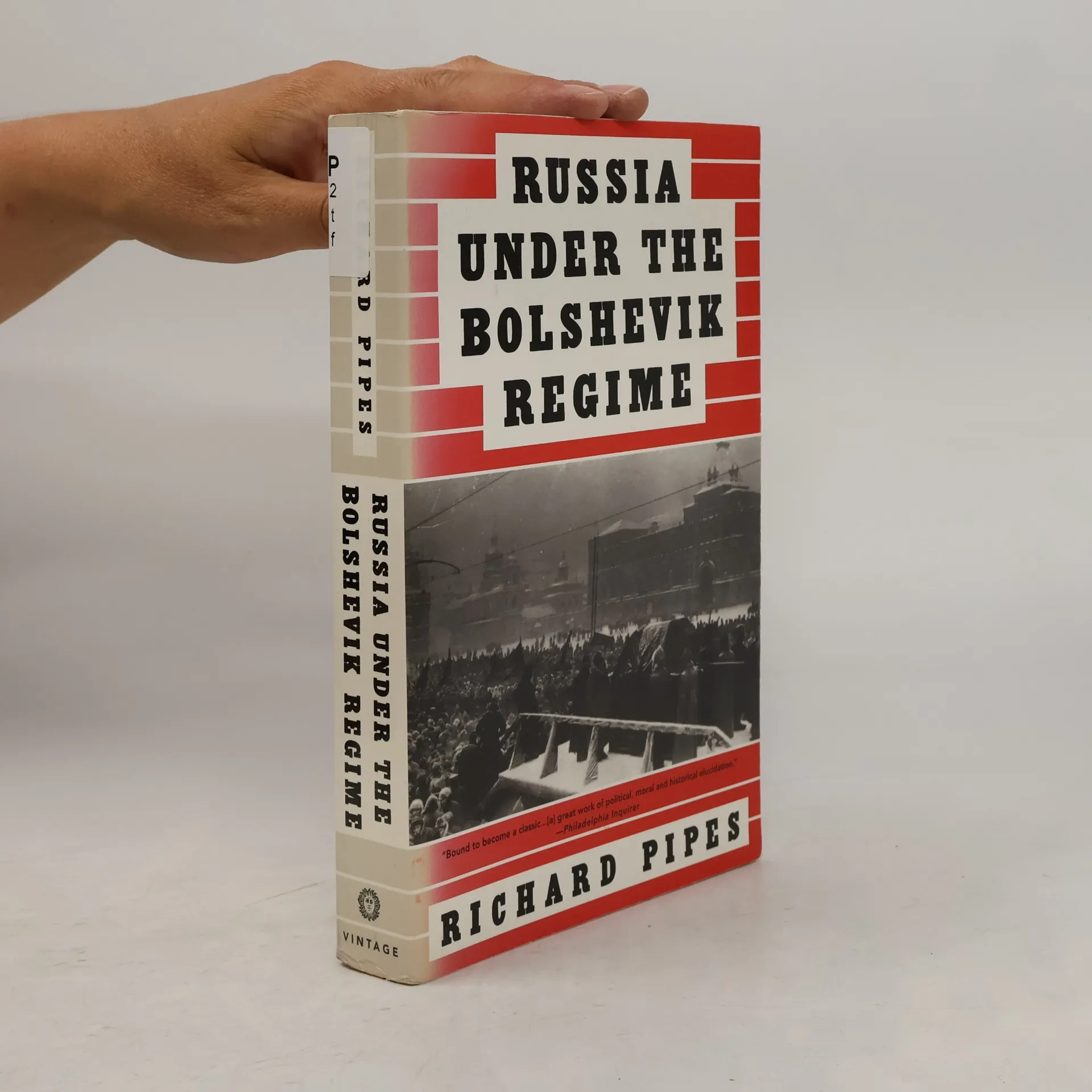
Continuing and concluding "The Russian Revolution" and completing the trilogy begun with "Russia under the Old Regime," this book stands on its own. It deals with the attempts of the Bolsheviks to defend and expand their authority from the Great Russian base they conquered in the winter of 1917-18 to the borderlands of the defunct Russian Empire and beyond, to the rest of the world. By the autumn of 1920, it became apparent that these efforts would not succeed, and that the new regime had to concentrate on building a communist state at home. The closing part of the book deals with the crises this unexpected development caused Russia's new rulers. In addition, the author discusses Communist cultural and religious policies. By treating these and other topics usually ignored by historians, the author seeks to fulfill the promise given in the introduction to "The Russian Revolution" to look beyond the struggle for power, which is commonly seen as the quintessence of the Revolution, to its makers' designs and their uses of that power. The book concludes with the death of Lenin in January 1924, by which time all the institutions and nearly all the practices of future Stalinism were in place.
Compra de libros
Russia under the Bolshevik Regime, Richard Pipes
- Idioma

- Publicado en
- 1995
- product-detail.submit-box.info.binding
- (Tapa dura)
Métodos de pago
Nos falta tu reseña aquí
- Título
- Russia under the Bolshevik Regime
- Idioma
- Inglés
- Autores
- Richard Pipes
- Editorial
- Vintage Books
- Publicado en
- 1995
- Formato
- Tapa dura
- Páginas
- 587
- ISBN10
- 0394502426
- ISBN13
- 9780394502427
- Serie
- Etiquetas
- No ficción, Ciencias sociales, Tema histórico, Historia, Ciencias políticas & Política, Política, Rusia, Historia de Europa, Historia Rusa, Revolución Rusa
- Calificación
- 4,1 de 5
- Descripción
- Continuing and concluding "The Russian Revolution" and completing the trilogy begun with "Russia under the Old Regime," this book stands on its own. It deals with the attempts of the Bolsheviks to defend and expand their authority from the Great Russian base they conquered in the winter of 1917-18 to the borderlands of the defunct Russian Empire and beyond, to the rest of the world. By the autumn of 1920, it became apparent that these efforts would not succeed, and that the new regime had to concentrate on building a communist state at home. The closing part of the book deals with the crises this unexpected development caused Russia's new rulers. In addition, the author discusses Communist cultural and religious policies. By treating these and other topics usually ignored by historians, the author seeks to fulfill the promise given in the introduction to "The Russian Revolution" to look beyond the struggle for power, which is commonly seen as the quintessence of the Revolution, to its makers' designs and their uses of that power. The book concludes with the death of Lenin in January 1924, by which time all the institutions and nearly all the practices of future Stalinism were in place.