


Más información sobre el libro
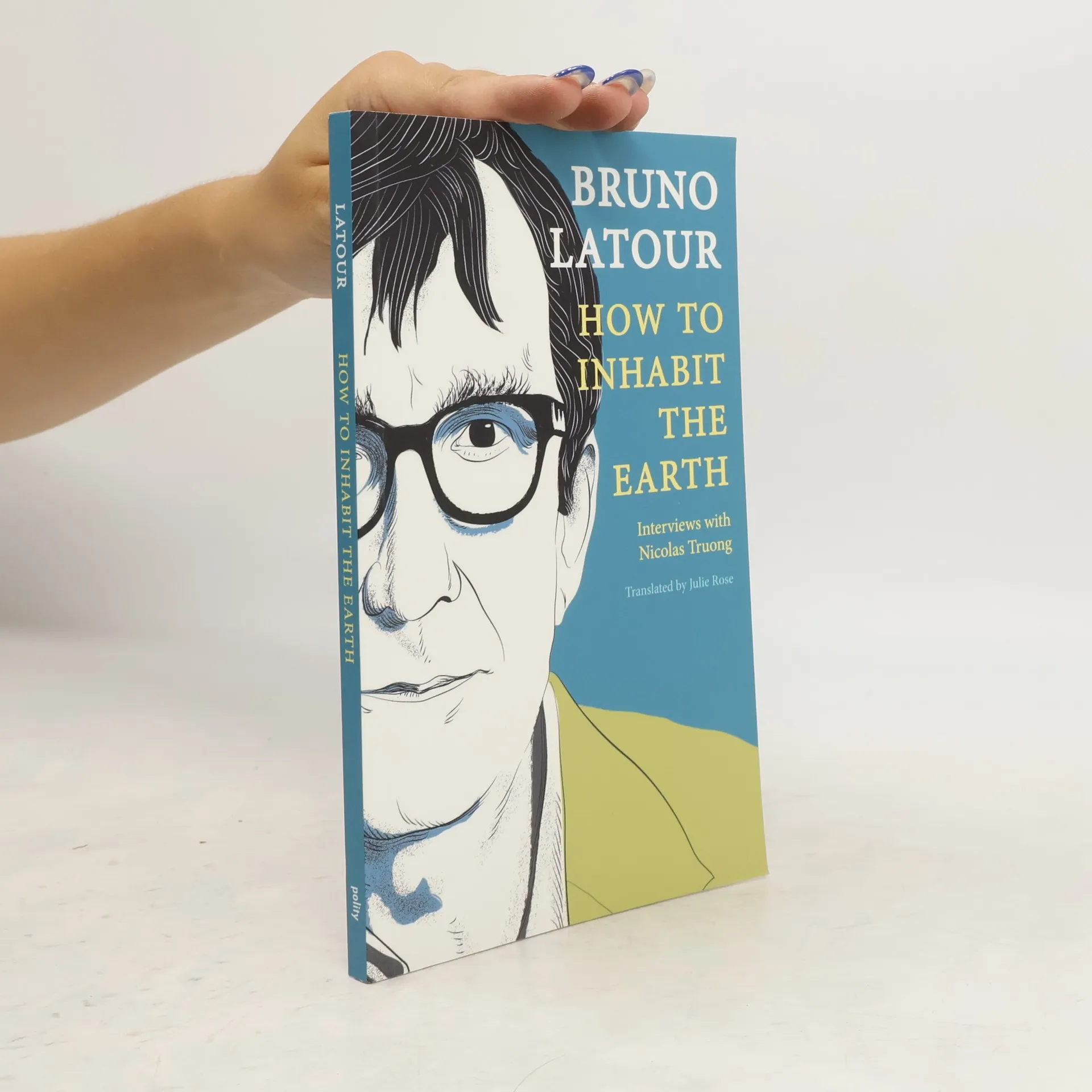
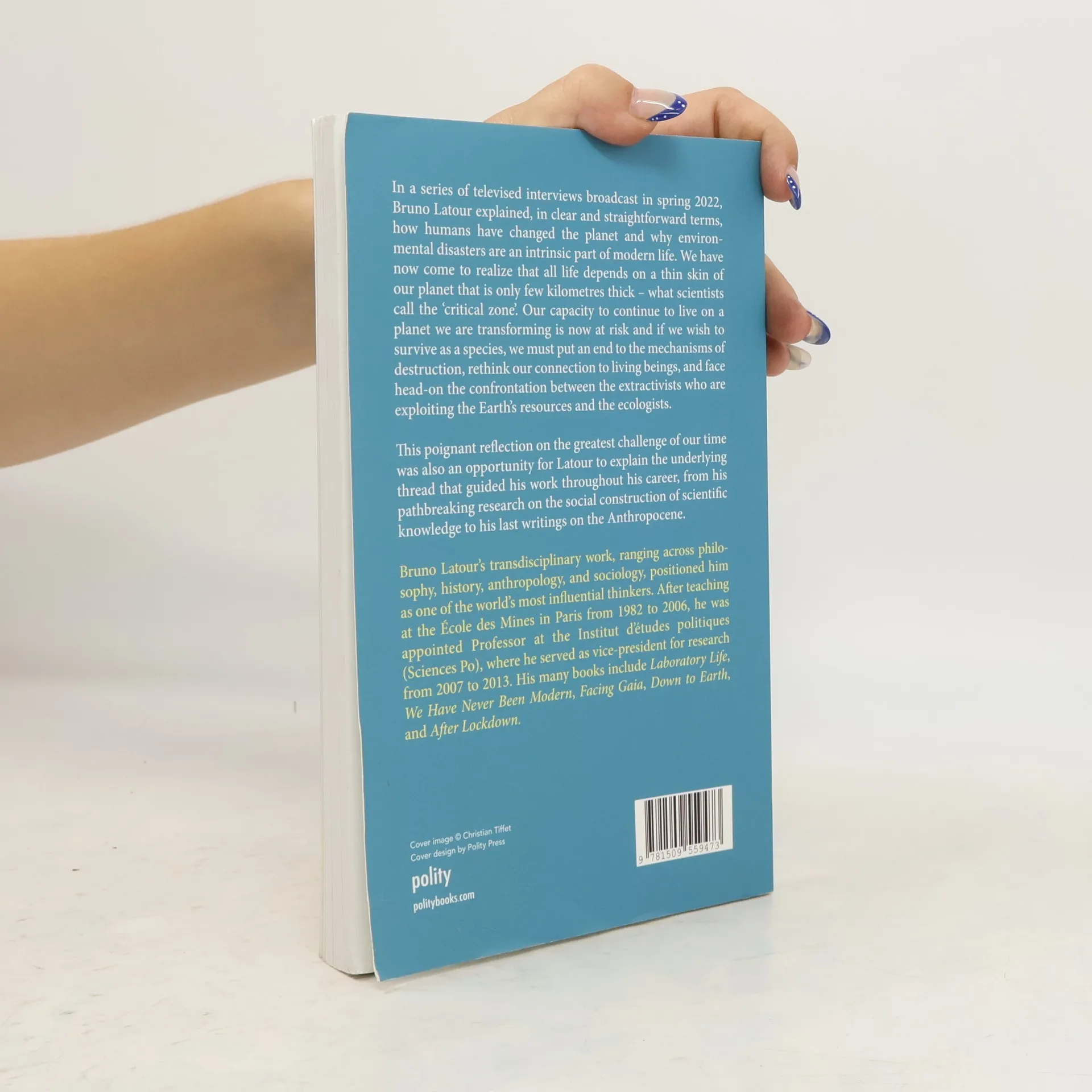
In a series of televised interviews in spring 2022, Bruno Latour explained, in clear and straightforward terms, how humans have changed the planet and why environmental disasters are an intrinsic part of modern life. We have now come to realize that all life depends on a thin skin of our planet that is only few kilometres thick - what scientists call the 'critical zone'. Our capacity to continue to live on a planet we are transforming is now at risk and if we wish to survive as a species, we must put an end to the mechanisms of destruction, rethink our connection to living beings and face head-on the confrontation between the extractivists who are exploiting the Earth's resources and the ecologists. This poignant reflection on the greatest challenge of our time is also an opportunity for Latour to explain the underlying thread that guided his work throughout his career, from his pathbreaking research on the social construction of scientific knowledge to his last writings on the Anthropocene.
Publicación

Compra de libros
How to Inhabit the Earth, Bruno Latour
- Idioma

- Publicado en
- 2023
- Encuadernación
- (Tapa blanda)
Métodos de pago
Nos falta tu reseña aquí
- Título
- How to Inhabit the Earth
- Idioma
- Inglés
- Autores
- Bruno Latour
- Editorial
- John Wiley & Sons Inc
- Publicado en
- 2023
- Formato
- Tapa blanda
- Páginas
- 112
- ISBN10
- 1509559477
- ISBN13
- 9781509559473
- Serie
- Etiquetas
- Libros de texto universitarios
- Calificación
- 3,8 de 5
- Descripción
- In a series of televised interviews in spring 2022, Bruno Latour explained, in clear and straightforward terms, how humans have changed the planet and why environmental disasters are an intrinsic part of modern life. We have now come to realize that all life depends on a thin skin of our planet that is only few kilometres thick - what scientists call the 'critical zone'. Our capacity to continue to live on a planet we are transforming is now at risk and if we wish to survive as a species, we must put an end to the mechanisms of destruction, rethink our connection to living beings and face head-on the confrontation between the extractivists who are exploiting the Earth's resources and the ecologists. This poignant reflection on the greatest challenge of our time is also an opportunity for Latour to explain the underlying thread that guided his work throughout his career, from his pathbreaking research on the social construction of scientific knowledge to his last writings on the Anthropocene.