


Más información sobre el libro
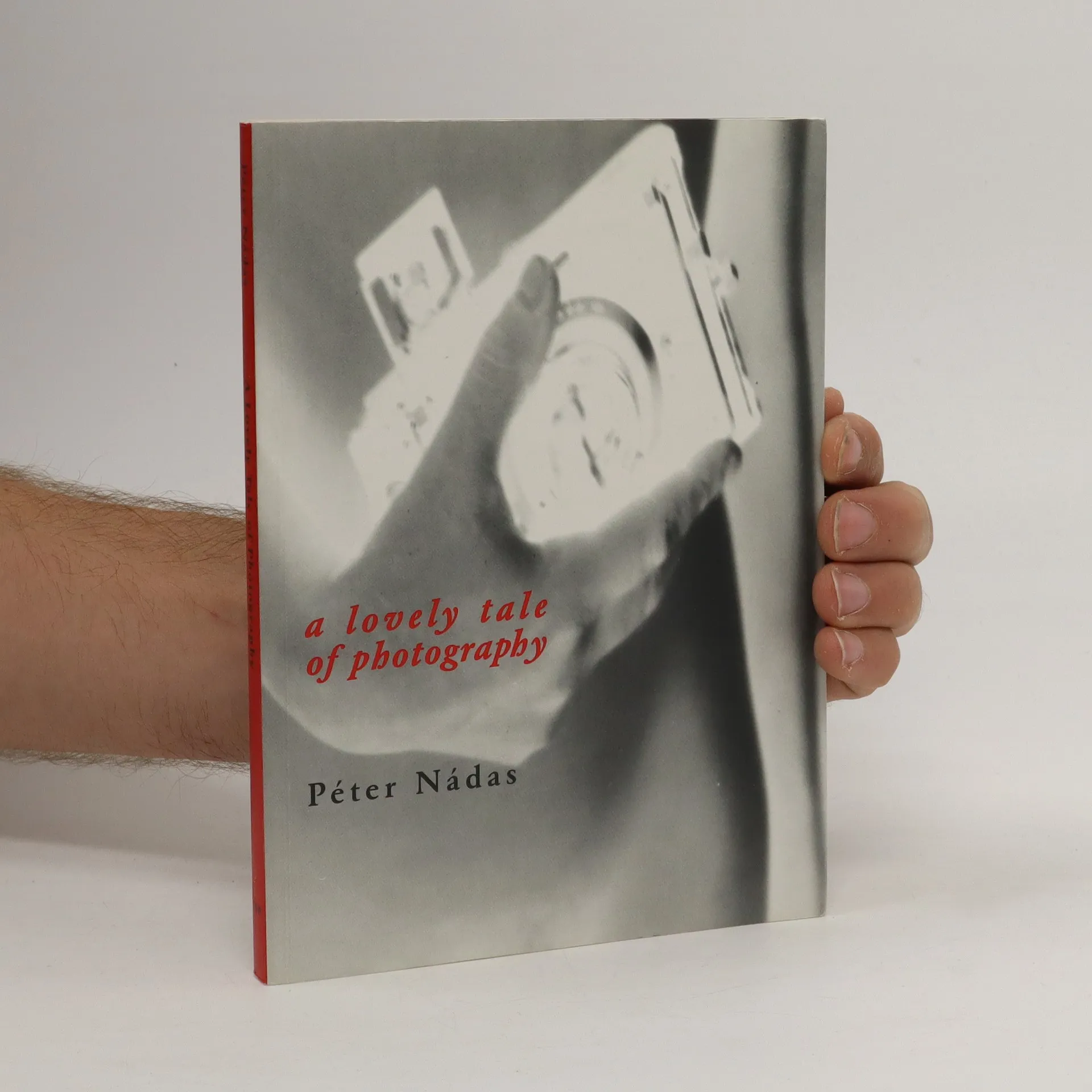
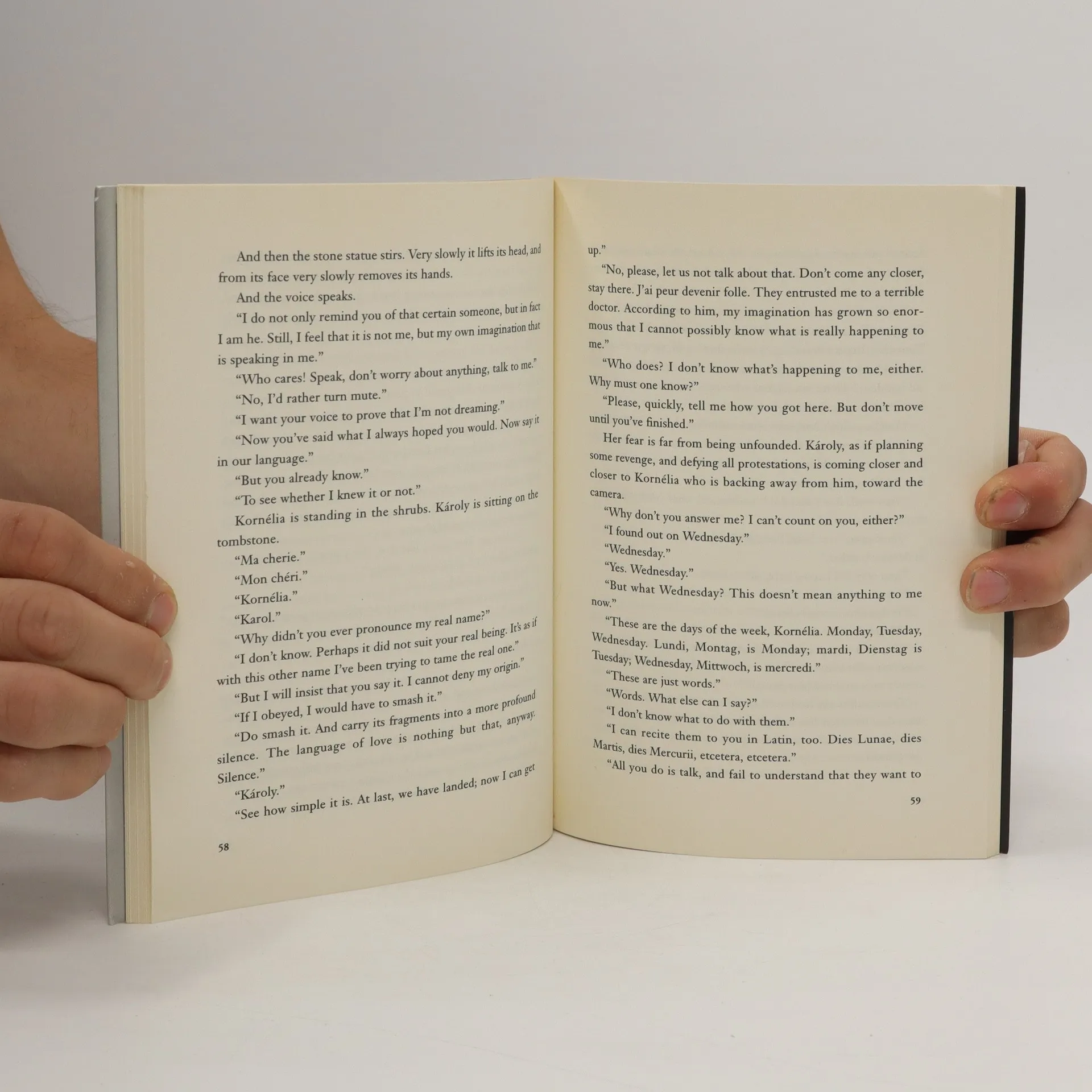
Tato kniha byla vydána českým nakladatelstvím Twisted Spoon Press, které sídlí v Praze a vydává díla českých a slovanských autorů v anglickém jazyce. Oficiální anotace nakladatele: Péter Nádas is one of the most renowned contemporary Hungarian authors. A Lovely Tale of Photography displays his essentially experimental orientation. It is a hallucinatory novella about a female photographer who is suffering from an undetermined illness. Confined to a sanatorium, where she is surrounded by a cast of stock characters speaking various languages, she is made to confront a reality other than that framed by her camera. The novel takes the form of short scenes, as if a film sequence, and this structure lends the text a fairy-tale, poetic quality similar to many surrealist works.

Compra de libros
A Lovely Tale of Photography, Péter Nádas, Imre Goldstein
- Idioma

- Publicado en
- 1999
- Encuadernación
- (Tapa blanda)
Métodos de pago
Nos falta tu reseña aquí
- Título
- A Lovely Tale of Photography
- Idioma
- Inglés
- Autores
- Péter Nádas, Imre Goldstein
- Editorial
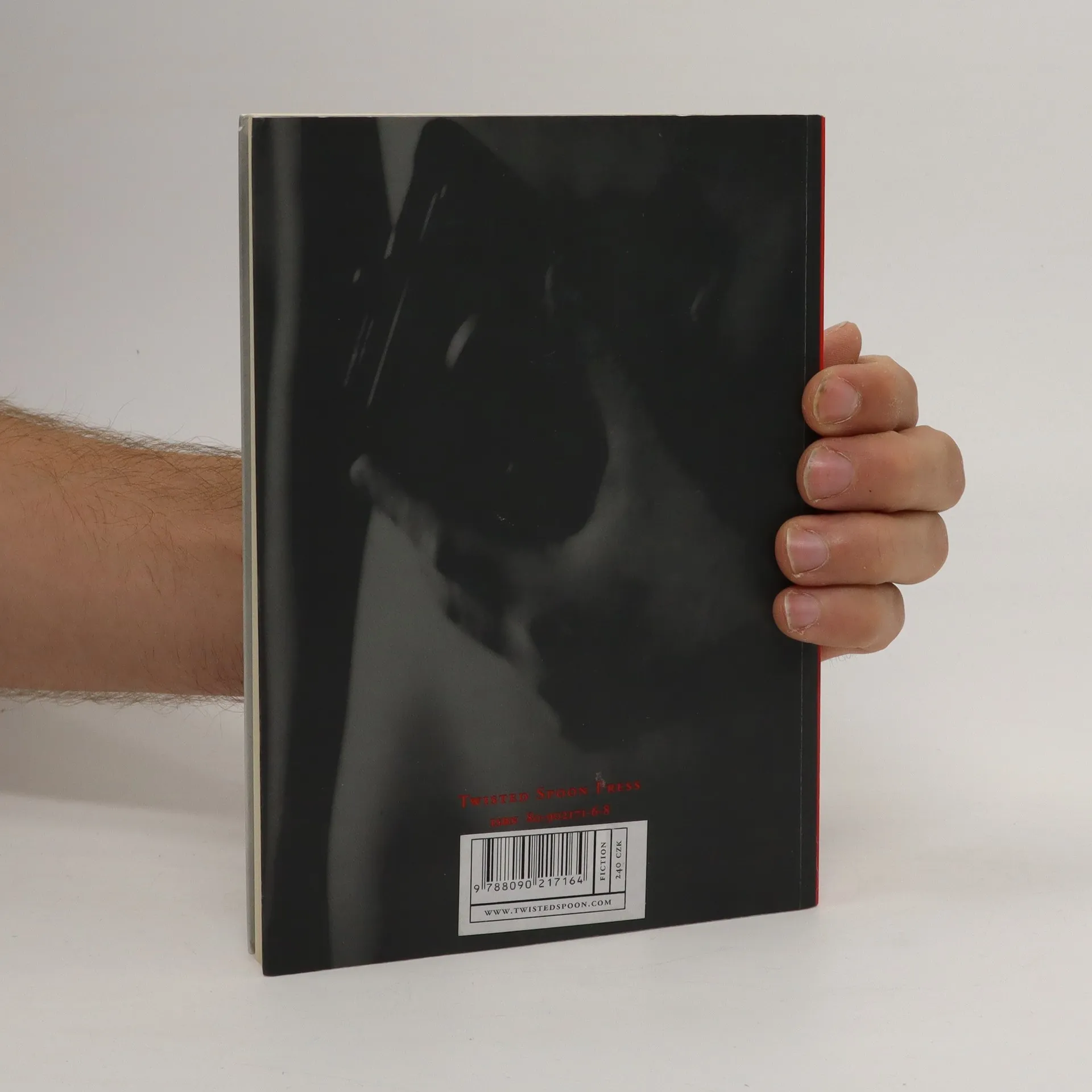
- Twisted Spoon Press
- Publicado en
- 1999
- Formato
- Tapa blanda
- Páginas
- 120
- ISBN10
- 8090217168
- ISBN13
- 9788090217164
- Serie
- Categorías
- Etiquetas
- Novelas cortas, Fotos, Hungría
- Primera publicación
- 1993
- Título original
- Fotográfia szép története
- Calificación
- 2,9 de 5
- Descripción
- Tato kniha byla vydána českým nakladatelstvím Twisted Spoon Press, které sídlí v Praze a vydává díla českých a slovanských autorů v anglickém jazyce. Oficiální anotace nakladatele: Péter Nádas is one of the most renowned contemporary Hungarian authors. A Lovely Tale of Photography displays his essentially experimental orientation. It is a hallucinatory novella about a female photographer who is suffering from an undetermined illness. Confined to a sanatorium, where she is surrounded by a cast of stock characters speaking various languages, she is made to confront a reality other than that framed by her camera. The novel takes the form of short scenes, as if a film sequence, and this structure lends the text a fairy-tale, poetic quality similar to many surrealist works.