

Valoración del libro
Más información sobre el libro
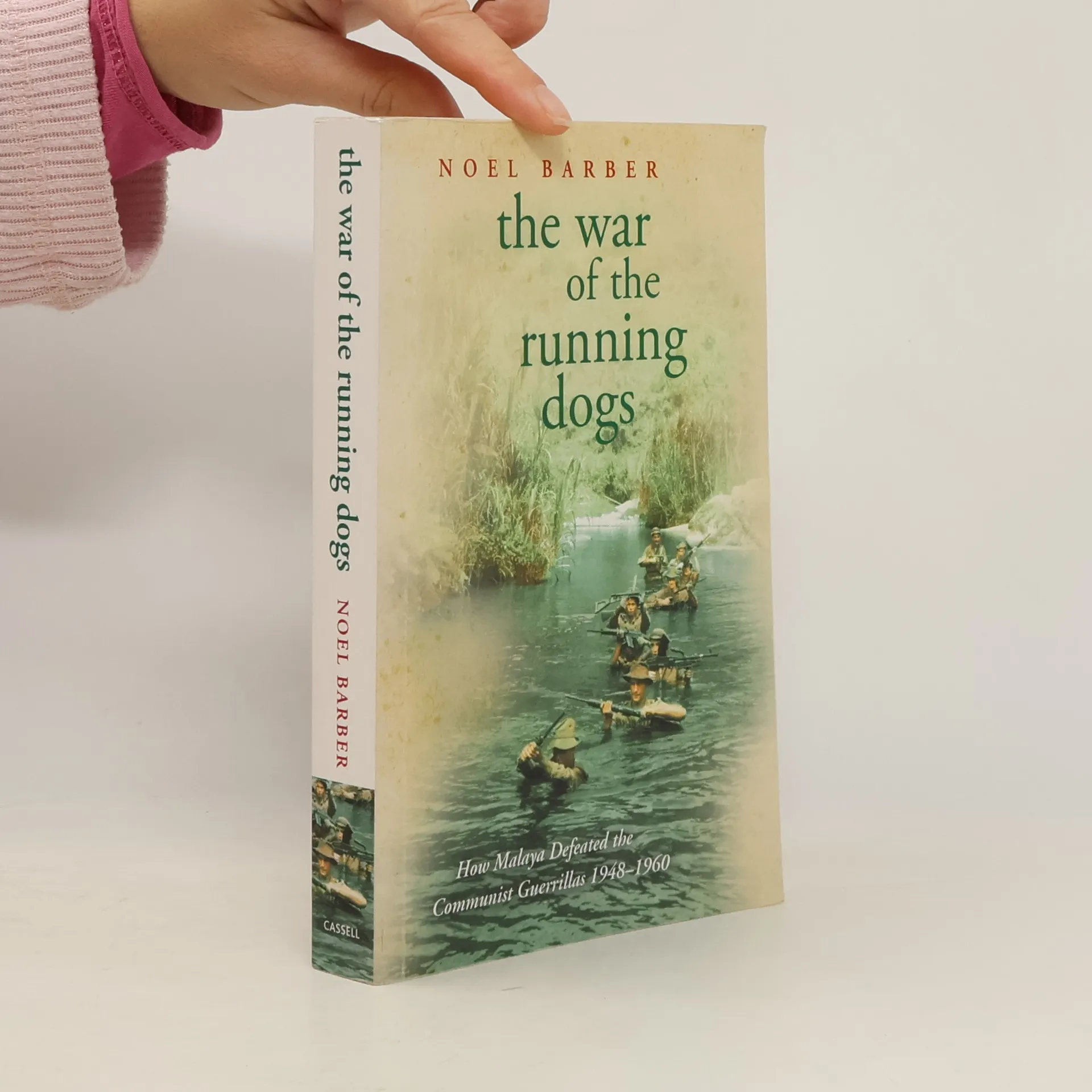
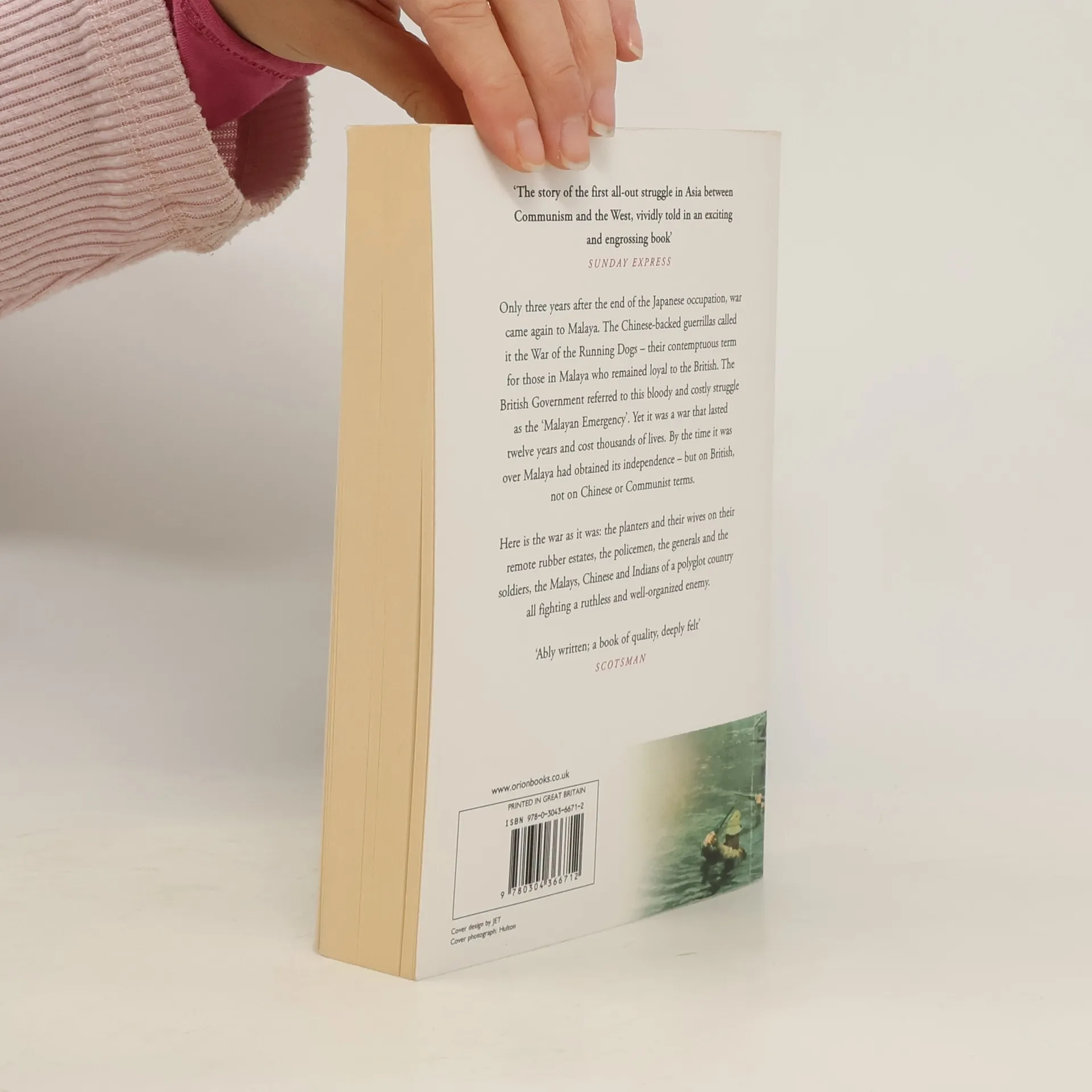
Only three short years after the end of the Japanese occupation, war came again to Malaya. The Chinese-backed guerrillas called it the War of the Running Dogs - their contemptuous term for those in Malaya who remained loyal to the British. The British Government referred to this bloody and costly struggle as the 'Malayan Emergency'. Yet it was a war that lasted twelve years and cost thousands of lives. By the time it was over Malaya had obtained its independence - but on British, not on Chinese or Communist terms. Here is the war as it was. Here are the planters and their wives on their remote rubber estates, the policemen, the generals and the soldiers, the Malays, Chinese and Indians of a polyglot country, all fighting an astute, ruthless, and well organized enemy.
Publicación

Compra de libros
The War of the Running Dogs, Noe l. Barber
- Idioma

- Publicado en
- 1971
- Encuadernación
- (Tapa blanda)
Métodos de pago
Nos falta tu reseña aquí
- Título
- The War of the Running Dogs
- Subtítulo
- How Malaya Defeated the Communist Guerrillas, 1948-60
- Idioma
- Inglés
- Autores
- Noe l. Barber
- Editorial
- Weidenfeld & Nicolson
- Publicado en
- 1971
- Formato
- Tapa blanda
- Páginas
- 329
- ISBN10
- 0304366714
- ISBN13
- 9780304366712
- Serie
- Etiquetas
- Tema histórico, Prosa bélica, Siglo XX, Guerras, Asia
- Calificación
- 4 de 5
- Descripción
- Only three short years after the end of the Japanese occupation, war came again to Malaya. The Chinese-backed guerrillas called it the War of the Running Dogs - their contemptuous term for those in Malaya who remained loyal to the British. The British Government referred to this bloody and costly struggle as the 'Malayan Emergency'. Yet it was a war that lasted twelve years and cost thousands of lives. By the time it was over Malaya had obtained its independence - but on British, not on Chinese or Communist terms. Here is the war as it was. Here are the planters and their wives on their remote rubber estates, the policemen, the generals and the soldiers, the Malays, Chinese and Indians of a polyglot country, all fighting an astute, ruthless, and well organized enemy.