


Más información sobre el libro
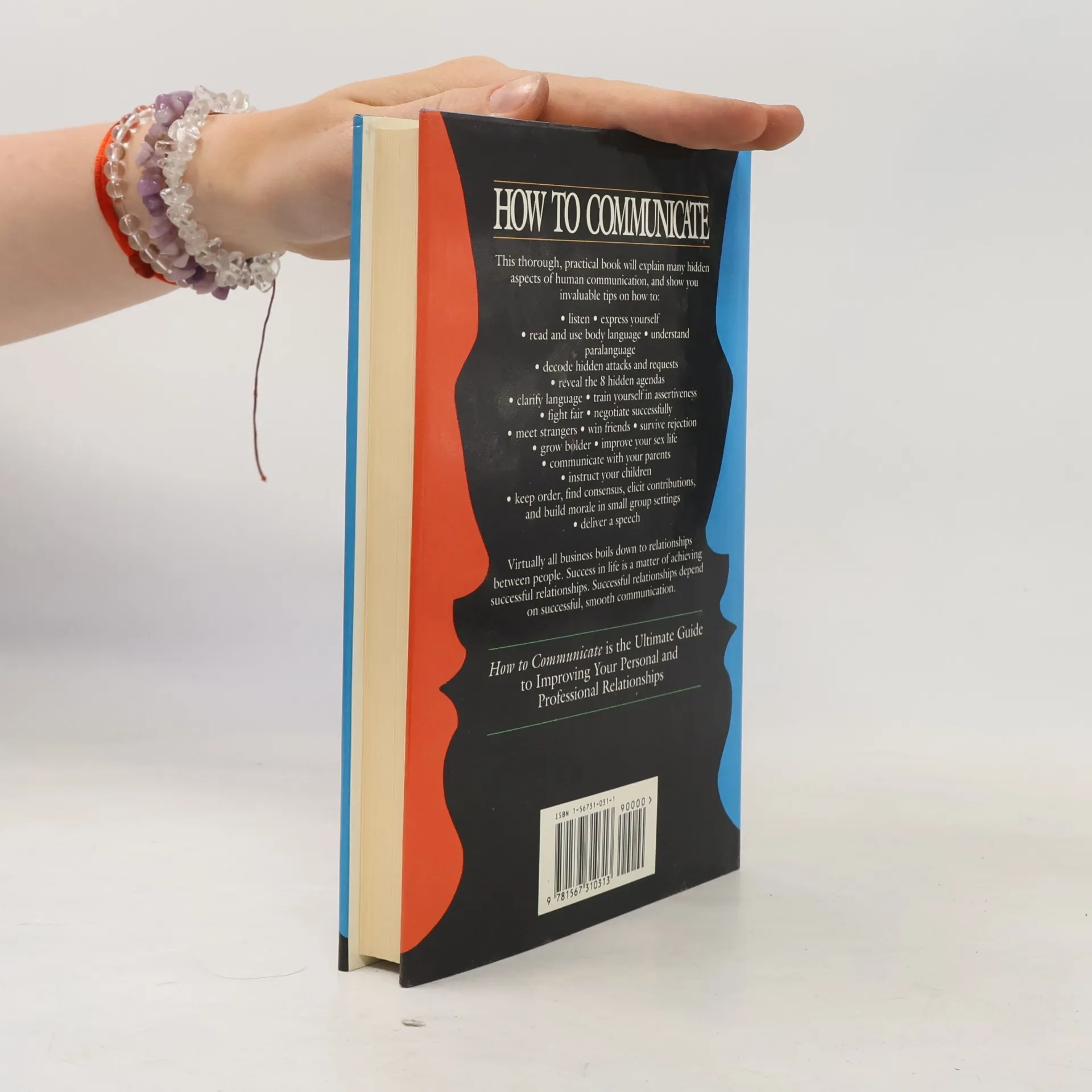
Both authors are PhDs in Psychology. Practically every advice written in this book is backed up by some empiracal evidence or study. The book covers all aspects of communication such as listening, body language, and influencing others using operant conditioning. One should note that this book focuses improving relationships through better communication. Hence, this book is not suitable for situations where antagonistic and competitive communication styles are warranted. For example, I thought the chapter on negotiation was poor due to the fact that the book promotes a "nice guy who will listen" approach to negotiation. Such approach to negotiation with no competitive strategic objective will spell disaster against a well seasoned negotiation sharks in a professional environment. Overall, the book offers solid scientifically based advice on personal communication. Just don't rely too much on it in a setting where competition, not cooperation, can be the norm.
Publicación

Compra de libros
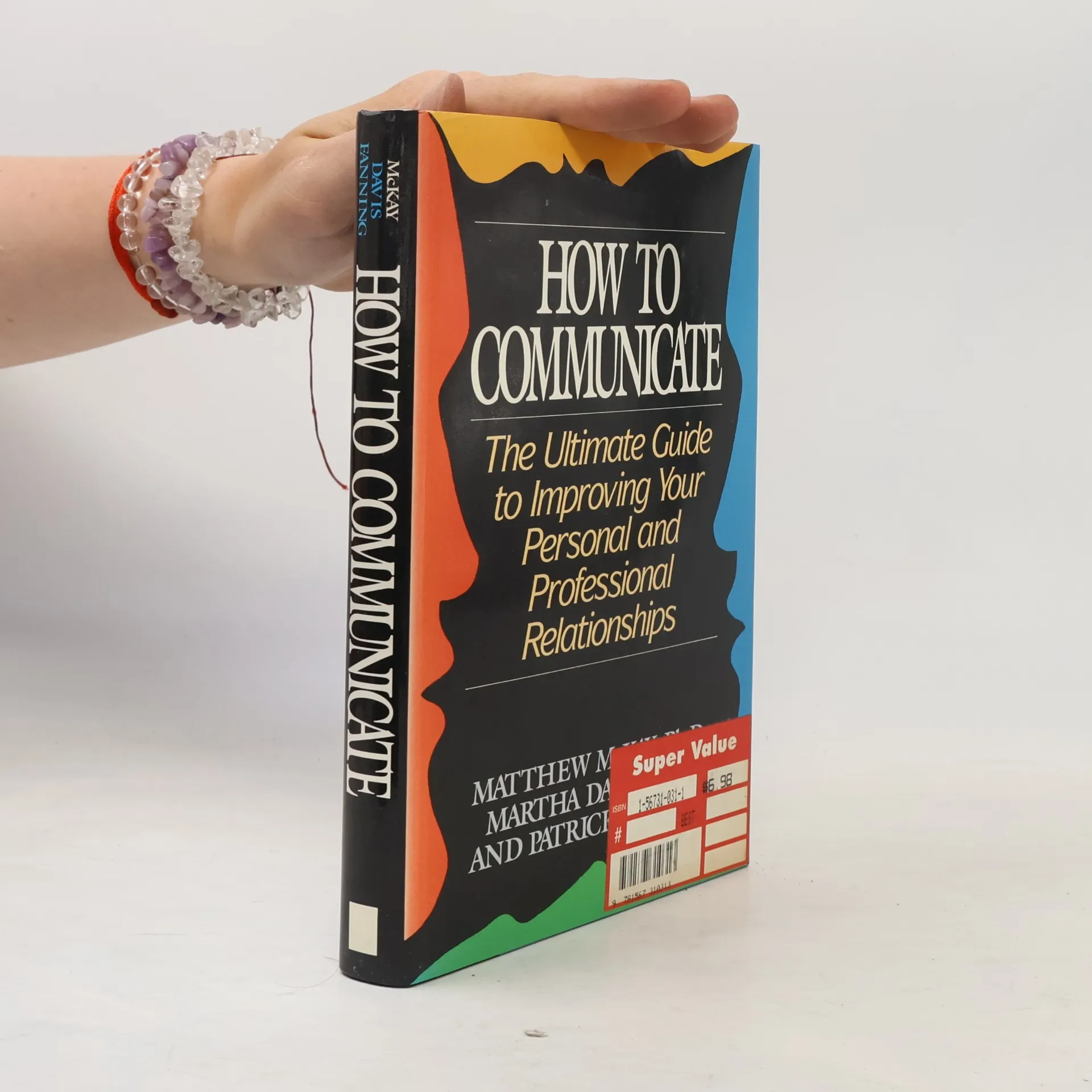
How to Communicate, Matthew McKay, Martha Davis, Patrick Fanning
- Idioma

- Publicado en
- 1993
- Encuadernación
- (Tapa dura),
- Estado del libro
- Bueno
- Precio
- 1,99 €
Métodos de pago
Nos falta tu reseña aquí
- Título
- How to Communicate
- Idioma
- Inglés
- Autores
- Matthew McKay, Martha Davis, Patrick Fanning
- Editorial
- M J F Books
- Publicado en
- 1993
- Formato
- Tapa dura
- Páginas
- 272
- ISBN10
- 1567310311
- ISBN13
- 9781567310313
- Serie
- Etiquetas
- Comercio, Temas psicológicos, Relaciones, Comunicación
- Calificación
- 3,9 de 5
- Descripción
- Both authors are PhDs in Psychology. Practically every advice written in this book is backed up by some empiracal evidence or study. The book covers all aspects of communication such as listening, body language, and influencing others using operant conditioning. One should note that this book focuses improving relationships through better communication. Hence, this book is not suitable for situations where antagonistic and competitive communication styles are warranted. For example, I thought the chapter on negotiation was poor due to the fact that the book promotes a "nice guy who will listen" approach to negotiation. Such approach to negotiation with no competitive strategic objective will spell disaster against a well seasoned negotiation sharks in a professional environment. Overall, the book offers solid scientifically based advice on personal communication. Just don't rely too much on it in a setting where competition, not cooperation, can be the norm.