


Parámetros
- 733 páginas
- 26 horas de lectura
Más información sobre el libro
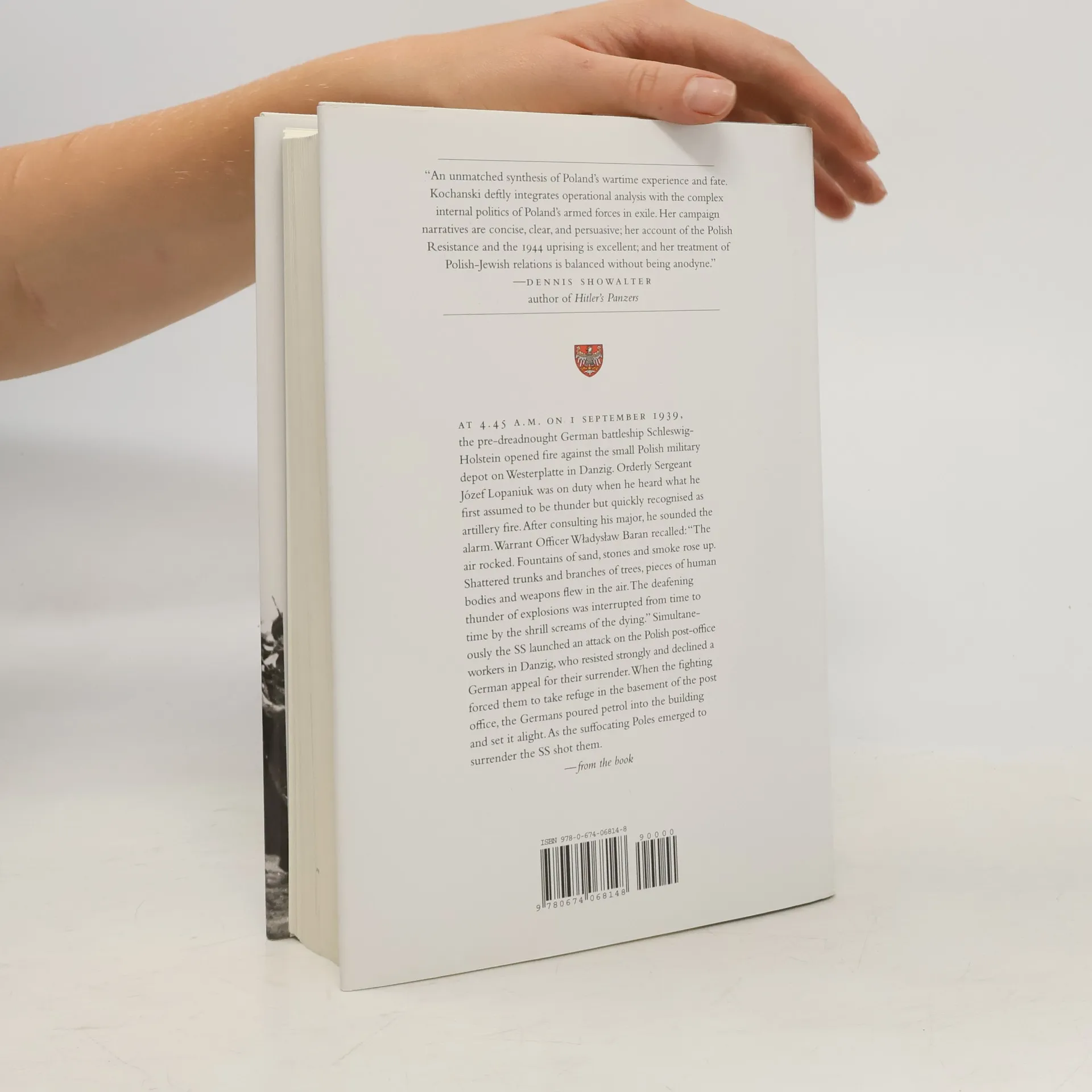
The Second World War profoundly impacted Poland, which faced invasions from both Germany and the Soviet Union, enduring foreign occupation throughout the conflict. Polish forces fought on multiple fronts, while the architects of the Final Solution established a network of extermination camps on Polish soil, resulting in the tragic loss of millions, including three million Polish Jews. Halik Kochanski presents a comprehensive account of Poland's wartime experience, highlighting the diverse and deep narratives of those who lived through its horrors. Unlike typical histories that emphasize the Allies' efforts to liberate Europe, this perspective reveals a starkly different reality for Poles in cities like Lodz and Krakow compared to London or Washington, D.C. After the war, Poland found itself behind the Iron Curtain, with true freedom remaining elusive for nearly fifty years. Kochanski meticulously rescues the stories of the deceased, the disappeared, the fighters, and the escapees, capturing the complexities of wartime Poland—from collaboration and resistance to expulsion and exile, spanning locations from Warsaw to Treblinka. This work offers a singular, in-depth exploration of one of modern history's most harrowing epochs.


Compra de libros
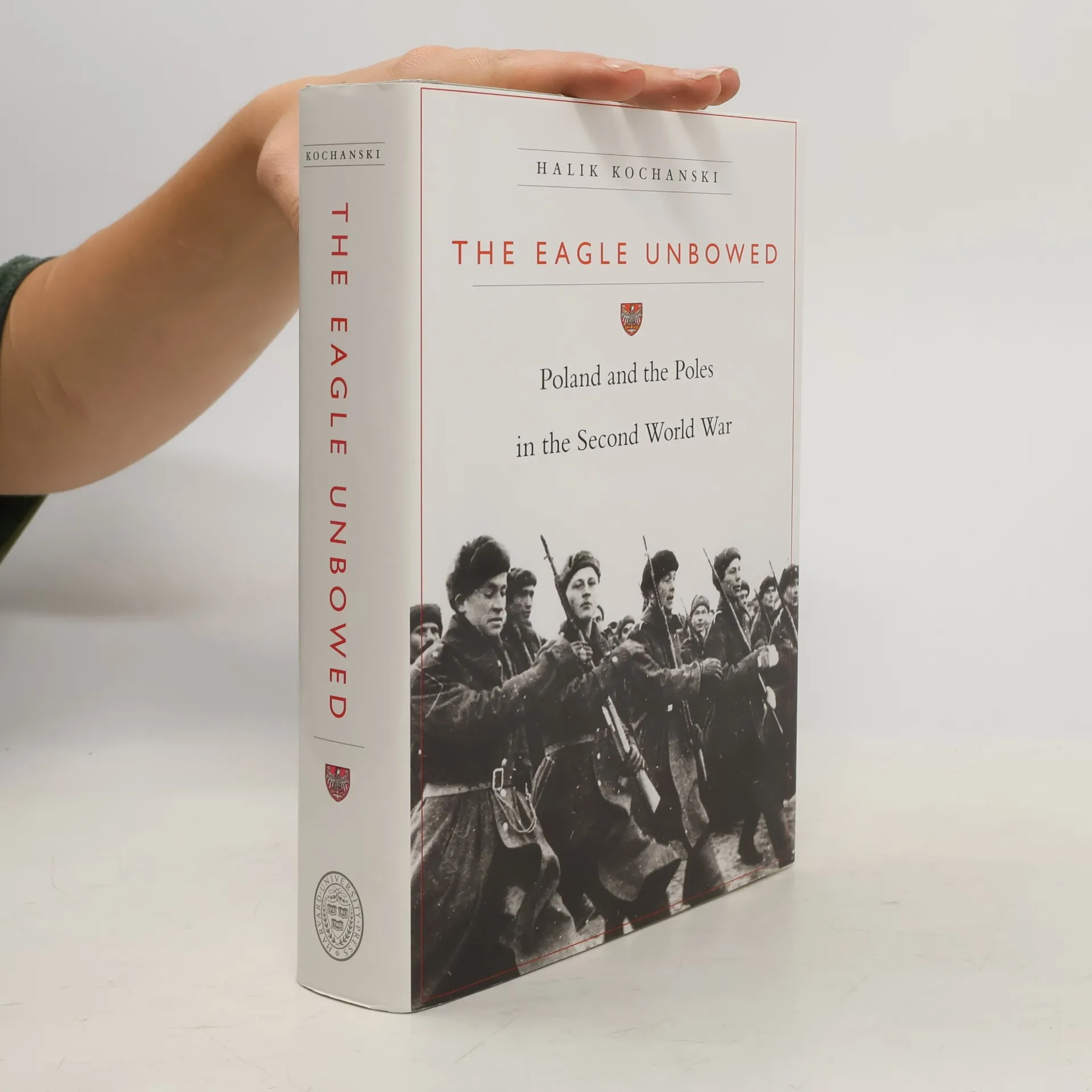
The Eagle Unbowed, Halik Kochanski
- Idioma

- Publicado en
- 2012
- Encuadernación
- (Tapa dura)
Métodos de pago
Nos falta tu reseña aquí
- Título
- The Eagle Unbowed
- Subtítulo
- Poland and the Poles in the Second World War
- Idioma
- Inglés
- Autores
- Halik Kochanski
- Editorial
- Harvard University Press
- Publicado en
- 2012
- Formato
- Tapa dura
- Páginas
- 733
- ISBN10
- 0674068149
- ISBN13
- 9780674068148
- Serie
- Calificación
- 4,35 de 5
- Descripción
- The Second World War profoundly impacted Poland, which faced invasions from both Germany and the Soviet Union, enduring foreign occupation throughout the conflict. Polish forces fought on multiple fronts, while the architects of the Final Solution established a network of extermination camps on Polish soil, resulting in the tragic loss of millions, including three million Polish Jews. Halik Kochanski presents a comprehensive account of Poland's wartime experience, highlighting the diverse and deep narratives of those who lived through its horrors. Unlike typical histories that emphasize the Allies' efforts to liberate Europe, this perspective reveals a starkly different reality for Poles in cities like Lodz and Krakow compared to London or Washington, D.C. After the war, Poland found itself behind the Iron Curtain, with true freedom remaining elusive for nearly fifty years. Kochanski meticulously rescues the stories of the deceased, the disappeared, the fighters, and the escapees, capturing the complexities of wartime Poland—from collaboration and resistance to expulsion and exile, spanning locations from Warsaw to Treblinka. This work offers a singular, in-depth exploration of one of modern history's most harrowing epochs.