

Agotado
Más información sobre el libro
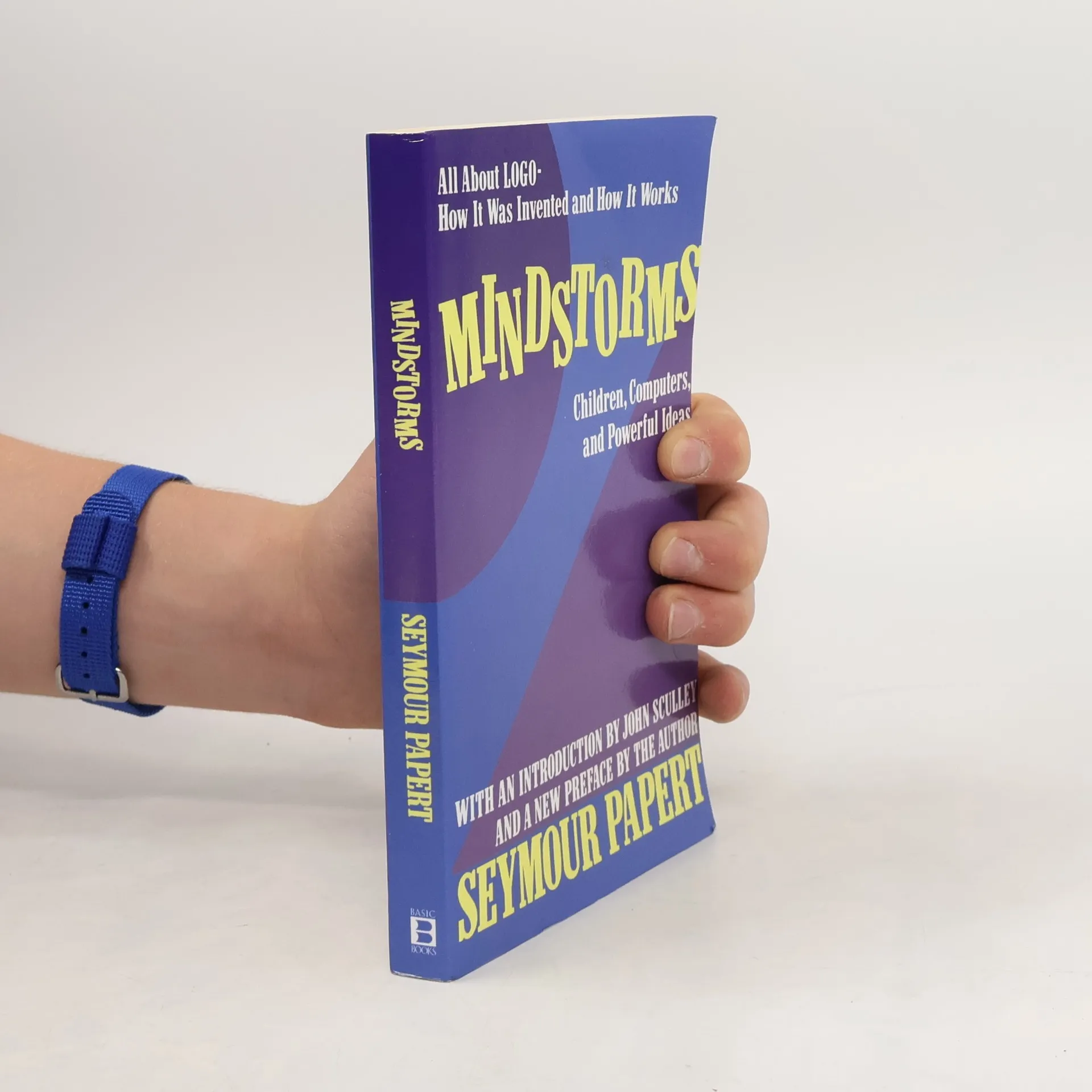
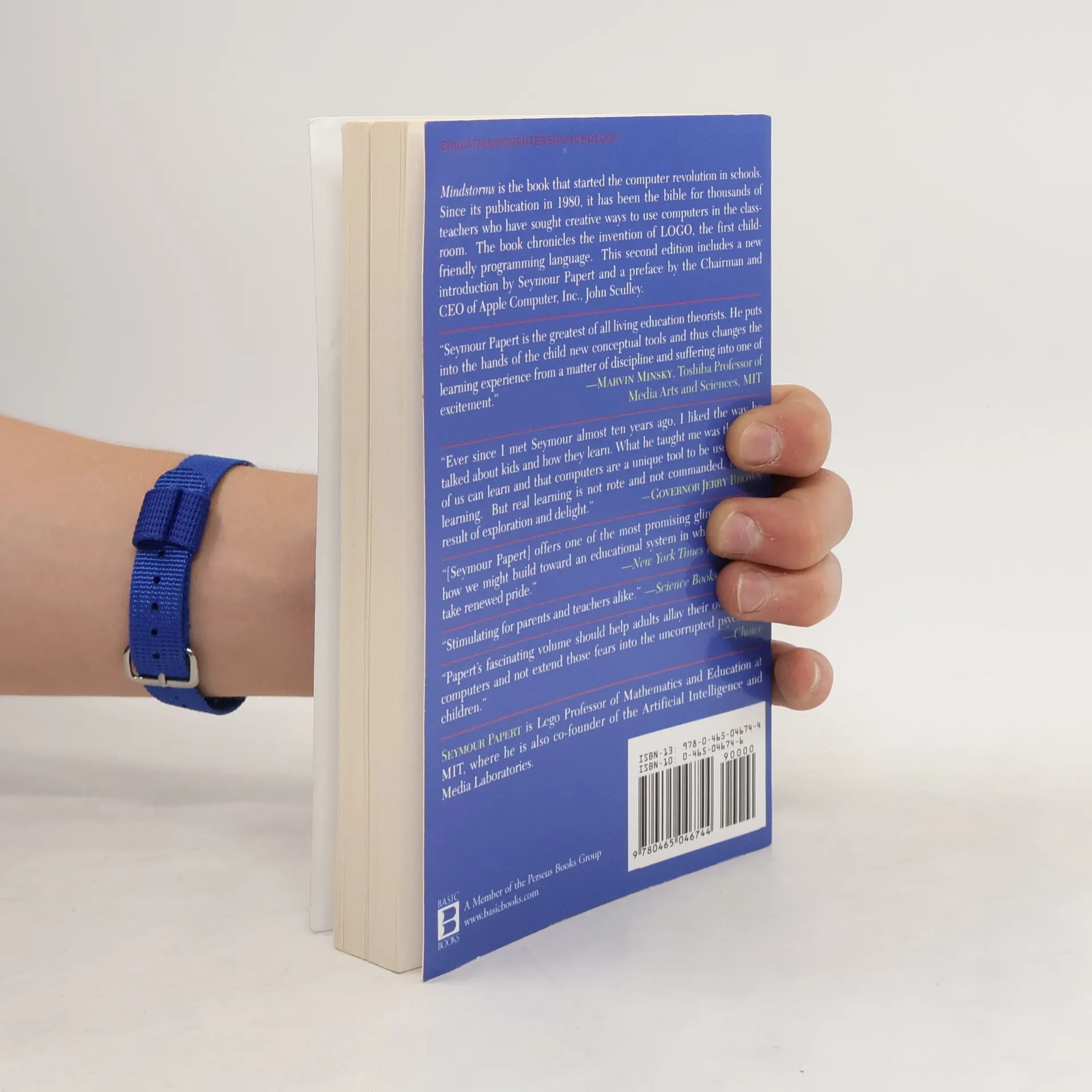
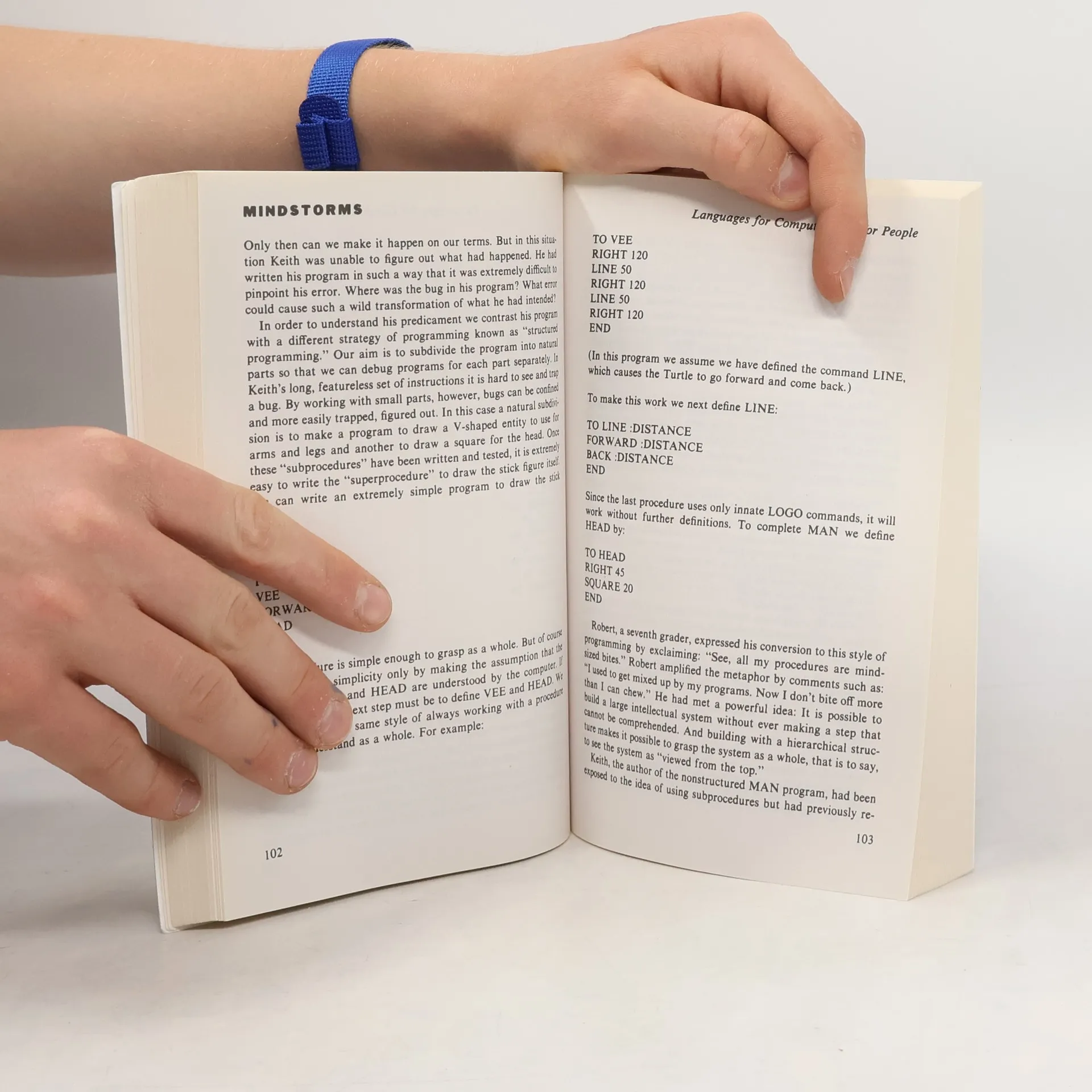
Computers have completely changed the way we teach children. We have Mindstorms to thank for that. In this book, pioneering computer scientist Seymour Papert uses the invention of LOGO, the first child-friendly programming language, to make the case for the value of teaching children with computers. Papert argues that children are more than capable of mastering computers, and that teaching computational processes like de-bugging in the classroom can change the way we learn everything else. He also shows that schools saturated with technology can actually improve socialization and interaction among students and between students and teachers.



Compra de libros
Mindstorms, Seymour Papert, John Sculley
- Idioma

- Publicado en
- 1993
- Encuadernación
- (Tapa blanda)
Te avisaremos por correo electrónico en cuanto lo localicemos.
Métodos de pago
Nos falta tu reseña aquí
- Título
- Mindstorms
- Subtítulo
- Children, Computers, and Powerful Ideas
- Idioma
- Inglés
- Autores
- Seymour Papert, John Sculley
- Editorial
- Basic Books
- Publicado en
- 1993
- Formato
- Tapa blanda
- Páginas
- 252
- ISBN10
- 0465046746
- ISBN13
- 9780465046744
- Serie
- Categorías
- Etiquetas
- Temas psicológicos, Ciencia, Tecnología
- Título original
- Mindstorms
- Calificación
- 4,1 de 5
- Descripción
- Computers have completely changed the way we teach children. We have Mindstorms to thank for that. In this book, pioneering computer scientist Seymour Papert uses the invention of LOGO, the first child-friendly programming language, to make the case for the value of teaching children with computers. Papert argues that children are more than capable of mastering computers, and that teaching computational processes like de-bugging in the classroom can change the way we learn everything else. He also shows that schools saturated with technology can actually improve socialization and interaction among students and between students and teachers.