



Más información sobre el libro
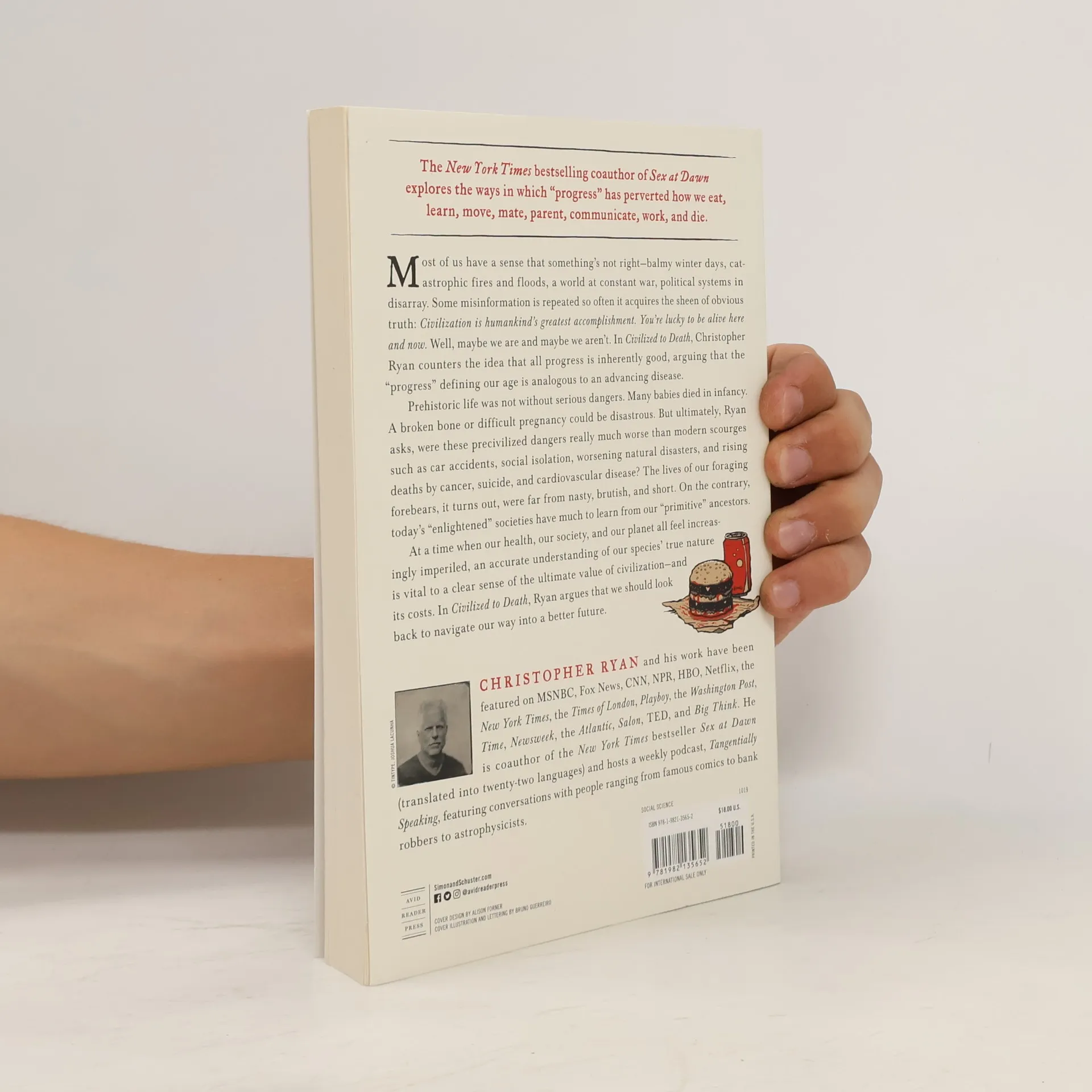
Progress, the fundamental illusion of our era, seems to have reached its limit. Many young people no longer anticipate a better life than their parents. Dystopian fears grow as environmental crises escalate, from collapsing fisheries to rising CO2 levels and nuclear plant failures. Despite technological advancements, these are troubling times. As Louis C.K. noted, “Everything’s amazing, but nobody’s happy.” Material abundance often comes with a steep cost; social media replaces genuine connection, while hunger and malnutrition persist globally. Rates of clinical depression and suicide are rising sharply in developed nations. In the U.S., a third of children are obese, and millions face pre-diabetes. Alarmingly, preschoolers are the fastest-growing market for antidepressants, with childhood depression increasing by over twenty percent. Additionally, twenty-four million American adults are believed to suffer from PTSD, largely due to ongoing wars affecting the underprivileged. One might ponder how a time-traveler from our distant past would perceive our lives today. While initially impressed by modern marvels, would she ultimately be more disheartened by what we’ve lost in our relentless pursuit of progress? With faith in the future dwindling and contentment fading, it’s crucial to reassess our past and question whether modern life truly offers a net benefit compared to that of our pre-civilized ancestors.


Compra de libros
Civilized to Death, Christopher Ryan
- Idioma

- Publicado en
- 2019
- Encuadernación
- (Tapa blanda)
Métodos de pago
Nos falta tu reseña aquí
- Título
- Civilized to Death
- Subtítulo
- The Price of Progress
- Idioma
- Inglés
- Autores
- Christopher Ryan
- Editorial
- Simon & Schuster
- Publicado en
- 2019
- Formato
- Tapa blanda
- Páginas
- 304
- ISBN10
- 1982135654
- ISBN13
- 9781982135652
- Serie
- Categorías
- Etiquetas
- Tema histórico, Temas psicológicos, Temática filosófica, Ciencia
- Calificación
- 4,1 de 5
- Descripción
- Progress, the fundamental illusion of our era, seems to have reached its limit. Many young people no longer anticipate a better life than their parents. Dystopian fears grow as environmental crises escalate, from collapsing fisheries to rising CO2 levels and nuclear plant failures. Despite technological advancements, these are troubling times. As Louis C.K. noted, “Everything’s amazing, but nobody’s happy.” Material abundance often comes with a steep cost; social media replaces genuine connection, while hunger and malnutrition persist globally. Rates of clinical depression and suicide are rising sharply in developed nations. In the U.S., a third of children are obese, and millions face pre-diabetes. Alarmingly, preschoolers are the fastest-growing market for antidepressants, with childhood depression increasing by over twenty percent. Additionally, twenty-four million American adults are believed to suffer from PTSD, largely due to ongoing wars affecting the underprivileged. One might ponder how a time-traveler from our distant past would perceive our lives today. While initially impressed by modern marvels, would she ultimately be more disheartened by what we’ve lost in our relentless pursuit of progress? With faith in the future dwindling and contentment fading, it’s crucial to reassess our past and question whether modern life truly offers a net benefit compared to that of our pre-civilized ancestors.