Bookbot

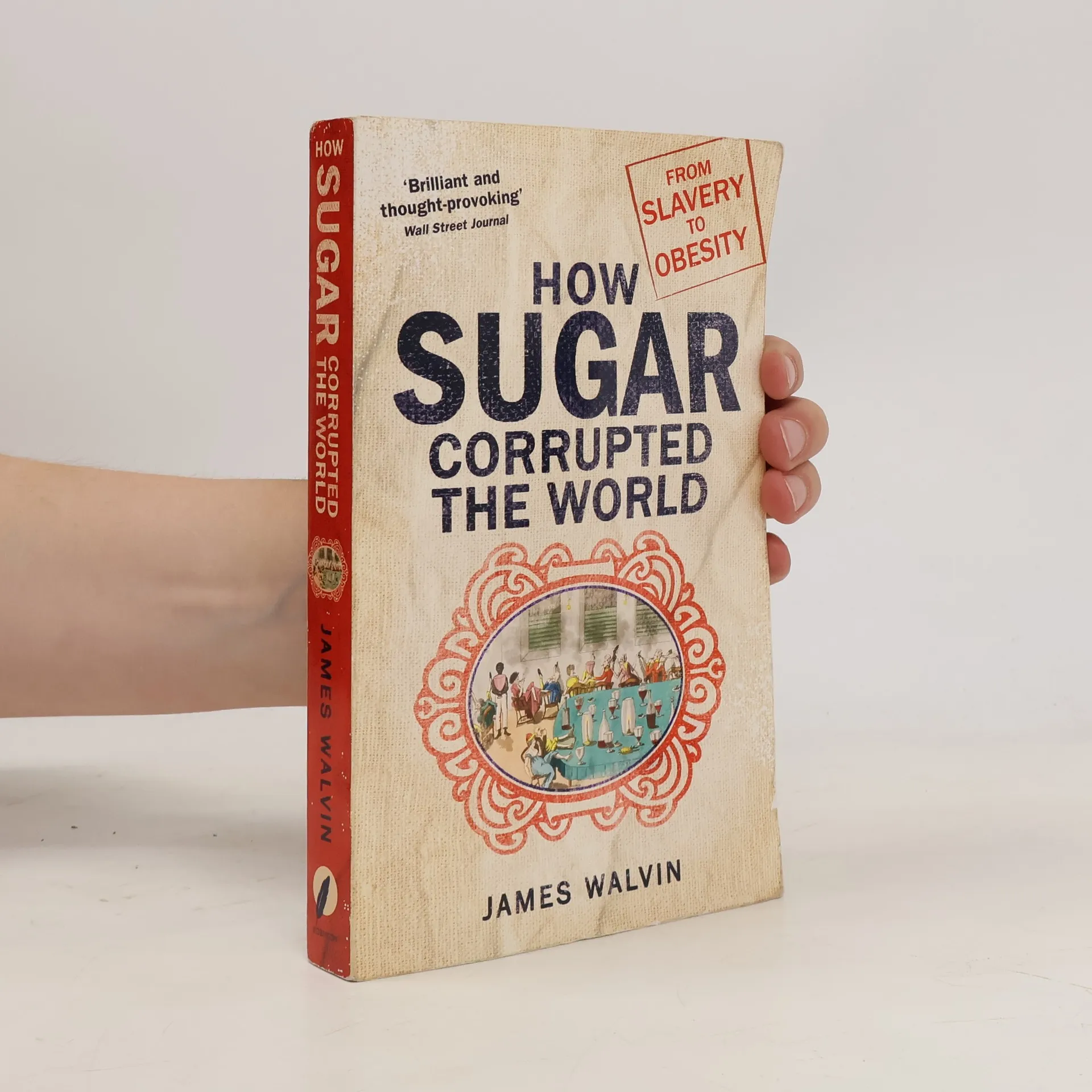
Sugar. The World Corrupted, from Slavery to Obesity

Valoración del libro

Más información sobre el libro

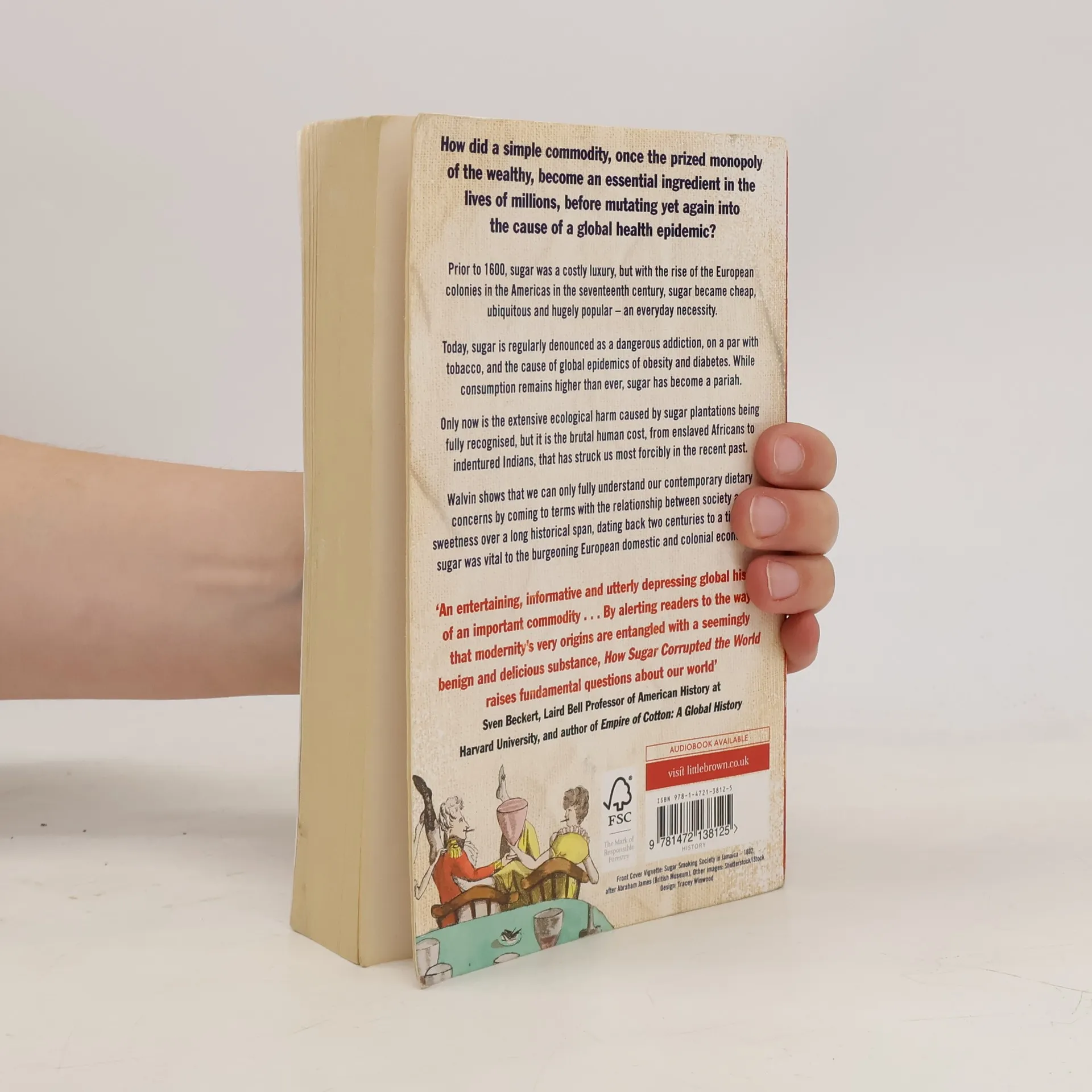
The story of sugar, and of mankind's desire for sweetness in food and drink is a compelling, though confusing story. It is also an historical story. The story of mankind's love of sweetness - the need to consume honey, cane sugar, beet sugar and chemical sweeteners - has important historical origins. To take a simple example, two centuries ago, cane sugar was vital to the burgeoning European domestic and colonial economies. For all its recent origins, today's obesity epidemic - if that is what it is - did not emerge overnight, but instead evolved from a complexity of historical forces which stretch back centuries. We can only fully understand this modern problem, by coming to terms with its genesis and history: and we need to consider the historical relationship between society and sweetness over a long historical span. This book seeks to do just that: to tell the story of how the consumption of sugar - the addition of sugar to food and drink - became a fundamental and increasingly troublesome feature of modern life

Compra de libros

Sugar. The World Corrupted, from Slavery to Obesity, James Walvin

Idioma
Publicado en
2017
product-detail.submit-box.info.binding
(Tapa dura)
Te avisaremos por correo electrónico en cuanto lo localicemos.

Métodos de pago

4,2
Muy bueno
11 Valoraciones

Nos falta tu reseña aquí

Título
Sugar. The World Corrupted, from Slavery to Obesity
Idioma
Inglés
Editorial
Robinson
Publicado en
2017
Formato
Tapa dura
Páginas
288
ISBN10
1472138090
ISBN13
9781472138095
Serie
Primera publicación
2017
Título original
Sugar: The World Corrupted: From Slavery to Obesity
Calificación
4,2 de 5
Descripción
The story of sugar, and of mankind's desire for sweetness in food and drink is a compelling, though confusing story. It is also an historical story. The story of mankind's love of sweetness - the need to consume honey, cane sugar, beet sugar and chemical sweeteners - has important historical origins. To take a simple example, two centuries ago, cane sugar was vital to the burgeoning European domestic and colonial economies. For all its recent origins, today's obesity epidemic - if that is what it is - did not emerge overnight, but instead evolved from a complexity of historical forces which stretch back centuries. We can only fully understand this modern problem, by coming to terms with its genesis and history: and we need to consider the historical relationship between society and sweetness over a long historical span. This book seeks to do just that: to tell the story of how the consumption of sugar - the addition of sugar to food and drink - became a fundamental and increasingly troublesome feature of modern life