



Parámetros
Más información sobre el libro
Book Description: First published in 1980, this contribution to political thought is a statement of the traditional conservative position. Roger Scruton challenges those who would regard themselves as conservatives, and also their opponents. Conservatism, he argues, has little in common with liberalism, and is only tenuously related to the market economy, to monetarism, to free enterprise or to capitalism. It involves neither hostility towards the state, nor the desire to limit the state's obligation towards the citizen. Its conceptions of society, law and citizenship regard the individual not as the premise but as the conclusion of politics. At the same time it is fundamentally opposed to the ethic of social justice, to equality of station, opportunity, income and achievement, and to the attempt to bring major institutions of society such as schools and universities under government control.




Compra de libros
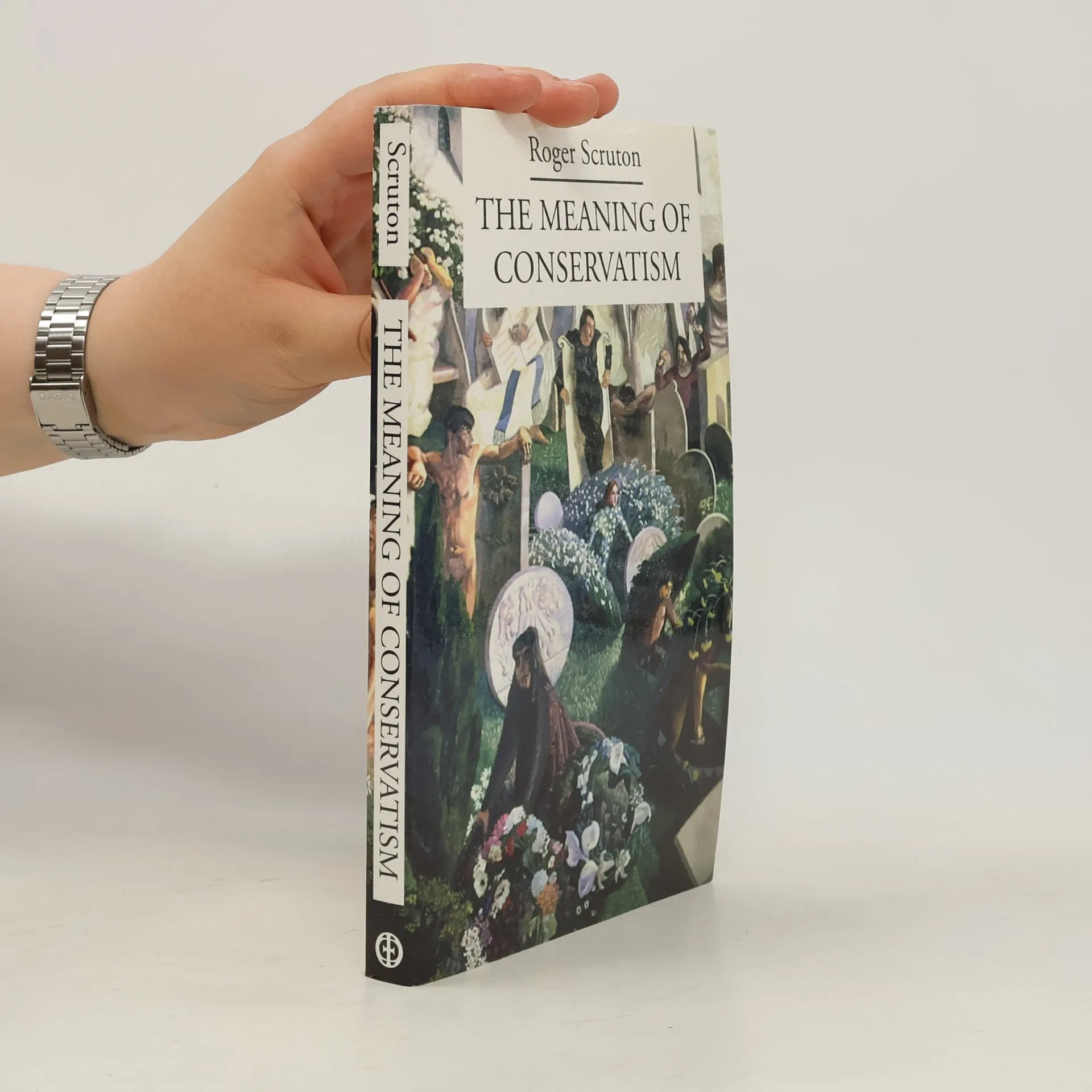
The Meaning of Conservatism, Roger Scruton
- Idioma

- Publicado en
- 2020
- Encuadernación
- (Tapa blanda),
- Estado del libro
- Bueno
- Precio
- 15,49 €
Métodos de pago
Nos falta tu reseña aquí
- Título
- The Meaning of Conservatism
- Idioma
- Inglés
- Autores
- Roger Scruton
- Editorial
- St. Augustine's Press
- Publicado en
- 2020
- Formato
- Tapa blanda
- ISBN10
- 1587315033
- ISBN13
- 9781587315039
- Serie
- Categorías
- Etiquetas
- Tema histórico, Temática filosófica, Política, Siglo XX, Regalos para abuelo, Cultura y Sociedad, Teorías Políticas, Relaciones Internacionales, Filosofía política, Propiedad, posesión, Conservadurismo, Filosofía del derecho, Filosofía de la Cultura, Estado y Derecho, Libertad Civil
- Primera publicación
- 1980
- Título original
- The Meaning of Conservatism
- Calificación
- 3,95 de 5
- Descripción
- Book Description: First published in 1980, this contribution to political thought is a statement of the traditional conservative position. Roger Scruton challenges those who would regard themselves as conservatives, and also their opponents. Conservatism, he argues, has little in common with liberalism, and is only tenuously related to the market economy, to monetarism, to free enterprise or to capitalism. It involves neither hostility towards the state, nor the desire to limit the state's obligation towards the citizen. Its conceptions of society, law and citizenship regard the individual not as the premise but as the conclusion of politics. At the same time it is fundamentally opposed to the ethic of social justice, to equality of station, opportunity, income and achievement, and to the attempt to bring major institutions of society such as schools and universities under government control.