



Más información sobre el libro
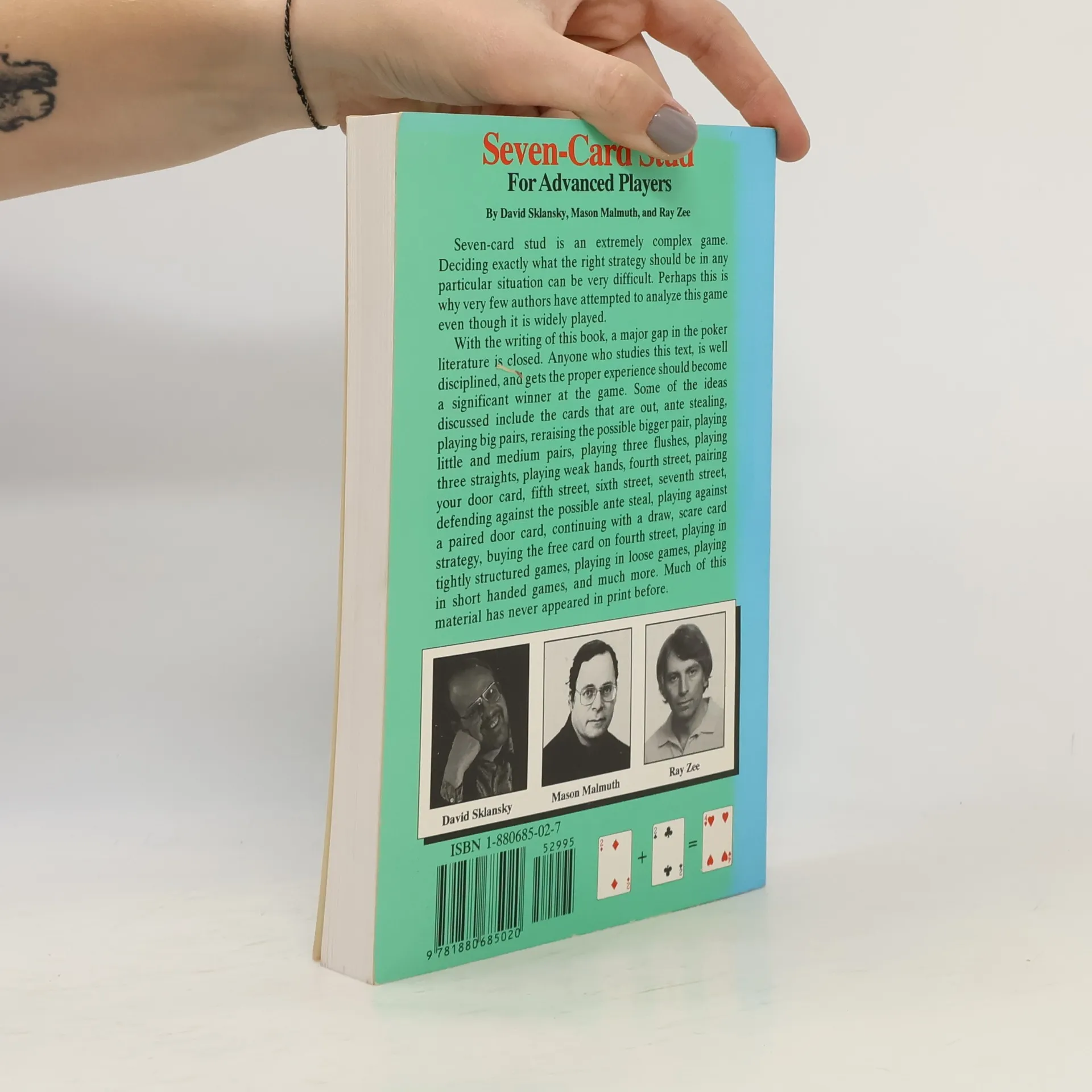
Seven-card stud is an extremely complex game. Deciding on exactly the right strategy in any particular situation can be very difficult. Perhaps this is why very few authors have attempted to analyze this game even though it is widely played. In 1989, the first edition of this text appeared. Many ideas, which were only known to a small, select group of players, were now made available to anyone who was striving to become an expert, and a major gap in the poker literature was closed. It is now a new century, and the authors have again moved the state of the art forward by adding over 100 pages of new material, including an extensive section on "loose games." Anyone who studies this text, is well disciplined, and gets the proper experience should become a significant winner. Some of the other ideas discussed in this 21st century edition include the cards that are out, the number of players in the pot, ante stealing, playing big pairs, playing little and medium pairs, playing three-flushes, playing three-straights, randomizing your play, fourth street, pairing your door card on fourth street, proper play on fifth, sixth, and seventh streets, defending against a possible ante steal, playing against a paired door card, scare card strategy, and buying a free card.


Compra de libros
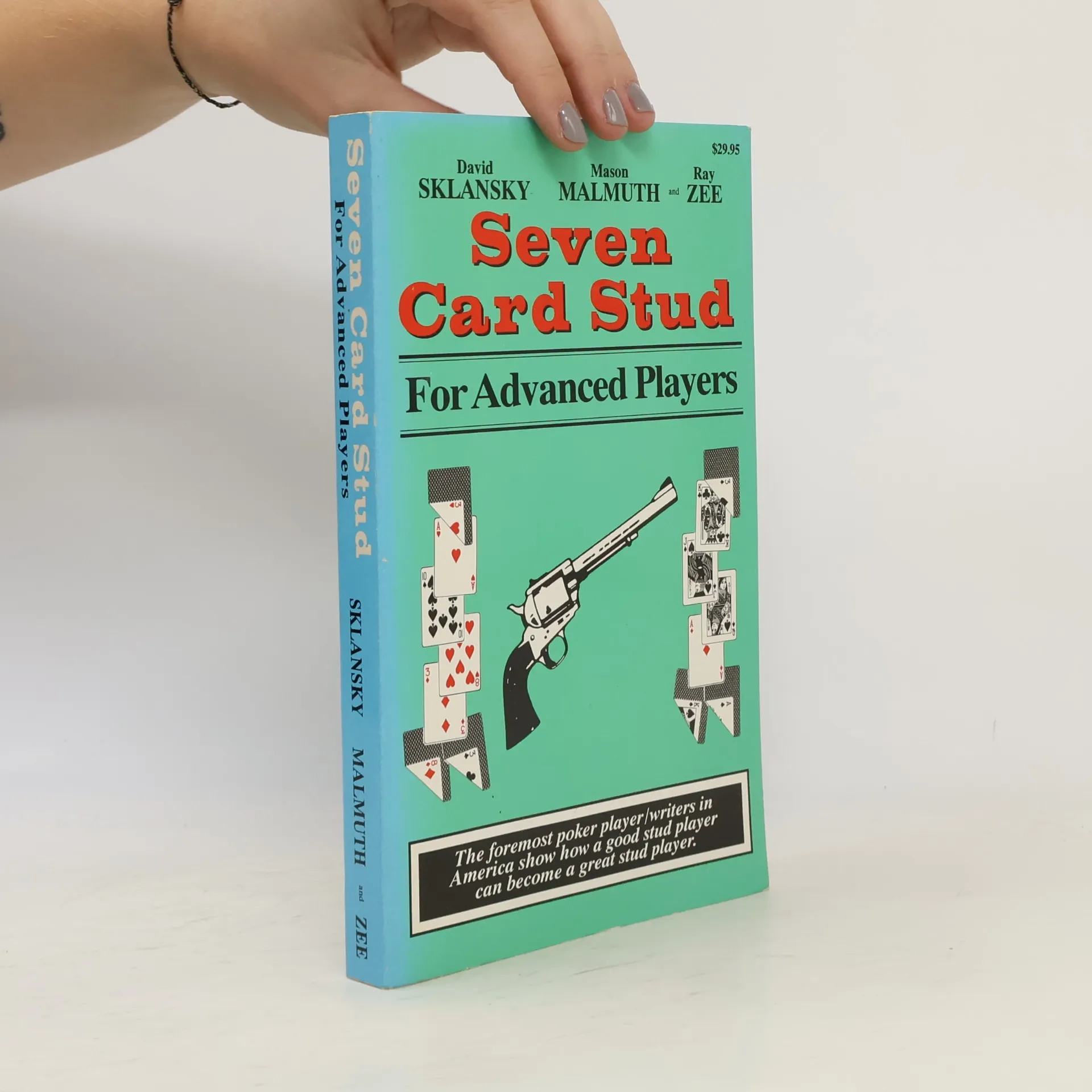
Seven-Card Stud for Advanced Players, David Sklansky, Mason Malmuth, Ray Zee
- Idioma

- Publicado en
- 1989
- Encuadernación
- (Tapa blanda),
- Estado del libro
- Bueno
- Precio
- 7,79 €
Métodos de pago
Nos falta tu reseña aquí
- Título
- Seven-Card Stud for Advanced Players
- Idioma
- Inglés
- Autores
- David Sklansky, Mason Malmuth, Ray Zee
- Editorial
- Two Plus Two Publishing LLC
- Publicado en
- 1989
- Formato
- Tapa blanda
- Páginas
- 218
- ISBN10
- 1880685027
- ISBN13
- 9781880685020
- Serie
- Categorías
- Etiquetas
- Juegos
- Calificación
- 3,95 de 5
- Descripción
- Seven-card stud is an extremely complex game. Deciding on exactly the right strategy in any particular situation can be very difficult. Perhaps this is why very few authors have attempted to analyze this game even though it is widely played. In 1989, the first edition of this text appeared. Many ideas, which were only known to a small, select group of players, were now made available to anyone who was striving to become an expert, and a major gap in the poker literature was closed. It is now a new century, and the authors have again moved the state of the art forward by adding over 100 pages of new material, including an extensive section on "loose games." Anyone who studies this text, is well disciplined, and gets the proper experience should become a significant winner. Some of the other ideas discussed in this 21st century edition include the cards that are out, the number of players in the pot, ante stealing, playing big pairs, playing little and medium pairs, playing three-flushes, playing three-straights, randomizing your play, fourth street, pairing your door card on fourth street, proper play on fifth, sixth, and seventh streets, defending against a possible ante steal, playing against a paired door card, scare card strategy, and buying a free card.