




Parámetros
- 180 páginas
- 7 horas de lectura
Más información sobre el libro
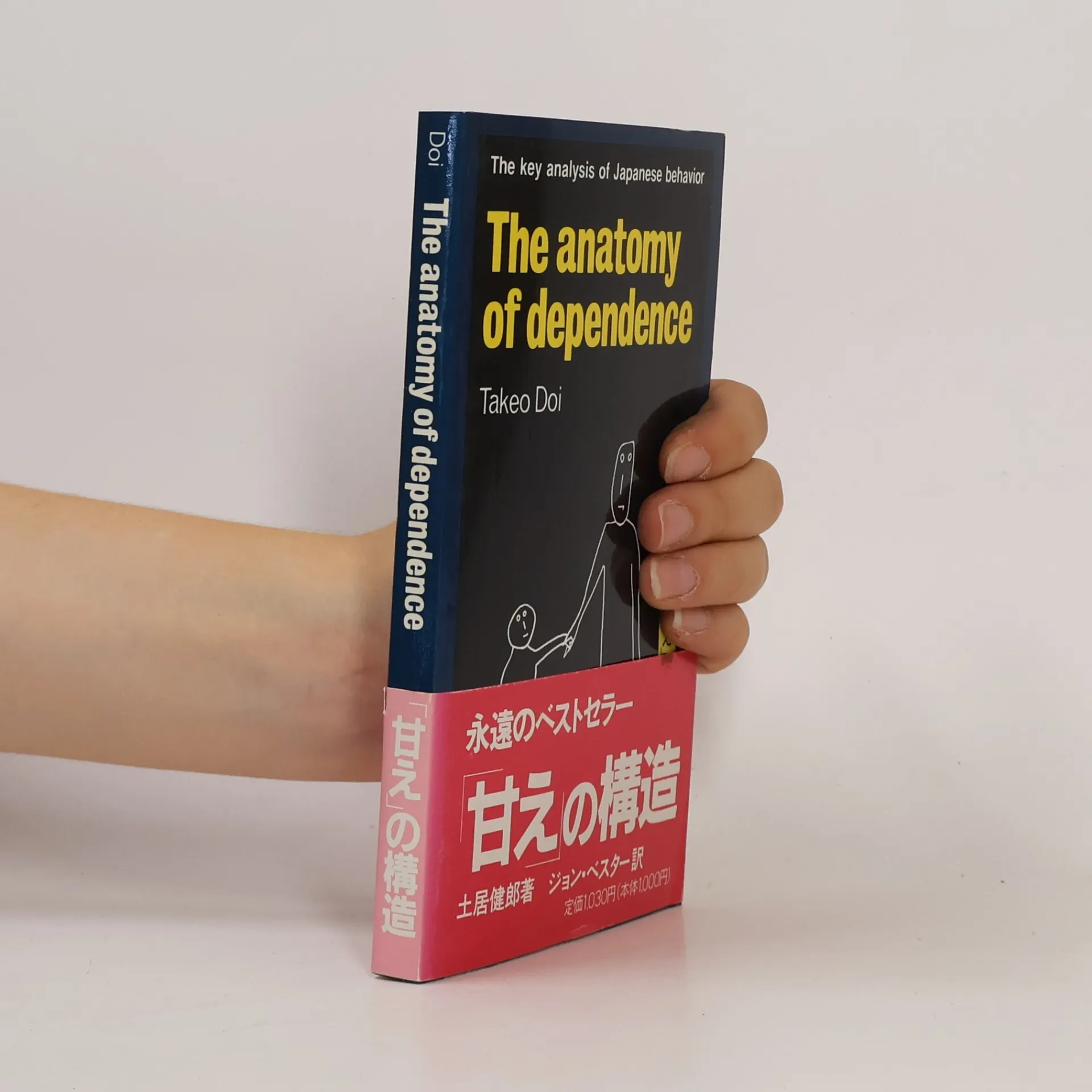
A classic study of the Japanese psyche, this work serves as a foundation for understanding Japanese behavior. Dr. Takeo Doi's exploration began with the realization that a key concept of human emotion, easily articulated in Japanese, eluded translation into Western languages. His essay, The Anatomy of Dependence, offers a profound analysis of the Japanese mind and contributes significantly to psychology across cultures. Originally published in Japan as Amae no Kozo (The Structure of Amae), the focus is on "amae" (indulgence) and its related terms. This concept embodies a central emotion in Japanese life—passive love that nurtures individuals within their groups, be it family, community, or society. Doi contrasts this with Western ideals of self-reliance, highlighting cultural differences in attitudes toward interdependence and the acceptance of weaknesses. Despite these differences, he notes that Western audiences resonate with the emotions described and seek ways to articulate similar needs. While "amae" is more nuanced in Japan, Doi's insights are recognized for their universal relevance. This translation of his pivotal essay is celebrated as a significant contribution, offering valuable insights not only into the Japanese psyche but into the human experience as a whole.


Compra de libros
The Anatomy Of Dependence The Key Analysis Of Japanese Behavior, Takeo Doi, John Bester
- Idioma

- Publicado en
- 1981
- Encuadernación
- (Tapa blanda)
Métodos de pago
Nos falta tu reseña aquí
- Título
- The Anatomy Of Dependence The Key Analysis Of Japanese Behavior
- Idioma
- Inglés
- Autores
- Takeo Doi, John Bester
- Editorial
- Kodansha
- Publicado en
- 1981
- Formato
- Tapa blanda
- Páginas
- 180
- ISBN10
- 0870114948
- ISBN13
- 9780870114946
- Serie
- Categorías
- Etiquetas
- Temas psicológicos, Temática filosófica, Japón, Psicoterapia, Literatura japonesa, Psicología Social, Etnicidad, Conductismo
- Calificación
- 3,7 de 5
- Descripción
- A classic study of the Japanese psyche, this work serves as a foundation for understanding Japanese behavior. Dr. Takeo Doi's exploration began with the realization that a key concept of human emotion, easily articulated in Japanese, eluded translation into Western languages. His essay, The Anatomy of Dependence, offers a profound analysis of the Japanese mind and contributes significantly to psychology across cultures. Originally published in Japan as Amae no Kozo (The Structure of Amae), the focus is on "amae" (indulgence) and its related terms. This concept embodies a central emotion in Japanese life—passive love that nurtures individuals within their groups, be it family, community, or society. Doi contrasts this with Western ideals of self-reliance, highlighting cultural differences in attitudes toward interdependence and the acceptance of weaknesses. Despite these differences, he notes that Western audiences resonate with the emotions described and seek ways to articulate similar needs. While "amae" is more nuanced in Japan, Doi's insights are recognized for their universal relevance. This translation of his pivotal essay is celebrated as a significant contribution, offering valuable insights not only into the Japanese psyche but into the human experience as a whole.