

Parámetros
- 386 páginas
- 14 horas de lectura
Más información sobre el libro
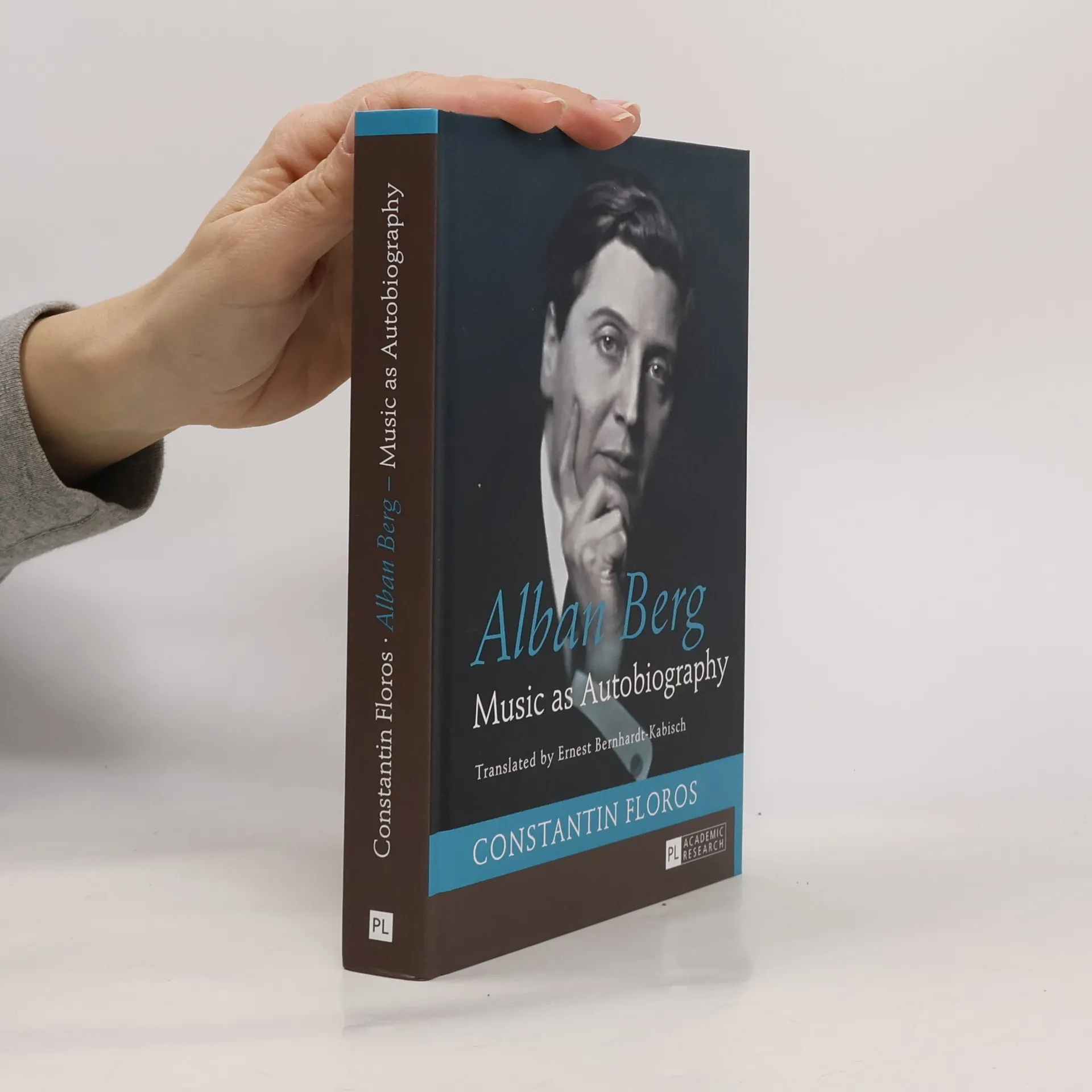
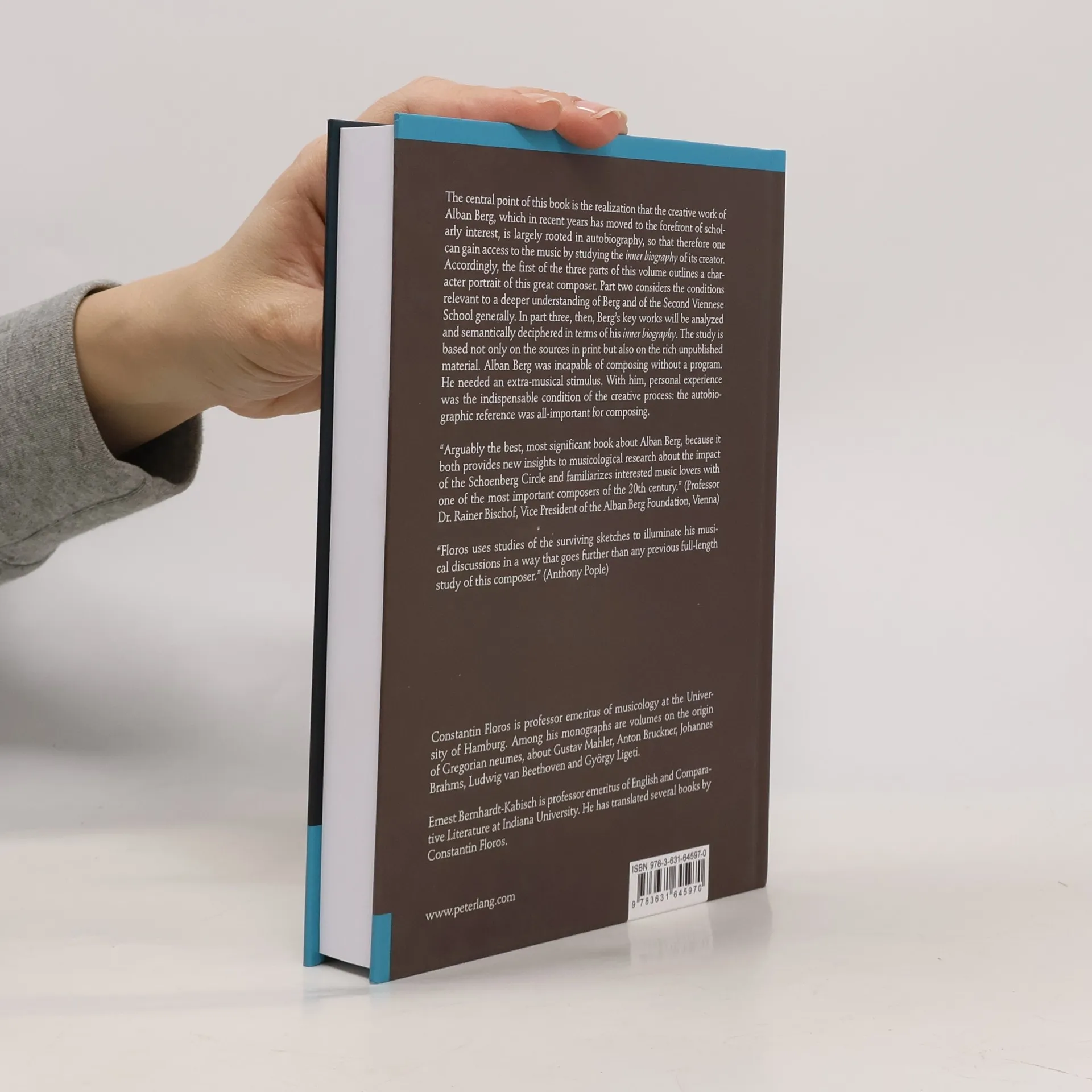
The central point of this book is the realization that the creative work of Alban Berg, which in recent years has moved to the forefront of scholarly interest, is largely rooted in autobiography, so that therefore one can gain access to the music by studying the inner biography of its creator. Accordingly, the first of the three parts of this volume outlines a character portrait of this great composer. Part two considers the conditions relevant to a deeper understanding of Berg and of the Second Viennese School generally. In part three, then, Berg’s key works will be analyzed and semantically deciphered in terms of his inner biography. The study is based not only on the sources in print but also on the rich unpublished material. Alban Berg was incapable of composing without a program. He needed an extra-musical stimulus. With him, personal experience was the indispensable condition of the creative process: the autobiographic reference was all-important for composing.

Compra de libros
Alban Berg, Constantin Floros, Ernest Bernhardt Kabisch
- Idioma

- Publicado en
- 2014
- Encuadernación
- (Tapa dura)
Métodos de pago
Nadie lo ha calificado todavía.
- Título
- Alban Berg
- Subtítulo
- Music as Autobiography. Translated by Ernest Bernhardt-Kabisch
- Idioma
- Inglés
- Editorial
- PL Academic Research
- Publicado en
- 2014
- Formato
- Tapa dura
- Páginas
- 386
- ISBN10
- 363164597X
- ISBN13
- 9783631645970
- Serie
- Categorías
- Etiquetas
- Tema histórico, Temas psicológicos, Arte, Temática musical, Siglo XX, Crítica literaria, Austria, Teorías científicas, Europa Occidental, Montañas y Cordilleras, Historia de la música, Compositores de Música
- Descripción
- The central point of this book is the realization that the creative work of Alban Berg, which in recent years has moved to the forefront of scholarly interest, is largely rooted in autobiography, so that therefore one can gain access to the music by studying the inner biography of its creator. Accordingly, the first of the three parts of this volume outlines a character portrait of this great composer. Part two considers the conditions relevant to a deeper understanding of Berg and of the Second Viennese School generally. In part three, then, Berg’s key works will be analyzed and semantically deciphered in terms of his inner biography. The study is based not only on the sources in print but also on the rich unpublished material. Alban Berg was incapable of composing without a program. He needed an extra-musical stimulus. With him, personal experience was the indispensable condition of the creative process: the autobiographic reference was all-important for composing.